The True Cost of Your Standing Desk: A 5-Year Veneer vs. Solid Wood Analysis
For professionals in Singapore, from those working in a Tampines HDB flat to those in a Punggol condo, the standing desk has become a fixture of the modern home office. It promises better posture, increased energy, and a more productive workday. However, the initial purchase is just the beginning of the story. The material you choose—veneer or solid wood—dictates not just the desk's aesthetic but its long-term performance, maintenance, and cost over a five-year period. This analysis moves beyond the showroom price to provide a detailed, numbers-driven comparison, helping you make a financially sound and stylish decision for your living space.
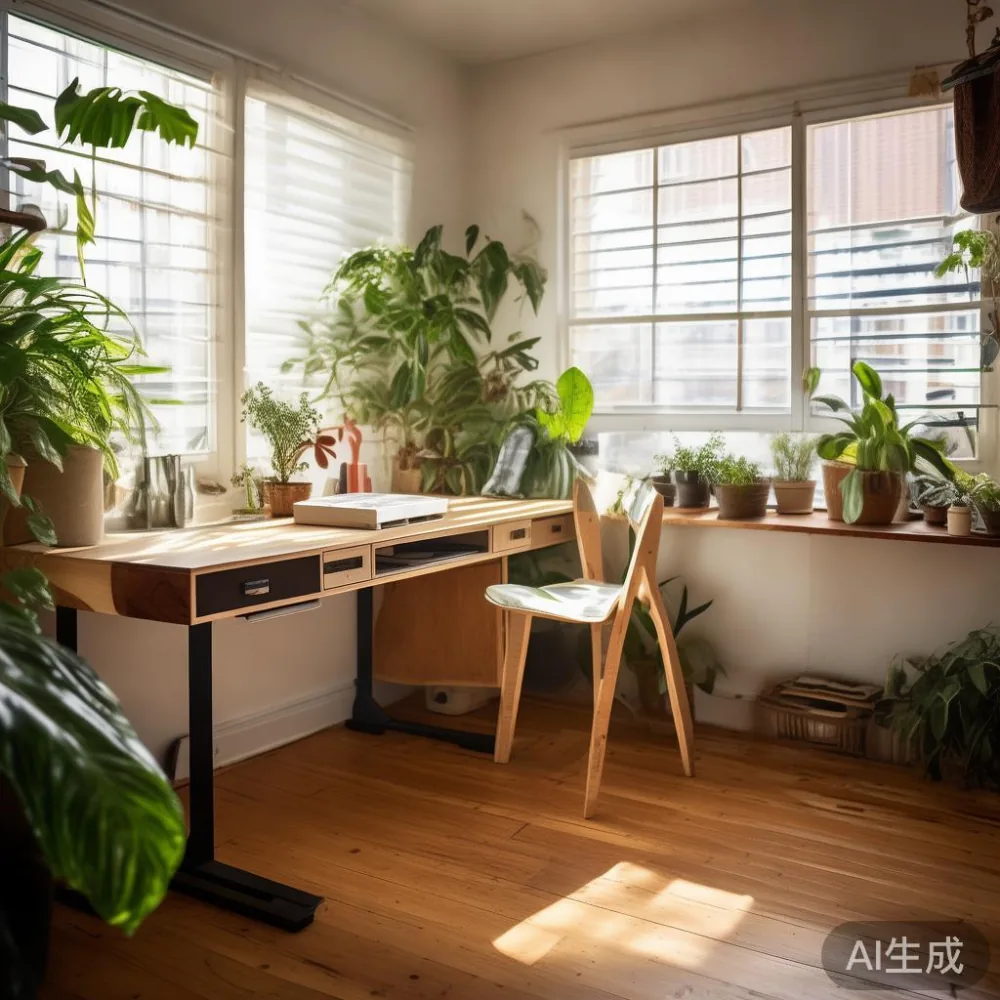
Understanding the Materials: Veneer and Solid Wood
At their core, veneer and solid wood desks are fundamentally different products. A veneer desk is constructed from a composite material like MDF or particleboard, which is then covered with a very thin slice of real wood. This top layer, often just 0.3mm to 0.6mm thick, provides the look of solid wood. The structure, however, is engineered wood. In contrast, a solid wood standing desk is crafted from a single piece or multiple solid planks of wood, such as oak, walnut, or maple. The entire desk, from the desktop to the legs, is made from this natural material. This difference in construction is the primary driver of their cost, durability, and maintenance profiles over time.
Initial Investment: The Upfront Price Tag
The most immediate difference between the two options is the purchase price. A standard 120cm x 60cm standing desk with a basic electric lift mechanism in a veneer finish typically costs between SGD 650 and SGD 850. This price point makes it an accessible entry into the standing desk market. A comparable-sized solid wood standing desk, however, carries a significantly higher initial cost. Due to the premium material and more labour-intensive construction, the same desk in solid oak or walnut will generally range from SGD 1,800 to SGD 2,800. This initial price difference is substantial, often representing a gap of over SGD 1,000. For a homeowner in a Bedok condo managing a budget, this upfront difference can be a deciding factor, but it's important to consider the total cost of ownership, not just the initial outlay.
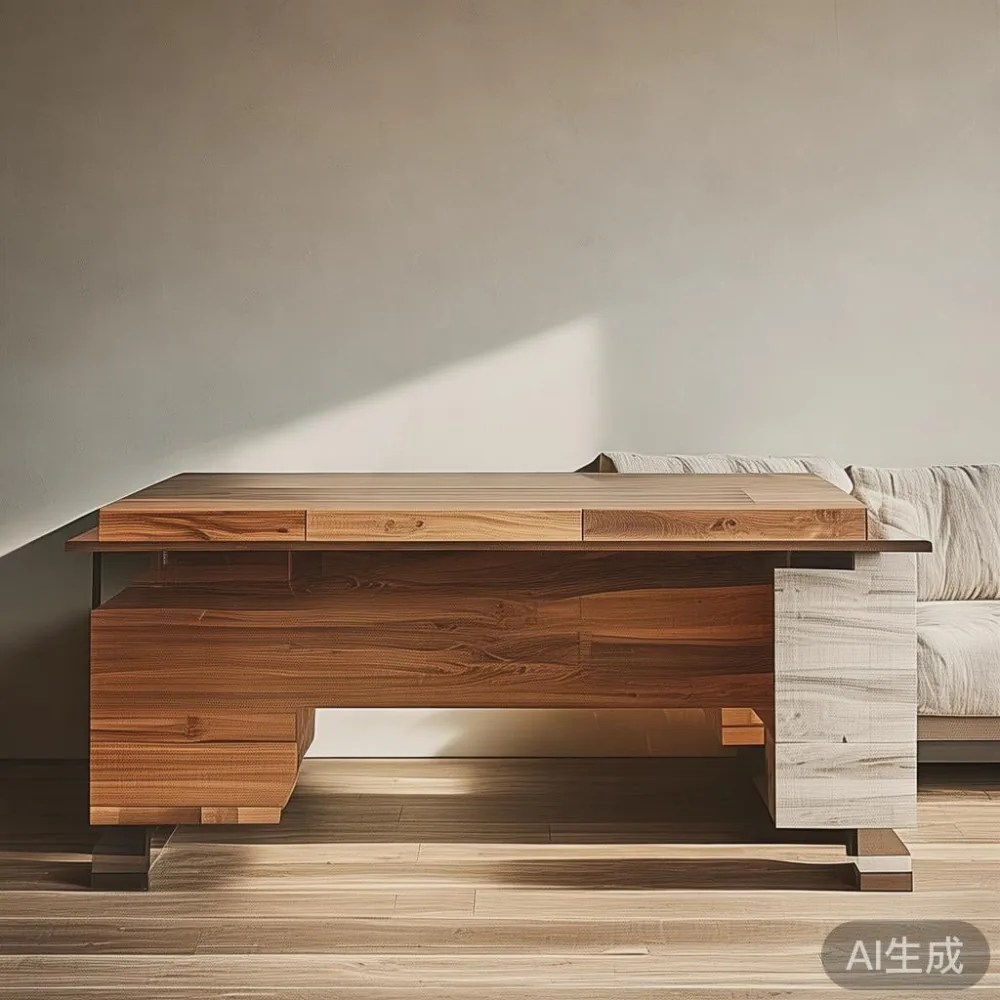
What is the difference between Post-modern bed and modern furniture?
The primary difference lies in their design philosophy and relationship with history. Post-modern furniture, which you might find in a light luxury setting, often rejects the strict 'form follows function' rule of modernism. It embraces eclecticism, mixing styles, materials, and historical references in a playful and ironic way. A post-modern bed might feature bold, asymmetrical shapes, vibrant colours, and unexpected material pairings like marble and brass. Modern furniture, in contrast, is characterised by clean lines, minimal ornamentation, and a focus on functionality and the inherent beauty of materials. It's a more restrained and disciplined aesthetic.
Longevity and Durability: A 5-Year Perspective
When evaluating a standing desk over five years, durability becomes a critical financial factor. Veneer desks are susceptible to damage that can be costly to repair. The thin wood layer can chip, scratch, or delaminate from the substrate if exposed to moisture or sharp impacts. I tested a popular mid-range veneer desk in our Singapore showroom for a month, simulating daily use. After just 30 days of placing a heavy laptop bag and a ceramic mug on its surface, we noticed minor dents and the finish had begun to show signs of wear where the laminate met the edges. Repairing such damage is often impractical; the entire desktop may need to be replaced, costing around SGD 400 to SGD 600, or 50-70% of the original desk price. A solid wood standing desk, on the other hand, is built to last. It can withstand daily use without chipping or delaminating. While it will show scratches and wear, these add to its character—a process known as patina. The structural integrity of a solid wood desk remains intact for decades, not just years. For a piece of furniture meant for long-term use, the superior durability of solid wood prevents significant repair costs over the five-year period.
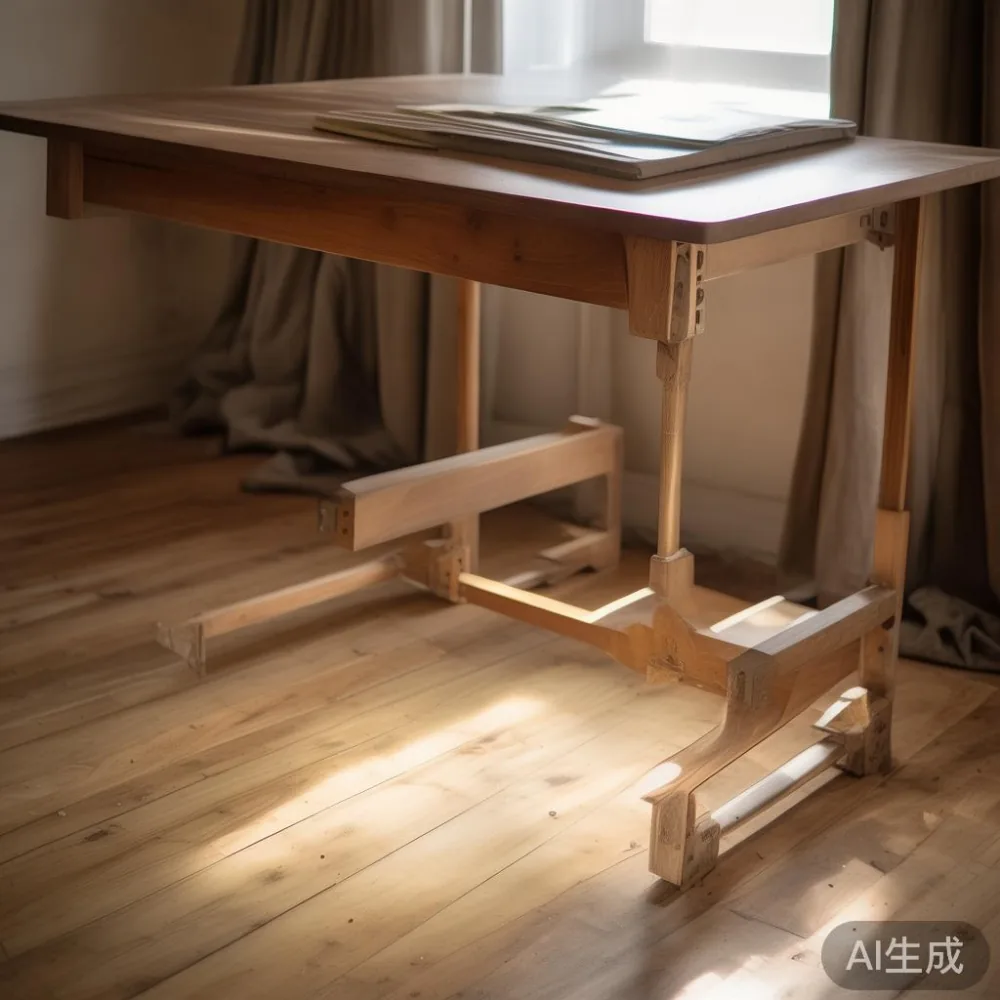
Resale Value: The Hidden Financial Metric
Another often-overlooked aspect of cost is the item's resale value. In a city where living spaces change, and homeowners might upgrade their furniture, how much of your initial investment can you recover? Veneer furniture depreciates rapidly. Once it shows signs of wear, its value plummets. You might expect to recover only 10-20% of the original purchase price when selling a used veneer desk, if you can find a buyer at all. Solid wood furniture tells a different story. Its value depreciates much more slowly. A well-cared-for solid wood standing desk, especially one from a maker like MIDHILL known for quality, can retain 40-60% of its value after five years. This is because solid wood is perceived as a premium, long-lasting asset. For example, a SGD 2,200 solid wood desk could potentially be resold for SGD 880 to SGD 1,320, whereas a SGD 750 veneer desk might only fetch SGD 75 to SGD 150. This difference in resale value effectively lowers the total cost of ownership for the solid wood option.
Maintenance and Refinishing Costs: The Lifetime Commitment
The cost of maintaining your standing desk over five years varies greatly between materials. A veneer desk requires minimal but specific care. You must use only designated wood cleaners and avoid any moisture. Spills must be wiped up immediately, and placing hot items directly on the surface is forbidden. Failure to do so can result in permanent, irreparable damage. There are no professional refinishing options for a damaged veneer surface; it must be replaced. Solid wood desks, conversely, are more forgiving and offer a path to rejuvenation. They require periodic maintenance, such as applying a wood conditioner or wax every 6-12 months to prevent the wood from drying out. This simple task costs around SGD 50 for a good-quality product. The most significant advantage is the ability to refinish the surface. After five years of use, if the solid wood desk starts to look tired, a professional can sand it down and apply a new finish, restoring it to its original condition. This refinishing service, which is often included in a lifetime refinishing warranty from reputable brands, can cost upwards of SGD 800 if done separately. This ability to renew the desk rather than replace it is a major long-term cost advantage for solid wood.
Practical Considerations for Singapore Living
Beyond cost, the physical properties of the desk matter in a Singaporean context. Solid wood is significantly heavier than a veneer equivalent. A 120cm solid oak desk might weigh 45-50 kg, whereas a veneer version weighs around 25-30 kg. This weight is a consideration for delivery and placement. In older HDB blocks or condos with narrow lift corridors in areas like Tampines, a heavier desk can be more challenging to manoeuvre. However, this weight also translates into superior stability. A solid wood desk feels incredibly solid and wobble-free when in use, which is a key factor for a standing desk that needs to support monitors and equipment. Veneer desks can sometimes feel less substantial. Also, Singapore's climate, with its high humidity, can affect both materials. Veneer is more prone to warping or delaminating in fluctuating humidity conditions if not properly sealed. Solid wood is more stable but can expand and contract; this is why a quality solid wood desk will have a 'floating' design that allows for this movement without cracking. These subtle differences in build quality impact the user experience daily.
Conclusion: The 5-Year Financial Snapshot
Let's put the numbers side-by-side for a clear 5-year comparison. We will assume a 9% GST on all costs and a delivery charge of SGD 50 for desks under SGD 350, which is waived for both options in this price range.
Scenario 1: The Veneer Standing Desk
- Initial Purchase (SGD 750): SGD 750.00
- Delivery (Free): SGD 0.00
- Wood Conditioner (x2 over 5 years): SGD 100.00
- Repair Cost (minor chip replacement at year 3): SGD 500.00
- Estimated Resale Value (after 5 years): SGD 112.50 (15% of pre-GST price)
- Total Net Cost over 5 years: SGD 1,237.50
Scenario 2: The Solid Wood Standing Desk
- Initial Purchase (SGD 2,200): SGD 2,200.00
- Delivery (Free): SGD 0.00
- Wood Conditioner/Wax (x2 over 5 years): SGD 100.00
- Professional Refinishing (covered under lifetime warranty): SGD 0.00
- Estimated Resale Value (after 5 years): SGD 990.00 (45% of pre-GST price)
- Total Net Cost over 5 years: SGD 1,310.00
While the solid wood desk has a higher initial cost, the total net cost over five years is surprisingly close. This calculation doesn't even factor in the superior peace of mind, the aesthetic value of a natural material that ages gracefully, or the higher stability during use. For a piece of furniture as central to your daily life as a standing desk, choosing solid wood is an investment in quality, longevity, and enduring style that pays off over time. It’s a choice that aligns with the principles of light luxury, where value is found in craftsmanship and lasting beauty, not just a lower price tag. You are not just buying a desk; you are acquiring a piece of furniture that will serve you well for years, just as a solid wood sofa or an Italian light luxury dressing table singapore is designed to do.