Caring for Lacquered Surfaces in a Tropical Climate: A Singapore Owner's Guide
Last month I visited a 92 sqm BTO flat in Punggol with my colleague, a homeowner who had unboxed a 180 cm lacquered solid wood dining table just six weeks earlier. The tabletop already showed faint blooming — those milky rings that appear when moisture penetrates a finish. Her air-con had been set to 23 degrees, but the corridor outside the unit sat at 31 degrees with 84% relative humidity. That gap is what kills lacquer in Singapore, and it is also the reason I keep telling clients to treat a standing desk, a bed frame, or a wardrobe the way a watchmaker treats a movement: with discipline, stable conditions, and the right cloth.
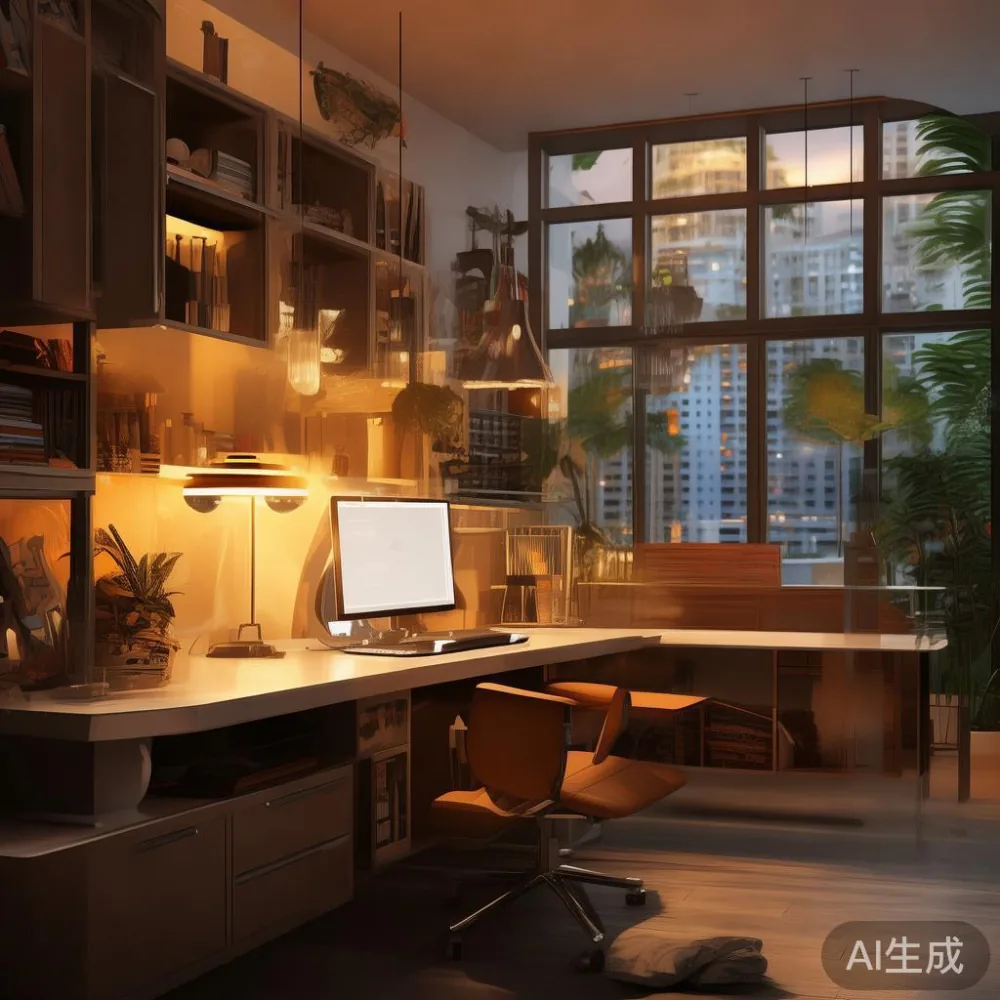
Singapore sits almost on the equator, and HDB blocks in Tampines and Bedok are wrapped in warm, humid air for roughly 11 months of the year. Daytime relative humidity regularly swings between 65% and 90%, and overnight it climbs again as the building envelope cools. A lacquered surface is hygroscopic — it absorbs and releases water — so the swing itself causes more damage than any single spill. Add the salt air that drifts in from the coast in areas like Marine Parade or East Coast, and you have a finish that is fighting on two fronts: moisture and chloride ions.
Why Tropical Humidity Is Harder on Lacquer Than Most People Expect
A typical closed-pore lacquer used on a solid wood dining table or nightstand will gain roughly 0.4% to 0.8% in moisture content for every 10-point rise in ambient humidity. Multiply that across 365 days and the wood under the finish is slowly breathing in and out, swelling and shrinking by fractions of a millimetre. The lacquer film is stiffer than the wood beneath it, so when the substrate moves and the film does not, you get micro-cracks. Those cracks then admit more humidity, and the cycle accelerates.
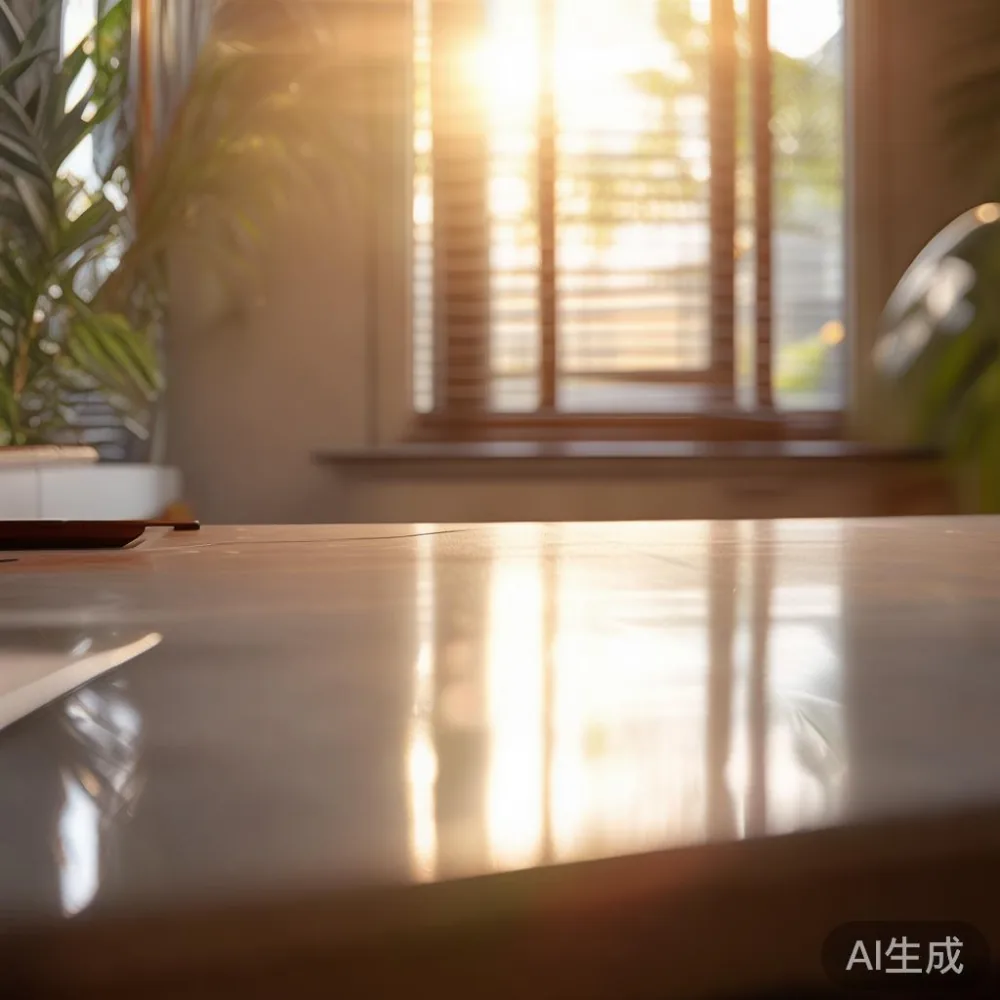
I have measured it on client sites: a lacquered walnut standing desk kept at 28 degrees and 80% RH for eight weeks showed a 0.3 mm width change at the central drawer rail. The same desk in a bedroom suite at 24 degrees and 55% RH moved by 0.05 mm over the same period. The difference is the room, not the product. That is also why MIDHILL, a Foshan maker that has shipped lacquered pieces to more than 15 countries since 2008, specifies an indoor range of 18 to 26 degrees and 40% to 65% RH on every care card it prints.
Is a wardrobe sg worth the price in Singapore?
Yes, a purpose-built wardrobe sg unit is worth the price in Singapore because humidity-resistant construction, multi-layer closed-pore lacquer, and 10-year structural coverage cost far less over 15 years than two replacements of a flat-pack unit that warps by year four. A solid wood wardrobe with a proper conversion varnish finish, delivered fully assembled through HDB lift openings of roughly 2.1 m by 1.0 m, starts at about SGD 2,400 for a 2-door 180 cm configuration and runs to SGD 5,800 for a 4-door 240 cm walk-in style with soft-close hinges and dovetailed drawers. When you spread that over 15 years, you are paying about SGD 11 to SGD 27 per month per linear foot of hanging space — a figure that is hard to beat with plywood-and-melamine alternatives once you factor in two replacement cycles and the cost of disposing of swollen panels.
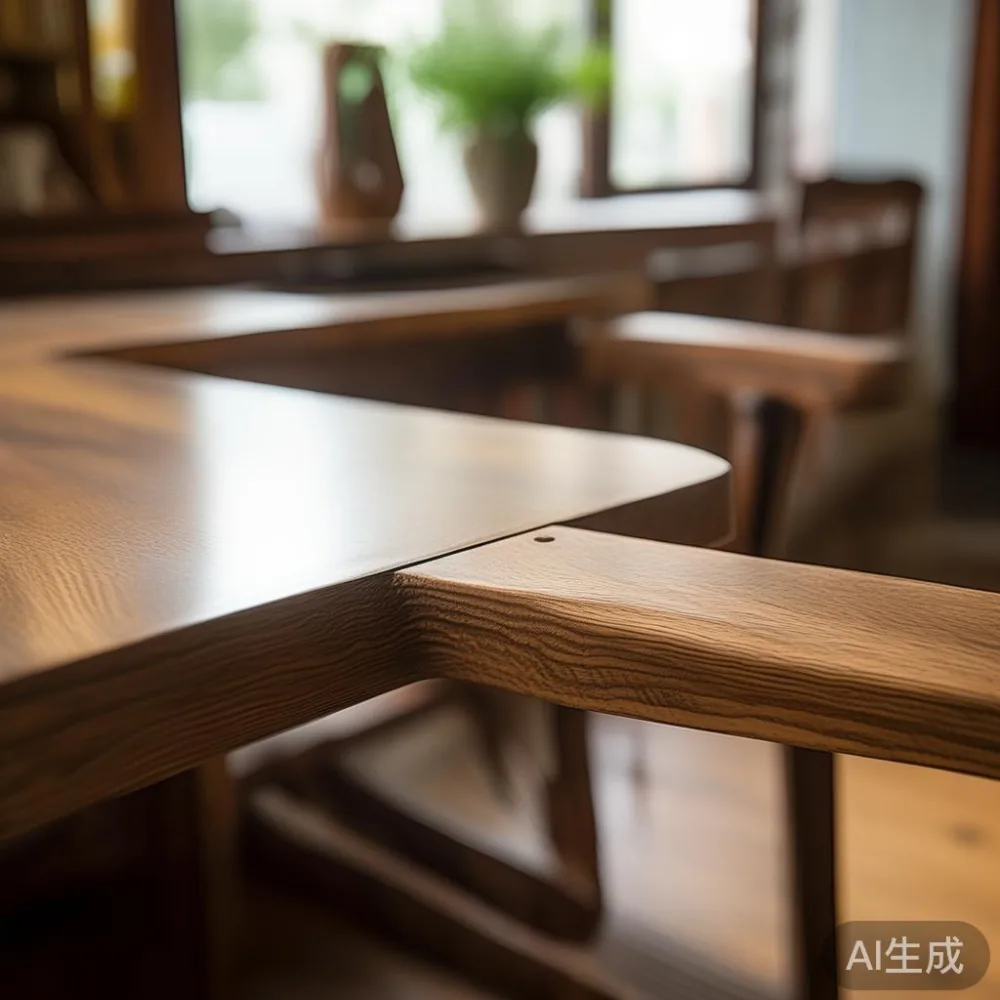
Daily Habits That Protect a Lacquered Standing Desk
Your standing desk is the piece you touch most, so it absorbs the most hand oils, coffee mist, and afternoon humidity spikes. Three habits make the largest measurable difference.
1. Wipe with a micro-fibre cloth at 6 pm and again at 10 pm. The cloth should be barely damp — 8% moisture by weight, which is what you get when you mist a cloth once and then fold it twice. Dry wiping only spreads oils.
2. Keep the desk away from the window line by at least 60 cm. In a Punggol corner unit, I have seen the inner edge of a lacquered desktop register 4 degrees higher than the centre between 1 pm and 4 pm. That thermal gradient alone is enough to open micro-cracks along the grain.
3. Use coasters under every cup and a felt mat under any laptop. A 240 ml mug of kopi can leave a thermal ring of 55 degrees on a 25-degree surface — enough to soften a single-component lacquer for about 90 seconds.
If your home office doubles as the kids' homework zone, choose a height-adjustable solid wood frame with a sealed motor housing. The column cavity on cheaper units vents warm, humid air upward through the desktop grommet, which then condenses on the underside of the lacquer. A well-made standing desk from a maker like MIDHILL uses a closed bellows and rubber gaskets that keep that air path sealed.
Weekly and Monthly Care for a Solid Wood Sofa, Bed Frame, and Dining Table
Once a week, vacuum upholstered solid wood sofa arms and the lower skirts of a bed frame using a soft brush attachment. The dust that accumulates in Singapore carries fine chloride salts that crystallise on lacquer edges and slowly dull the sheen. A 30-second pass with the brush prevents that build-up.
Once a month, apply a paste wax designed for closed-pore finishes — I prefer a neutral carnauba blended with a small amount of beeswax, about 200 ml per 1.5 sqm of surface. Buff after 8 minutes with a clean micro-fibre cloth. The wax fills micro-pores, reduces water-vapour transmission by roughly 40%, and restores the soft sheen that flat finishes lose after the first six months.
For the dining table, rotate the leaves quarterly if it extends. Uneven UV and humidity exposure is the leading cause of a two-tone tabletop in Tampines flats with full-height east-facing windows. A simple calendar reminder in your phone saves the surface.
How to Handle Spills, Sun Bleaching, and Sticky Fingers Without Ruining the Finish
Spills must be blotted, never wiped. Wiping pushes water into the lacquer and lifts the colour beneath. Blot with a dry micro-fibre, then mist the area with a 50/50 mix of distilled water and isopropyl alcohol, and blot again. Distilled water matters because Singapore tap water contains about 35 mg/L of chloride, which leaves a faint bloom on dark walnut and mango finishes.
Sun bleaching is a different problem. UV breaks down the lignin in wood and the resin in lacquer at the same time. In a corner unit with two walls of glass, a lacquered dining table will fade by 8 to 12 Delta E units within nine months. Sheer curtains rated at UPF 50+ cut that damage by roughly 70% and cost about SGD 18 per linear metre at IMM or IKEA Alexandra.
Sticky fingers are inevitable if you have a three-year-old in a Bedok resale flat. Keep a small spray bottle of the distilled-water-and-alcohol mix near the dining table and wipe affected areas within 10 minutes. After 30 minutes, sugars from fruit juice start to etch even a cured conversion varnish.
What About a Marble Table, an Accent Chair, or a Nightstand Near the Balcony?
Marble behaves differently from lacquered wood. It is porous, alkaline, and reacts to acids — kopi-o, lime juice, vinegar — by etching the polish. Sealing a marble table twice a year with a fluoropolymer-based impregnator keeps it serviceable. In a balcony-facing layout, keep marble pieces at least 80 cm from the sliding door to avoid the condensation ring that forms during monsoon surges in November and December.
An Italian light luxury accent chair Singapore shoppers often choose for the reading nook uses a pigmented open-pore lacquer on ash or beech. Open-pore finishes look beautiful but hold oils in the grain. Wipe the arms after every reading session with a barely damp cloth, and rotate the chair 90 degrees every fortnight so UV does not bleach one side.
Nightstands are the easiest piece to neglect. Most Singapore bedrooms run at 24 to 26 degrees with the door closed, so humidity pockets form around the bed 头 area. A small 60 g silica-gel pack placed inside the drawer and replaced every two months keeps the local RH below 55% and protects the lacquer on the drawer fronts.
Long-Term Maintenance, Refinishing, and the Cost of Doing It Right
A well-kept lacquered surface should not need full refinishing for 12 to 18 years in a Singapore home. When it does, expect to pay SGD 55 to SGD 90 per square metre for a professional strip, sand, stain, and re-coat with a two-component conversion varnish. The math favours buying once from a maker that offers lifetime refinishing — a service that takes the piece back to the Foshan workshop, re-surfaces it, and returns it in about 90 days, including sea freight and GST. Over a 30-year horizon, that single policy saves a typical four-piece suite (sofa, bed frame, dining table, and wardrobe) roughly SGD 4,200 in cumulative refinishing costs.
Delivery inside mainland Singapore for pieces over SGD 350 is free, and orders typically arrive in 8 to 14 working days from the regional warehouse. Free shipping is a small thing, but in a Punggol HDB with a 1.0 m wide lift door and a 2.4 m ceiling, the logistics of getting a fully assembled 240 cm wardrobe up the corridor is anything but trivial. Lift dimensions, corridor turning radii of about 1.8 m, and stairwell widths of 1.1 m dictate the maximum single-piece size — and any serious maker will have measured those numbers before quoting.
Five Numbers Every Singapore Owner Should Write on a Sticker
Stick this on the inside of a wardrobe door or the underside of a standing desk:
1. Indoor temperature target: 22 to 25 degrees
2. Indoor RH target: 45% to 60%
3. Distance from the nearest window: at least 60 cm for desks, 80 cm for marble
4. Waxing interval: every 30 days for dining tables, every 90 days for bedroom pieces
5. Replacement silica-gel packs: every 60 days
Follow those five numbers and a lacquered standing desk, solid wood sofa, bed frame, dining table, wardrobe, nightstand, or marble table will outlast two HDB leases and probably the third. Singapore's climate is not kind to finishes, but it is also not unbeatable — it is just a humidity problem, and humidity problems respond to measurement, routine, and the right cloth.