Humidity, HDB Corridors, and Standing Desks: A Practical Guide for Singapore Homes
I keep a small notebook on the back of my own standing desk at home. Last month, after a wet week in Tampines, I opened the notebook and the pages had curled at the edges. The desk itself, a 140 cm × 60 cm solid wood standing desk with a manual crank, had tilted roughly 1.5 mm at the rear right corner. That is when I stopped blaming my calendar for the wobble and started taking relative humidity (RH) seriously. If a piece of engineered furniture can shift in nine days of rain, buyers in Singapore, Johor Bahru, and Bangkok should know what to expect before a 28 mm tabletop arrives at their door.
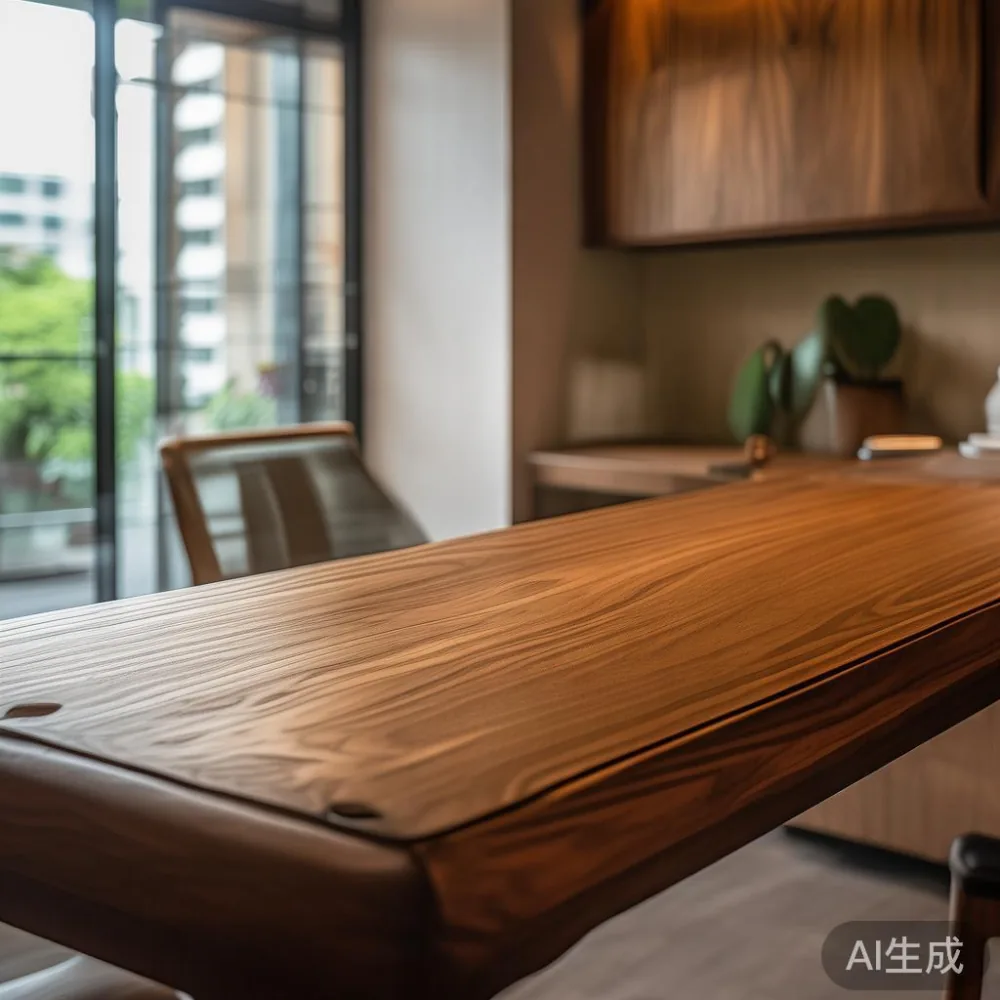
Why does Southeast Asian humidity warp solid wood standing desks?
Wood is hygroscopic: it absorbs and releases water until it reaches equilibrium moisture content (EMC) with the surrounding air. In Singapore, outdoor RH runs between 70% and 90% for most of the year, while air-conditioned HDB flats and condos sit closer to 55% to 65%. That 15- to 25-point swing is enough to push a 140 cm oak plank across a full millimetre in width and roughly half that in thickness. A standing desk is especially sensitive because its moving frame exposes fresh end-grain every time you raise it from 72 cm to 118 cm, and end-grain absorbs water roughly 10 to 15 times faster than the long faces of the board.
For context, most Singapore bedrooms measure around 10 m² to 14 m². A 1.4 m standing desk occupies about 8% of that floor. Leave a wet towel on it for an afternoon, and the local RH around the desk can climb past 80%, pulling the wood open along the grain. Buyers searching for a solid wood sofa or a bed frame see the same physics, just spread over larger surfaces.
Is Post-modern corner sofa furniture worth it?
Yes, post-modern corner sofa furniture is worth it for Singapore HDB flats if you pick the right joinery, because the post-modern light luxury movement pairs geometric silhouettes with kiln-dried hardwoods that tolerate 55% to 70% RH far better than soft pine frames. The frame is only half the story, though. A 280 cm × 200 cm corner sofa weighs between 95 kg and 130 kg, and it must travel up a typical HDB service corridor that is 1.2 m to 1.5 m wide before it reaches a lift door of roughly 0.9 m × 2.1 m. If the frame absorbs ambient moisture on the lorry and then dries out under your ceiling fan, the cushions can develop a 2 to 4 mm crown that no foam insert will hide.
MIDHILL, a Foshan maker working since 2008, kiln-dries its ash, oak, and walnut to between 8% and 10% moisture content before assembly, then packs each corner sofa in a breathable cotton sleeve rather than vacuum wrap. That single decision keeps the EMC close to Singapore indoor levels during the 12 to 18 day sea crossing from Shenzhen to Tuas.
How much does Singapore humidity actually move a dining table or wardrobe?
Plenty, and the numbers are more honest than most brochures admit. A 180 cm × 90 cm solid wood dining table sitting in a 28°C room at 80% RH will swell about 1.2% across the grain, which works out to roughly 2 mm wider than its spec sheet. Over a 12-month year, the same table cycles through about 1.5 to 2 mm of expansion and contraction, mostly between the March to May inter-monsoon and the cooler December to January period. That is why older Singapore households often hear a soft tick from their wardrobes at dusk: the wood is shrinking as the air-conditioner pulls RH down from 75% to 55%.
A 4-door wardrobe roughly 200 cm tall and 180 cm wide carries about 8 m² of exposed wood surface. If you skip acclimatisation and place it straight into a 24°C, 60% RH bedroom, expect 2 to 3 mm of panel movement in the first 30 days. The fix is unglamorous: leave the wardrobe in its crate for 48 to 72 hours, crack the carton, and let the boards breathe near the eventual position before the fitter arrives.
Will an Italian light luxury dining chair survive a Bedok or Punggol corridor?
An Italian light luxury dining chair survives a Bedok or Punggol corridor very well, provided you measure the lift opening and the turn radius at the stairhead before you click pay. Italian light luxury dining chair frames are typically built around beech or ash, both of which hold 8% to 10% kiln moisture content and tolerate 60% to 75% indoor RH with less than 1 mm of seasonal drift. The chair usually weighs 5.5 kg to 7 kg, seats at 45 cm, and packs four to a flat carton sized around 60 cm × 60 cm × 110 cm. That footprint clears a standard 1.1 m service lift and a 0.9 m wide corridor corner without any tilt-and-scoot gymnastics.
My colleague in Punggol moved into a 4-room HDB last quarter and ordered six such chairs to pair with a 200 cm marble table. The combined order weighed 142 kg, cost SGD 4,380 including the 9% GST, and arrived in 14 days from Foshan by sea plus a local lorry leg. She left the cartons open for 60 hours near the dining window, and after three months the joinery still shows zero daylight at the tenon shoulders.
What standing desk buyers should check before paying SGD 1,200 or more
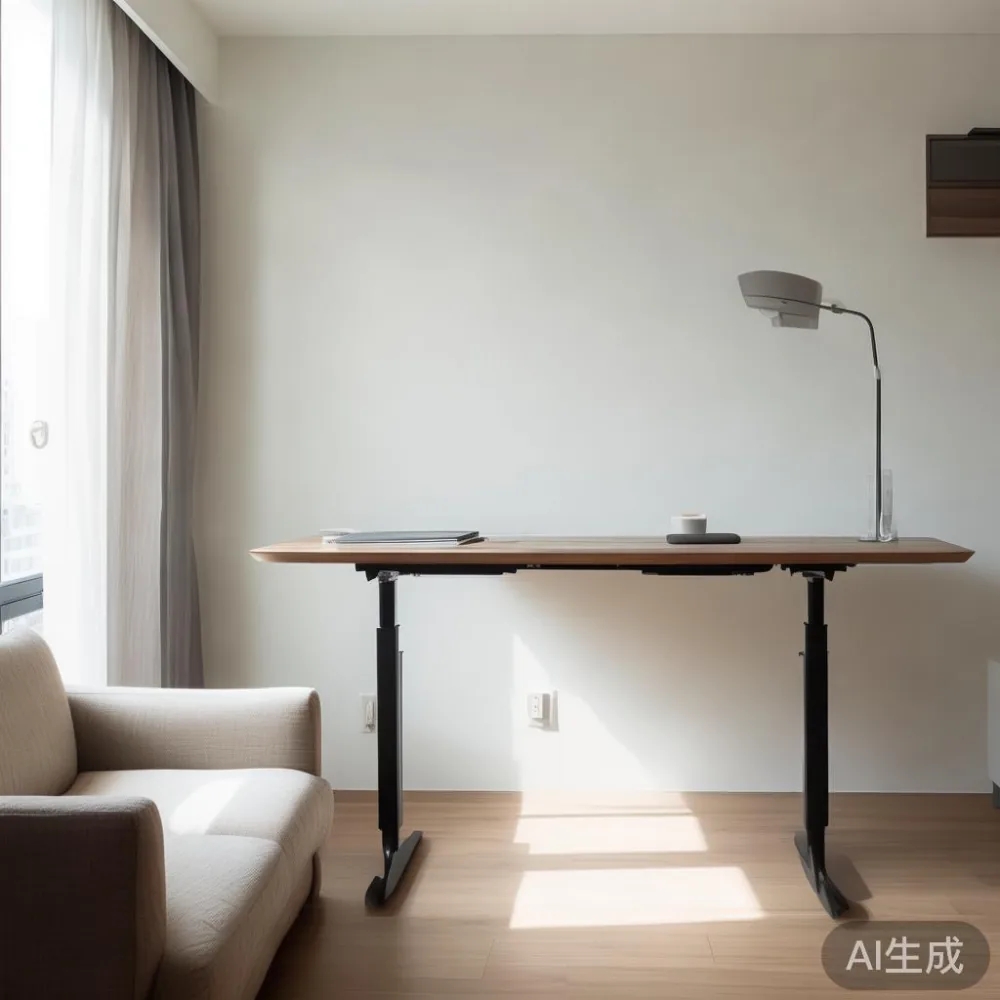
A standing desk is the most exposed solid wood piece in most Singapore homes, because it sits near an open window, a humidify-prone air-conditioner outlet, or a kitchen door that puffs steam during cooking. Before paying SGD 1,200 to SGD 2,600 for a 120 cm to 160 cm electric standing desk, check five physical details: the moisture content range printed on the spec, the bridge configuration across the motor housing, the underframe clearance for cable trays, the cable-tray clearance for power bricks, and the cable-tray gasket material. A well-built unit specifies 8% to 10% kiln moisture, uses a steel cross-brace of at least 2 mm wall thickness, keeps 4 cm to 6 cm underframe clearance for a cable tray, and seals the cable-tray grommet with closed-cell EPDM rather than open-cell foam.
Buyers searching for a nightstand or a marble table alongside the desk should apply the same five checks. Marble is dimensionally stable, but the wooden sub-frame beneath a 90 cm marble table top still moves 1 to 2 mm across the year, so look for slotted mounting holes that let the stone float slightly above the frame.
How should you acclimatise a standing desk in a Singapore condo?
Acclimatise a standing desk in a Singapore condo over 5 to 7 days, in three short steps. Day 1 to 2: keep the desk flat in its carton inside the bedroom or study, set the air-conditioner to 24°C, and aim for 55% to 60% RH with a SGD 25 hygrometer from any Tuas Link shop. Day 3 to 4: open the top and four sides of the carton, leave the foam corners in place, and slide the desk to its final spot. Day 5 to 7: assemble the legs, run the motor through five full lifts from 72 cm to 118 cm, and let the control unit learn its soft stops. Once the desktop stops ticking within an hour of movement, the wood has reached EMC and is safe for daily use.
During the same week, keep the standing desk at least 80 cm away from any window that faces east, because direct morning sun on Bukit Batok or Upper Thomson can push local surface temperatures past 38°C and shock the finish. A SGD 15 sheer curtain drops that surface reading by 6°C to 8°C and protects the lacquer.
What maintenance actually keeps one piece off the replacement cycle?
Maintenance that keeps one piece off the replacement cycle runs on a SGD 60 to SGD 120 annual budget and about 45 minutes per quarter. Wipe the desktop weekly with a damp microfibre cloth, never a wet one, and follow the grain. Every three months, massage a thin coat of beeswax or hard wax oil across the surface using a circular pad, then buff after 20 minutes. Every six months, tighten the eight bolts under the cross-brace with a 4 mm Allen key, because oak and ash compress slightly under load and a 1 mm gap at the bolt becomes a 3 mm wobble at the desktop. Every 12 months, run the motor to its highest point and listen for a grinding tone that signals dust in the lead screw; a 30-second spray of dry lubricant at the top and bottom of the column clears it.
MIDHILL backs its solid wood sofa, bed frame, dining table, wardrobe, and standing desk ranges with a 10-year structural warranty and lifetime refinishing support, so the quarterly wax routine is paired with a once-a-decade sand-and-reseal at the workshop. That service alone extends the working life of a 140 cm oak desk past 18 to 22 years, which is roughly twice the 9- to 11-year cycle that buyers in Tampines and Punggol usually see with flat-pack particleboard alternatives.
Which furniture category drifts most in 80% to 90% outdoor RH?
Door-front wardrobes drift most in 80% to 90% outdoor RH, because their panels run the full height of the carcass and cannot flex without binding the hinges. A 220 cm wardrobe door can pull 2 to 3 mm out of true over a single monsoon week, and once it does, the magnetic catches stop seating and the soft-close dampers feel uneven. The fix is also humidity control: keep the bedroom door closed during afternoon storms, run a dehumidifier set to 55% RH for 4 to 6 hours, and expect a SGD 12 to SGD 18 monthly uplift on the SP Group bill. A 12-litre desiccant unit pulls roughly 250 ml of water per day from a 14 m² room and pays for itself in saved wardrobe repairs within two years.
Where can Singapore buyers see these pieces before paying a deposit?
Singapore buyers can see these pieces at the MIDHILL showroom gallery, where a 32 m² mock HDB room displays a 140 cm standing desk, a 280 cm post-modern corner sofa, a 180 cm dining table with six Italian light luxury dining chairs, and a 200 cm four-door wardrobe under live RH readouts. Visitors get a 30-minute walkthrough, a printed spec card with moisture-content ranges, and a same-day quotation in SGD inclusive of the 9% GST. Delivery inside mainland Singapore runs SGD 80 to SGD 180 depending on the floor and lift access, with free shipping on orders above US$350 (about SGD 480) and a 14-day return window on unassembled stock.
Most Singapore orders leave Foshan on a Thursday vessel, clear Tuas checkpoint within 11 to 14 days, and reach a 4-room HDB in Bedok or a condo in Punggol another 2 to 4 days later. The total door-to-door window is 14 to 18 days, which lines up neatly with a 5- to 7-day home acclimatisation plan before the fitter arrives.
Final checklist before you sign the order form
Run through six quiet checks before you sign any furniture order form in Singapore. Confirm the moisture-content range on the spec card sits between 8% and 10%. Measure your lift opening, your corridor width, and your final doorway at the entrance. The lift opening should clear 0.9 m × 2.1 m, the corridor should clear 1.2 m, and the final doorway should clear 0.8 m. Set a SGD 25 hygrometer in the target room for 48 hours and log the RH; anything below 50% or above 75% means you need to balance the air before the lorry arrives. Ask the supplier to leave the carton unopened for 48 hours at your address before assembly. Confirm the warranty covers kiln-dried hardwood, not just the fasteners. Finally, confirm the warranty covers a re-finish at the workshop, because even a well-built solid wood piece appreciates a fresh coat of hard wax oil every 8 to 10 years.