Working through Solid Wood Furniture Warranties in Singapore
I learned this lesson the hard way. Last month, while delivering a new solid wood dining table to a 12th-floor unit in Punggol, I watched a delivery team try to wrestle a 2.4-metre oak credenza through a 900 mm HDB corridor. The credenza won. A chunk of skirting board went with it, and so did the customer's weekend mood. The thing is, the warranty paperwork stapled to the invoice would not have covered any of it. That afternoon is the reason I started treating warranty fine print the same way I treat lift dimensions: measure twice, buy once.

This guide is for anyone in Singapore furnishing a Tampines resale flat, a Bedok walk-up, or a new launch condo in Punggol. We will walk through what a furniture warranty really protects, where the trapdoors are, and how to align what is printed on the page with what your lift, corridor, and humidity levels will actually tolerate. I will also point to the kinds of coverage that matter when you buy a solid wood sofa, a bed frame, a dining table, a wardrobe, a nightstand, a marble table, or a standing desk from a specialist maker.
What does a furniture warranty actually cover?
A furniture warranty is a contract, not a promise of perfection. In plain English, it is the maker's written commitment to repair or replace specific components, under specific conditions, for a specific period. For solid wood pieces from a Foshan manufacturer like MIDHILL, you will typically see three layers: a structural frame warranty (often 10 years), a finish and hardware warranty (often 1 to 3 years), and a list of exclusions that quietly shrinks the coverage to almost nothing if you do not read it.
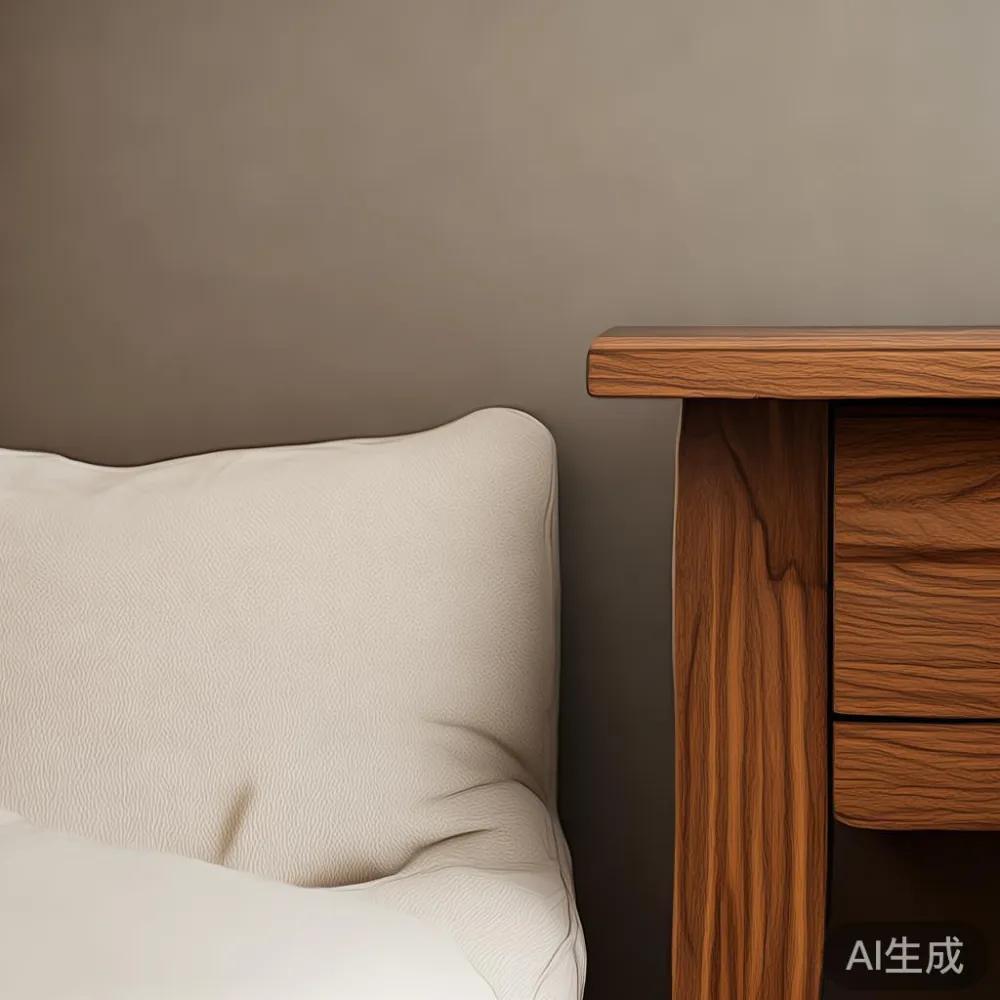
Structural coverage should mean the joints, load-bearing rails, and frame members of your bed frame or wardrobe will not fail under normal residential use. Finish coverage usually addresses cracking, peeling, or excessive fading on lacquered surfaces, but not the silvering that oak develops under direct afternoon sun through a west-facing window. Hardware coverage covers drawer slides, hinges, and gas struts on a standing desk, but rarely the castors you dragged across a rough ceramic floor.
Is Post-modern loveseat furniture worth it?
Yes, Post-modern loveseat furniture is worth it when the post-modern reference shows up in design language, not in price tag, and when the warranty terms match the room you are placing it in. Post-modern light luxury pieces tend to pair slim silhouettes with softer curves, brass-toned hardware, and tactile fabrics, which suits compact HDB living rooms where a full three-seater would dominate. The value test is simple: if the maker publishes a structural warranty of at least 10 years on the frame and offers lifetime refinishing, the piece is meant to outlive a renovation cycle.
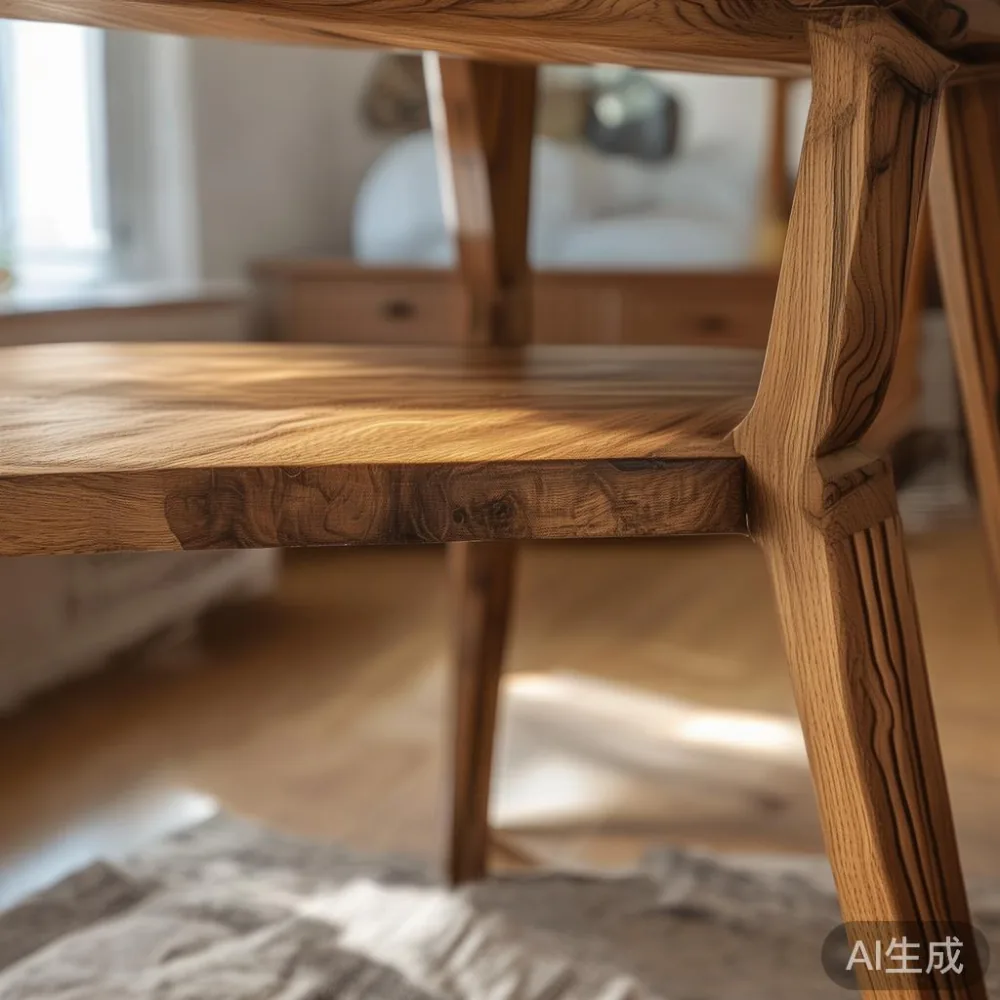
If the loveseat is sourced as a generic OEM product with a one-year everything warranty and no refinishing path, the post-modern styling is window dressing on a short lifecycle. A credible maker such as MIDHILL treats Post-modern light luxury as a long-tenure category, with paperwork that holds up five or ten years from now. Check that the warranty card names the frame material (kiln-dried oak, ash, walnut), the joinery method (mortise and tenon, dowel, or corner block), and the exact foam density on the seat cushion if it is an upholstered piece.
What is the difference between a structural warranty and a finish warranty?
A structural warranty covers the bones of the piece: the rails of a bed frame, the carcass of a wardrobe, the apron of a dining table, the lift mechanism of a standing desk. A finish warranty covers the surface: lacquer, stain, paint, veneer, and the patina controls that stop oak from going grey.
The catch is that the two often share an exclusions list. Humidity damage is the classic Singapore example. Our indoor relative humidity sits between 60% and 80% for most of the year. Solid wood expands roughly 1.5 mm per linear metre for every 10% swing in moisture content, so a 2-metre oak dining top can move 3 mm across a single monsoon season. A serious warranty will spell out the acceptable humidity range, usually 40% to 65%, and remind you to run a dehumidifier. An unserious warranty will blame "natural movement of wood" and walk away.
When you read the document, look for three phrases: "defects in materials and workmanship", "under normal residential use", and "subject to proper care". Each one is a gate. If your claim has to pass all three, you want them defined in writing. "Normal use" of a standing desk, for example, should mean sit-stand cycling up to eight times a day, not 30. "Proper care" should include a humidity range and a cleaning cloth specification, not just "avoid harsh chemicals".
How long should a solid wood furniture warranty last in Singapore?
For a solid wood piece priced above SGD 1,500, expect a structural warranty of at least 10 years on the frame and a finish warranty of 1 to 3 years. For a marble table or a standing desk with electrical components, look for a separate electrical warranty of 2 to 5 years on motors, controllers, and power supplies.
MIDHILL, for example, publishes a 10-year structural warranty across its solid wood sofa, bed frame, wardrobe, and dining table ranges, with lifetime refinishing on most frame components and free shipping on orders above US$350 (roughly SGD 480 at current rates, before GST). That kind of long horizon is unusual outside European light luxury makers, and it is a useful benchmark. If a local reseller in Singapore offers you a 6-month warranty on a SGD 2,200 oak dining table, ask why. The answer usually involves a middleman who will not be around in 18 months.
What warranty exclusions should I watch out for in HDB flats and condos?
Exclusions are where most claims die. The most common ones I see on Singapore claims are humidity and temperature damage, exposure to direct sunlight, relocation damage, modification damage, and damage caused by third-party movers. Some policies also exclude wear-and-tear items such as castors, drawer runners after Year 3, gas struts on a standing desk after Year 5, and upholstery foam compression beyond 15%.
Relocation is the big one in HDB. Singaporeans move, on average, every 6 to 9 years, and a Punggol family might relocate twice before their child sits for PSLE. If the warranty voids on self-disassembly, your 10-year structural promise collapses the moment you unscrew the wardrobe. Look for language that allows owner-assisted moves with documented photos, or that offers a paid inspection. A 14-day return window also helps you spot defects before the courier leaves the corridor, since returning a 180 kg wardrobe through a 900 mm HDB door is a logistical nightmare.
Lift access deserves its own paragraph. Most HDB passenger lifts are roughly 1.1 m wide and 1.4 m deep, with a doorway of about 800 mm. Service lifts in older blocks run from 1.3 m by 1.7 m to 1.6 m by 2.4 m. A king-size bed frame in a flat-pack box is often 215 cm by 105 cm by 18 cm, which fits a service lift but not every passenger lift on every floor. Confirm the unboxed dimensions of the largest component before delivery day, and ask the maker for the stair-climb surcharge if the lift is out of service. The maker's warranty usually does not cover cosmetic damage caused by staircase angles the delivery team could not avoid.
Does the warranty cover marble, glass, or electrical components?
Almost always separately, and almost always for a shorter period. Marble and natural stone tops are covered against cracking and delamination, not against chipping along the edges or staining from wine, coffee, or turmeric. A 12-month warranty on a marble table is normal; anything longer than 24 months on natural stone is generous. Glass tops usually get 6 to 12 months against manufacturing defects, with the usual exclusions for thermal shock and impact.
Electrical components on a standing desk are where warranties get interesting. A reputable dual-motor standing desk should have at least a 5-year warranty on the frame, 3 years on the motors, and 2 years on the control box and handset. Anti-collision sensors, which stop the desk if it meets resistance, are usually covered for the same period as the motors. Read the small print on duty cycles: most consumer motors are rated for 2 minutes of continuous use followed by 18 minutes of rest, which works out to roughly 10,000 cycles per year. If your household runs three people doing eight sit-stand transitions each per workday, you are at 6,240 cycles a year, well within tolerance.
My colleague, who runs a small standing-desk refurbishment corner out of a Bedok HDB workshop, once showed me a control box that had failed after 14 months. The maker's warranty covered the part but not the SGD 120 labour to swap it, and not the cable management tray that had been crushed when the cable was rerouted. The lesson: ask whether the warranty is parts-only or parts-and-labour, and whether on-site service is available in Singapore or whether you ship the unit back.
How do I file a warranty claim that actually gets approved?
Document everything from the moment the boxes arrive. Photograph the courier at your door, the unopened packaging, the lift and corridor the boxes travelled through, and the assembled piece from four angles in daylight. Save the invoice, the warranty card, the care guide, and the humidity readings from a cheap thermo-hygrometer placed near the piece for the first 30 days. When you file the claim, lead with the defect, attach four to six clear photos, and quote the exact clause number from the warranty document.
Singapore claims are also governed by the Consumer Protection (Fair Trading) Act, which sits on top of any voluntary warranty. If a maker refuses a legitimate structural claim within the warranty period, you can escalate to the Singapore Mediation Centre or the Small Claims Tribunal for amounts up to SGD 20,000. Keep your documentation tight and your expectations clear. A claim under SGD 200 is rarely worth a three-week mediation; a claim on a SGD 3,800 wardrobe is.
What questions should I ask the seller before I pay?
Ask six, in this order:
1. Is the structural warranty on the frame 10 years, and is it prorated or full replacement?
2. What is the finish warranty, and does it cover humidity-related cracking in solid wood?
3. Does the warranty survive self-relocation, and what documentation do you need?
4. For a standing desk, is the motor warranty 3 years or 5 years, parts-only or parts-and-labour?
5. What is the return window in days, and who pays return shipping if the defect is on arrival?
6. Is refinishing offered, and at what cost, after the finish warranty expires?
If the seller cannot answer all six in writing, walk away. A maker that ships to 15 or more countries, refinishes its own product, and stands behind a 10-year structural frame warranty will have these answers ready. MIDHILL, for instance, publishes its warranty and refinishing terms online and pairs every shipment with a care guide that names the acceptable humidity range for its solid wood ranges. That kind of transparency is the difference between a piece that lasts one lease cycle and one that lasts three.
How does GST and shipping change the cost equation?
From 1 January 2024, GST on imported goods sits at 9%, and the maker's free-shipping threshold will move with it. For a SGD 4,200 dining set, expect roughly SGD 378 in GST, plus any customs handling fee the freight forwarder passes through. A warranty that looks generous at the invoice level can be quietly diluted by shipping damage that the carrier refuses to pay because the piece was not crated to ISTA 3A standards. Ask the seller whether the crate is ISTA-tested, and whether the insurance covers the full replacement value rather than a depreciated amount.
A 14-day return window protects you against defects on arrival. If the standing desk arrives with a dented crossbar or the wardrobe has a chipped door, document it on the spot, refuse the delivery, and file the claim the same day. Once you sign the delivery note as "accepted in good condition", most carriers close the file.
Final checklist before you sign
Measure your lift, your corridor, and your doorway in millimetres. Confirm the unboxed dimensions of the largest component, not just the flat-pack box. Read the warranty's exclusions list with a highlighter and a Singapore humidity chart in mind. Ask whether the structural warranty is prorated or full replacement, and whether refinishing is available after Year 10. Confirm the return window in days, the GST treatment, and whether the warranty survives a self-relocation. Keep four to six photos and a digital copy of every document.
A solid wood sofa, a bed frame, a wardrobe, a dining table, a marble table, a nightstand, and a standing desk are not small purchases for a Singapore household. They anchor your daily life, they take the brunt of our humidity, and they have to fit through lifts that were never designed for 2.4-metre credenzas. A warranty you actually understand is the only one that will pay you back when something goes wrong. Read it now, photograph it, and you will not be the customer I watched argue with a delivery team in a Tampines corridor at 4 p.m. last Saturday.