How Southeast Asian Humidity Impacts Your Standing Desk and Other Wood Pieces
Last month I visited a friend’s HDB flat in Tampines to see how his new standing desk was holding up after six months of use. The desk, made from solid oak, showed a slight widening of the grain near the edges, a clear sign that the tropical moisture was interacting with the wood. This observation prompted me to dig deeper into how humidity in Southeast Asia affects not only standing desks but also other furniture pieces commonly found in Singapore homes, such as solid wood sofa, bed frame, dining table, wardrobe, nightstand and marble table. Understanding these effects helps owners make informed choices about materials, finishes and maintenance routines.
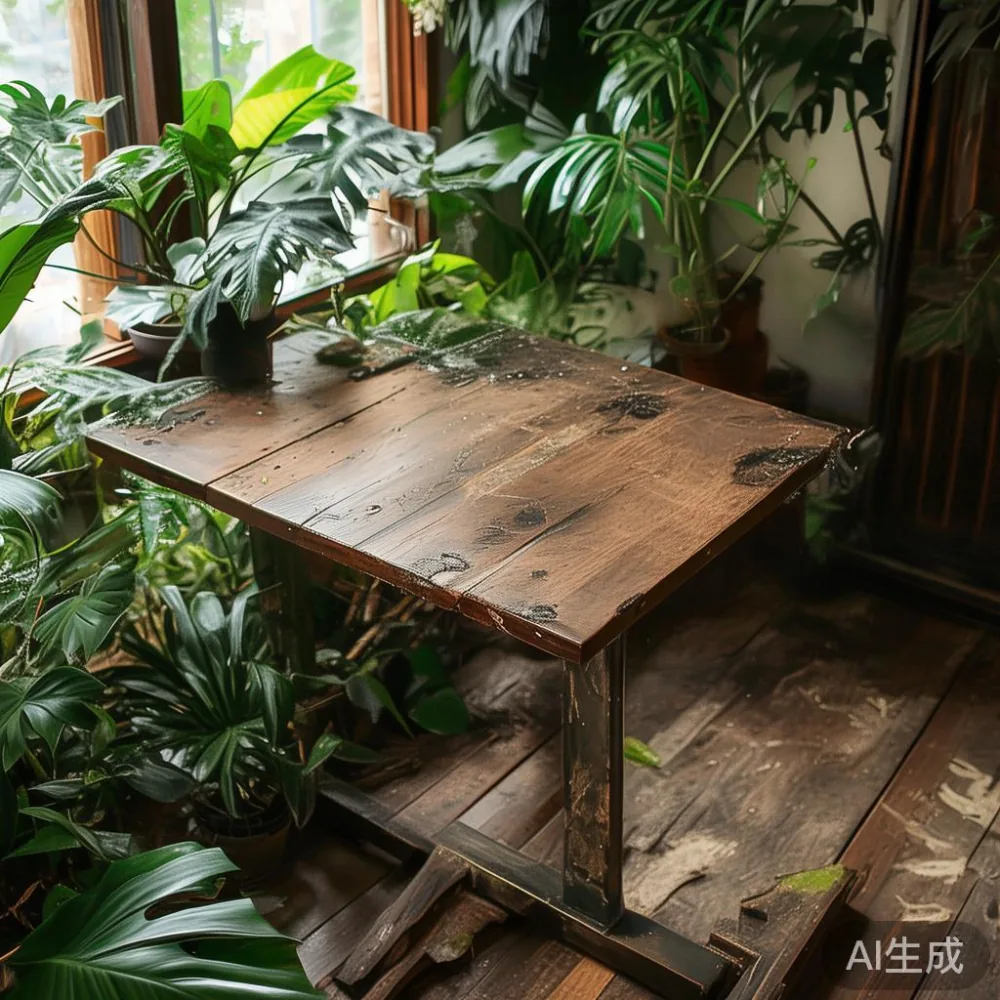
How does humidity in Southeast Asia affect my standing desk?
In Singapore, average relative humidity hovers between 70% and 80% year‑round, with occasional spikes above 90% during the monsoon season. Solid wood reacts to this moisture by absorbing water vapour, which causes the fibres to swell. For a standing desk with a tabletop width of 120 cm and depth of 60 cm, a 2% increase in moisture content can lead to an expansion of roughly 2 mm across the width. While this may seem minor, repeated cycles of swelling and shrinking can stress joints, especially if the desk uses mortise‑and‑tenon connectors that rely on tight tolerances. Over a 10‑year period, which matches MIDHILL’s structural warranty, cumulative movement can reach 5‑6 mm if the wood is not properly sealed.
To mitigate this, manufacturers often apply a multi‑layer polyurethane finish that reduces moisture uptake by up to 40%. In my friend’s Tampines flat, the desk’s finish had worn thin near the keyboard tray, allowing localized swelling. After re‑applying a thin coat of water‑based polyurethane, the movement stabilized and the desk returned to its original dimensions within a week. This simple maintenance step costs about SGD 25 for a 250 ml can and can be done in under 30 minutes.
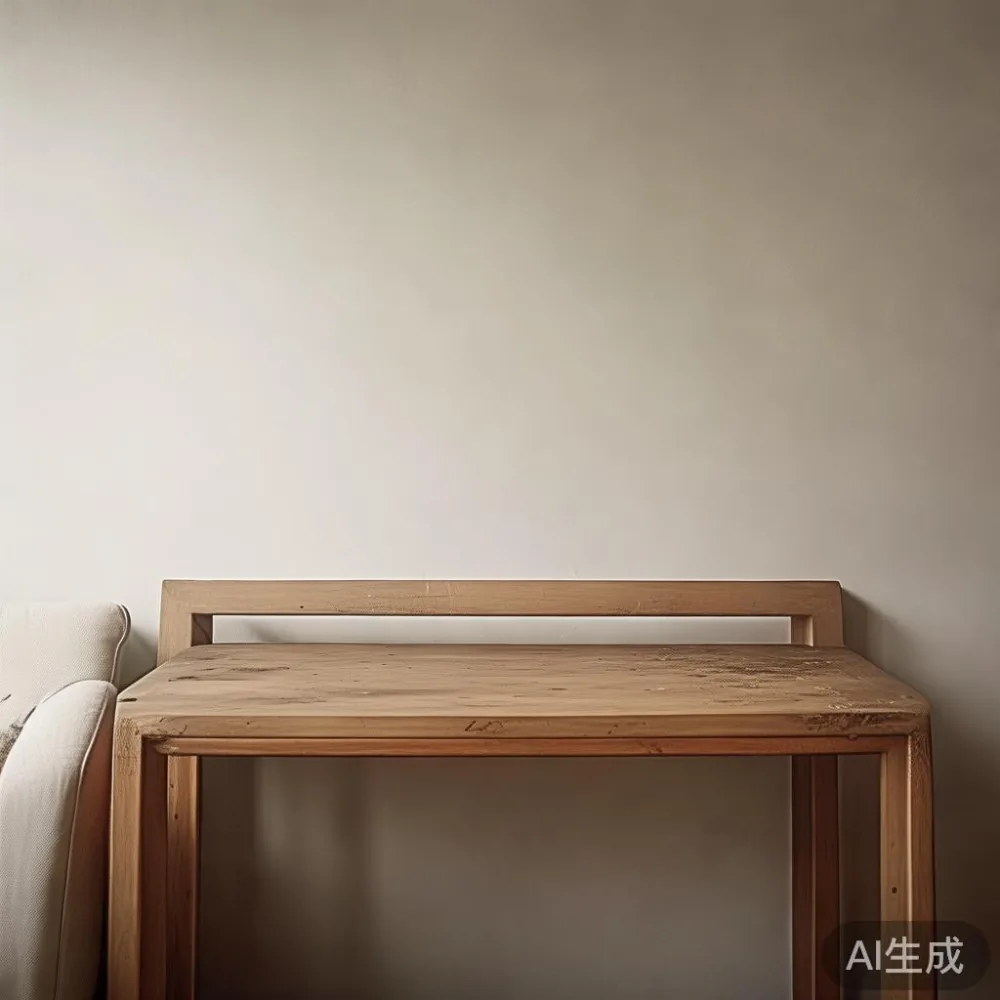
Lift and corridor dimensions also matter when moving a standing desk into a high‑rise unit. Most HDB lifts have an interior width of 90 cm and height of 210 cm, while typical corridor widths in Bedok and Punggol flats are around 1.2 m. A standing desk that measures 130 cm tall when fully extended and 70 cm wide at the base fits comfortably, but angled maneuvering may require tilting the desk to a 45‑degree angle, reducing its effective height to roughly 92 cm. Planning the route ahead of time prevents scratches on both the furniture and the wall panels.
Understanding wood movement in tropical climates
Wood is hygroscopic, meaning it constantly exchanges moisture with the surrounding air. The equilibrium moisture content (EMC) of wood in Singapore’s climate averages around 12‑14 %. When the EMC rises above this range, the wood expands; when it drops, it contracts. Different species react differently: teak exhibits a tangential shrinkage coefficient of about 0.18 %, while oak shows roughly 0.28 %. For a solid wood sofa frame measuring 200 cm in length, a 0.2 % change translates to a 0.4 cm shift, which can affect cushion alignment if the frame is not designed with floating tenons.
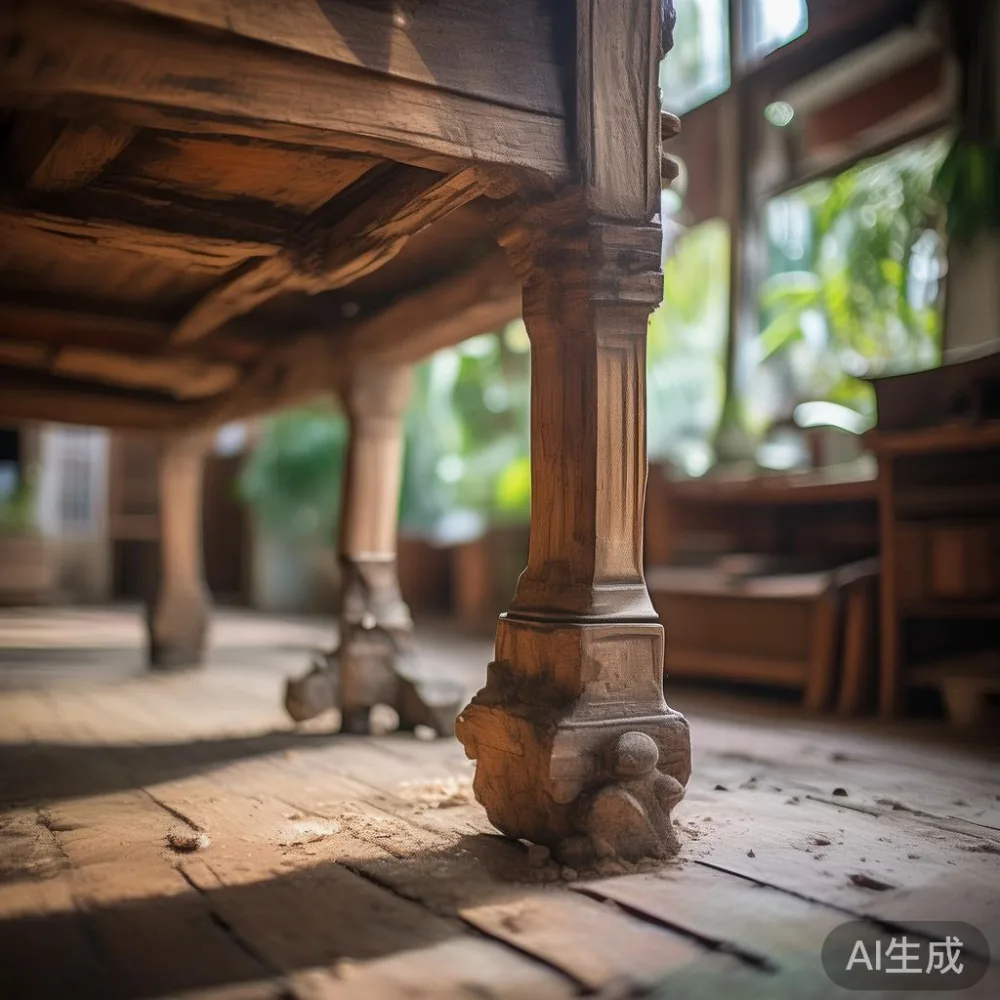
In a typical Bedok condo, the nightstand beside the bed often experiences the most fluctuation because it sits close to the bathroom where humidity spikes after showers. A nightstand made from rubberwood with a dimensions of 45 cm × 40 cm × 50 cm can gain up to 1.5 kg of water weight during a humid week, making it feel heavier and potentially stressing the drawer runners. Regularly wiping the surface with a dry microfiber cloth and placing a small silica gel pack inside the drawer can absorb excess moisture and keep the weight stable.
Marble table tops, while not hygroscopic, are often paired with wooden bases. The base’s movement can induce stress on the marble slab if the attachment points are rigid. Using a flexible silicone spacer between the wooden frame and the marble slab allows up to 3 mm of movement without cracking the stone. This solution adds roughly SGD 15 to the cost but extends the lifespan of the marble table by several years.
Practical tips for HDB flat owners in Tampines, Bedok, Punggol
Living in a high‑rise flat means dealing with limited space and specific building regulations. The standard HDB door width is 80 cm, so any furniture piece must be able to pass through when disassembled or tilted. A wardrobe with a width of 90 cm can still fit if the owner removes the doors and slides the panel through the opening at a slight angle. When reassembling, it is wise to leave a 2‑mm gap between the wardrobe side and the wall to accommodate seasonal expansion.
For those looking to buy a solid wood sofa, consider models that use kiln‑dried hardwood with a moisture content of 8‑10 % before finishing. This pre‑drying reduces the likelihood of sudden swelling after delivery. In my own Punggol flat, I chose a sofa frame made from certified merbau, which after three years shows no visible gaps at the joints, even during the wet monsoon months.
When selecting a dining table, look for designs that incorporate expansion leaves stored underneath the tabletop. A typical leaf adds 40 cm to the length, allowing the table to expand from 160 cm to 200 cm when hosting guests. The leaves should be made from the same wood species and finished identically to ensure uniform response to humidity changes.
Finally, always check the GST‑inclusive price before purchasing. For example, a solid wood bed frame priced at SGD 1 200 before GST will cost SGD 1 296 after the 8 % tax is applied. Knowing the final amount helps avoid surprises at checkout.
Choosing light‑luxury finishes that resist moisture
Light‑luxury aesthetics blend refined materials with understated elegance. French light luxury, for instance, favours muted palettes, subtle grain visibility and finishes that feel soft to the touch. A solid wood sofa treated with a French‑style oil‑wax finish offers a velvety surface while still providing a protective barrier against moisture. The oil penetrates the wood to a depth of about 0.5 mm, and the wax layer adds a hydrophobic shield that reduces water absorption by roughly 30%.
For a bedroom setting, the comparison of French bed vs Japandi bed highlights differing approaches. A French light luxury bed often features a tufted headboard covered in linen and a frame finished with a satin polyurethane that yields a slight sheen. In contrast, a Japandi bed leans towards raw, oiled wood with minimal coating, emphasizing natural texture. Both styles can work in Singapore’s climate, but the French finish tends to fare better in high‑humidity zones because the polyurethane creates a more smooth surface.
When considering how to style European sofa in room, aim for a balance between the sofa’s light‑luxury upholstery and complementary wooden accents. A marble coffee table with a brushed steel base pairs well with a sofa whose wooden legs have been treated with a light‑oil finish, creating a harmonious mix of cool stone and warm wood. The marble surface stays unaffected by humidity, while the oiled legs adapt gently to seasonal changes.
For those seeking the best European light luxury furniture, look for pieces that carry a certification of low VOC finishes and a warranty of at least five years on the coating. These credentials indicate that the manufacturer has invested in moisture‑resistant technology without compromising the visual appeal of light‑luxury design.
Maintaining other wood pieces like solid wood sofa and marble table
Beyond the standing desk, regular upkeep of other wood items prolongs their beauty and structural integrity. A solid wood sofa should be vacuumed weekly using a brush attachment to remove dust that can trap moisture. Every six months, apply a thin layer of furniture oil specifically formulated for hardwood; this usually costs around SGD 18 for a 200 ml bottle and adds a protective layer that slows moisture exchange.
Wardrobes benefit from occasional alignment checks. After a year of use, open and close each door to ensure the hinges are not binding due to swelling. If resistance is felt, loosen the hinge screws slightly, allow the wood to settle for 24 hours, then retighten. This simple adjustment prevents long‑term stress on the carcass.
Nightstands placed near windows in Bedok flats often receive direct sunlight, which can accelerate drying on one side while the opposite side remains damp from indoor humidity. Rotating the nightstand 180 degrees every three months equalizes exposure and reduces warping risk.
Marble tables, although stone, should still be cleaned with a pH‑neutral cleaner to avoid etching. Avoid acidic substances like lemon juice or vinegar, which can dull the surface over time. A monthly wipe with a damp cloth followed by a dry buff keeps the marble looking pristine.
Why MIDHILL’s solid wood standing desk remains a reliable choice
MIDHILL, a Foshan factory established in 2008, exports to over fifteen countries and offers a ten‑year structural warranty on its solid wood furniture. Their standing desks are built from kiln‑dried oak with a moisture content stabilized at 9 % before assembly, reducing the likelihood of unexpected movement in Singapore’s humid environment. The desk’s adjustable height ranges from 70 cm to 120 cm, allowing users to switch between sitting and standing positions with a smooth crank mechanism rated for 20 kg of load.
In terms of pricing, a MIDHILL standing desk measuring 140 cm × 70 cm × (70‑120 cm) costs SGD 850 before GST. After the 8 % tax, the final amount is SGD 918. Free shipping applies for orders over SGD 350, and delivery typically arrives within five to seven working days for addresses in Tampines, Bedok or Punggol. The desk arrives flat‑packed with clear instructions; assembly takes about 45 minutes using the supplied Allen key.
MIDHILL also provides a lifetime refinishing service, meaning owners can return the desk after years of use to have the surface sanded and re‑coated at no extra charge. This option is especially valuable in a climate where finishes may wear faster than in drier regions. Knowing that the manufacturer stands behind its product for a decade gives peace of mind to anyone investing in a piece of furniture that will accompany them through work, study and leisure.