The Art of Styling Small Apartments in Singapore Without Feeling Crowded
Living in a Singaporean apartment, whether a 4-room HDB flat in Tampines or a compact condo in Punggol, presents a unique design challenge: creating a space that feels open, airy, and luxurious, all within a footprint that can be as small as 50 square meters. The narrow corridors, standard lift widths, and the need for multi-functional furniture demand a thoughtful approach. The goal is not just to fit everything in, but to curate an environment that breathes. This means being strategic about every piece you choose, from the dining table to the wardrobe, and understanding how to use light, colour, and form to create an illusion of space. For many, this involves embracing a light-luxury aesthetic—a style that focuses on clean lines, high-quality materials, and an uncluttered feel, avoiding the heavy ornamentation of traditional luxury. It’s about creating a sanctuary that feels both expansive and intimately personal.
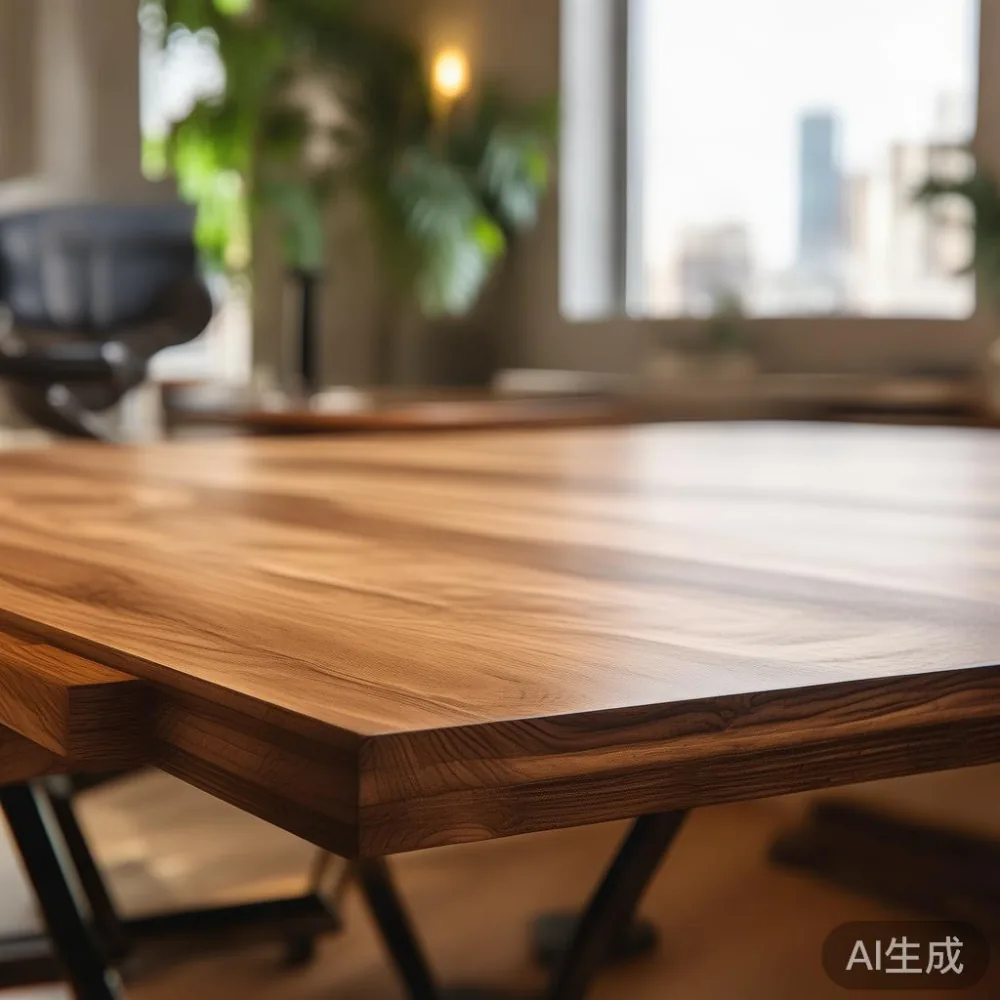
Why Light Luxury is the Perfect Fit for Singapore's Apartments
The light luxury movement, whether interpreted through a French, American, or post-modern lens, aligns perfectly with the spatial constraints and modern aspirations of Singaporean homeowners. French light luxury, for instance, emphasizes elegant proportions, subtle curves, and a sense of understated grace. It avoids bulky, imposing pieces in favour of designs that have a visual lightness, making them ideal for smaller rooms. An American light luxury approach might incorporate warmer woods and a more relaxed, but still sophisticated, feel. Post-modern light luxury, on the other hand, plays with geometric shapes and a mix of materials, creating a dynamic and contemporary space. The common thread is a focus on quality over quantity. Instead of filling a room with many small, inexpensive items, a light-luxury approach selects fewer, well-crafted pieces. A single, beautifully made solid wood sofa can anchor a living area far more effectively than a cluttered arrangement of several smaller sofas. This philosophy extends to all furniture, from the dining table to the nightstand, ensuring each item contributes to a harmonious, uncluttered whole.
Choosing Furniture That Works Harder for You
In a space where every square centimeter counts, furniture must pull double, or even triple, duty. This is where clever design choices become paramount. For the bedroom, a bed frame with integrated storage drawers can eliminate the need for a bulky bedside cabinet. A wardrobe with clever internal organizers, like pull-out trouser hangers and shoe racks, maximizes vertical space and reduces the need for freestanding storage units. In the living area, consider a dining table that can extend to accommodate guests but folds down to a compact size for daily use. A coffee table with a lift-up top can transform into a dining or work surface, serving as a versatile hub for the room. The key is to look for furniture that offers hidden storage or multi-functionality. A nightstand with a drawer and an open shelf can hold books, a lamp, and a phone, keeping the surface clear. When selecting a wardrobe, think about its depth and internal layout; a well-designed wardrobe can store a surprising amount of clothing without protruding too far into the room, which is especially important in the narrow corridors of many HDB flats.
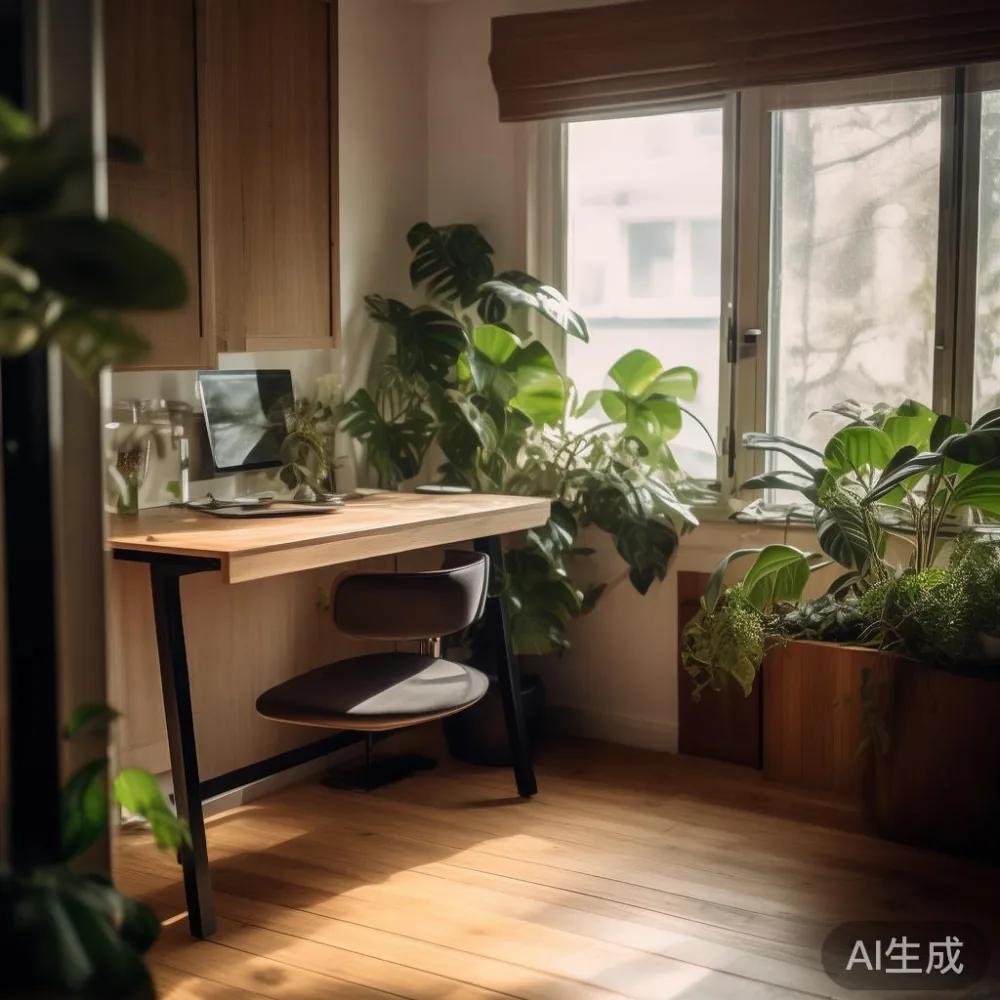
How to Create a Sense of Vertical Space
One of the most effective ways to make a small room feel larger is to draw the eye upwards. Our eyes are naturally drawn to the highest point in a room, so emphasizing the vertical dimension can create a powerful illusion of height. Start with curtains. Install curtain rods that hang close to the ceiling, about 20-30 cm from the ceiling line, and let them fall all the way to the floor. This simple trick visually stretches the walls, making the ceiling appear higher. Bookshelves that extend from the floor to the ceiling create a dramatic, library-like effect and provide ample storage without consuming floor space. When arranging furniture, avoid pushing all pieces against the walls. In a living room, pulling the sofa a few inches away from the wall can create a more intimate and dynamic arrangement. It also allows for a console table or a narrow side table behind it, adding functionality without cluttering the main walkway. For a standing desk in a home office, positioning it against a wall with open space in front creates a sense of depth. The use of tall, slender plants in floor vases can also add a vertical element, drawing the eye upwards and adding a touch of nature without taking up much floor area.
What is the Right Colour Palette for a Small Singaporean Apartment?
Colour is a powerful tool in the small-space designer’s arsenal. The most common advice is to paint the walls white or a very light, neutral colour. This is not without reason. Light colours reflect more light, making a room feel brighter and more open. However, an all-white space can sometimes feel sterile or cold. A more sophisticated approach is to use a monochromatic or near-monochromatic palette. Choose a base colour, like a soft greige, taupe, or pale blue, and use various shades and tints of that colour throughout the room. This creates a cohesive and calming environment that feels expansive without being boring. You can introduce darker colours, but do so strategically. A dark, solid wood dining table can act as a stunning anchor in a room with light-coloured walls. Similarly, a deep blue or charcoal accent wall behind a sofa or bed can create a focal point and add depth. The key is balance. If your walls are light, your larger furniture pieces can be darker, and vice versa. For example, a light-coloured European sofa vs Japandi sofa debate in a small room might be settled by choosing the one that provides the right contrast with your wall colour to create visual interest without overwhelming the space.
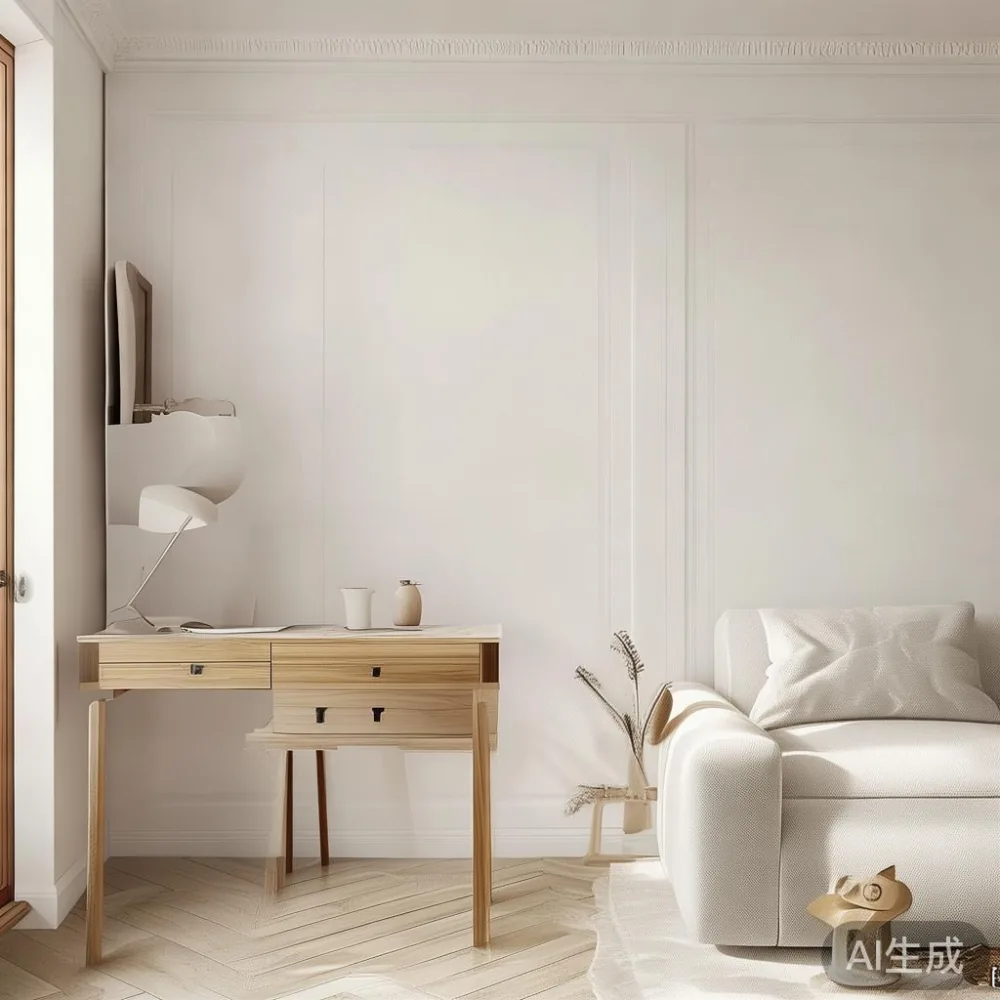
Strategic Lighting: The Unsung Hero of Small Spaces
Good lighting can transform a cramped room into a welcoming, multi-functional space. Relying on a single, harsh overhead light is a common mistake that can cast unflattering shadows and make a room feel smaller. A layered lighting approach is important. Start with ambient lighting, which provides general illumination. This could be a flush-mount ceiling light or a stylish, semi-flush light in the living room. Next, add task lighting for specific activities. This might be a focused desk lamp for a standing desk, a reading lamp on a nightstand, or under-cabinet lighting in the kitchenette. Finally, incorporate accent lighting to add warmth and highlight architectural features or favourite pieces of furniture. A floor lamp with an uplight can wash a wall with light, making the room feel taller. A small, elegant table lamp on a console table can create a cozy glow. Don't forget natural light. Keep window treatments minimal to allow as much sunlight as possible to flood the room. The quality of light affects how we perceive colour and texture, so investing in good light fixtures—whether a sleek, minimalist floor lamp or a sculptural table lamp—is an investment in the perceived size and feel of your home.
How to Style a Light Luxury Wardrobe in Room?
p>The wardrobe is often the largest piece of furniture in a bedroom, making its placement and design critical to the room's feel. When figuring out how to style light luxury wardrobe in room, the focus should be on creating an integrated, built-in look rather than treating it as a standalone object. One effective strategy is to have the wardrobe custom-made to fit the exact dimensions of a wall. This creates a clean, smooth line that makes the room feel more cohesive. If a custom wardrobe is not an option, select a freestanding wardrobe with a finish and hardware that complements the rest of the room. For instance, a wardrobe with a matte white or light wood finish will blend into a light-coloured room better than a dark, glossy one. The internal organization is just as important as the external appearance. A well-organized wardrobe reduces visual clutter because you can find what you need instantly, preventing clothes from piling up on chairs or the floor. Consider features like pull-out accessories for shoes and accessories, and adjustable shelves to accommodate different types of clothing. The goal is for the wardrobe to be a quiet, functional part of the room's design, not a bulky, dominating presence. This approach ensures that even the largest piece of furniture contributes to a sense of calm and order.
Incorporating Statement Pieces Without the Clutter
A common fear when styling a small space is that adding a statement piece will make it feel crowded. However, the opposite can be true. A single, well-chosen statement piece can act as a focal point, drawing the eye and creating a sense of curated design. The key is to choose one or two impactful items rather than several smaller ones. This could be a stunning marble table used as a side table or a console. The veining and texture of the marble add a touch of luxury and visual interest that a simple wooden table cannot match. Another option is a light luxury accent chair in a bold colour or an interesting shape. Placing this chair in a corner or next to a window creates a perfect reading nook and adds a pop of personality. An Italian light luxury dressing table, with its elegant lines and perhaps a polished marble top, can serve as both a functional piece and a beautiful vanity. The trick is to balance the statement piece with plenty of negative space around it. If you have a bold marble table, keep the surrounding walls and other furniture simple and neutral. This allows the statement piece to shine without overwhelming the room. Remember, the impact comes from contrast and isolation, not from filling every available surface.
Real-Life Experience: A Tampines HDB Flat Transformation
Last month, I visited the home of a colleague who recently completed a full renovation of her 4-room HDB flat in Tampines. Her challenge was classic: a combined living and dining area of just 25 square meters that needed to function as a space for entertaining, family relaxation, and a home office for her husband. She had chosen a post-modern light luxury style, and the results were a masterclass in small-space design. Her living room featured a low-profile, L-shaped solid wood sofa in a warm oak finish. It was not bulky, and its modular design allowed her to configure it to fit the room's layout perfectly. Opposite the sofa, instead of a large TV console, she installed a sleek, wall-mounted unit with hidden storage for the TV box and media. Her dining table was a extendable marble table that seats four but can be made smaller for daily use. The chairs were not bulky armchairs but slim, upholstered dining chairs, which took up less visual space. For the home office, she had a standing desk against one wall, with a simple, elegant bookshelf beside it. The walls were painted a soft, warm grey, and the lighting was layered with a central pendant light, two table lamps on the console, and a floor lamp in the corner. The entire space felt open, calm, and incredibly stylish, proving that with the right choices, a small apartment can feel both expansive and luxurious.
Investing in Quality: A Long-Term View
When space is limited, every piece of furniture must earn its place. This often means investing in higher-quality items that will last for years, rather than replacing cheaper, less durable pieces frequently. A solid wood dining table, for example, is an investment that can serve your family for decades. It can be sanded and refinished if it gets scratched, adapting to your changing style. Similarly, a well-made bed frame or wardrobe is built to last. While the initial cost might be higher, the longevity and timeless appeal of quality furniture mean you won't have to deal with the hassle and expense of replacing it in a few years. For those looking for the best European light luxury wardrobe for 2026, brands like MIDHILL European light luxury wardrobe focus on craftsmanship and sustainable materials, ensuring their pieces are not just beautiful but also built to endure. This long-term perspective also extends to other aspects of your home. A good mattress, quality bedding, and durable window treatments are all part of creating a comfortable and lasting environment. In the context of Singapore, where GST is factored into the price of goods, this investment approach makes even more sense, as you are paying tax on a purchase you intend to keep for a very long time, rather than on disposable items that will be thrown away.
Final Thoughts on Curating Your Compact Home
Styling a small apartment in Singapore is less about having more space and more about using the space you have with greater intelligence and intention. It’s a process of editing, choosing quality over quantity, and being strategic about colour, lighting, and furniture placement. Embracing a light-luxury aesthetic provides a perfect framework for this, offering designs that are both beautiful and spatially efficient. From the way you hang your curtains to the type of standing desk you select, every decision contributes to the final atmosphere. The result is a home that doesn't just accommodate your life but enhances it—a sanctuary that feels open, sophisticated, and deeply personal, no matter its size. For inspiration and to explore collections that embody this philosophy, you can visit www.midhill.co. The journey to a beautifully styled, uncluttered home is a rewarding one, transforming a simple living space into a true reflection of your style and a place you love to come home to.