Standing Desk Styling for Compact Singapore Homes
Living in a 65 sqm HDB flat in Tampines or a 50 sqm one-bedroom in Punggol means every centimetre matters. The corridor outside your unit is probably 1.2 m wide, the lift interior is roughly 1.1 m by 1.4 m, and the service lift on Sundays is the difference between getting a dining table up the building or leaving it in the delivery van. I learned this the hard way last month when I visited my colleague's new 4-room BTO in Bedok North. She had ordered a gorgeous 2.4 m American oak dining table online, and it took three of us, a trolly, and a 90-minute wait for the cargo lift to wrestle it through the door. The piece was beautiful. The room felt instantly smaller. Two weeks later she swapped it for a 1.6 m solid wood extendable version from MIDHILL, and the dining area went from cramped to breathable almost overnight.
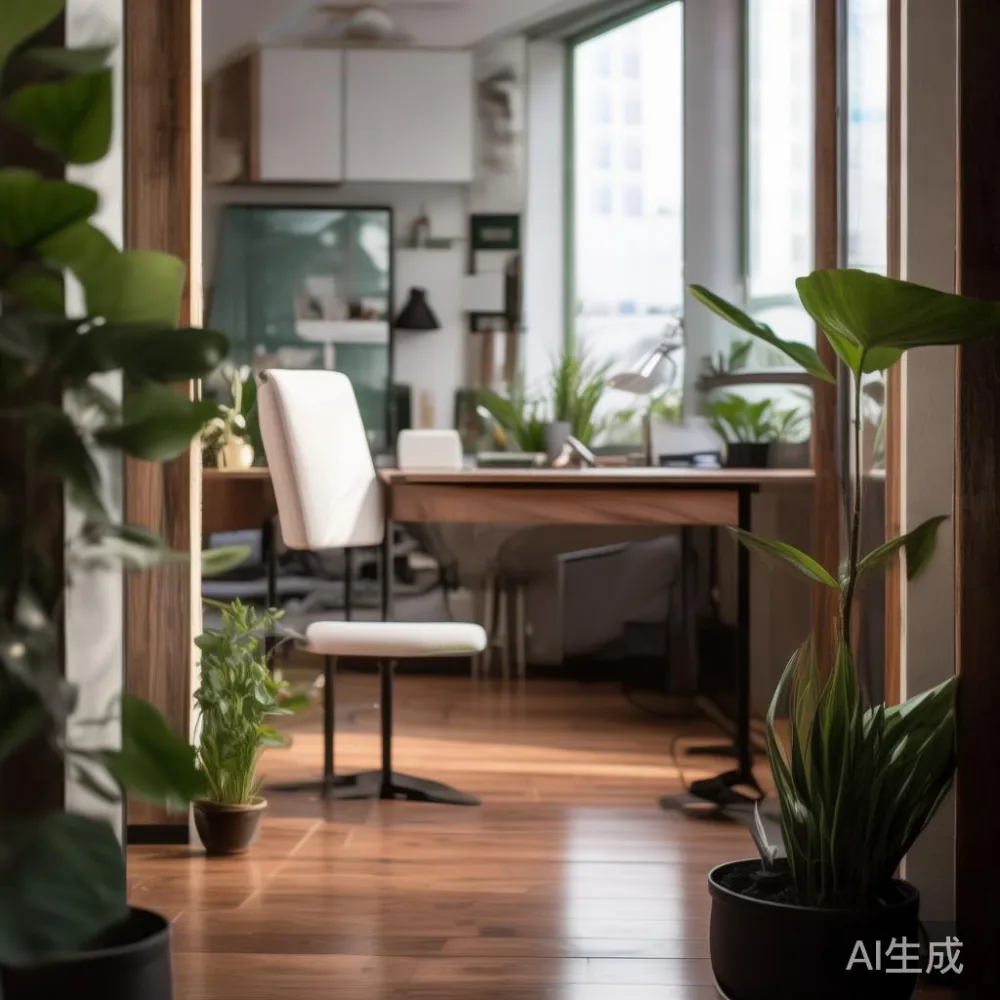
Small apartments do not require sacrificing style. They require discipline: choosing pieces that earn their footprint, materials that age well in Singapore's 80 percent humidity, and a few visual tricks that make 45 sqm read like 55. The standing desk is the unexpected hero in all of this, because it gives a working surface a footprint of 60 cm by 120 cm when standing and disappears completely when folded. Pair that with the right bed frame, wardrobe, nightstand, and one statement piece, and you have a room that breathes.
What does a properly sized standing desk actually look like in a 45 sqm condo?
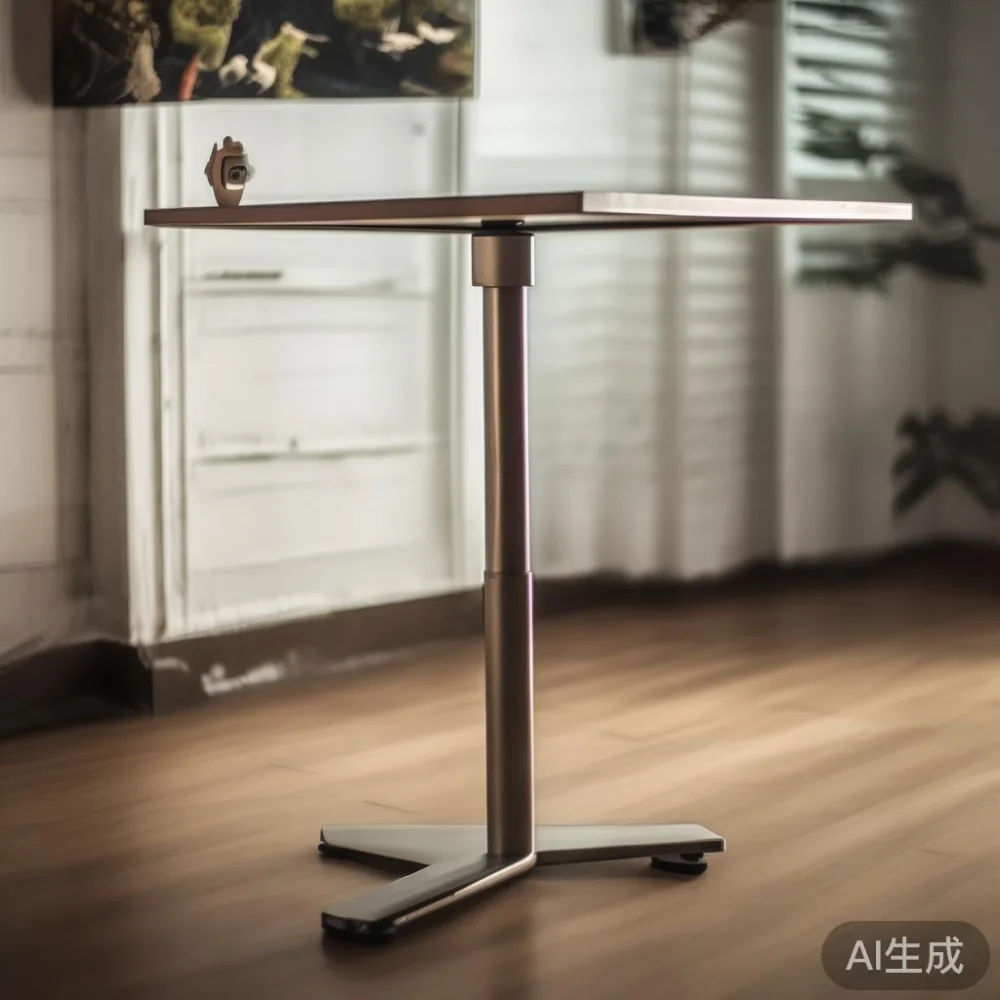
The standard mistake I see every week in Punggol show flats is people buying a 1.8 m fixed desk because the catalogue looked "executive." In a small apartment, a standing desk between 120 cm and 150 cm wide, 60 cm deep, is the sweet spot. The motorised column adds about 8 cm to the rear, but when collapsed the entire unit fits under a window sill that is usually 90 cm from the floor. Pair it with a 55 cm wide solid wood monitor shelf and you have a workstation that fits two people during the day and folds away for dinner.
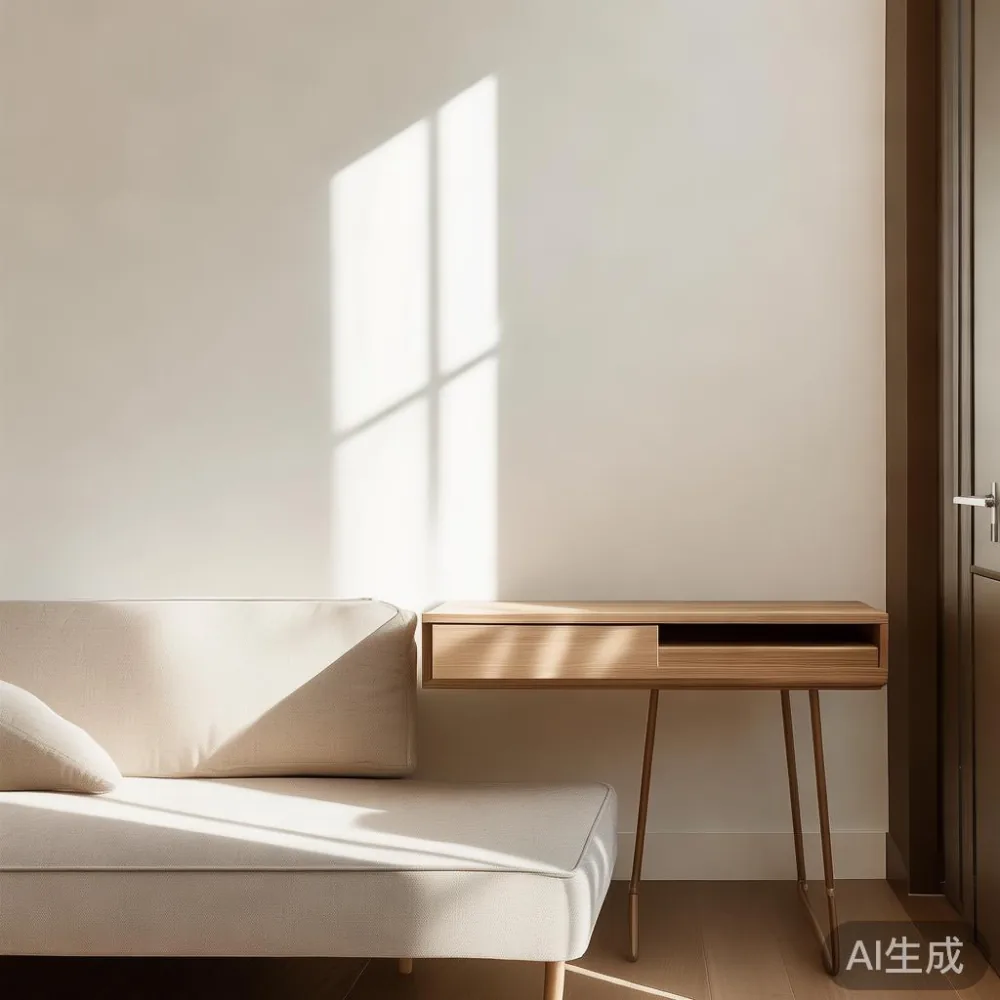
Mid-century modern accent chair options work surprisingly well here because their tapered wooden legs read lighter visually than a four-square office chair. The trick is to pick a chair with a seat height around 43 cm so it slides fully under the desk when the standing desk is lowered, leaving the floor completely clear. This single move recovered almost 1.2 sqm of usable space in my colleague's Bedok living room, and she now uses that area for morning stretches before logging on.
How do you choose a bed frame and wardrobe that do not swallow the room?
For a 3-room HDB or 1-bedroom condo, the bed frame should not exceed a king (180 cm by 190 cm). A queen at 152 cm by 190 cm leaves 60 cm of walking space on at least one side, which is the minimum for changing sheets without bumping the nightstand. Lift-up storage bed frames have improved dramatically since 2021, and the newer gas-lift versions from manufacturers such as MIDHILL give you the equivalent of a 1.2 m by 1.9 m wardrobe underneath without eating any extra floor space. That single storage cavity is often the difference between needing a four-door wardrobe and a two-door sliding one.
The wardrobe itself should sit on the wall opposite the window, not behind the door, because HDB doors typically open inward over a 90-degree arc that consumes roughly 1 sqm of floor plate. Sliding doors save another 35 cm to 45 cm of clearance compared to hinged doors, which matters when you are squeezing past it on the way to the bathroom at 6:45 am.
For the bed, the question of how to choose European light luxury bed comes down to three measurable things: slat spacing (ideally under 5 cm for pocket-spring mattresses), headboard height (under 110 cm if your ceiling is 2.6 m, otherwise the room feels top-heavy), and finish tone. In Singapore's natural light, a warm honey oak or a smoked walnut reads more relaxed than a stark black ash. The comparison of light luxury bed vs French provincial bed often comes down to this: French provincial leans on carved scrollwork and curved cabriole legs that visually weigh the room down, while European light luxury uses straight lines, low profiles, and a single marble or brass accent at the headboard to carry the same sense of luxury with about 40 percent less visual mass.
Where does a small apartment actually need furniture, and where is it wasted?
After walking through maybe 30 small apartments across Tampines, Bedok, and Punggol over the past two years, I have settled on a shortlist of pieces that pull their weight. A solid wood sofa between 180 cm and 220 cm, with a seat depth of 55 cm to 58 cm, is the right anchor for a living room of 12 sqm to 15 sqm. Anything deeper becomes a bed you never quite lie on. A marble table, whether a coffee table or a side table, should sit at 35 cm to 40 cm height so it does not block the line of sight to the window from the entrance. Dining tables under 1.6 m seat four comfortably, 1.4 m seats four tight but real, and anything over 1.8 m starts demanding the kind of clearance (90 cm behind every chair) that small HDB dining nooks simply do not have.
The pieces to skip are console tables behind the sofa (they collect parcels and nothing else in a small flat), coffee tables over 120 cm long (they eat the only stretch of floor where a child can actually play), and bookshelves wider than 80 cm unless they double as a room divider. The nightstand deserves a moment too: anything wider than 50 cm blocks access to the wardrobe door in a typical 3.2 m by 3.6 m bedroom. Two small 40 cm by 40 cm cubes, or a single 45 cm wide drawer unit, does the job without crowding the bedside.
How much should you actually budget for a small-apartment furniture set in Singapore?
Real numbers for 2025, before the 9 percent GST and delivery, based on what I have seen quoted to friends and family across the East region:
- Standing desk (motorised, 120 cm to 150 cm): SGD 650 to SGD 1,200
- Solid wood bed frame (queen, with storage lift): SGD 1,400 to SGD 2,600
- Wardrobe (2-door sliding, 180 cm tall): SGD 1,100 to SGD 2,000
- Nightstand (pair): SGD 380 to SGD 700
- Dining table (1.4 m to 1.6 m solid wood): SGD 900 to SGD 1,800
- Solid wood sofa (3-seater): SGD 2,200 to SGD 4,500
- Marble coffee or side table: SGD 450 to SGD 1,100
That lands the full set somewhere between SGD 7,000 and SGD 14,000 before GST. Foshan-made pieces, including the light luxury American and French lines now stocked by MIDHILL, sit comfortably in the lower half of that range without the same-engineered shortcuts common in mass-market flat-pack imports. Anyone shopping under 2000 French furniture for a single accent piece will find the dining chair and marble side table categories the most accessible entry points.
The conversation around European sofa vs Mid-century modern sofa usually lands on the same trade-off every small-space dweller faces: European silhouettes tend to have higher backs (88 cm to 95 cm) and slightly firmer cushions, which feel formal and supportive; Mid-century modern sofas drop to 78 cm to 82 cm back heights with softer cushions and exposed tapered wooden legs, which read lighter and lift the room visually. For a small apartment, the Mid-century form usually wins by a clear margin. Whether a is Mid-century modern sofa worth it in the long run depends on the frame. Solid hardwood frames with mortise-and-tenon joinery, the kind MIDHILL builds in its Foshan factory, will outlast a comparable flat-pack sofa by 10 to 15 years, which makes the price gap disappear once you divide it across a decade of daily use.
How do you make a small room feel larger without moving the walls?
Three measurable tricks that work in every Tampines four-room I have styled. First, raise the curtains so the rod sits 10 cm below the ceiling line, not at the top of the window frame. That single move adds a perceived 20 cm to the wall height. Second, keep the largest piece of furniture (usually the wardrobe) in the same finish tone as the wall. A matte warm-white wardrobe against a warm-white wall is visually 30 percent less heavy than the same wardrobe in walnut. Third, light the room in three layers: ceiling downlight at 3000K, a floor lamp at 2700K by the sofa, and a table lamp at 2700K on the nightstand. The variation in colour temperature between sources makes a 45 sqm room feel like it has separate zones rather than one box.
The standing desk contributes to this layering trick because it can move with you. A client in Punggol Waterway Ridges keeps hers in front of the bedroom window during morning calls, then wheels it to the dining nook for the rest of the day. The 60 cm depth does not block the curtain, and the slim aluminium base stays out of the way. MIDHILL customers in Singapore have told me their favourite feature is the cable tray, which keeps the power strip and adapters inside the desk shell instead of draped across the floor, because a clean floor line is what actually makes a small apartment feel larger.
What about delivery, lifts, and the 14-day return window?
Singapore deserves a short practical section, because logistics sink more small-apartment furniture purchases than bad taste. Most HDB blocks have a passenger lift with a 1.1 m by 1.4 m interior and a 630 kg to 880 kg weight limit. A king-size solid wood bed frame weighs 55 kg to 75 kg unassembled, a queen wardrobe runs 90 kg to 130 kg, and a 1.6 m dining table lands around 40 kg to 55 kg. Order them all on the same day and you may exceed the lift limit or get stuck waiting for a second trip. The smarter move is to split into two deliveries with at least a 48-hour gap, or request a cargo lift booking through your MCST, which most newer condos in Punggol and the Greater Southern Waterfront area will arrange within three working days.
For warranty and refinishing, a 10-year structural warranty on solid wood frames is now standard among the better Foshan exporters, and lifetime refinishing on a sofa or bed frame you intend to keep for 15 years is genuinely useful in Singapore, where the UV index at noon regularly hits 11 and bleaches unprotected wood within 18 months. The 14-day return window covers the realistic settling-in period: cushions soften, lacquer cures, and you discover whether the standing desk's motor feels right at your height. Free shipping above US$350, which converts to roughly SGD 460, removes the old guesswork around whether a dining chair is worth SGD 90 to ship individually. Order a set, and the per-piece shipping amortises to almost nothing.
Where should you start the styling process, and what should you leave for month three?
Start with the bed frame, the standing desk, and the wardrobe, because these three items take the longest to deliver (45 to 60 days from Foshan by sea, 12 to 18 days by air-freight for stocked SKUs) and they anchor every other choice. A MIDHILL sofa and a marble table can follow in month two once you have lived with the floor plan for a few weeks and know exactly where the cable points are, where the afternoon sun lands, and where the wardrobe door actually swings without catching the curtain. By month three, you will know whether the nightstand needs to be 45 cm or 50 cm wide, whether the dining table should extend to 1.8 m for the occasional family meal, and whether the standing desk should sit facing the window or perpendicular to it.
Small apartments reward patience. The owners I have seen get the best results are the ones who treat the first six weeks as a research project, not a shopping spree. Take measurements, tape out furniture footprints on the floor with masking tape, sleep on the layout, and only then place the order. A 45 sqm room that is measured properly and furnished once will outlast three rounds of trial-and-error and look the part from day one.