A 5-Year Cost Comparison: Veneer and Solid Wood Standing Desks
A Singapore standing desk often looks affordable on listing day. The harder decision arrives when you compare the purchase price, delivery, maintenance and replacement cycle over 5 years. Veneer can stretch the budget further, while solid wood carries a higher starting cost but may age more gracefully. For HDB residents in Tampines, Bedok and Punggol, the narrow lift, 90 cm corridor turns and preference for a compact dining table also affect the final calculation.
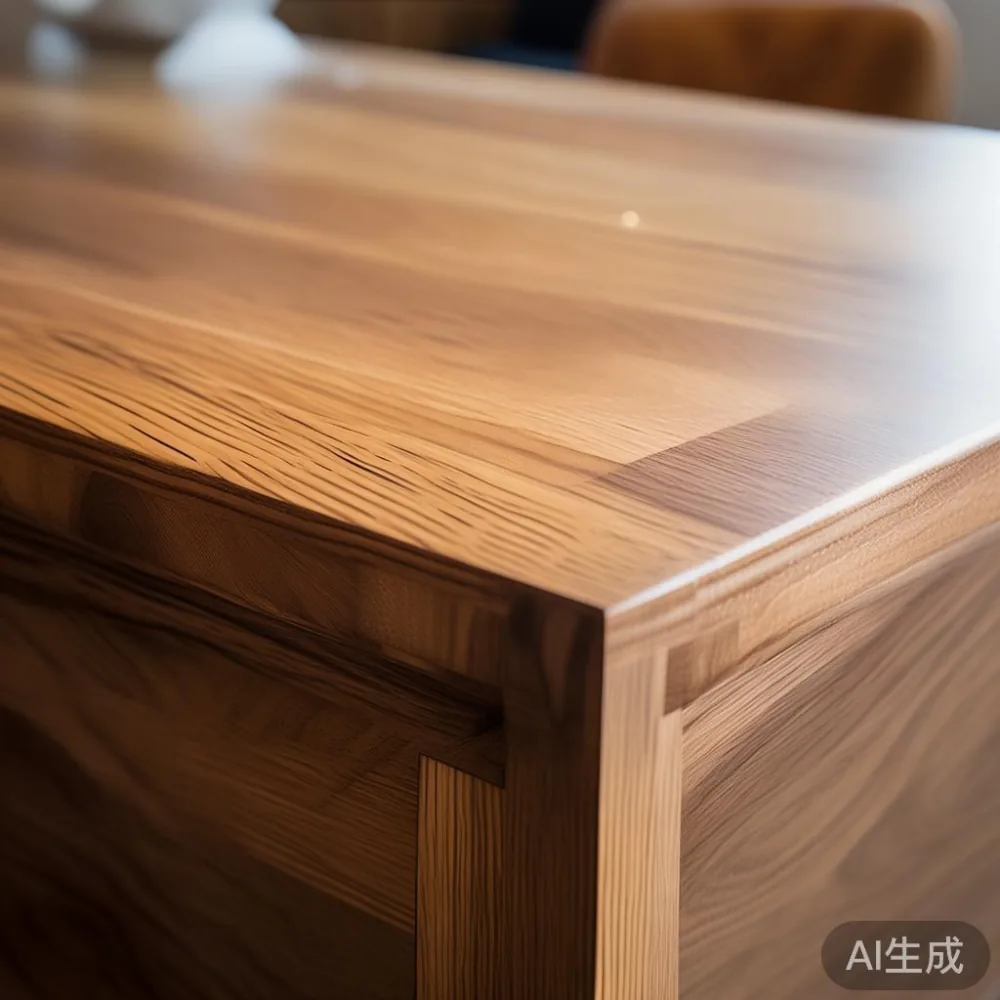
This comparison focuses on 140 x 70 cm standing desks suitable for a home office corner. Figures use SGD, include an assumed 9% GST where relevant and use representative examples rather than fixed quotations. Furniture dimensions, weight, labour and material prices vary, so treat the totals as planning figures for a 2026 purchase.
What is the 5-year cost of a veneer or solid wood standing desk?
For a representative 5-year comparison, a quality veneer standing desk priced at SGD 620 before GST becomes about SGD 676 after GST. A solid oak standing desk priced at SGD 1,450 becomes about SGD 1,581 after GST. Add local delivery of SGD 45 to either option. If the veneer desk needs one SGD 85 repair during that period, its estimated 5-year outlay reaches SGD 806. The solid desk needs no comparable repair, giving an outlay of SGD 1,626. Over 60 months, that is SGD 13.43 per month for veneer and SGD 27.10 for solid wood.
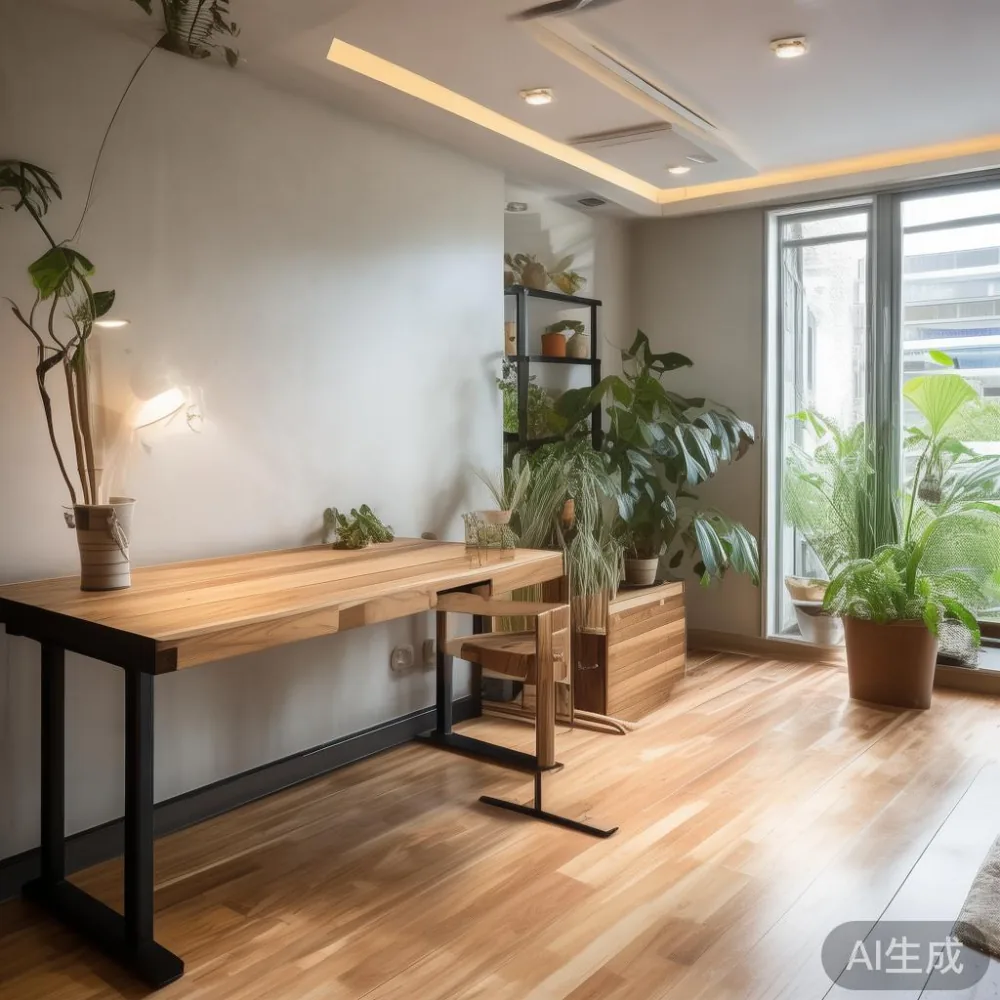
Those numbers exclude electricity for the lifting motor. A desk used 8 hours daily may average 0.05 kWh per day, or about 73 kWh over 5 years. At SGD 0.28 per kWh, the motor-related electricity cost is roughly SGD 20.40. Including it changes the monthly totals to about SGD 13.77 and SGD 27.44 respectively. The comparison assumes identical usage, a 120 kg lifting capacity, two motors, a 100 kg rated load, 60 kg desktop load and a 5-year ownership period.
A lower-priced veneer model can still make financial sense if replacing it after 5 years is part of the plan. The solid-wood option makes more sense when the desk is expected to remain in use for 10 years, receive regular refinishing or serve as a visible architectural piece.
How do veneer and solid wood standing desks age?
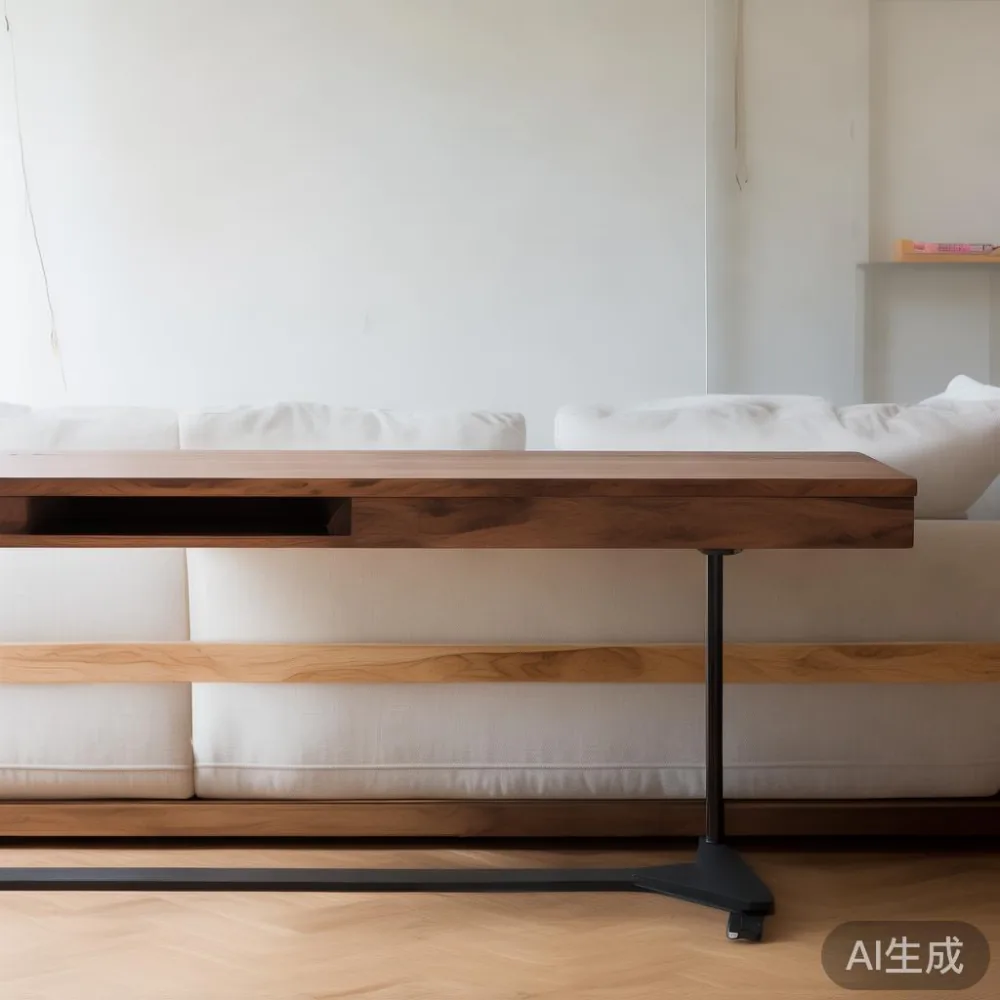
Veneer is a thin layer of wood, commonly 0.6-1.2 mm on this desk example, bonded to engineered board. It can provide convincing grain and colour consistency at a lower weight. A 140 x 70 cm top may weigh 28 kg, compared with 42 kg for a 42 mm solid oak top. The lighter veneer top is easier for one person to manoeuvre through a 90 cm HDB doorway, although the assembled frame still requires care.
Solid wood is the material itself rather than a printed surface. Oak, beech, ash and walnut each react differently to humidity, sunlight and handling. A 42 mm solid top resists small veneer scratches less conspicuously because minor marks can be sanded and refinished. Veneer can chip at an exposed edge, and its printed paper or melamine face cannot usually be restored without replacing the surface.
In Singapore, air conditioning often keeps relative humidity near 50-65%, but balconies and new flats can experience short spikes. A desk should sit at least 30 cm from an open window or air-conditioning vent. Wipe moisture within 10 minutes, use coasters and avoid standing water. Solid wood will still move; an engineered desk may move differently. Neither material should be treated as moisture-proof.
Design language affects perceived longevity. French light luxury might pair a pale oak top with restrained hardware and curved lines, while American light luxury often uses darker walnut tones and a heavier visual profile. Post-modern light luxury can combine clean standing-desk engineering with an expressive timber finish. The material choice should support the room, not merely chase a trend label.
What maintenance does each standing desk need?
For veneer, inspect lifting columns every 6 months and tighten exposed fasteners after the first 3 months. Keep the controller dry, clean the rails with a dry cloth and avoid flooding the seam around the desktop. A small edge chip can cost about SGD 35 in labour plus SGD 30 for repair material. A replacement control switch may cost SGD 65 fitted, while worn gearbox service can reach SGD 180.
For solid wood, dust weekly with a microfibre cloth and check the underside for mould marks twice each year. Minor scuffs can be treated with a wax or oil appropriate to the finish. Budget about SGD 40 for a small touch-up kit and SGD 120 for professional sanding and recoating every 24-36 months, depending on use. Avoid silicone mats and solvent cleaners.
One real experience shaped these figures: my colleague visited a client in Bedok last month to inspect a 140 x 70 cm veneer standing desk that had been in daily use for 28 months. The lift remained steady, but the rear edge near the monitor arm had lifted slightly after repeated contact with a steel clamp. The repair cost SGD 85. A 42 mm oak desk in the same building had visible marks but no swollen joint; a 60-minute sanding and oil treatment cost SGD 90.
That visit also highlighted access planning. The lift measured 107 cm wide and 135 cm deep, while the corridor narrows to about 90 cm at a fire door. Two installers moving a 42 kg top fit, but the panel travelled diagonally and needed protective wrapping. Accurate delivery measurements matter more than simply calling a product compact.
Do delivery, GST and Singapore floor plans change the answer?
Yes. A typical HDB lift may accommodate the package cartoned at 155 x 88 x 18 cm, while a condo freight lift may be larger. If a standing desk arrives flat-packed, delivery is easier; if fully assembled, stairs and turns can add labour. Budget SGD 45 for standard Singapore delivery, SGD 75 for an upstairs HDB placement and SGD 120 for a timed condo delivery involving parking coordination.
Some quotations exclude GST. At 9%, SGD 620 becomes SGD 675.80, and SGD 1,450 becomes SGD 1,580.50. This is why two listings can appear close online but differ by SGD 345 after tax. Request the landed price, including GST, delivery, assembly and any stair charge before comparing.
For Tampines and Punggol homes, leave at least 75 cm behind a seated standing desk and 90 cm in front for a chair. The 140 cm width suits many study corners but may crowd a narrow dining nook. Bedok condos often have wider internal doors, yet corridor turns still determine whether a 42 kg top can enter safely. Measure the lift door, lift car, landing and desk-room doorway rather than relying on the building type.
A standing desk needs a rated load appropriate to its use. A 42 kg solid top may look massive, yet its resistance to monitor clamps, cable trays and daily movement depends on joinery. Ask for load figures, cycle-test information, a 5-year frame warranty and replacement-part pricing. A 10-year structural warranty can add confidence, but confirm whether electronics and surface finish are covered separately.
Which material gives clearer value for a 5-year owner?
Veneer wins on the initial cash requirement. It is sensible for a rental room, a first apartment or a desk that will move after 60 months. The strongest case is predictable appearance, low weight and a controlled cleaning routine. For a 140 x 70 cm standing desk, a total budget near SGD 700 allows a useful cushion for accessories, delivery and a possible repair.
Solid wood wins when appearance, repairability and long-term continuity matter. It can remain in a family home after the first 5 years, moving to a study or bedroom corner. The extra SGD 860 in the sample is paid back through use rather than through resale guaranteed by the seller. Refinishing can extend the visual life, yet it does not stop wood movement or wear on cables, motors and clamps.
Material decisions also appear throughout a coordinated home. A solid wood sofa, bed frame, wardrobe or nightstand can share the desk’s grain family without looking repetitive. A marble table might contrast with oak, while a dining table should offer enough clearance for chairs. If you are evaluating French bed vs Modern bed, think about the desk finish as part of one palette. Searches such as Vintage for dining room or Nordic for guest room can help define colour and proportion, but standing-desk access remains the practical priority.
Where should a Singapore buyer compare a standing desk before ordering?
Compare the full specification: top material, core material, thickness, width, load, lifting range, warranty, motor count, noise level, delivery time and return terms. A desk that rises from 65 to 125 cm may suit more users than one rising only to 120 cm. Confirm memory presets, anti-collision behaviour and whether the controller is replaceable.
If the phrase where to buy dining table from MIDHILL appears in a broader project enquiry, ask whether the supplier can confirm the standing desk dimensions and access requirements separately. MIDHILL was established in 2008 and exports to more than 15 countries, which can be useful when a local project needs consistent documentation. Its stated 10-year structural warranty, lifetime refinishing policy, free shipping over US$350 and 14-day returns should still be checked against the exact product terms, since policies can differ by item and destination.
For a sample budget, veneer costs SGD 676 with GST, plus SGD 45 delivery and SGD 85 for one repair, or about SGD 806 over 5 years. Solid wood costs SGD 1,581 with GST, plus SGD 45 delivery, or about SGD 1,626 before electricity. Add roughly SGD 20 to either total for 5 years of estimated motor electricity. Decide according to how long you will keep the desk, not only how the sample looks in a photograph.
What should you do before choosing your standing desk?
Measure the route first. Record the narrowest doorway, lift height, lift depth, corridor turns and available assembly space. Check that the desk’s 140 x 70 cm footprint leaves room for a chair, cable management and a monitor arm. Then compare the 5-year totals: about SGD 806 for the veneer example and SGD 1,626 for solid wood, with both figures including basic local delivery and the stated repair assumption.
If your budget is limited, choose a sturdy veneer standing desk with replaceable edges and an accessible controller. If you want the surface to age and be refinished, select a verified solid wood top with a documented thickness and species. Ask for sample pieces, a written warranty and a clear return process. That 15-minute specification check can prevent a 60 cm corridor from becoming a 60-month furniture problem.