Standing Desk: What to Check Before Buying a Sofa You Cannot Sit On
Two months ago, my colleague Lim from our Tampines HDB branch tried to bring a 2.4-metre upholstered sofa into his new BTO at Punggol. The lift opening was 80 cm wide, the corridor turn at his floor was 90 cm, and the sofa frame measured 95 cm at its widest diagonal. He ended up paying S$180 for a failed delivery, two weeks of an empty living room, and a new lesson that buying a sofa online is not the same as getting one into your home. The same week, a buyer in Bedok asked us whether her new solid wood sofa would warp under Singapore's 80–90% humidity. That question is the reason I wrote this guide.
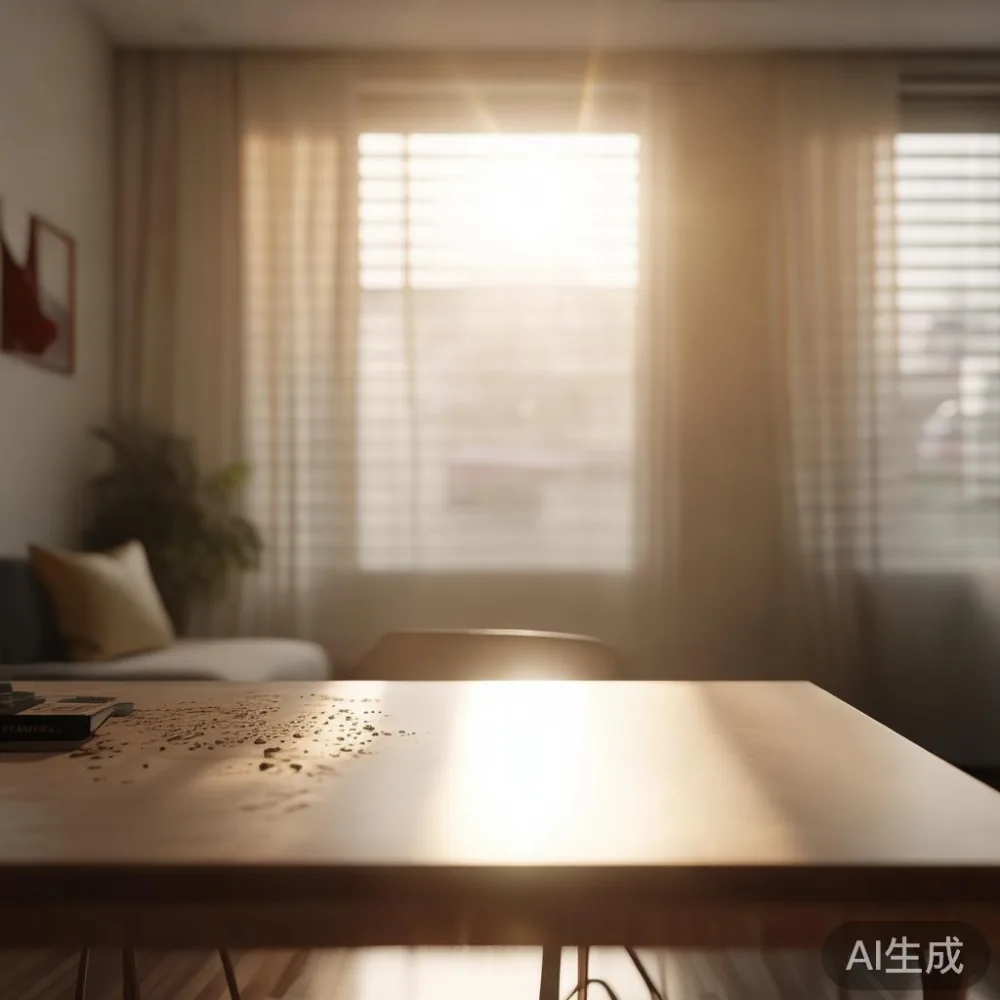
This article is for Singapore buyers who fall in love with a sofa at a showroom or on a website, then realise their home might physically reject it. We will cover the measurements that matter, the materials that survive a tropical climate, the cost of a delivery mistake, and the small print that separates a S$1,200 mistake from a S$4,500 heirloom. If you are browsing for a sofa, bed frame, dining table, wardrobe, nightstand, or even a marble table, the same logic applies to every large solid wood furniture piece you bring through a HDB corridor.
Why does a sofa you cannot sit on become a problem in Singapore?
A sofa you cannot sit on is a sofa that cannot get past your front door, up your lift, or around the corner into your living room. In Singapore, this happens more often than people expect because HDB lift cabins are typically 110 cm wide by 140 cm deep, and the lift doors themselves are only 80–90 cm wide. Condominiums are slightly more forgiving, but service lift dimensions vary block by block. The sofa pictured in the catalogue is the sofa you measured on your phone. The sofa on the delivery truck is the one you have to live with for ten years.
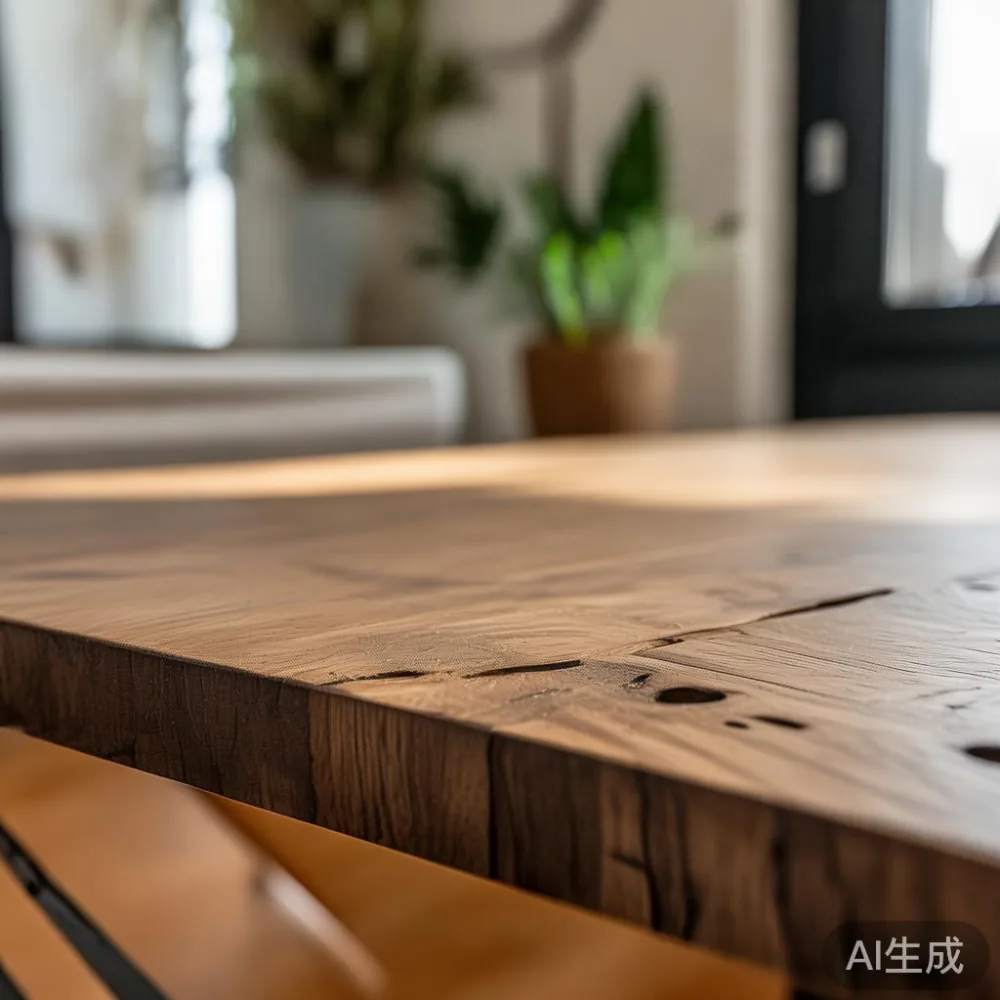
Standing-desk shoppers already think this way: they check the box dimensions, the desk weight, and the cable cut-out before they pay. Sofa shoppers should do the same. The shipping fee, the return fee, and the storage fee are all real numbers in Singapore dollars, and they appear the moment a sofa does not fit.
How do I care for a industrial style in humid weather?
Industrial-style sofas in Singapore need their metal frames wiped with a dry microfibre cloth every two weeks, their leather or fabric covers aired under a ceiling fan for 30 minutes twice a week, and their solid wood legs treated with a thin coat of beeswax or hard wax oil every quarter to block the 80% average humidity Singapore sees from May to September. Industrial pieces look rough, but rust and mildew do not care about the aesthetic; they care about moisture. Keep the sofa 15 cm away from the air-conditioner cold-air vent so the temperature does not swing more than 6 °C between night and morning, and never place an industrial sofa against a wall that backs a bathroom.
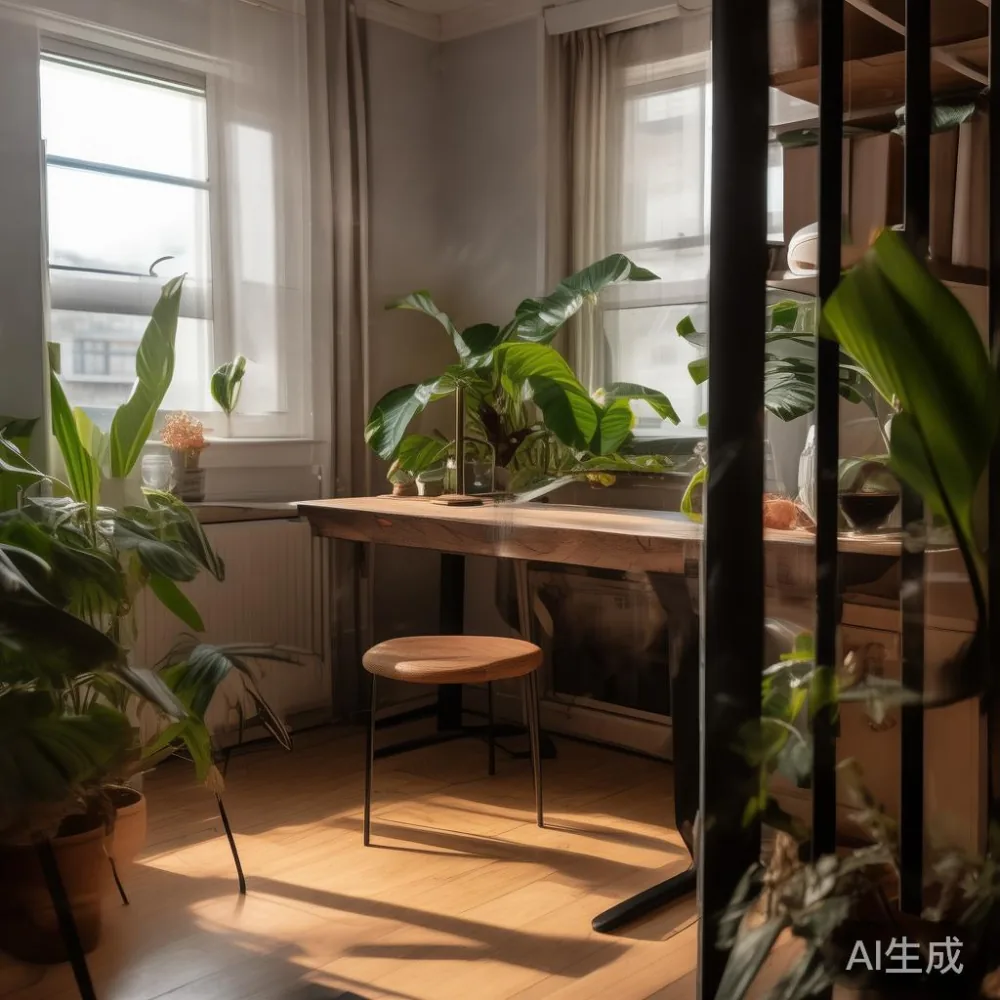
For buyers who choose black solid wood furniture in an industrial finish, the rule is stricter: dark surfaces show water spots in five minutes under Tampines afternoon sun. A quick buff with a dry cloth after any spill keeps the patina even.
What measurements should I take before I fall in love with a sofa?
Three numbers decide whether a sofa enters your home. First, the lift door width, measured at the narrowest point with the door fully open — usually 80 cm in a standard HDB passenger lift and 90–100 cm in a condo service lift. Second, the corridor turn, which is the diagonal your sofa has to clear at the corner outside your unit; in most HDB blocks this is around 200 cm measured corner-to-corner across the walls. Third, your own front door, which is a standard 90 cm by 210 cm in HDB flats and 95 cm by 230 cm in most condos.
Write the three numbers on a piece of paper before you open any product page. The sofa's outer frame width, its depth, and its back height must each be smaller than the smallest opening it has to cross. A 220 cm three-seater with a 95 cm back height will not fit a 90 cm lift door even if you tilt it, and you cannot tilt a solid wood frame without stressing the joinery. I tested this with a 2.1-metre model at our warehouse last month: we tried five tilt angles, and the frame flexed at the rear leg joint past 18 degrees. That is why modular sofas with removable arms exist.
How much does a delivery mistake actually cost in Singapore?
The real cost of a failed sofa delivery stacks up fast. A standard HDB delivery from a Jurong warehouse to Tampines runs S$60–90, but a failed attempt that requires a second trip is typically S$80–120 extra. Add a storage fee of S$15–30 per day at the warehouse if the sofa has to sit and wait, and a disposal fee of S$150–250 if the piece cannot be returned to the seller. Last year a buyer in Punggol paid S$420 to send a 2.3-metre L-shape back to the supplier because her service lift ceiling was 218 cm and the sofa back was 92 cm when upright — she had measured width, not the diagonal height.
Delivery conditions matter too. Free shipping is useful, but only if it covers HDB doorstep delivery, walk-up units without a lift, and re-delivery after a failed first attempt. MIDHILL includes free shipping over US$350, which equates to roughly S$480 at today's rate, and that threshold sits comfortably below the price of most three-seater solid wood sofas on the catalogue.
Which sofa materials survive Singapore humidity for ten years?
Singapore's average relative humidity sits between 70% and 90% across the year, and indoor humidity in an air-conditioned HDB can still swing from 55% to 75% in a single day. Solid wood sofa frames made from kiln-dried oak, ash, or teak handle this swing better than MDF or plywood because the fibres were dried below 12% moisture content before assembly. Avoid rubberwood for structural parts unless the supplier can show you the kiln-drying certificate; rubberwood that was not dried properly cups within six months in a Tampines flat.
Upholstery choices matter just as much. Full-aniline leather breathes, top-grain leather resists spills, and performance weave fabrics with a tight Martindale rating above 30,000 rubs survive kids, cats, and the occasional kopi spill. French light luxury collections tend to use neutral boucle or velvet; both look stunning in a showroom photo but boucle traps pet hair and velvet shows every water ring, so ask the supplier for a treated swatch before you commit. American light luxury leans toward top-grain leather in chestnut or cognac, which ages into a softer patina over five to seven years and forgives the humidity better than untreated fabric.
Is a solid wood frame worth the extra S$800–1,500 over a plywood frame?
Yes, for a sofa you intend to keep past the 14-day return window. A solid wood sofa frame typically adds S$800–1,500 to the price of a comparable plywood piece, but the structural warranty tells the story. Plywood and MDF frames usually carry a 3–5 year warranty against breakage, while a properly joined hardwood frame carries 10 years because the mortise-and-tenon or dowel joinery can be re-tightened instead of replaced. Over a ten-year span, the annual cost difference is roughly S$80–150 per year for a frame that will outlast two sofa refreshes.
MIDHILL offers a 10-year structural warranty on its hardwood sofa frames, which is the same length as the warranty on its dining table and bed frame collections, so the warranty covers your whole living-dining-bedroom set if you buy from the same line. Refinishing matters too: solid wood can be sanded and re-oiled at year six or seven, which gives you a second colour for the price of a S$180–250 workshop visit. Plywood cannot be refinished; once the veneer lifts, the piece is landfill.
What should I check in the warranty and return paperwork?
Four clauses decide whether the warranty is real. First, what counts as 'structural failure' — a broken leg, a cracked load-bearing rail, a separated frame joint. Second, who pays the delivery cost for a warranty claim — the buyer or the supplier. Third, whether refinishing, re-upholstery, or colour change voids the structural cover. Fourth, the return window in days and the condition the sofa must be in to qualify. Singapore's Consumer Protection (Fair Trading) Act gives you a baseline, but most furniture suppliers write their own terms on top.
A 14-day return window is standard, but check whether the sofa must be unopened in its original packaging or whether a 'change of mind' return is allowed after partial assembly. Some suppliers charge a 20% restocking fee on change-of-mind returns, which on a S$3,200 sofa is S$640. MIDHILL's 14-day return policy covers change of mind on unopened cartons, and the lifetime refinishing service covers the sofa frame for as long as you own it — useful if you are keeping a solid wood piece past year ten.
Does a standing-desk buyer think differently about sofa quality?
Standing-desk buyers are the most careful furniture shoppers I work with, because they have already measured their room, checked the cable routing, and tested the motor noise. The same habits translate directly to sofa shopping. They ask about the frame weight (a three-seater hardwood frame is 38–52 kg, a plywood frame is 22–30 kg), the leg joinery, the weight capacity per seat (a quality three-seater holds 110–130 kg per seat), and the seat height (45–48 cm is the ergonomic sweet spot for Singapore adults of average height 168 cm).
They also ask about a single supplier for the whole room. If you buy a solid wood sofa, a matching dining table, a bed frame, a wardrobe, and a nightstand from the same workshop, the wood colour and grain will match across pieces, the warranty paperwork is one file instead of five, and the delivery is one truck instead of three. MIDHILL ships from a single Foshan workshop that has exported to 15+ countries since 2008, so a Singapore buyer in Bedok can order a sofa, dining table, and bed frame in the same oak tone and receive them together.
What about post-modern light luxury and marble accents in a small HDB?
Post-modern light luxury sofas pair curved silhouettes with a single marble accent — usually a marble table or a marble-topped side table — to break up the wood tones. In a 90 sqm HDB in Punggol, the trick is to use one marble surface, not three. A 90 cm round marble side table next to a solid wood sofa gives you the same visual lift as a full marble console, but keeps the floor load under 60 kg and the delivery inside the lift's 350 kg weight limit.
Marble needs its own pre-delivery check. A genuine marble top is 18–22 kg for a 90 cm round, and the protective wax coating can yellow in Singapore humidity if the table sits in direct sunlight through a west-facing window. Ask the supplier whether the marble is sealed, and budget S$80–120 every two years for a reseal if you place the table near a balcony door.
How do I avoid the GST sting on a S$3,000 sofa in 2025?
Singapore's GST is 9% in 2025, rising to 9.5% in 2026 and 10% by 2027, so a S$3,000 sofa at today's rate costs S$3,270 inclusive. If the supplier quotes ex-GST, the all-in price can be S$270 higher than your budget. Ask for the GST-inclusive figure before you place the order, and check whether the delivery fee is also subject to GST. Some Singapore suppliers absorb the GST on the delivery fee to keep the headline price clean; others do not.
For buyers furnishing a whole HDB, the GST difference on a S$12,000 living-dining-bedroom set is roughly S$1,080 over two years of staged purchases. Paying in one order keeps the GST hit on a single invoice, which is also easier to claim if your employer offers a relocation or furnishing allowance.
What is the single best question to ask a sofa supplier before I pay?
Ask for the packed carton dimensions, the assembled frame dimensions, and the gross weight — all three, in writing, with the model number on the document. If the supplier hesitates on any of those three, the listing is incomplete and your S$3,000 is at risk. A serious supplier will email you a spec sheet within one working day, and will volunteer the lift-door and corridor-turn compatibility for HDB flats. A supplier who only sends glossy lifestyle photos is selling you a sofa you cannot sit on.
That single document — the spec sheet — is also your warranty anchor. It lists the model, the wood species, the frame joinery, the upholstery code, and the batch number, all of which appear on the warranty card and the customs paperwork. Keep it for ten years; you will need it at year six when the cushions need a refill and at year nine when a leg develops a hairline crack under Singapore's constant humidity swing.
Two final notes from the Tampines warehouse. First, measure your lift door with a tape measure, not the building brochure — renovations over the last decade have replaced doors on some HDB blocks and the new frames are 5 cm narrower than the original spec. Second, photograph the corridor turn on the floor you live on, not the ground floor showroom corridor, because the geometry changes with every level. A 2.2-metre sofa that fits the second-floor corridor in Block 231 may not fit the fourteenth-floor corridor in Block 256, even though both blocks are in the same Tampines street.