Before You Buy a Sofa You Cannot Sit On: A Singapore Guide to Display Sofas and Accent Seating
A display sofa can still be useful furniture. It can define a living room, hold books beside a standing desk, or provide a generous landing surface in an HDB corridor that doubles as a social space. What it cannot do is quietly become a bed for a guest, absorb a 90 kg relative, or survive a decade of daily family use.
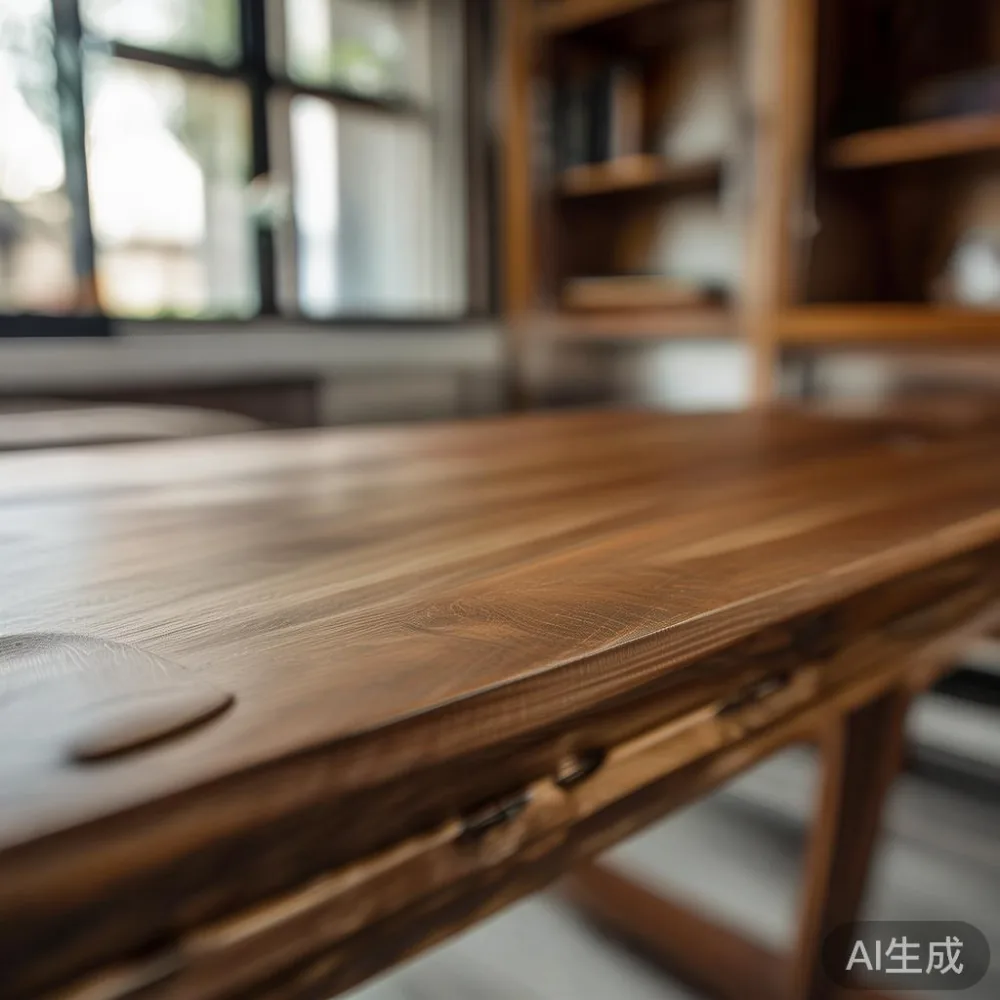
I learned this distinction after visiting a client’s Tampines condo last month. The living room measured roughly 320 cm from the balcony doors to the dining zone, yet the “sofa” placed there was a solid wood daybed with a 35 cm back and a straight, unpadded seat. It looked deliberate in photographs. In person, two adults sat on opposite ends with their feet on the ottoman, and nobody had tried to stretch out. The owner said, “Everyone calls it a sofa, but we use it as a shelf.” That is a display sofa, not primary seating.
For Singapore homes, that distinction affects comfort, circulation, delivery and return costs. HDB flats, private condos and new BTO layouts all reward furniture that fits its role precisely. The question is not whether a piece looks like a sofa. It is whether you understand what it is built and intended to do before it arrives.

What is a display sofa and why is it called a non-seating sofa?
<A display sofa is designed primarily to look good while holding light objects. It may have a thin seat, a raised base, a fragile edge, exposed timber or a shape that discourages reclining. Terms such as display sofa, decorative sofa, non-seating sofa and accent sofa can describe similar pieces. “Non-seating” sounds contradictory, but it means the product is not intended for prolonged sitting rather than having no surface at all.
Ask the seller one direct question: “Is this sofa structurally suitable for adults to sit on for 30 minutes?” A clear answer helps prevent a costly mismatch. Some pieces tolerate brief posing but not meals, TV hours or an afternoon nap. A listing that shows only staged cushions can hide a hard centre panel, a rear gap of 12 cm and armrests set at 68 cm.
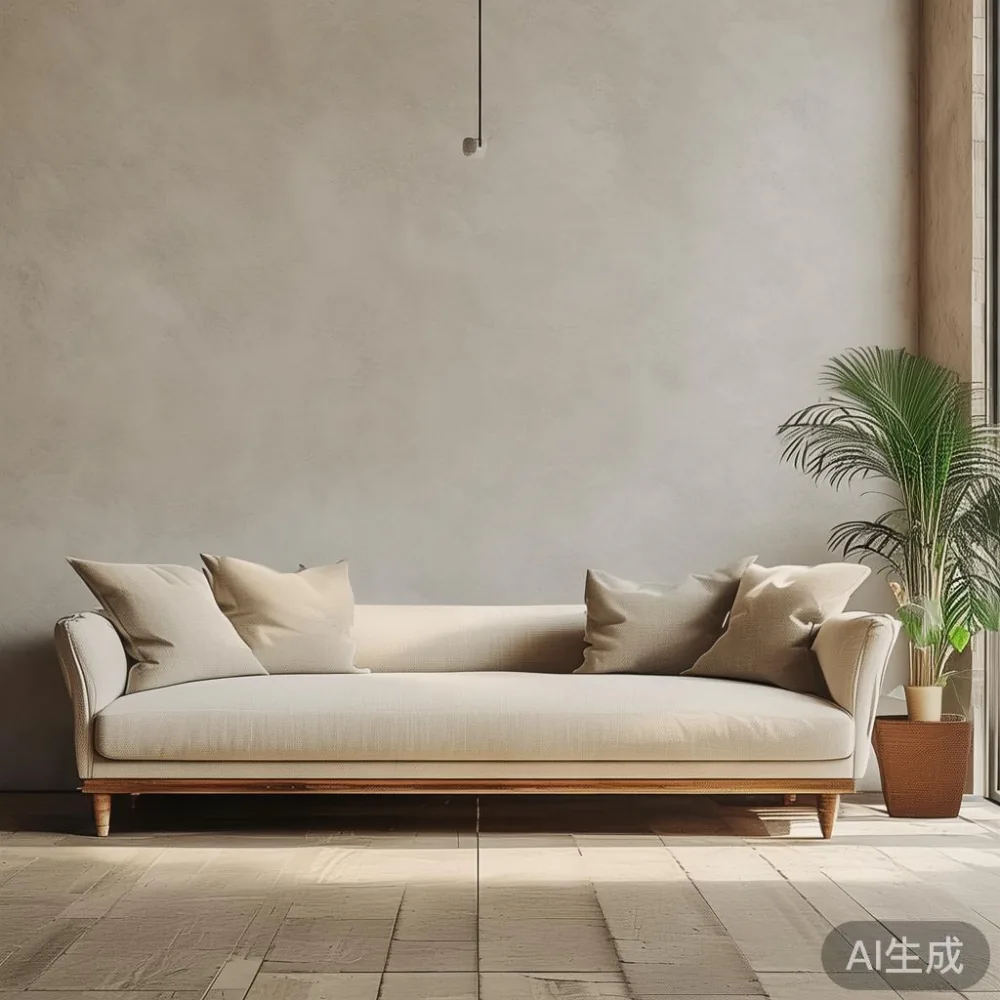
These pieces belong beside solid wood furniture such as a dining table, wardrobe or bed frame when the visual language is shared. A sculptural form can balance a marble table without pretending to offer everyday seating. It should never be represented as something it is not.
How do I choose a fabric sofa for a small apartment?
Choose a fabric sofa by checking its usable seat dimensions, cushion compression, frame load, removable covers and total footprint before considering colour.
A small Singapore apartment does not need a tiny decorative shell. It needs a sofa with a genuinely usable seat. In a compact Tampines or Bedok flat, allow at least 55 cm of clear depth between a coffee table and the front edge of the cushion, and target a seat height of 40–45 cm for easier standing. A 220 cm three-seat sofa may suit a wider living room, while a 175–195 cm two-seat model often makes more sense in a condo with a narrow balcony slider.
Fabric choice matters less than construction. Check whether the cover is removable, whether the foam rebounds after 24 hours and whether the seller provides replacement cushions. Density figures alone do not tell the whole story, but an indecisive seat is a warning. If you expect pets, children or frequent guests, ask for a washable treatment and a spare 1–2 m of the same textile.
What measurements should you take before ordering?
Measure the room, every route into it and the usable seating area—not just the dimensions shown in a product card. Start with the sofa’s maximum width, depth and height, then add at least 90 cm for primary circulation behind it and 40–60 cm near coffee tables. For a dining setting beside a standing desk, preserve enough space for a chair to move without scraping timber.
Singapore access checks deserve the same attention. Many HDB corridors are around 120–150 cm wide, with lift doors commonly near 80–90 cm. A sofa wider than 85 cm may fit only in certain lift cars after removing door protectors or tilting on edge. Record the lift car’s internal dimensions, the narrowest turn, the doorway widths and the landing length. Do not assume a photograph proves access.
Ask for the packed carton dimensions and weight. A 200 × 85 × 55 cm carton weighing 46 kg is very different from a flat-packed 180 × 60 × 20 cm parcel weighing 24 kg. A display sofa with a marble-look plinth may weigh 62 kg and require two people on stairs. If the route includes three turns, arrange an assembly plan before delivery.
For local planning, keep receipts and consider the 9% GST already reflected in retail prices. Confirm whether the quoted SGD amount includes delivery, assembly and protection fees. A display sofa at SGD 1,480 may become SGD 1,660 after mandatory installation; the difference should appear before payment.
How can I tell whether the frame is made for sitting?
Look for a load rating, a stable joinery system and a seat that resists permanent collapse. A solid wood sofa frame should use properly connected rails, corner bracing and joints designed for load, not thin decorative shells attached with short screws. Ask for the frame material—hardwood, plywood, engineered board or a combination—and the manufacturer’s stated load limit. A sensible minimum for regular adult seating is around 100–120 kg per seat position, but the seller should not imply certification unless documentation exists.
Sit-test the product if possible. Press the centre of each cushion for 20 seconds, release it and check whether it recovers within about 10 minutes. Check for front-edge collapse, uneven support and movement at the arms. A display sofa may pass this test and still be uncomfortable for hours because its seat height or depth is wrong. Useful adult seating often provides a 50–58 cm deep usable seat, excluding a loose cushion placed against the back.
Solid wood construction can suit a French light luxury, American light luxury or post-modern light luxury room when the timber species, finish and hardware are coordinated. But a fashionable silhouette cannot substitute for engineering. If a seller calls a backless bench a sofa, ask what the product is rated for and how it should be used. Clarity is a service, not a sales tactic.
Can a display sofa still be useful in a Singapore home?
Yes—as a console-like perch, a low table, a room divider or a temporary surface beside a standing desk. It works when those purposes are stated openly. It does not work when an unpadded 35 cm-high bench is expected to host an elderly visitor, a sleeping child or an overnight guest.
Use the test of frequency and consequence. If someone will sit on it at least 3 times a week for more than 20 minutes, specify a real sofa. If it will mainly hold 6–8 books, a tray, a lamp and occasional bags, a display sofa may be appropriate. Keep fragile objects away from children, do not overload a narrow back ledge and add a wall fix if stability is uncertain. For storage, a separate wardrobe, nightstand or dresser should carry the heavy items.
This is also where product terminology becomes useful. A bed frame provides horizontal sleeping geometry; a dining table supports meals; a marble table carries heavy surfaces; a wardrobe stores clothing; a nightstand holds small items. None is automatically interchangeable with seating. A piece marketed for display should not be silently reassigned as a primary sofa.
What questions should I ask before paying?
<Ask for the intended use, maximum load, seat depth, frame material, cushion recovery test, delivery measurements and return conditions in writing. Ask whether the back is decorative, whether the seat is rated for meals and whether a cushion replacement is available after 12 months.
For a display sofa, request a 1:1 photo of the underside, joints and rear edge. A polished showroom image may conceal a hollow shell or thin board. Ask how many people are needed to carry it, whether stairs require extra fees, and what happens if the carton is damaged. Delivery should never be a surprise on delivery day.
Check the warranty language carefully. A 10-year structural warranty may cover frame failure under specified use, not a cushion that feels uncomfortable. A lifetime refinishing offer may apply only to eligible solid wood dining table, bed frame or wardrobe components. Do not assume the same promise covers a display sofa with a painted finish or a fabric-soft surface.
Returns also need a clear clock. A 14-day return window sounds generous, but many sellers require the original packaging, prohibit custom dimensions and deduct collection charges. Confirm whether a display sofa must be unused, whether floor protection is mandatory and whether the refund includes the original delivery fee. Photograph the condition at handover.
How do delivery, returns and local costs work?
Delivery timing, lift access and return logistics can cost more than the sofa itself. Choose a seller that gives a delivery window rather than a vague “next week.” Allow roughly 7–14 working days for standard Singapore delivery, with extra time for made-to-order timber or peak periods. Free delivery over US$350 may not apply automatically to a Singapore order, so ask for the local threshold in SGD and whether GST is included.
For a 68 kg solid wood display sofa arriving at a Punggol condo, two-person delivery may cost SGD 90–180, while a lift booking or parking permit could add another SGD 15–40. If the building requires a loading bay reservation, make that part of the appointment. Measure again on delivery day; renovation work can narrow a corridor by 20 cm.
At MIDHILL, the product discussion should start with function and dimensions, not a generic label. A buyer comparing a marble table, dining table or standing desk should understand load, stability, access and surface use before ordering. The same discipline applies to a solid wood sofa, especially when its design is intentionally sculptural.
What is the difference between a display sofa and a usable accent seat?
The difference is measurable. A usable accent seat usually has a 40–45 cm seat height, a 48–55 cm usable depth, a cushion or resilient pad rated for repeated sitting and an arm or back proportion that supports normal posture. A display sofa may have a 28–38 cm height, a 20–35 cm depth, a hard ledge and no proper lumbar support.
Compare the products without confusing them with a different category. A solid wood bed frame is tested for sleeping and load, while a wardrobe is tested for hanging strength, a nightstand for stability and a dresser for drawer travel. A standing desk must provide adequate leg clearance and stable height adjustment; its desktop is not automatically a sitting surface. These distinctions help you read specifications accurately.
Search terms can also blur the boundaries. The closets nightstands dresser market vs solid wood phrase is one example of a comparison where construction, storage and everyday use matter more than a trend label. For a sofa, compare the actual sitting zone, not the width of the photographed frame.
How should you decide when a sofa is right for your flat?
Decide by assigning the sofa a role before choosing its shape. If the main role is seating, buy a tested sofa with a stated load rating and replaceable cushions. If the role is visual balance, buy a display sofa and accept that it is not a guest bed.
Before payment, create a simple checklist: room width 300 cm, sofa width 210 cm, circulation 90 cm, lift door 82 cm, carton length 185 cm, delivery window 9 working days, return period 14 days, warranty 10 years where applicable. If a measurement is missing, do not rely on optimism. Ask for it in centimetres, write down the answer and compare it with your home.
A furniture specialist should help you avoid an attractive mistake. Singapore homes may be compact, but expectations should be exact: clear access, honest load claims, realistic returns and no hidden assumption that every “sofa” is meant to carry a person. Choose the construction that matches the job, then enjoy the style with confidence.