Keeping a Lacquered Standing Desk Beautiful in Singapore’s Humid Climate
A lacquered standing desk can make a compact Singapore home feel more considered, especially near a window in an HDB flat at Tampines, Bedok, or Punggol. The finish gives warmth to solid wood, protects a frequently touched work surface, and pairs easily with a solid wood sofa, bed frame, dining table, wardrobe, or nightstand. It also suits a post-modern light luxury interior, where clean profiles meet restrained texture. Yet lacquer in a tropical climate needs a deliberate care routine, not simply an occasional wipe.
Singapore’s humidity, condensation, airborne salts, and strong sunlight can affect a lacquered standing desk more quickly than people expect. Water rings, pale patches, stickiness, and fine cracks are usually manageable when they are addressed early. The practical goal is to keep the finish stable while maintaining the desk’s smooth movement and appearance.
How should I care for a lacquered standing desk in Singapore?
Begin with the surface, not the mechanism. A typical lacquered standing desk has a worktop measuring about 120 cm by 60 cm, though larger models may reach 160 cm by 80 cm. Lift capacity commonly ranges from 80 kg to 120 kg. Before applying any product, check the maker’s care instructions and test it on a concealed section of wood for 24 hours. This is especially important for pale or natural lacquer, where an unsuitable cleaner can leave a visible dull mark.
For daily care, use a soft microfibre cloth that is barely damp. Wipe spills within 1 minute, working from the edge toward the centre. Dry the surface immediately with a second clean cloth. A desk that doubles as a dining table may receive crumbs, sauces, and drinks, while a model beside a bed frame may collect skin oils and dust. Neither calls for soaking the top; lacquer should not be flooded.
For weekly cleaning, mix approximately 5 ml of mild pH-neutral dish soap with 500 ml of lukewarm water. Dampen the cloth rather than the desk, then wipe the lacquer and dry it. Avoid ammonia, bleach, alcohol, abrasive pads, wire wool, and acidic cleaners. Those products can strip the film, haze the sheen, or damage the coating around cable openings and the control panel.
Do not place a hot mug directly on the finish. A 90°C drink can soften or mark lacquer even when the surface seems undamaged afterward. Use a coaster with a base of at least 8 cm, and keep a felt or silicone pad beneath laptop stands, monitors, and decorative objects. A 5 kg monitor concentrated on one point is a different load from the monitor spread across its base, so pads remain sensible.
What humidity level should I maintain around a standing desk?
Keep indoor relative humidity between 45% and 65% when possible. Singapore homes often experience readings above 70% during monsoon periods, particularly in north-facing bedrooms and older HDB flats with less effective ventilation. Stand the desk away from air-conditioning vents, bathroom-adjacent walls, and windows that receive morning condensation. Leave roughly 10 cm between the rear edge and the wall so air can circulate, while making sure the desk’s power cable is not trapped against the wall.
Use a hygrometer rather than guessing. One unit can cover a study area, although a second unit near a condensation-prone window offers more useful guidance. A small dehumidifier may help maintain around 55% relative humidity, but it should drain regularly and never blow directly at the lacquer. Constant airflow from a fan at close range can cause lacquer to lose moisture unevenly, leading to fine surface lines.
Solid wood and lacquer can respond differently as the air changes. The desk may be made from solid wood beneath the finish, but the outer coating still needs stable conditions. Place the standing desk in a stable position and avoid moving it between a sunlit balcony and an air-conditioned room several times a day. If the desk has a solid wood sofa, bed frame, dining table, wardrobe, or nightstand nearby, give each piece 5 to 10 cm of breathing space where possible.
Last month I visited a family home in Punggol to assess a water-marked lacquer top. The family had wiped the mark with a citrus cleaner every morning for 2 weeks. The cleaner had not removed the original ring; it had made the area slightly hazier. After 3 gentle passes with mild soap and 4 careful polishing sessions over 7 days, the mark became much less visible, although the deep ring could not be erased completely. The lesson was simple: mild care worked better than repeated harsh treatment.
How can sunlight and heat damage lacquer in a tropical home?
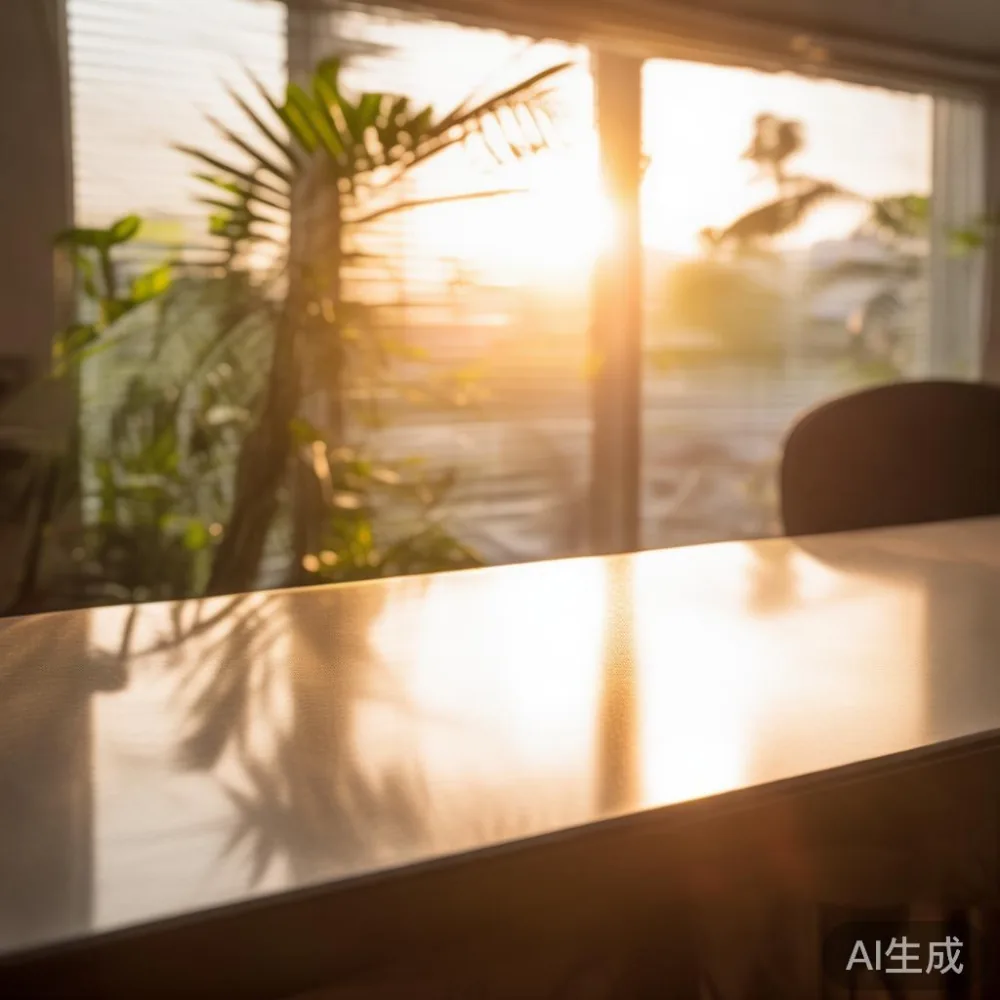
Singapore receives strong ultraviolet exposure even on cloudy days. A west-facing window in a Bedok condo can bring direct sun onto a desk between 3 pm and 6 pm. If the standing desk sits in that path, use a sheer curtain with a visible transmittance of about 40% to 60%, or apply a window film that blocks at least 99% of UV rays. Leave 30 cm of space between the desk and the glass if the layout permits.
Outdoor temperatures around 31°C to 34°C also affect room temperature near an open window. Close the blinds before the sun reaches the worktop, and do not rely on a laptop or monitor to generate enough heat to warm the surface. Position the standing desk so its control panel and cable connections remain within the manufacturer’s stated temperature range, often 10°C to 35°C.
Check lacquer at least once each month for pale patches, dull streaks, or tiny cracks. Natural oil finishes may develop a deeper, more even tone, but lacquer should remain visually consistent. Photograph the top under the same lighting and from the same angle; a 10 cm-wide ruler in the frame makes later comparison easier. Do not place sticky notes or masking tape directly on the surface, as adhesive can lift the finish.
Light-luxury styling does not require an empty worktop. A tray, a ceramic vessel, and one framed object can create a composed surface without crowding the 120 cm by 60 cm top. A marble table may feature veining and polished edges, while the lacquered standing desk offers a quieter background. Keep at least 25 cm of clear working width for a 40 cm laptop, documents, and a writing area.
Can I repair scratches and water rings without replacing the desk?
Small scratches can often be treated with a lacquer repair kit. First clean the area, then select a filler or touch-up colour that matches the warm wood tone. Use the finest abrasive supplied, working along the grain with light pressure. A typical repair should require only 5 to 10 minutes of application, followed by 24 hours without heavy contact.
For shallow white rings, try a lightly damp cloth and patience rather than aggressive polishing. If the mark remains, use a product labelled safe for the specific lacquer type, and test it away from the main work zone. A melamine sponge can be effective on some marks, but it may flatten a high-gloss surface, so use it only after a 24-hour test.
Deep cuts, lifting edges, blackened patches, or cracks that run across the grain need professional attention. Do not sand a lacquered standing desk aggressively. One misplaced pass can expose the primer or create a bare patch. MIDHILL offers a 10-year structural warranty and lifetime refinishing, which makes it sensible to confirm whether a cosmetic issue is covered before attempting a repair.
Consumers comparing under 2000 Coastal furniture or looking for for sale European light luxury furniture should look for the same service clarity. A supplier should explain the finish type, expected care products, repair scope, and warranty exclusions. These details matter more than a dramatic sample shown for 5 minutes in an air-conditioned showroom.
What should I do before a standing desk is delivered to a lift or corridor?
Measure the route before ordering, not after. A standard HDB lift opening may be about 90 cm wide and 200 cm deep, while a common service lift door is closer to 80 cm wide. Corridors can narrow near turns, and a Bedok maisonette staircase may present a very different challenge from a lift lobby. Record the lift width, lift height, landing turns, doorway width, and the tightest corner. Add 10 cm to 15 cm of working margin rather than assuming an exact fit.
Protect the lacquer during transit with a fitted cardboard cover, corner guards, and a soft layer between the top and the carton wall. Do not place bags, keys, or tools on the surface during unpacking. Carry the top with 2 people if it weighs over 25 kg, and keep lifting close to the body. The assembled standing desk may weigh 45 kg to 70 kg, so the columns and frame should be moved separately where the manual allows.
Assembly usually takes 30 to 60 minutes with 2 people and a 5 mm hex key. Tighten fittings progressively rather than fully at the first turn. Set the desk in its final position, check the control panel, and test the full height range at least 3 times. A common range is 65 cm to 125 cm, but verify the model specification. Ensure the anti-collision function responds before attaching heavier accessories.
For Singapore buyers, compare the total price in SGD, including GST and delivery. A standing desk priced at SGD 1,299 before GST becomes SGD 1,493.85 with 9% GST. MIDHILL provides free shipping for orders over US$350, but the equivalent SGD threshold is not the same amount, so ask the supplier which currency is used to assess eligibility. Also confirm whether stairs, lift dismantling, assembly, and damage inspection are included.
A standing desk with a 120 cm top and 80 kg lifting capacity commonly takes 3 to 7 delivery days after the item is ready. Singapore domestic orders should be given a clear delivery window, and a 14-day return policy should be checked against the condition of the packaging and finish. Photograph the lacquer, frame, control panel, fasteners, and lift mechanism on arrival.
How do I keep a light-luxury bedroom coordinated with the desk?
A lacquered standing desk can function as a refined dressing table or reading station, but the surrounding pieces should not compete with its sheen. A solid wood bed frame with a low headboard, a simple nightstand, and a wardrobe with restrained handles creates a calm composition. If you are considering how to style European light luxury wardrobe in bedroom layouts, start with proportion: a 180 cm-wide wardrobe works well against a 200 cm wall, while a larger unit requires more visual breathing room.
For a smaller HDB bedroom, a 90 cm nightstand and a 120 cm standing desk can share one wall without blocking a 70 cm circulation path. Cables can be concealed in a 4 cm channel mounted beneath the rear edge, but the channel should not press against the lacquer. A floor lamp placed 40 cm from the desk can add warm light at 2700K without directing a hot beam onto the finish.
Those researching how to style light luxury wardrobe in bedroom spaces can use matching wood tones rather than identical materials. French light luxury often favours pale upholstery, curved details, and soft reflective surfaces; American light luxury tends toward clean geometry and practical metal accents. A post-modern light luxury room can combine a rectangular standing desk with a rounded mirror and one sculptural lamp. Keep the palette to 3 main colours, and let the lacquer read as a calm, durable work surface rather than a display pedestal.
For a guest room, Italian light luxury for guest room ideas can include a compact Italian-inspired desk chair, a slim console, and warm 3000K lighting. A full wardrobe may be unnecessary in a 35 m² room, and an overfilled guest room can feel narrow. If under 2000 Italian light luxury furniture is your search, request dimensions in centimetres, material specifications, and finish samples before choosing.
Finally, allow the lacquer to settle after delivery. Keep the room between 24°C and 28°C and the relative humidity near 50% for the first 7 days if possible. Ventilate without creating rapid temperature changes. Wipe the surface every 7 days during humid periods, inspect the edges every 30 days, and renew the protective care treatment only as the manufacturer recommends. Consistent, restrained care will help the standing desk retain its depth and smoothness through Singapore’s heat, humidity, and daily use.