Caring for a Lacquered Standing Desk in Singapore’s Tropical Climate
Singapore’s heat and humidity can be hard on a lacquered surface. On a standing desk, the finish also takes daily contact from forearms, palms, keyboards, cables, mugs and cleaning cloths. A good care routine protects the sheen without stripping the coating or turning a practical work surface into a maintenance problem.
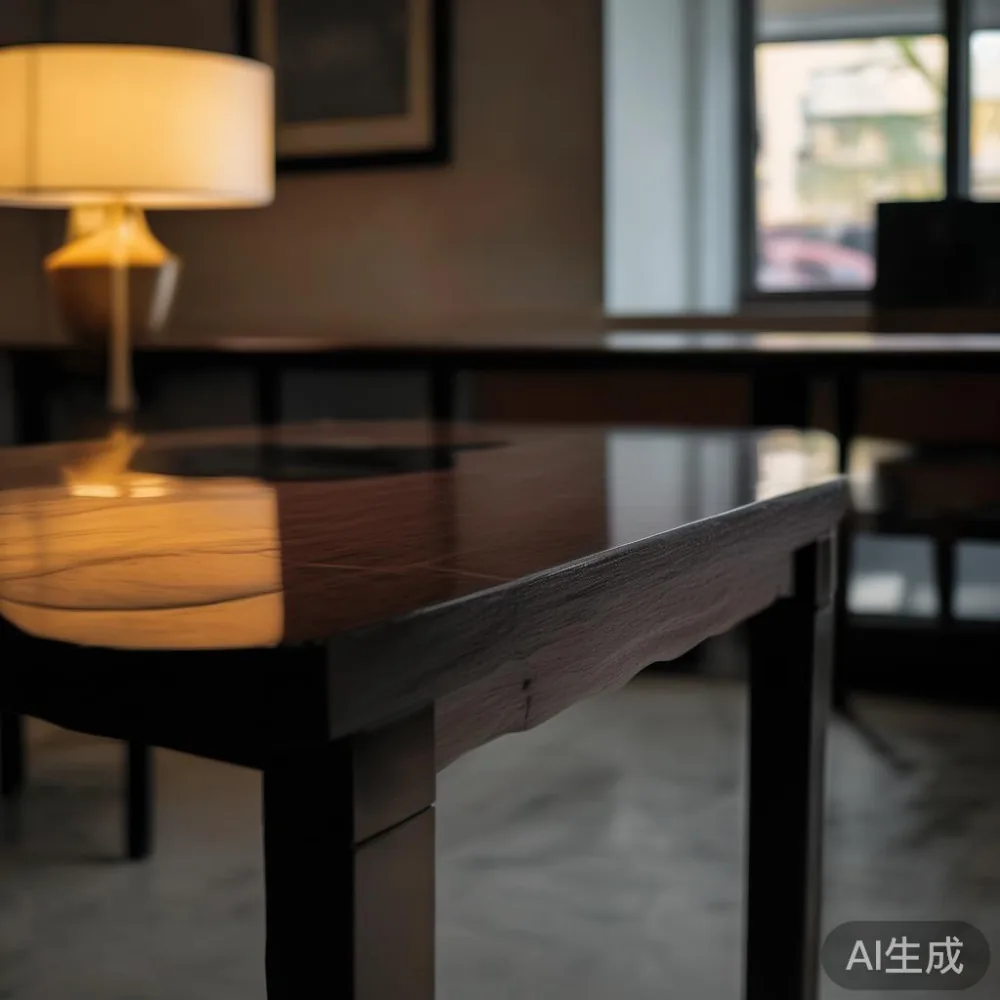
I last month visited a client’s renovated HDB flat in Tampines with a lacquered standing desk beside a wide window. The desk was 140 cm long, 70 cm deep and 75 cm high in its seated setting. Its surface had developed a faint ring mark from a cold glass and several dull patches where elbows rested. I tested three careful treatments on a hidden section: a lightly damp microfibre cloth, a pH-neutral wood cleaner and a small application of suitable care wax. The damp cloth lifted loose dust, the cleaner removed mild residue without dulling the finish, and the wax restored a more even sheen. The result was encouraging, but the client’s habit of leaving a mug open overnight was the real source of the marks.
That visit illustrates the point: tropical care is less about aggressive restoration and more about controlling moisture, heat, contact and routine cleaning. MIDHILL applies the same disciplined approach to lacquered furniture, combining a restrained finish with solid wood construction and a 10-year structural warranty. A standing desk should feel refined when used every day, not precious.
Why humidity and heat affect lacquered surfaces
Singapore’s relative humidity commonly sits between 65% and 85%, with coastal conditions and afternoon showers adding moisture to indoor air. Lacquer is normally a cured film applied over wood or another prepared base. It is more stable than unfinished timber, but it can still respond to repeated swelling and contraction, prolonged heat and chemical attack.
The main risks are:
- Water rings: mineral content in tap water can leave a visible mark after a glass sweats or a mug remains wet.
- Heat blisters or haze: a hot laptop, lamp or metal tool left directly on the surface may soften or imprint the film.
- Surface dulling: dust, skin oils and residue from hand sanitiser can make a smooth finish look cloudy.
- Edge wear: the front lip of a standing desk receives repeated contact and is often the first place for the lacquer to thin.
- Joint movement: wood expands across its grain as humidity changes. Small, controlled movement is normal; sudden wetting and dry heat can exaggerate it.
Keep the standing desk away from direct afternoon sun where possible. In a Punggol condo with west-facing glazing, place blinds with a solar-shading fabric and maintain at least 60 cm of clear space between the desktop and the glass. Use a coaster measuring at least 8 cm by 8 cm, and do not place the desk directly beneath an air-conditioning vent that produces a continuous cold draft.
What should a lacquered standing desk be made from?
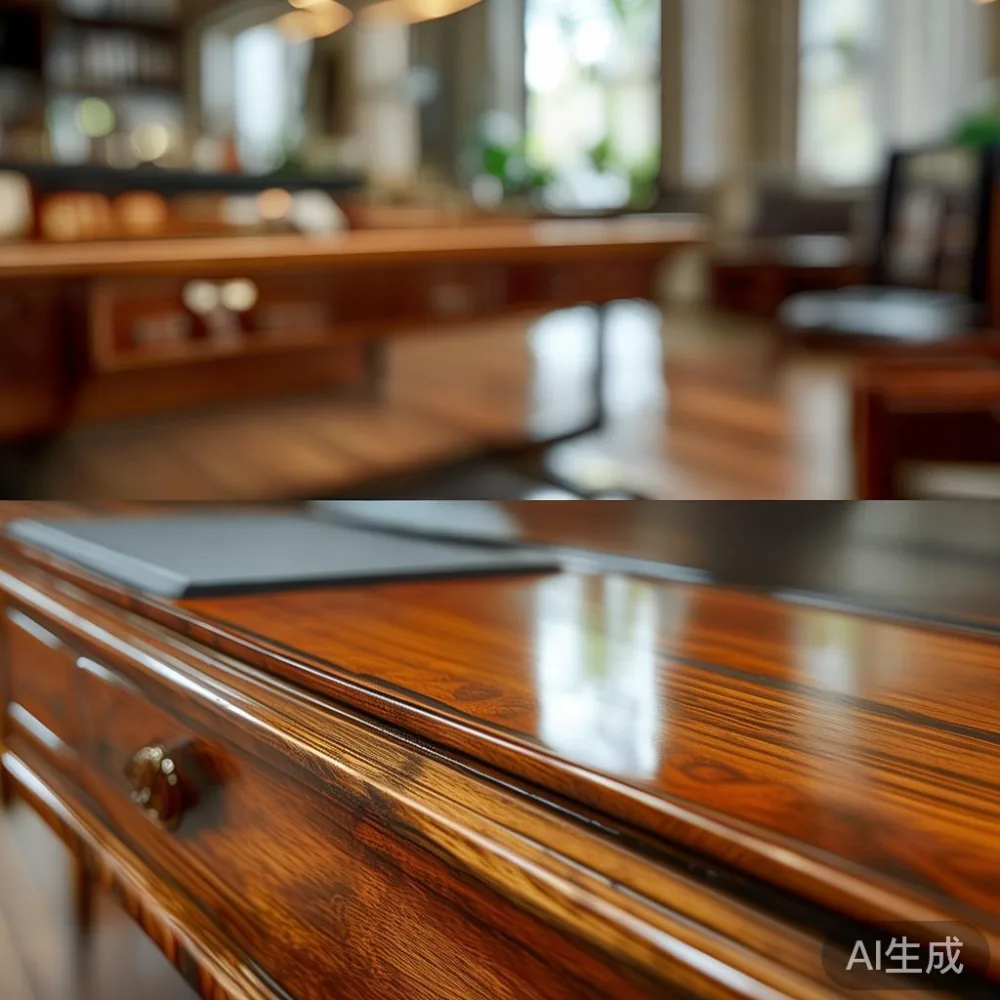
Look for a stable core, even edges and a finish applied under controlled conditions. Solid wood internal components help the desk resist movement, while the lacquer should feel smooth under the palm and show no pinholes, orange peel, trapped bubbles or rough seams. At an ordinary inspection distance of 60 cm, a refined surface should look consistent rather than mirror-perfect.
The design matters as much as the coating. A 140 cm desktop offers enough space for a 60 cm monitor, keyboard and notebook, yet it may feel crowded in a compact HDB study. A 120 cm option works better beside a 90 cm wall, while a 160 cm model needs a clear run of at least 165 cm. The standard working height is usually 72–76 cm; the lifting system should move smoothly from about 65 cm to 125 cm, giving seated and standing positions without the surface wobbling.
For buyers comparing pieces, ask for the lacquer’s care instructions rather than assuming every “wood” finish behaves identically. Confirm whether the desktop is solid wood, veneer or an engineered panel, and whether the lacquer is natural, water-based or solvent-based. Ask whether touch-up coating is available and how a local repairer should treat a damaged corner.
This is also where European-style planning becomes useful. Searching for how to choose European light luxury wardrobe can prompt you to compare proportions, hardware, finish consistency and long-term service rather than focusing only on a decorative front. The same scrutiny applies to a standing desk, where the lift, frame, surface and daily ergonomics must work together.
How to clean a lacquered surface without damaging it?
Begin with a soft, clean microfibre cloth. Dry dust first with short strokes, then use a second cloth lightly dampened with water. The cloth should be damp, not dripping: squeeze it over the sink so that no liquid runs from the edge. Wipe in the direction of the grain and dry immediately with a separate cotton cloth.
For fingerprints and light marks, dilute a pH-neutral wood-surface cleaner according to its label, commonly using 5 ml for 500 ml of water. Apply the solution to the cloth rather than the desk. Test it on a 10 cm by 10 cm area for 10 minutes, then check for dulling or colour change before treating the full panel. Avoid ammonia, bleach, alcohol, acetone, abrasive pads, metal wool and household glass cleaner.
After cleaning, inspect under daylight and at an angle of about 45 degrees. A healthy lacquer should show continuous reflection rather than patches. If a ring remains, use a product approved for the specific lacquer and rub gently with a soft cloth. Deep scratches, bubbles or lifting should be handled by a refinisher; household wax cannot rebuild missing film.
Do not use “cheap light luxury furniture” as a reason to ignore care instructions. Even an attractive, well-proportioned piece needs the correct maintenance method, and low price offers little protection if the finish is incompatible with a strong cleaner.
Can a hot mug or laptop damage the lacquer?
Yes, even when the underlying wood is protected. Lacquer can soften above roughly 60–70°C depending on its formulation. A mug at 65°C, a laptop base reaching 55°C and a lamp at 70°C can each leave a haze, oval stain or permanent depression.
Use a heat-resistant pad beneath hot drinkware, with a minimum diameter of 10 cm. Place laptops on a ventilated stand with at least 5 cm of clearance below the desktop. Fit silicone feet beneath the device so that it cannot slide, and avoid turning a closed laptop over while its base is warm.
Keep metal tools, keys and watch buckles in a tray. Position that tray at the rear edge so it does not interfere with the 140 cm width of the work area. On a lift desk, add a slim cable channel so charging leads do not cross the surface, and check that the moving column does not pinch the cable at the lowest position of 65 cm.
How often should a standing desk be treated in Singapore?
A light dusting every 2–3 days is usually enough in a tidy home. Damp-clean the desktop once every 2–4 weeks, adjusting for cooking residue, open windows and heavy use. Do an annual inspection each March or before the hottest months, checking the lifting system, fasteners, feet, cable channel and lacquer edges.
Inspect humidity with a simple meter kept near the work area. Readings below 60% are generally preferable for stable timber and lacquer, while a reading above 70% calls for more frequent wiping and better air circulation. Aim for 50–65% relative humidity where the building allows it. Run air conditioning for 30–60 minutes before sitting down, close windows during heavy rain and use a dehumidifier if the meter remains above 70% for several hours.
Never place wet laundry, a damp towel or a flower vase directly on the standing desk. A vase may leak for hours without anyone noticing, and the perimeter seal can trap moisture against the lacquer. Use a tray with a 2 cm raised lip and empty it daily.
How should a lacquered standing desk be stored between uses?
Lower the desktop to its seated position when it is not in use. This reduces the exposed height, limits accidental contact and keeps the lifting columns in a familiar position. Leave a 10 cm gap between the desk and nearby drawers when it is raised; do not wedge the desktop against a wardrobe or bed frame.
For long-term storage or relocation, remove the desktop only if the manufacturer permits it. Wrap it in a breathable cotton sheet rather than plastic, then add a protective layer around the edges. Never seal wood for weeks in humid conditions, as trapped moisture may cause mould or a faint musty odour.
Before delivery through an HDB corridor or condo lift, measure the packed unit. A desktop box of 145 cm by 75 cm by 12 cm will not always turn easily inside a 90 cm-wide corridor. MIDHILL can coordinate delivery details, and shipping is free for orders over US$350. Allow 7–14 delivery days after dispatch to Singapore, with the exact lead time confirmed at checkout.
What should I do if the lacquer is scratched, stained or peeling?
First determine whether the issue is in the coating or the substrate. A superficial scuff can often be polished with a lacquer-safe product. A white mark, stain or tiny bubble needs assessment before treatment. Peeling edges, lifting film or broad dull patches require professional refinishing.
For a small scratch, clean the area, apply the approved colour-matched touch-up material with a fine swab and allow it to cure for at least 24 hours. Keep pens, tools and keys away during that period. Photograph the damage under daylight and include the measurements in a service request; this makes diagnosis faster and helps preserve the warranty record.
MIDHILL provides a 10-year structural warranty and lifetime refinishing on eligible furniture. Structural coverage is not the same as accidental surface damage, so confirm what the refinishing service includes before purchasing. Ask for written care instructions and keep them with the receipt.
How do I style a lacquered standing desk in an apartment?
Use the desk as a calm architectural element rather than a crowded display. In a Bedok HDB flat, a 120 cm-wide standing desk against a 95 cm alcove can leave only 8 cm on each side once the lift mechanism and sockets are accounted for. In a Tampines flat, a 140 cm model may fit comfortably between a 90 cm corridor return and a 110 cm window wall.
A restrained palette works well with lacquer: warm oak, cream, pale greige and one darker accent. Add a ceramic vessel, a framed print no larger than 40 cm by 50 cm and a single lamp with a 25 cm shade. Keep the centre 60 cm by 30 cm clear for keyboard and writing.
For a broader room, a solid wood sofa with slim legs and a dining table in matching timber create continuity with the desk frame. A marble table may provide contrast, but its hardness and cool surface require coasters on every lacquered or timber surface. Pair a marble table with matte ceramics and avoid placing it directly beside a humid plant.
The same principles appear in guides to how to style light luxury bed in apartment and how to style European bed in apartment: control the visual load, preserve circulation and let one or two materials carry the character. A standing desk is more functional, but the discipline still applies.
Is European sofa worth it when matching a lacquered standing desk?
The question is less about country of origin and more about fit, construction and finish. A European sofa can suit a Singapore condo if its seat depth, arm profile and proportions suit the room, and if the upholstery can withstand humidity. For a living room, leave 75–90 cm between the sofa and the desk area so the work zone does not become obstructed.
If you are asking whether is European sofa worth it in your specific layout, compare the frame warranty, removable covers, cushion recovery and local cleaning support. Sit on the sofa for 15 minutes and check whether the seat feels supportive without forcing a slouched posture. Position it at least 30 cm away from the standing desk’s rear cable area.
Buyers also search for under 2000 Italian light luxury furniture, but origin labels cannot reveal every maintenance variable. For a Singapore home, ask about tropical adaptations, replacement parts and after-sales care. A wardrobe, nightstand, bed frame, dining table, marble table and solid wood sofa may all share one visual language, yet each material still needs its own cleaning method.
What is the simplest care routine for Singapore homes?
Use four items: a dry microfibre cloth, a damp cotton cloth, a pH-neutral cleaner approved for lacquer and a 10 cm coaster. Keep them together in a small drawer or caddy. Wipe spills within 5 minutes, dry standing-desk surfaces immediately, check the finish monthly and schedule a detailed inspection once a year.
In a family home, teach children and visitors one rule: nothing hot, wet or gritty touches the lacquer. A 20 cm serving tray, a pen cup and a separate key tray prevent most avoidable marks. If the desk stands near a balcony door in Punggol, close it during squalls and keep the surface 60 cm from the doorway.
Good lacquer care is measured in minutes and consistency. The coating should retain its smooth feel, clear reflection and even colour through 5 years of daily use, provided moisture, heat and spills are managed. That is the practical meaning of French light luxury in a tropical apartment: disciplined material care, refined proportions and furniture that remains comfortable rather than merely conspicuous.
For Singapore shoppers comparing options, collect measurements before checkout, review the finish warranty, calculate GST and compare the delivered price in SGD rather than relying on overseas figures. A well-chosen standing desk becomes easier to maintain when every surrounding decision supports the same care standard.