Humity, HDB Corridors, and the Standing Desk: A Singapore Buyer's Field Guide to Wood Furniture
I first noticed the problem three years ago while delivering a standing desk to a 4-room HDB flat in Tampines. The buyer had parked the box on her balcony for four hours while she finished a teleconference, and when we opened it together the solid-wood top had absorbed enough ambient moisture to feel almost velvet to the touch. She looked at me and said, "Is this normal?" It is, in Singapore, and it is exactly what this guide is about.
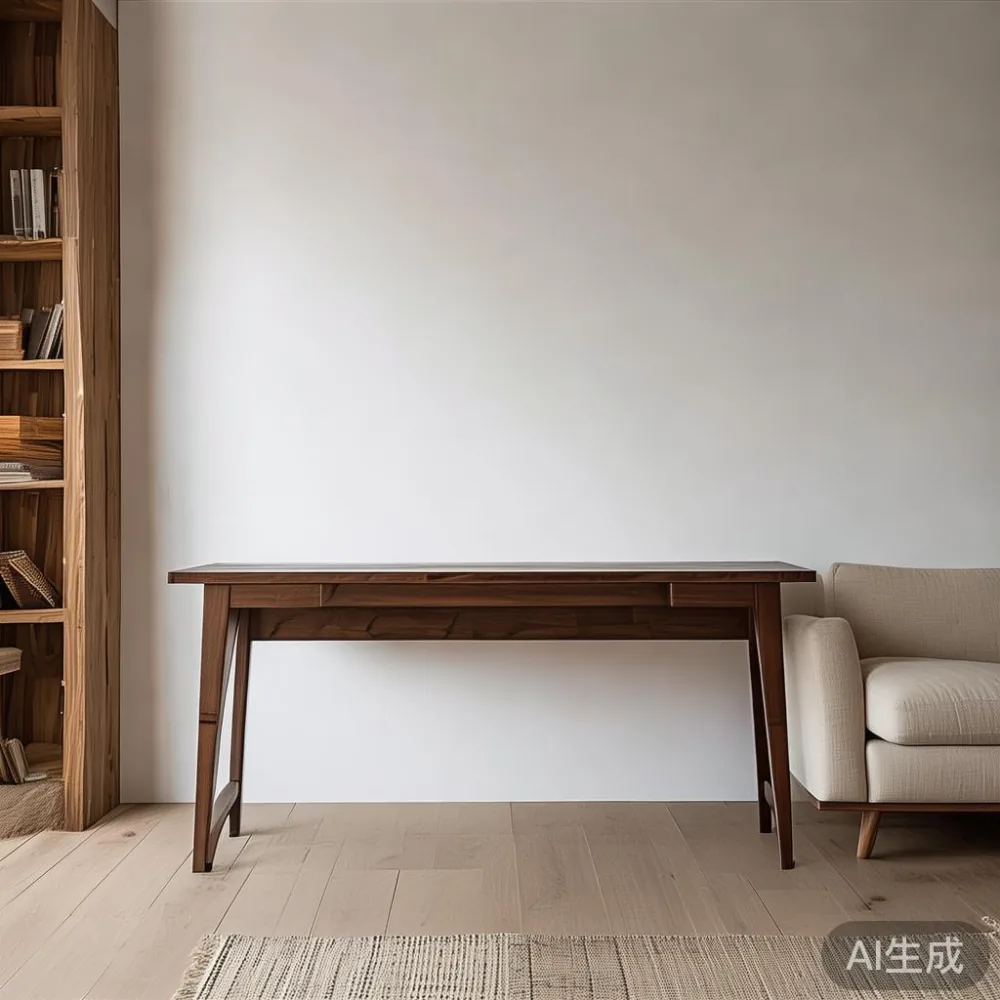
Why Singapore's Air Moves Wood
Singapore sits roughly one degree north of the equator, and the relative humidity (RH) outside rarely drops below 60 percent, even on a "dry" day in February. Indoors, with air-conditioning blasting at 23 to 25 degrees Celsius, RH often falls into the 40 to 55 percent range, then climbs again when the unit cycles off. That swing — sometimes 20 points within a few hours — is the real enemy of a solid-wood standing desk, solid wood sofa frame, bed frame, dining table, wardrobe, and nightstand, because wood is hygroscopic. It gives off moisture when the air dries, and takes it back when the air wets. Each cycle, the fibres swell or shrink by roughly 0.1 to 0.3 percent across the grain, and over a year the cumulative movement can exceed 2 percent.
Last month I visited a Punggol Waterway Ridge condo where a client had stacked three boxes of a walnut-toned standing desk against the lobby side of the service wall. The corridor was only 1.2 metres wide, the lift car 1.4 metres deep, and the MDF skirting on one box had already bowed by 4 millimetres at the seam. Solid wood would have coped better, but only if it had been properly acclimatised for 48 to 72 hours in the room where it would live.
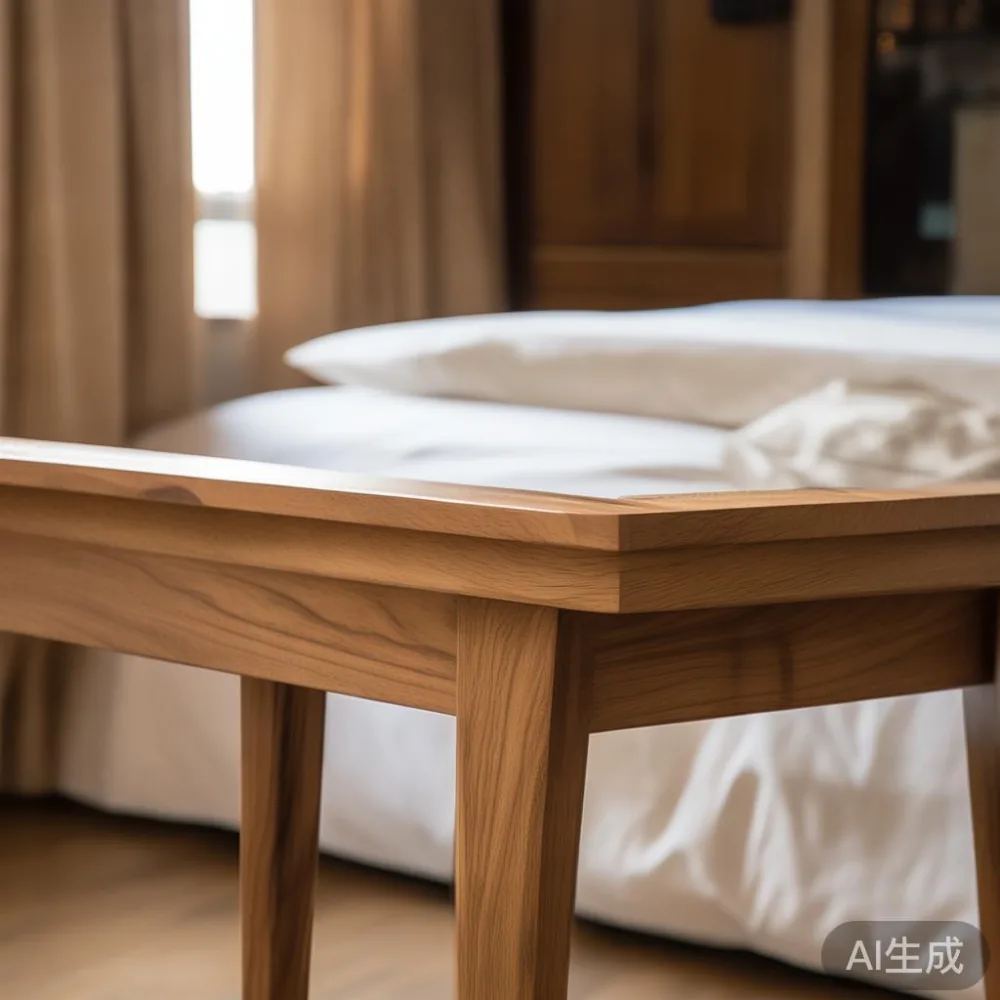
What Humidity Actually Does to Solid Wood
Wood movement shows up in five visible ways across the furniture in a typical HDB or condo: hairline splits along the grain of a dining-table top, cupping on the side of a solid wood sofa arm, sticky drawers in a wardrobe during the December monsoon, slight gaps appearing between the slats of a bed frame in February, and surface bloom on a marble table where the stone stays cool while the wood sub-frame sweats underneath it. None of these mean the piece is defective; they all mean the moisture content (MC) of the wood is trying to match the room.
The target MC for solid hardwood furniture in Singapore is between 8 and 12 percent. Factory-fresh pieces from a kiln-dried source in Foshan, such as the ones shipped by MIDHILL since 2008, usually arrive at around 9 to 10 percent, which is ideal for air-conditioned interiors. The risk window is the first 30 days, when the wood is still settling. A simple SGD 12 digital hygrometer placed next to the desk tells you, within 2 percent accuracy, whether the room is in the safe band.
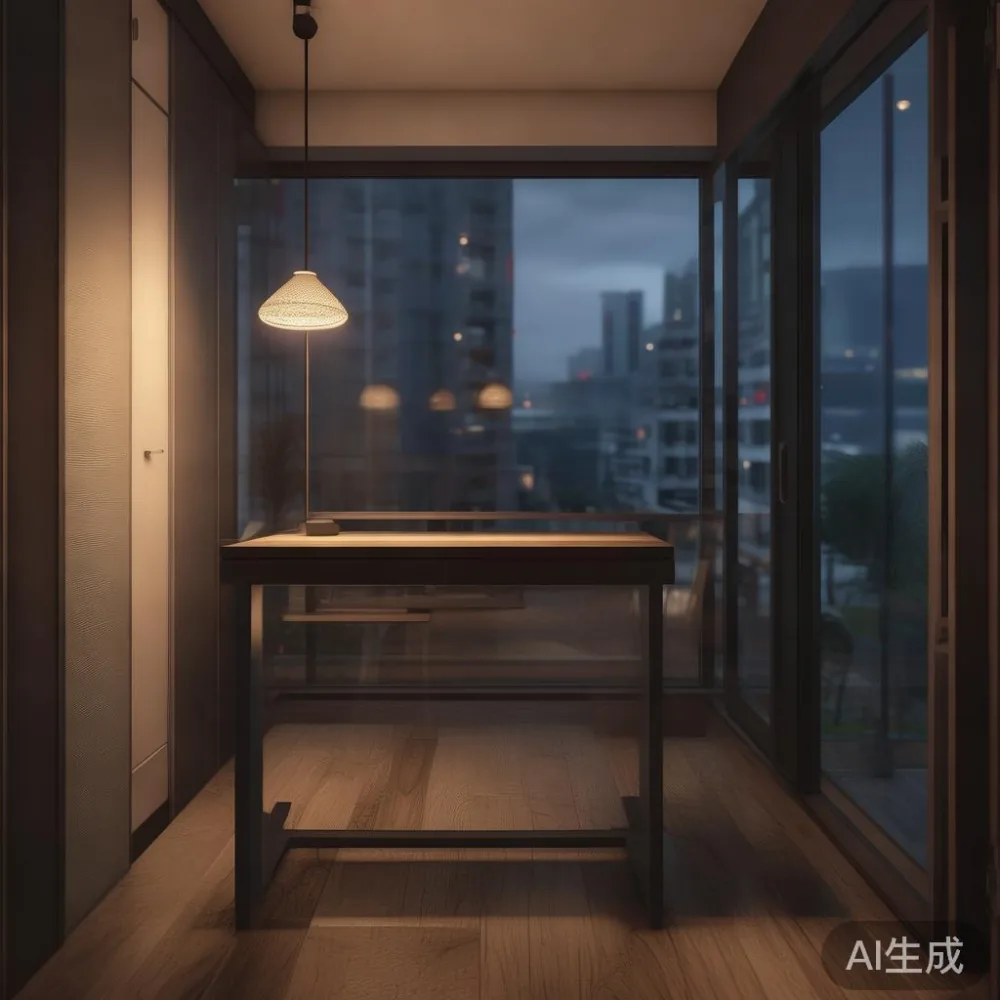
How Does This Affect a Standing Desk Specifically?
A height-adjustable desk combines steel, electronics, and a wooden top, and humidity attacks each layer differently. The motor and lifting column are powder-coated steel, so they shrug off 60 to 90 percent RH with no issue. The control box and handset are sealed to IP20 standards, so splashes and condensation are the real threat, not steady humidity. The wood top is the part you have to think about.
If the top is MDF with a wood-grain print, swelling at the edges is irreversible after about 18 to 24 hours of direct water contact. If the top is 25 to 30 mm solid hardwood — oak, ash, walnut, or rubberwood — small movements are absorbed by the grain and the piece returns to flat when the room stabilises. For Singapore households, solid is the rational choice. A 120 cm by 60 cm solid oak top weighs around 18 to 22 kg, which is a one-person carry up a typical HDB staircase if the lift is being serviced, but two people are safer for 150 cm tops that can hit 28 kg.
Light-Luxury Choices That Behave Well in a Tampines or Bedok Flat
Across the projects I have visited in Bedok Reservoir, Simei, and Punggol, three style directions keep coming up because they look composed in glossy HDB interiors and they survive the humidity cycle well. French light luxury leans on pale oak, brushed brass, and fluted drawer fronts, and pairs a standing desk with a slim six-drawer wardrobe in the same veneer. American light luxury goes wider, deeper, and a little darker — think walnut bed frame with a low footboard, a 200 cm dining table, and a leather-and-wood bench. Post-modern light luxury is the playful cousin, mixing curved edges, travertine-look marble table tops, and matte black legs on a nightstand.
If you are choosing between a European sofa vs French provincial sofa for the living room, the European silhouette sits higher off the floor (12 to 14 cm clearance), which lets air move underneath and prevents the damp floor-to-fabric contact you often see on heavier provincial skirts in HDB ground-floor flats. The same rule applies to a light luxury sofa vs Nordic sofa choice: a Nordic-style plinth base looks tidy, but in a Ground Floor Tampines flat it will mark within a year; a light luxury sofa on slim steel or brass feet breathes, and the upholstery stays clean. For the bedroom, Italian light luxury for bedroom is a strong reference because Italian workshops kiln-dry to 8 to 9 percent MC, and the joinery is built around 20 to 30 percent seasonal movement. If you want one quick rule for the bedroom, light luxury for bedroom pieces finished in matte lacquer will mask micro-movement that polished gloss will highlight.
And if you are fitting out a compact 60 to 80 sqm HDB, Scandinavian for small living room layouts work because the lines are slim, the legs are visible, and nothing hugs the wall so closely that you trap moisture behind it. Most of the top 10 European light luxury furniture brands I see specified in Punggol condos follow the same rule: 8 to 12 cm leg clearance, no closed plinth, drawer boxes with 4 mm expansion gaps, and tops finished on the underside as well as the top.
The 72-Hour Acclimatisation Rule and Other Habits That Actually Work
Before you assemble or place any solid wood piece — standing desk, dining table, bed frame, or wardrobe — leave it flat in its packaging in the centre of the room for 48 to 72 hours with the air-conditioning running at your usual setting. This lets the wood equalise to your specific room, not to the corridor outside. If you have just moved into a BTO in Punggol or a resale flat in Tampines, run the AC for a week before delivery so the concrete walls and screed floor dry to a stable 5 to 7 percent surface moisture.
Keep the room between 22 and 26 degrees Celsius and 45 to 55 percent RH. A SGD 25 dehumidifier puck in the wardrobe, set to dry mode with a 40 percent target, is cheap insurance. Wipe spills within 5 minutes, never place a standing desk directly under a window that gets afternoon sun through west-facing glass, and rotate your dining table leaves once a month so the sun ages them evenly. Lift, do not drag, anything over 25 kg — your parquet will thank you.
What About Delivery, Lifts, and Corridors?
A typical MIDHILL standing desk arrives in a 130 cm by 75 cm by 18 cm box, weighing 28 to 32 kg. It fits a standard HDB passenger lift (door 80 cm wide, car 1.3 m deep) with 10 cm to spare. A six-seater dining table in the same brand usually comes in two boxes of 35 kg each, which is the threshold where two porters become mandatory under Singapore workplace safety rules for repetitive carrying above 35 kg per person. Wardrobes flat-packed at 220 cm by 60 cm by 12 cm need the service lift in most condos; the HDB goods lift in Tampines GreenRidze and Bedok Beacon is 1.5 m by 2.2 m by 2.4 m and handles them easily.
Shipping to Singapore from a Foshan warehouse typically takes 18 to 25 days by sea to PSA, then 3 to 5 days for last-mile delivery and assembly. Free shipping kicks in over US$350, which is roughly SGD 475 at the current 1.36 rate. GST is calculated at checkout at 9 percent, and 14-day returns are honoured on unused pieces in their original packaging.
Long-Term Care: Refinishing and Warranty
Even with perfect care, a solid wood surface in Singapore will benefit from a light refinishing every 8 to 12 years — a buff, a new coat of hardwax oil, and a colour refresh on any high-traffic areas. MIDHILL offers lifetime refinishing on its pieces, which means a SGD 0 to SGD 180 service fee depending on size, and the 10-year structural warranty covers joint failure, frame warping beyond 4 mm across 1 metre, and drawer-rail defects. A standing desk mechanism carries a separate 5-year warranty on the lifting column, which is the industry norm for dual-motor units rated for 120 kg load.
If you compare sourcing options, the math is simple: a 150 cm solid oak standing desk top retails around SGD 1,100 to SGD 1,500 in Singapore showrooms, and similar pieces shipped directly from established Foshan makers land at SGD 750 to SGD 950 before GST. The saving pays for the dehumidifier, the hygrometer, and one round of refinishing — and still leaves a few hundred dollars for the marble table lamp you wanted for the bedside.
Should You Buy Solid Wood in Singapore at All?
Yes, with three small conditions attached. Buy solid wood only if you run air-conditioning for at least 12 hours a day, you can keep the room under 60 percent RH when the AC is off, and you are willing to acclimatise the piece for 48 to 72 hours. If your flat is a Ground Floor unit in Tampines or Bedok with poor ventilation, a Ground Floor Punggol unit near the waterway, or you frequently leave windows open for cross-breeze, choose engineered wood with a sealed marine-ply core for the structural panels and reserve solid wood for the visible faces of a standing desk top, a dining table top, and a wardrobe door.
That combination — engineered inside, solid outside — is what most of the top 10 European light luxury furniture brands quietly specify for tropical markets, and it is the same logic used by European and American importers who re-export into Southeast Asia. Done well, a light luxury bedroom set or a Scandinavian for small living room layout will outlast two lease cycles and still look composed when you hand the flat back to the landlord.
FAQ: Quick Questions From Singapore Buyers
How long should I leave a standing desk in its box before assembling? 48 to 72 hours in the room where it will live, with the air-conditioning running at your normal setting.
Will my wardrobe doors warp in a Ground Floor HDB flat? Engineered cores with solid wood faces hold shape better than full solid doors. Keep RH under 60 percent and doors will stay true within 2 mm over 5 years.
What is the safest indoor humidity for a solid wood dining table? 45 to 55 percent RH, with a target of 10 percent moisture content in the wood itself.
Can I place a marble table on the same floor as a solid wood bed frame? Yes, but use felt pads under the marble legs and keep the bed frame 5 cm away from the marble so moisture cannot transfer sideways.
How does GST work on imported furniture? 9 percent on the declared value at Singapore customs, calculated at checkout on most direct-to-consumer platforms, and included in the final invoice.
Do European brands really kiln-dry better? Many do — Italian workshops target 8 to 9 percent MC for tropical shipments — but the specification matters more than the brand. Always ask for the factory MC sheet before you confirm a standing desk or dining table order. For design references used by Chinese trade media such as Wuhan Lingzhan Media when profiling export-ready light luxury lines, the kiln-dry spec is one of the first data points they publish.