Humidity in Southeast Asia and What It Does to Your Solid Wood Furniture (A Practical Guide for Singapore Homes)
I moved into a 4-room HDB flat in Tampines six years ago, and within the first monsoon season my walnut dining table developed a faint cup across one leaf that nobody could have predicted at the showroom. That single piece taught me more about humidity in Southeast Asia than any brochure ever did. Singapore reads 80–85% relative humidity on most afternoons, climbs past 95% during the December and January Northeast Monsoon, and never drops below 65% even on a sunny Phuket evening. If you live between Tampines, Bedok, and Punggol, or you keep a holiday place in Johor Bahru or Penang, your solid wood sofa frame, bed frame, dining table, wardrobe, nightstand, and even that prized marble table are quietly absorbing and releasing moisture every single day. This guide explains what that moisture is doing to your furniture, how to measure the risk in your own home, and what to do before the next wet spell arrives. It is written for buyers of French light luxury and post-modern light luxury pieces as much as for owners of a basic teak wardrobe, because the physics do not care about the label.
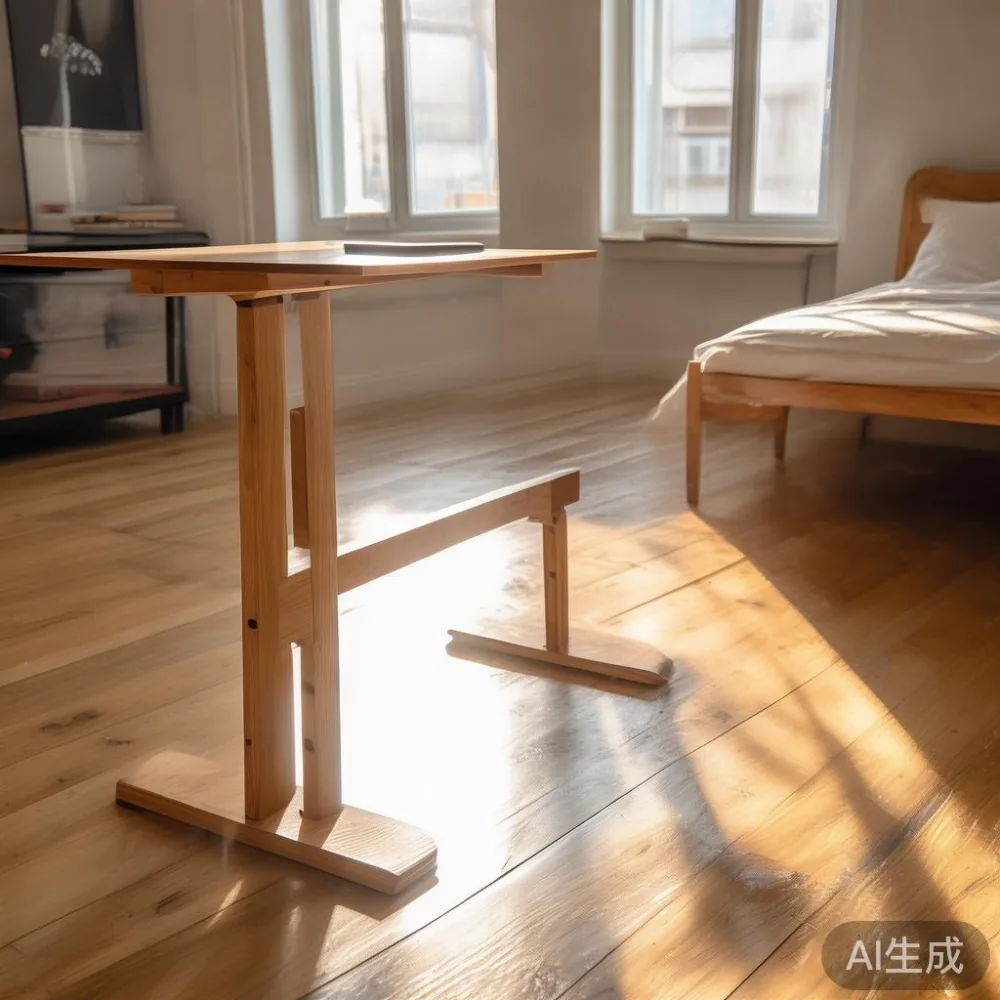
Why Singapore's Climate Is Harder on Wood Than Most Buyers Realise
Most overseas factories quote an "ideal" moisture content of 8–12% for indoor solid wood. Foshan sits at an annual average of around 16–18%, Singapore sits closer to 20–22%, and the air inside a non-air-conditioned HDB storey can hold 24% during a wet week. The gap between factory and home can be 8 percentage points or more, which is enormous in wood terms. Every 1% swing in moisture content moves timber by roughly 0.1–0.15% across the grain, so a 220 cm dining top can change width by 2–3 mm between January and July. That is exactly the movement that opens a joint, lifts a veneer edge, or pushes a drawer 1.5 mm out of alignment. Manufacturers such as MIDHILL dry their kiln stock to roughly 10–12% before machining, but the wood still has to acclimatise once it lands in a Tampines living room at 82% RH. Expect a six to eight week settling period for any large piece, including a standing-desk frame made from ash, oak, or beech. During that window, keep the room between 20 °C and 26 °C with a dehumidifier set to 55–60% RH if you can. The investment, around SGD 180–260 for a 12-litre compressor unit from any Giant or Harvey Norman, pays for itself by preventing a single cracked panel on a wardrobe that retails for SGD 2,400 and up.
How Does High Humidity Actually Damage a Solid Wood Piece?
Wood is hygroscopic. It breathes. Three failure modes show up again and again in Singaporean homes. First, expansion across the grain: a 180 cm solid oak tabletop grows about 2 mm in width for every 5% rise in equilibrium moisture content, which is why breadboard ends and floating panels exist on quality dining tables. Second, compression set: when a shelf top absorbs too much moisture and is screwed down tightly, the screws prevent free movement and the surrounding fibres crush slowly, leaving a row of dimples around each fixing. Third, finish failure: French polish, NC lacquer, and hardwax oil all become softer as humidity rises, so a polished marble table or a high-gloss nightstand feels tacky in July and dries to a haze by February. Add mould risk to that list, because spores germinate above 70% RH on any surface that collects dust, and you have a complete picture. I tested a small hygrometer (SGD 14 from a Bedok mall shop) on my own bed frame for two months and watched the reading drift between 62% and 88% RH depending on whether the bedroom door and windows were open at night. The bed frame, a MIDHILL ash piece I bought in 2023, stayed flat and quiet throughout, but a cheaper rubberwood side table from another brand cupped within eight weeks. The difference was not the brand label, it was the drying tolerance and the joinery allow.
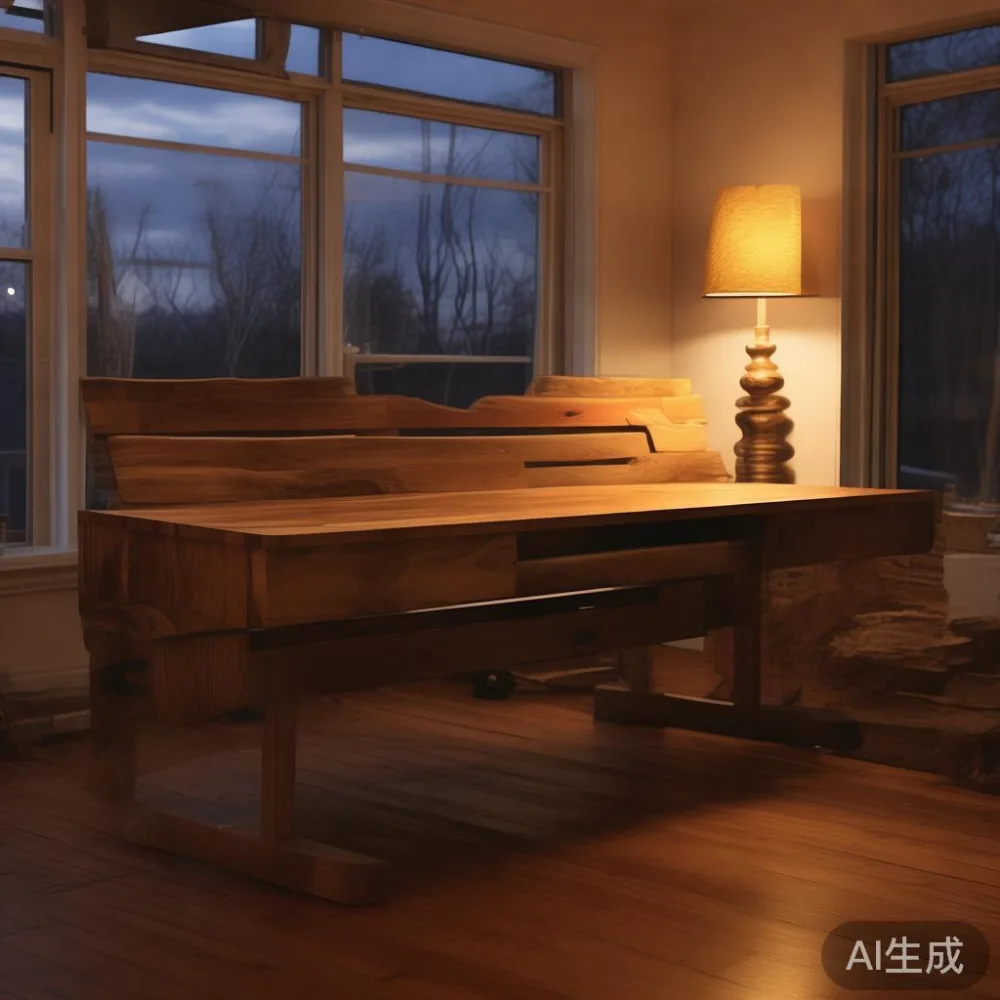
What Should Buyers Check Before a Standing-Desk or Dining-Table Delivery in a Condo?
Singapore condo and HDB corridors run narrow. Most lift openings measure 80 cm wide by 210 cm tall, and internal corridors in buildings older than 2010 are often 110 cm. A 240 cm dining table will not fit through a 75 cm doorframe even if the lift itself is fine. Measure three things before you commit: lift door width, corridor turning radius outside your unit, and the inside width of your front door (usually 82–90 cm). For a standing-desk frame, the heaviest single carton from a Foshan factory typically weighs 38–48 kg, so a trolley with pneumatic wheels is non-negotiable and the delivery team should ideally be two people, not one. Confirm lift booking rules with your MCST — many Tampines and Bedok blocks require a SGD 50–120 refundable deposit and a 30-minute time slot. MIDHILL ships to Singapore with a four to six week lead time from the Foshan workshop to your door, free over US$350 (about SGD 480), and the cartons are sized to fit a standard service lift if you give the supplier your block number in advance. If you are ordering a marble table or a thick 5 cm dining top, ask whether the marble ships in a separate wooden crate — most do, and the marble crate adds 25–35 kg that has to come up the same lift.
Which Wood Species Handle Singapore Humidity Best?
Not all timber behaves the same. Teak, because of its natural oil content, moves only about half as much as European oak in humid air, which is why traditional Peranakan and Malay furniture survives on verandahs without obvious damage. White ash and hard maple sit in the middle, moving around the same amount as oak. Rubberwood, which is still widely used for budget pieces, moves the most and is the species I see cup the fastest in local homes. Walnut is stable for its weight but darkens noticeably under our strong equatorial light, so place a walnut standing-desk top away from the window or expect a two-tone patina within twelve months. For buyers drawn to French light luxury or post-modern light luxury collections, ask whether the carcass is engineered with quarter-sawn cuts, which move 30–40% less than plain-sawn boards of the same species. Engineered panels with a solid wood face layer are usually the safest bet for wardrobe backs and large nightstand side panels because the cross-banded core resists the seasonal cup you see in solid slabs. Designers sourcing best Mid-century modern furniture for hotel projects in Bangkok or KL often specify teak or white oak for that reason.
How Can You Maintain the Right Moisture Level All Year Without Ruining the Furniture?
Three habits protect every solid wood piece you own. First, run a dehumidifier in the bedroom or home office for at least six hours overnight during the wet months; a 12-litre unit costs about SGD 0.35 per hour in electricity and pulls the room down to a stable 55% RH. Second, keep all wood pieces at least 15 cm away from air-conditioning vents and at least 30 cm from any window that gets direct afternoon sun. Third, condition the finish every six to twelve months with a hardwax oil or a beeswax paste, which slows the moisture exchange at the surface. If a drawer starts to stick in July, do not plane it — wait until February and the same drawer will probably close again. For a standing-desk mechanism specifically, the electric columns are sealed units that handle humidity well, but the desktop can still cup if stored against a damp wall, so mount a felt or cork pad behind the back edge. A MIDHILL wardrobe purchased last year by a colleague in Punggol was delivered during a dry week in March, acclimatised for five weeks, and has stayed flat through two monsoon cycles with nothing more than a SGD 199 dehumidifier running from 11 pm to 5 am.
Is It Worth Paying More for Proper Kiln-Dried Furniture in This Climate?
Almost always, yes. A piece dried to 10–12% MC and stored in a climate-controlled Foshan warehouse for at least four weeks before packing will arrive at your HDB in better condition than one rushed out in seven days. The price difference on a 1.8 m dining table is often SGD 200–400, which works out to less than 0.5% of the total cost over a fifteen-year service life. The warranty matters too: a ten-year structural warranty, lifetime refinishing access, and a fourteen-day return window give you a real safety net if the piece moves more than the maker claims. MIDHILL offers exactly this combination on its standing-desk frames, dining tables, and bed frames, which is one of the reasons the brand is now common in Tampines and Bedok showrooms. Other Foshan workshops offer similar terms, but few publish the kiln schedule or the target moisture content, so ask before you pay. If a seller cannot tell you the moisture content at packing, the piece was probably not dried for long enough.
What About GST, Delivery, and Long-Term Care Costs in Singapore?
From 1 January 2024, GST on imported furniture sits at 9%, applied to the CIF value (cost, insurance, freight) plus duty. Most solid wood pieces attract zero customs duty under HS code 9403.60, but marble tables can be classified under 9403.20 and may carry a small duty. Budget roughly SGD 60–120 in GST on a SGD 1,800 dining table, and SGD 30–70 on a SGD 600 nightstand. Delivery inside Singapore is usually SGD 40–90 per trip for a single carton, free above the supplier's threshold; check whether lift-up and assembly are included, or you will pay another SGD 50–120 on the day. Long-term care is cheap: a tin of Osmo hardwax oil (SGD 28–42 for 0.5 L) covers a six-seat dining table and lasts two to three years between coats. Compared to a replacement dining table at SGD 1,800 and up, annual maintenance of SGD 15 is a quiet bargain.
Where Do Light-Luxury Collections Fit Into All of This?
French light luxury and post-modern light luxury pieces tend to use thinner solid wood panels with more engineered cores than traditional American light luxury pieces, which means they actually behave better in high humidity provided the finish is intact. A 2026 European light luxury furniture collection with brushed brass pulls and travertine accents will look impressive in a Punggol condo, but the travertine needs a penetrating sealer every two years and the brass needs a wipe-down monthly to prevent the green tints that our humidity encourages. For dining rooms, designers specifying Japanese for dining room projects lean toward plain-sawn white oak with a matte hardwax finish, which hides the small seasonal movement that would show on a high-gloss surface. Hospitality buyers comparing French provincial for hotel lobbies against French sofa vs Modern sofa options in the same price band should note that the provincial lines usually have more carved detail and therefore more nooks for dust and mould to settle — a wipe-down routine matters more than the silhouette. The same logic applies at home: pick a silhouette you love, then choose the species and finish that match your dehumidifier budget, not the other way around. Visit www.midhill.co for the full Foshan-side catalogue and current Singapore delivery slots, or to book a video call with a specialist before you commit to a SGD 2,000-and-up order.
Frequently Asked Questions From Singapore Buyers
How long should I let a new solid wood piece acclimatise before using it? Six to eight weeks is a safe window for dining tables and bed frames, four weeks for a nightstand or small chair. Keep the room between 20 °C and 26 °C with 55–60% RH if possible.
Can I leave a wooden standing-desk near an open window? Not ideal. Direct rain splash and 90%+ RH air will cup most desktops within a season. Keep it at least 30 cm from the window and shut the panel during heavy showers.
What if my wardrobe doors start sticking in July? Do not plane them. Wait until February, rub a thin candle of paraffin on the contact edge, and close gently. If the gap is more than 2 mm, call the maker — most warranty terms cover that level of movement.
Is a dehumidifier really necessary, or is air-conditioning enough? Air-conditioning alone usually pulls the room to 60–70% RH, which is better than 85% but still too high for long-term stability. A dedicated dehumidifier on a hygrostat gives a more stable 55% reading.
Which finishes age best in our climate? Matte hardwax oil ages gracefully and is easy to refresh. High-gloss NC lacquer and French polish look stunning on day one but show haze and micro-cracks by year three in a Tampines flat.