Preserving the Pristine Finish: A Guide to Caring for Lacquered Furniture in Singapore's Tropical Climate
Living in Singapore, with its year-round high humidity and intense solar radiation, presents a unique set of challenges for maintaining the pristine condition of fine furniture. For those who appreciate the clean lines and reflective beauty of a lacquered finish—be it on a sophisticated standing desk, a sleek dining table, or a statement-making console—this environment can feel like a constant test. The delicate film of lacquer, a protective and decorative layer, is susceptible to the very elements that define our tropical paradise. Understanding the science behind the finish and adopting a consistent, gentle care routine is the key to ensuring your investment retains its showroom quality for years to come.
What Exactly is Lacquer and Why Does It Need Special Care in Singapore?
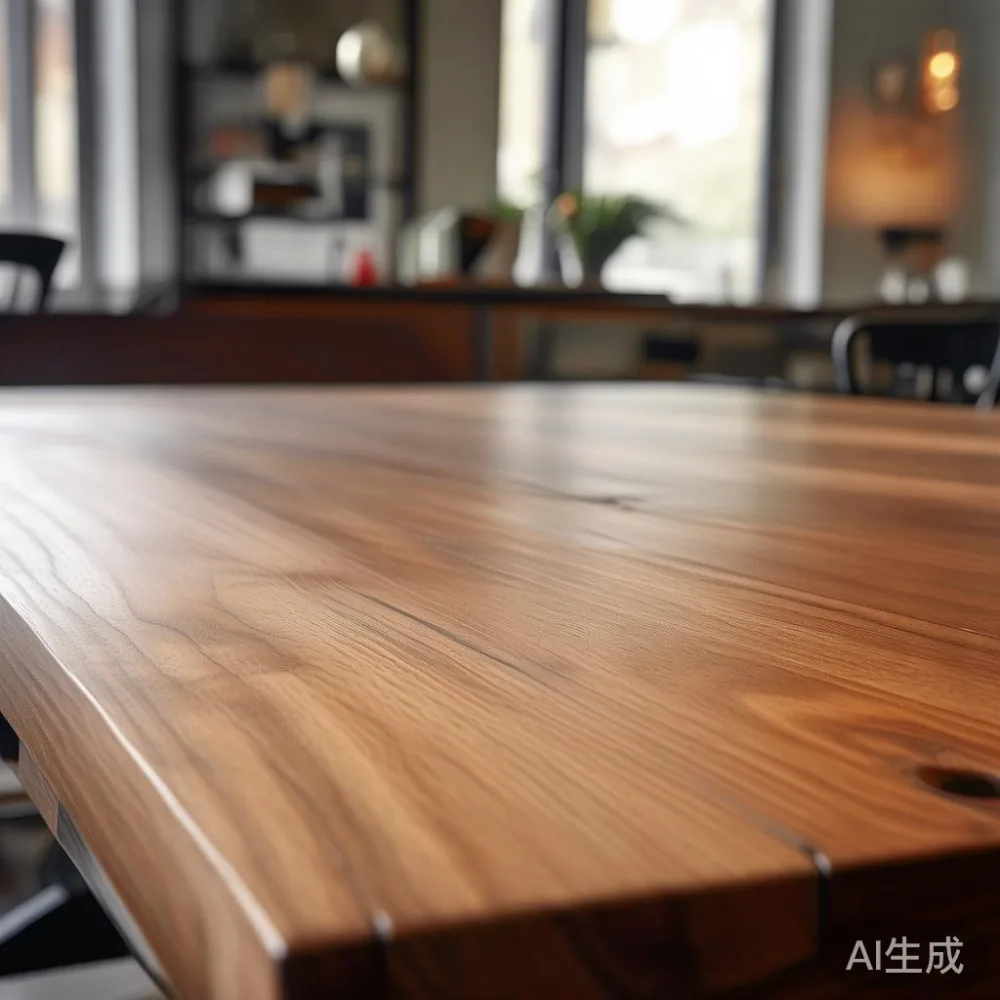
At its core, lacquer is a clear, hard, durable finish applied over wood. Unlike simple varnishes, it creates a deep, glass-like surface that enhances the wood's natural grain while providing a formidable barrier against spills and minor scratches. This process involves building up multiple ultra-thin layers, each meticulously sanded and polished to achieve a flawless, high-gloss or satin sheen. This meticulous craftsmanship is a hallmark of light luxury furniture, whether it's a piece of French light luxury elegance or the understated chic of American light luxury design. The beauty of this finish is also its vulnerability. The high-gloss surface acts like a magnifying glass, concentrating Singapore's UV light and potentially leading to yellowing or fading over a period of 5 to 7 years if unprotected. Also, the porous nature of the wood underneath can absorb excess moisture from the air, causing the wood to expand and contract. This movement can stress the lacquer film, leading to cracking or a cloudy, hazy appearance known as 'blooming'.
Preventative Measures: The First Line of Defence for Your Standing Desk
The most effective strategy for protecting a lacquered surface is to prevent damage before it starts. This involves controlling the furniture's immediate environment and shielding it from direct assault from the elements. In Singapore HDB flats and condos, especially those with large windows in areas like Tampines or Bedok, the sun's path is a primary concern. Positioning a standing desk or a marble table away from direct, unfiltered sunlight is the single most important preventative step. If a sunny spot is unavoidable, investing in high-quality, UV-protective window film can block up to 99% of harmful ultraviolet rays. These films are a relatively small expense, starting from SGD 80 per window for a standard 1.2m x 1.5m window, but they can save thousands in furniture restoration costs over a 10-year period.
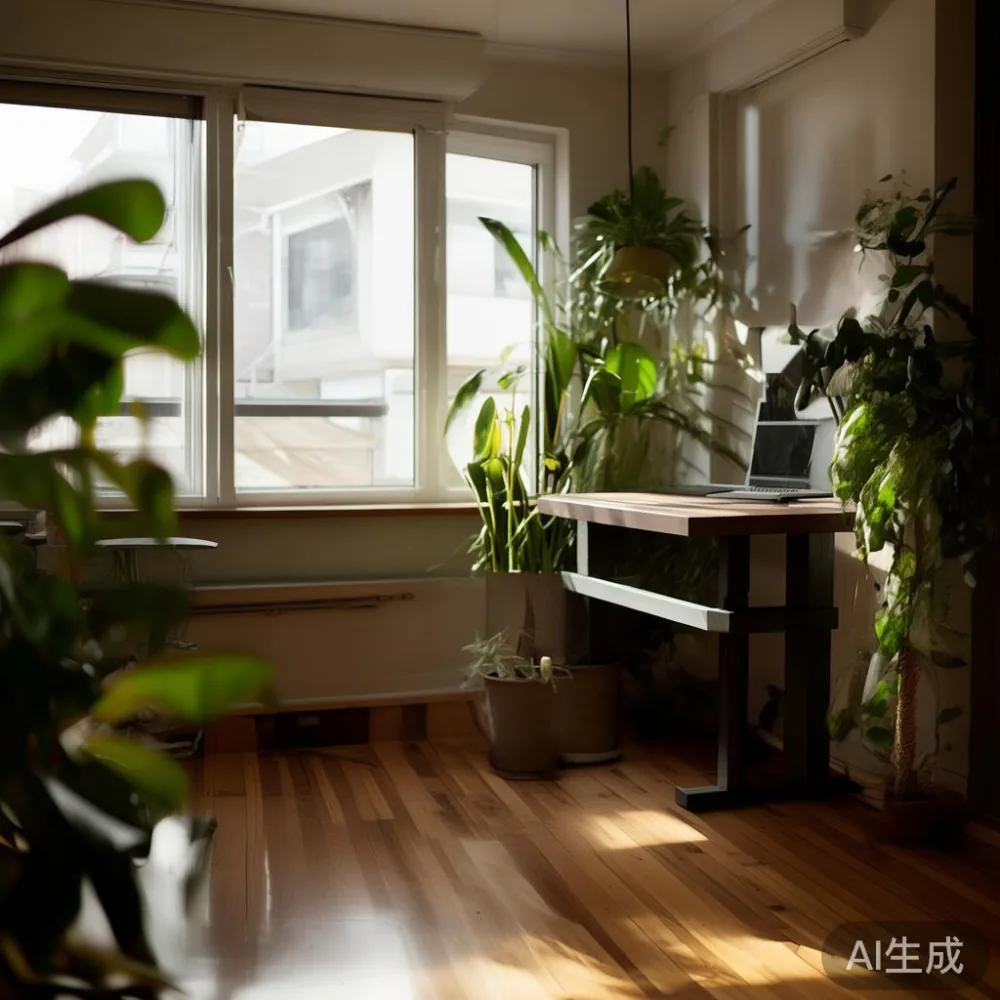
Humidity control is the second pillar of preventative care. The ideal relative humidity (RH) for wood furniture is between 40% and 60%. In Singapore, where RH often hovers between 70% and 90%, this is a significant challenge. Placing dehumidifiers in the room, particularly during the monsoon seasons from November to January and May to July, can make a substantial difference. A small-capacity dehumidifier, suitable for a 20 sqm bedroom, can extract around 500ml of moisture per day and costs approximately SGD 250 to SGD 350. For those living in Punggol's modern waterfront apartments, where sea breeze can exacerbate humidity, this is an almost indispensable tool. It's also wise to avoid placing lacquered furniture next to air-conditioning vents or in direct paths of cross-ventilation, as rapid changes in temperature and humidity can cause the finish to stress. The width of your corridor or lift should also be considered when moving a standing desk or other large furniture piece to avoid accidental bumps against walls.
Can I Use Any Cleaning Products on My Lacquered Surface?
This is one of the most common and important questions we receive from customers. The short, definitive answer is no. Using the wrong cleaning product is one of the fastest ways to ruin a beautiful lacquered finish. Household cleaners, even those marked 'wood-friendly', often contain ammonia, alcohol, or silicone-based polishes. These chemicals can strip away the protective lacquer layer, leaving the wood underneath exposed and dull. A simple test you can perform is to check the product's ingredients list; if it contains any of these substances, it should not come within 30cm of your furniture.
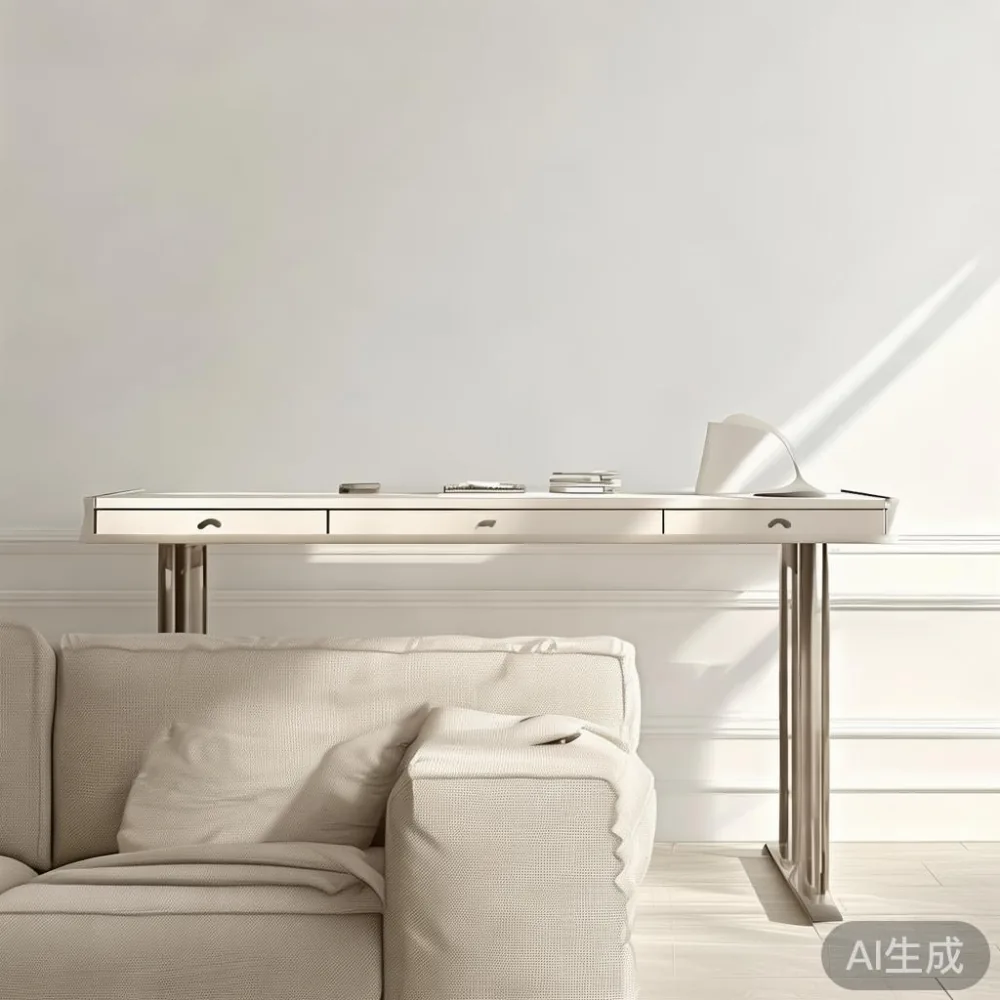
The only safe and recommended cleaning method is a two-step process using gentle, pH-neutral products. For daily dusting, use a soft, lint-free microfiber cloth. A slightly damp cloth can be used for light smudges, but it must be wrung out until it is almost dry, leaving no moisture on the surface. For a deeper clean, use a dedicated wood cleaner. A high-quality pH-neutral wood cleaner, such as those from brands like Howard or Guardsman, will gently lift dirt without damaging the finish. A 500ml bottle typically costs around SGD 25 and will last for several months with regular use. The technique is simple: spray the cleaner onto the cloth, not directly onto the furniture, and then wipe the surface in the direction of the wood grain. This method is safe for all types of light luxury furniture, from a solid wood sofa to a European light luxury for apartment console.
Addressing Common Problems: Stains, Water Rings, and Heat Marks
Despite your best preventative efforts, accidents happen. A water ring from a cold drink, a stubborn food stain, or a heat mark from a hot mug can appear on your beautiful lacquered surface. The key is to act quickly and gently. For a fresh water ring or heat mark, the first step is to immediately wipe away any excess liquid. Then, apply a small amount of a non-gel toothpaste or a specialized scratch remover for lacquer to a soft, clean cloth. Gently buff the affected area in a circular motion with very light pressure. The mild abrasives in the toothpaste can sometimes help to level out the minor damage in the lacquer. For more stubborn stains, a paste made from baking soda and water can be used, but it should be applied with extreme caution, as baking soda is more abrasive and can scratch the finish if used too vigorously.
For heat marks, another effective home remedy is to rub a few drops of mineral oil or olive oil into the mark, followed by a sprinkle of cigarette ash (if available) or very fine pumice powder. The ash acts as a fine abrasive to help buff out the mark. Let it sit for a few minutes, then wipe away the residue with a clean, dry cloth. Always test any home remedy on a small, inconspicuous area of the furniture, such as the underside of a nightstand, first. For more significant damage, like deep scratches or chips, it's best to consult a professional furniture restorer who can carefully repair the lacquer, a service that can cost between SGD 150 and SGD 300 per panel depending on the severity.
Seasonal Care and Long-Term Maintenance for Your Standing Desk
Singapore's climate, while consistently hot and humid, does have subtle seasonal variations that warrant attention. During the Northeast Monsoon season from December to March, the increased wind and rain can bring more dust and moisture into your home. This is the time to increase your dusting frequency to once a day. Conversely, during the Southwest Monsoon from June to September, the haze can settle on surfaces, making a gentle wipe-down necessary. A quarterly deep clean is recommended for all lacquered pieces. This involves using the pH-neutral cleaner as described, followed by the application of a high-quality carnauba wax polish. The wax provides an extra layer of protection against moisture and minor scratches. Apply a thin coat with a soft cloth, let it dry for about 10 minutes, then buff to a shine with a separate, clean microfiber cloth. This process should be done every 3 to 4 months and costs around SGD 40 for a good quality polish that will last a year.
Long-term maintenance also involves mindful placement and usage. Avoid placing hot objects, such as a laptop charger or a steaming cup of coffee, directly on the lacquered surface. Always use coasters, heat-resistant pads, or placemats. felt pads should be placed under the legs of your standing desk and other furniture to prevent scratches when moving them on hard floors. When vacuuming around your furniture, use the soft brush attachment to avoid scratches from the vacuum's wheels or base. Remember that the 10-year structural warranty from a reputable maker like MIDHILL covers the frame, but proper care is required to maintain the finish's integrity throughout that period and beyond.
What is the Best Way to Transport and Store a Lacquered Standing Desk?
Whether you're moving house or simply storing a piece, proper transport and storage are critical to preserving a lacquered finish. When moving a standing desk, first disassemble any removable parts, like the keyboard tray or monitor arms. Wrap each piece individually in thick moving blankets or bubble wrap, ensuring at least 5cm of padding on all sides. Secure the wrap with packing tape, but be careful not to let the tape touch the lacquered surface directly. The desk's main frame should be wrapped similarly. In a Singapore HDB, the typical lift width is about 110cm by 140cm, so ensure the wrapped piece can fit through. For transport in a vehicle, place the wrapped furniture on its side or back, never flat, and secure it with straps to prevent it from sliding around. A single scratch from shifting during a 15-minute drive can ruin a perfect finish.
For long-term storage, the environment is paramount. The storage unit should be climate-controlled, maintaining a stable temperature between 20°C and 25°C and a relative humidity between 45% and 55%. A non-climate-controlled storage facility in Singapore's heat will almost certainly cause the wood to crack and the lacquer to peel. Before storing, clean the furniture thoroughly with the pH-neutral cleaner and apply a coat of carnauba wax. Cover the piece with a breathable cotton furniture cover. Do not use plastic sheeting, as it traps moisture and can cause condensation to form on the surface, leading to water stains and blooming. Store the furniture off the floor on wooden pallets or blocks to prevent moisture from the concrete from seeping up. Following these steps will ensure your standing desk or other lacquered piece looks as good new when you retrieve it, even after a year in storage.
Investing in Quality: Why a Well-Made Lacquered Finish Lasts
The challenges of maintaining a lacquered finish in a tropical climate highlight the importance of starting with a high-quality product. A piece of furniture with a poorly applied lacquer finish will struggle to survive, regardless of how well you care for it. Reputable manufacturers, like those established in Foshan since 2008, use multi-layered spray lacquering techniques and high-density solid wood as a base. This combination provides a stable foundation that is less prone to the expansion and contraction that causes cracking. The quality of the lacquer itself is also a key factor. Premium lacquers offer superior UV resistance, helping to prevent the yellowing that plagues cheaper finishes over time.
When shopping for furniture, it's wise to consider the total value, not just the upfront price. A standing desk from a quality brand might cost SGD 2,000, while a lesser-known alternative might be SGD 1,200. However, the more expensive piece comes with a 10-year structural warranty and a lifetime refinishing service. This means that if the finish ever degrades due to manufacturing defects, it can be professionally restored at no cost. The cheaper option may offer no such protection, leaving you with a significant repair bill or a ruined piece of furniture. For those looking for a specific aesthetic, finding a minimalist furniture for sale that also offers this level of assurance is a smart investment. Ultimately, the peace of mind that comes with knowing your standing desk is built to last and backed by a strong warranty is an invaluable part of the ownership experience, especially in a demanding environment like Singapore.
FAQs About Lacquered Furniture Care in Singapore
Q: My lacquered nightstand has developed a white, cloudy spot. What is this and how can I fix it?
A: This is likely 'blooming,' a condition caused by moisture trapped under the lacquer finish. To fix it, first ensure the area is completely dry. Then, use a soft, dry cloth to gently buff the cloudy spot in a circular motion. In many cases, the warmth from your hand and the friction will help the moisture evaporate and the finish to clear up. If the spot persists, you can try a very small amount of mineral oil on a cloth, but use it sparingly.
Q: Is it safe to use a vinegar and water solution to clean my lacquered dining table?
A: No, it is not recommended. Vinegar is acidic and can, over time, dull or etch the lacquer finish, stripping away its shine. It's always best to stick with pH-neutral cleaners specifically formulated for wood and lacquer to preserve the integrity of the finish.
| Care Task | Frequency | Recommended Products | Estimated Cost (SGD) |
|---|---|---|---|
| Dusting | Daily | Microfiber cloth | 10 - 20 |
| Light Cleaning | Weekly | Damp microfiber cloth (almost dry) | 10 - 20 |
| Deep Clean | Monthly | pH-neutral wood cleaner | 20 - 30 |
| Polishing/Waxing | Every 3-4 months | Carnauba wax polish | 30 - 50 |
| Dehumidifier Use | During monsoon seasons | Small-capacity dehumidifier | 250 - 350 (one-time purchase) |
Q: How do I choose the right standing desk for a humid Singapore apartment?
A> When selecting a standing desk, prioritize solid wood construction over veneered particleboard or MDF, as solid wood is more stable with humidity changes. Look for a reputable brand that offers a lifetime refinishing service, as this indicates confidence in their finish quality. A standing desk from a maker like MIDHILL, which has been exporting to 15+ countries since 2008, is a good example of a product designed to withstand various environmental conditions. Also, consider the desk's finish; a high-quality lacquer or a matte finish might be more forgiving than a high-gloss finish in a very bright, sunny room.
Q: Can I place my lacquered wardrobe near a window in my condo?
A> It is not advisable to place any lacquered furniture, including a wardrobe, in direct, unfiltered sunlight. UV rays are the primary cause of lacquer yellowing and wood fading. If you must place a wardrobe near a window, ensure the window has UV-protective film installed. The ideal placement is away from windows, perhaps on a wall opposite one. When considering a wardrobe, you might ask yourself how to style a European light luxury wardrobe in room to complement its placement. The best European wardrobe for 2026 will often come with a recommendation against direct sunlight exposure from the manufacturer. A best Vintage wardrobe for 2026 might also have specific care instructions due to its unique finish.
Q: What's the difference in care between an American sofa and a Nordic sofa?
A> An American sofa vs Nordic sofa often presents a difference in material and finish. American sofas frequently feature leather or premium fabric with a more structured, substantial build, which may require specific leather conditioners or fabric cleaners. Nordic sofas, on the other hand, are typically characterised by light wood frames and simple, often matte, lacquer finishes. The care for a Nordic-style piece would align more closely with the guidelines for lacquered surfaces discussed here, focusing on gentle, pH-neutral cleaners and avoiding harsh chemicals. The American sofa might demand more attention to the specific material of its upholstery, while the Nordic piece's care is centred on protecting its minimalist wood finish.
Ultimately, caring for a lacquered surface in a tropical climate is about consistent, gentle care and preventative measures. By understanding the unique challenges posed by Singapore's humidity and sunlight, and by following a dedicated maintenance routine, you can ensure that your fine furniture, from a standing desk to a dining table, remains a beautiful and lasting part of your home for decades.