Standing Desk Matchmaking: Building a Warm Minimal Interior in Your Singapore Home
Warm minimalism sounds simple until you stand in your Tampines 4-room flat with a measuring tape in one hand and your phone in the other. The HDB standard corridor is 1.2 m wide, the service lift opening in most 1990s-to-2010s blocks measures roughly 2.1 m tall by 1.4 m wide, and the bedroom doorway rarely clears 0.9 m. None of those numbers feel romantic, but every one of them decides whether the solid wood dining table or the standing desk you fell for online will actually make it past your front door. I learned this the hard way last month when I visited a client in Punggol who ordered a 220 cm ash wood table from a supplier, only to discover the lift car could not accept it diagonally. We pivoted to a 180 cm extendable model the same week. That single afternoon taught me more about Singapore furniture logistics than any showroom visit.
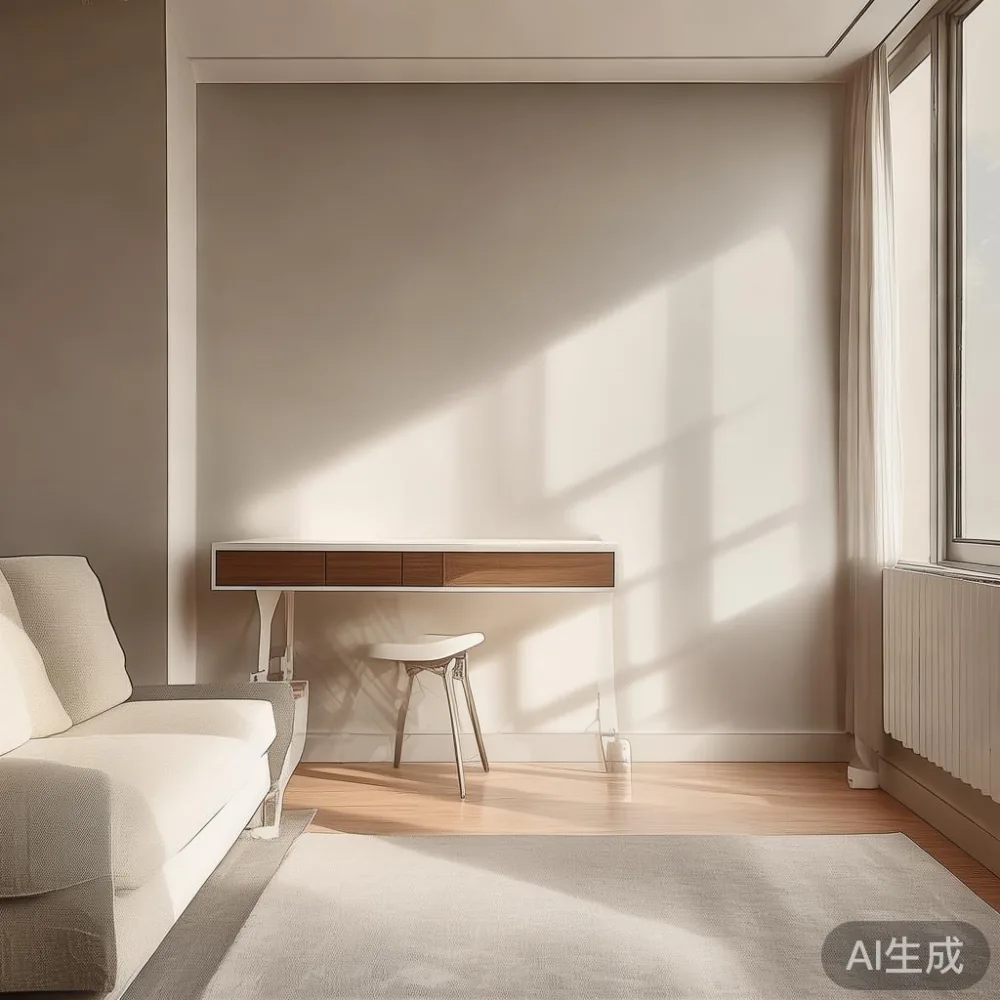
Warm minimal interior design is not a Pinterest board; it is a set of physical choices that have to survive tropical humidity (average 78-82% RH year-round), a GST-inclusive budget, and the realities of compact HDB living. The aesthetic borrows from post-modern light luxury thinking — restrained silhouettes, generous negative space, materials that age gracefully — but the execution is practical. A standing desk plays an unexpectedly central role in this picture. It is the piece that occupies the visual centre of a study corner, and its material and proportion set the tone for everything around it, from the nightstand to the wardrobe door fronts.
What exactly counts as a warm minimal interior in a Singapore HDB?
Warm minimalism is the meeting point of two styles that usually avoid each other: Scandinavian restraint and Japanese tactility. The palette is narrow — off-white, warm beige, oat, walnut, muted clay — and the materials do the talking. Solid white oak, ash, or teak in matte finishes. Brushed brass hardware in 2-3 mm profiles. Linen and bouclé upholstery. A single marble table — Carrara or a Calacatta-look porcelain — used sparingly, usually in a side table or console, not as a kitchen island.
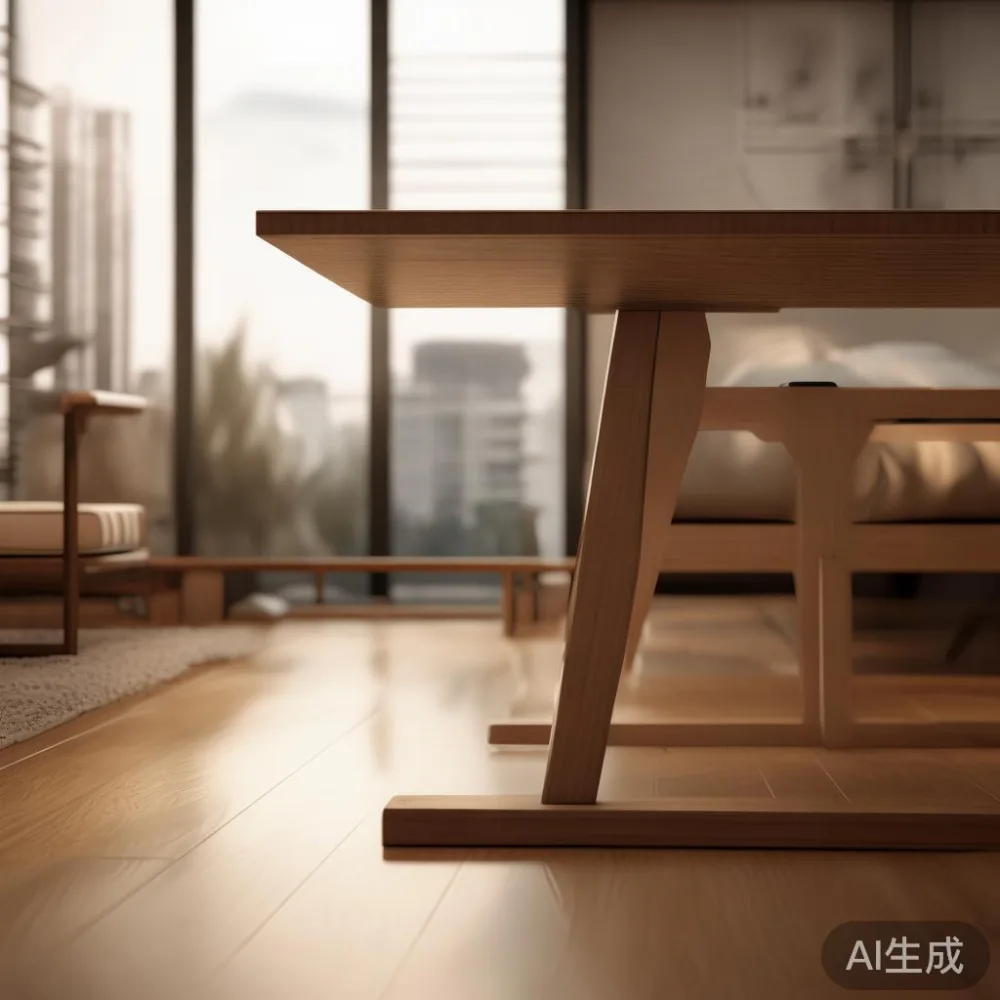
In a 90 sqm Bedok condo, the rooms are not large. A queen bed frame at 160 cm wide with a 5 cm headboard thickness leaves about 45 cm of walking lane on each side. A 4-seater dining table at 140 cm long by 80 cm deep seats four comfortably and still allows 70 cm of clearance to the wall. A wardrobe at 240 cm tall by 180 cm wide by 60 cm deep swallows almost one wall of the master bedroom. When you add a standing desk at 140-160 cm wide by 60-70 cm deep into the spare room or living corner, you are committing roughly 1.0-1.2 sqm of floor to work-from-home life. That is a real budget.
This is also where light luxury for apartment thinking earns its keep. The term gets thrown around, but at its core it means furniture that looks more expensive than it is, achieved through honest materials rather than ornament. A solid wood sofa frame in oak, a real-wood wardrobe with dovetail joinery, and a standing desk with a genuine hardwood top — these pieces communicate value without shouting.
Why does the standing desk drive the whole material story?
Because it is the only piece of furniture that touches three zones at once: structural (it must hold 80-120 kg of monitor, laptop, and leaning weight), ergonomic (it must adjust 65-125 cm in height, ideally with a memory controller), and aesthetic (it is photographed on every Zoom call and appears in every vertical Reel of your room).
A standing desk in warm minimal style is usually a rectangular top 120-160 cm long by 60-70 cm deep, in either solid ash at 25-30 mm thickness, or a veneered MDF core with a real wood edge. The legs are matte powder-coated steel in white, sand, or graphite. Avoid glossy chrome — it reads cold and dated next to linen. Cable management is part of the design, not an afterthought: a 60 cm trough underneath the back edge hides a 6-outlet PDU and the inevitable mess of USB-C cables.
For a Singaporean buying a standing desk for a Punggol or Sengkang study nook, the realistic budget is SGD 650-1,400 for a solid-top manual crank, or SGD 1,100-2,400 for an electric dual-motor unit with 125 kg load capacity. Mid-range brands using real wood and quiet motors (under 50 dB) sit around SGD 1,200-1,800 with delivery in 7-14 working days and a 5-10 year warranty on the frame. Some makers also offer lifetime refinishing on the wood top — worth its weight in SGD when your three-year-old drags a fork across it.
If you are after designer Mid-century modern furniture under 2000 light luxury furniture budgets, the standing desk is also where you can mix honest craftsmanship with modern mechanics. A tapered solid ash top on slim splayed legs references 1950s case goods while the electric lift mechanism quietly does its job.
How do you build a warm minimal palette around one standing desk?
Start with three swatches and refuse the temptation of a fourth. My own rule, after eight years of specifying interiors, is: one warm wood, one neutral textile, one accent. In the client's Punggol flat we went white oak (the standing desk top, the dining table, and the bed frame), oat boucle (the reading chair and bench cushion), and one piece of brushed brass (a table lamp and the wardrobe pulls). That was it. The room cost less than it appeared to because no item was over-specified.
Practical swaps for a 4-room HDB master bedroom, with Singapore pricing after GST:
- Bed frame in solid ash, 160 cm queen: SGD 1,400-2,200. Lifetime refinishing included by a few makers.
- Two nightstands in ash, 45 cm wide: SGD 380-560 each.
- Wardrobe 240 x 180 x 60 cm in ash with sliding doors: SGD 2,200-3,400. Add SGD 280-420 for soft-close hinges and drawer pulls.
- Standing desk 140 x 65 cm, solid ash top, dual motor: SGD 1,250-1,850.
- Reading chair, solid wood frame, linen seat: SGD 480-720.
Total for five anchors: roughly SGD 5,700-8,700. That places the room firmly in the under 2000 light luxury furniture bracket when you split it across pieces, and in honest-money territory for a 10-year residency. For buyers comparing options, modern Mid-century modern furniture choices tend to age better than fast-fashion equivalents — a 2015 ash bed frame I saw in a Tiong Bahru resale flat still looked current, only needing one re-finish.
Which solid wood pieces survive Singapore humidity?
Not all. Teak, white oak, ash, and walnut hold up well at 78-82% RH. MDF and particleboard swell at the edges after 18-24 months in a non-air-conditioned bedroom. For a wardrobe that will sit against an external wall in a Punggol or Tampines flat, ask for the carcass to be marine-ply or solid wood with a moisture content below 10%. Most Foshan factories kiln-dry to 8-12% specifically for Southeast Asian export. A solid wood wardrobe at 60 cm depth with 18-20 mm back panels is a heavier piece — 120-160 kg for a 240 cm unit — so you also want the maker to confirm the packaging dimensions fit a standard service lift, ideally under 210 cm in any single dimension.
Beds and dining tables are more forgiving. A solid wood bed frame in ash can be flat-packed under 30 kg in three cartons if the side rails and slats are bolt-together rather than glued. A 180 cm extendable dining table in ash with two 40 cm leaves can ship at 95 kg total and assemble in 25 minutes with one Allen key. Both are realistic for a single-person HDB move-in.
Can a marble table belong in a warm minimal HDB?
Yes, but as a side table, not a centrepiece. A 50 cm round marble top on a solid ash pedestal is a common pick for the sofa corner; at 14-18 kg it moves easily for cleaning. A larger marble table — 120 cm or more — weighs 60-90 kg and costs SGD 1,800-3,500. The honest answer for most Singaporeans reading this is to choose porcelain-look sintered stone instead. It is 30-40% lighter, scratch-resistant, and a 120 cm dining version sits at SGD 900-1,500. It also does not stain from sambal spills, which is a real consideration after three years of home dinners.
One Bedok client I worked with last spring chose a 45 cm round travertine side table for SGD 420 — under 8 kg, one person to carry, and the warm beige tone sat perfectly against the oat boucle chair. That is the proportion rule for marble in compact spaces: small surface, real material, generous negative space around it.
How do you keep a warm minimal room from feeling cold or empty?
The trick is texture layering, not object layering. One solid wood sofa in oak with a depth of 90 cm and a seat height of 42 cm reads warmer than a smaller white-lacquered sofa because the grain and weight do the visual work. Add a linen throw in oat (SGD 60-120) and a wool rug at 160 x 230 cm in a tonal beige (SGD 280-520), and the room reads finished without a single shelf knick-knack.
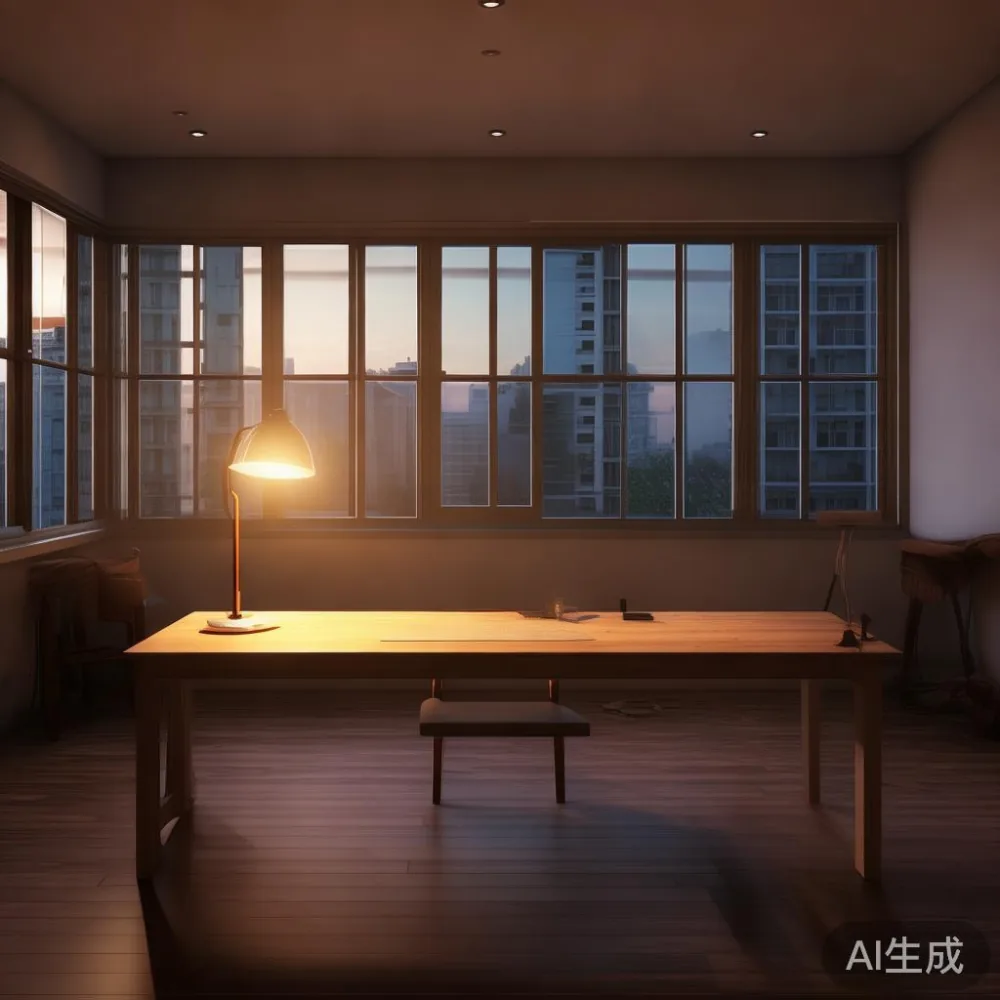
Lighting does the rest. A warm 2700K floor lamp at 145 cm tall, a table lamp at 35 cm tall with a linen shade, and a 4-6W picture light above any wall art is the formula. Avoid cool 4000K bulbs — they flatten wood grain and read clinical. For the standing desk, a swing-arm task lamp in matte black or brushed brass at 40-50 cm reach saves your eyes during the 9 pm Zoom call and keeps the corner from disappearing at night.
Where does a Japanese wardrobe fit into warm minimal HDB design?
Many Singaporeans searching for how to style Japanese wardrobe in apartment spaces assume shoji screens and floor-to-ceiling cedar. In practice, the most useful Japanese detail in an HDB is the clean flush-front wardrobe door with no visible handle — either a push-catch or a recessed 2 cm channel pull in oak. That single design move visually shrinks a 240 x 180 cm wardrobe by 15-20% because the eye does not catch hardware. For warm minimal interiors, this is gold.
When a client asked me last quarter about how to style Japanese sofa in apartment layouts with a 90 sqm floor plan, the honest answer was to take the Japanese low-profile frame — 38-42 cm seat height, 75-85 cm depth, narrow solid wood arms — and pair it with one English-style contrast cushion in linen. The sofa then visually anchors the room without dominating it. A solid wood sofa frame in oak at 200 cm long, 85 cm deep, and 80 cm tall will sit three adults comfortably and weigh 45-55 kg in flat-pack form, manageable for one mover and a service lift.
What should you check before buying from a Foshan maker?
Three concrete points separate a reliable supplier from a frustrating one:
- Moisture content data for the wood, ideally kiln-dried to 8-12% for Southeast Asia. Ask for the factory sheet.
- Packaging dimensions against your block's lift opening. The maker should confirm each carton under 210 cm in any axis if you are not on a private lift.
- Warranty terms — at least 5 years on the structural frame and 10 years on the wood top. Lifetime refinishing is a marker of a maker confident in the joinery.
Foshan Lingzhan district is one of the established furniture manufacturing clusters in Guangdong, and the factories there have refined export packaging for tropical climates over two decades. A solid wood bed frame or wardrobe built for an HDB buyer should arrive kiln-dry, edge-sealed, and packed in 5-ply corrugated cartons with foam corners. If your supplier cannot confirm those three points in writing, keep looking.
MIDHILL is one of the Foshan makers that has built export routines around these checks since 2008, shipping solid wood pieces to 15+ countries with a 10-year structural warranty and lifetime refinishing on wood tops. For a buyer in Tampines or Punggol that translates into predictable delivery (typically 18-28 working days by sea to a Singapore consolidator, then 3-7 days last-mile), free shipping above US$350, and a 14-day return window that protects against the rare warped panel. The standing desk, the bed frame, the dining table, and the wardrobe all arrive with consistent grain and finish because they come off the same production line.
Which pieces should you buy first when furnishing an HDB on a warm minimal brief?
Order sequence matters more than people think. Furniture arrives in waves, and the room reads finished only when 4-5 anchors are in place. A practical 6-month buying order for a 4-room HDB:
- Month 1: bed frame, two nightstands, wardrobe. These define the master bedroom and need the longest lead time (21-35 days).
- Month 2: standing desk, reading chair, task lamp. These define the work corner and usually ship in 14-21 days.
- Month 3: dining table, dining chairs (4-6), one marble or travertine side table. Lead time 21-30 days for solid wood tables.
- Month 4: solid wood sofa, rug, linen curtains. Sofas take 25-45 days if made to order.
- Month 5: console, hallway bench, mirror, wall art. These are short-lead accessories.
- Month 6: final styling — plants, books, one ceramic vase per surface.
By month six the room reads like a magazine spread, the GST-inclusive spend is spread across a year, and nothing sits in a lift lobby because you measured ahead of time. The standing desk, the wardrobe, the bed frame, the dining table, and the sofa together form a calm, material-honest interior that will still look considered in 2035.
Is warm minimal just a phase, or will it hold up for a resale in 2030?
Resale buyers in 2030 will pay a small premium for honest materials over fast-fashion finishes. A 2020 HDB flat with a solid ash wardrobe and a real-wood standing desk will list higher than an identical flat with MDF carcasses and glossy laminates. The reason is simple: the next buyer does not have to budget for a renovation. Warm minimal, executed in solid wood, is in effect a slow-resale strategy disguised as an aesthetic choice.
If you are weighing under 2000 light luxury furniture options for a single piece, the standing desk is the smartest place to over-invest slightly because it is the most-used item in the home and the most visible on camera. Spend SGD 1,400-1,800 on a solid-top electric unit and save SGD 200-300 on the nightstands by going with a clean oak veneer over a solid option. The eye never lands on the nightstand corners, but it always lands on the desk surface.
What is the single best warm-minimal move you can make this weekend?
Measure your lift, your doorways, and your longest wall. Write the numbers on a piece of paper and tape it to the inside of your front door. Then spend ninety minutes with one supplier's catalogue and choose a standing desk, a bed frame, and a dining table in the same wood. Three pieces, one grain, one finish. Everything else will follow. That restraint is what warm minimal actually is — not a mood board, but a measurement, a budget, and three matching anchors.