The Perfect Fit: Choosing a Standing Desk for Your Singapore HDB Living Room
In the compact and meticulously planned living spaces of Singapore's Housing and Development Board (HDB) flats, every square centimeter counts. The modern Singaporean home, whether in a busy estate like Tampines or a newer development in Punggol, often serves multiple functions. It's a living room, a dining area, and increasingly, a dedicated workspace. This dual-purpose nature makes selecting the right furniture a delicate balancing act. For those who have transitioned to a hybrid work model or simply wish to incorporate healthier habits into their daily routine, a standing desk is no longer a novelty but a practical necessity. However, the challenge lies in finding a standing desk that not only meets your ergonomic needs but also harmonizes with the spatial constraints of an HDB living room. This guide will walk you through the process of choosing the right size, ensuring your new workspace is both functional and aesthetically pleasing without overwhelming your home.
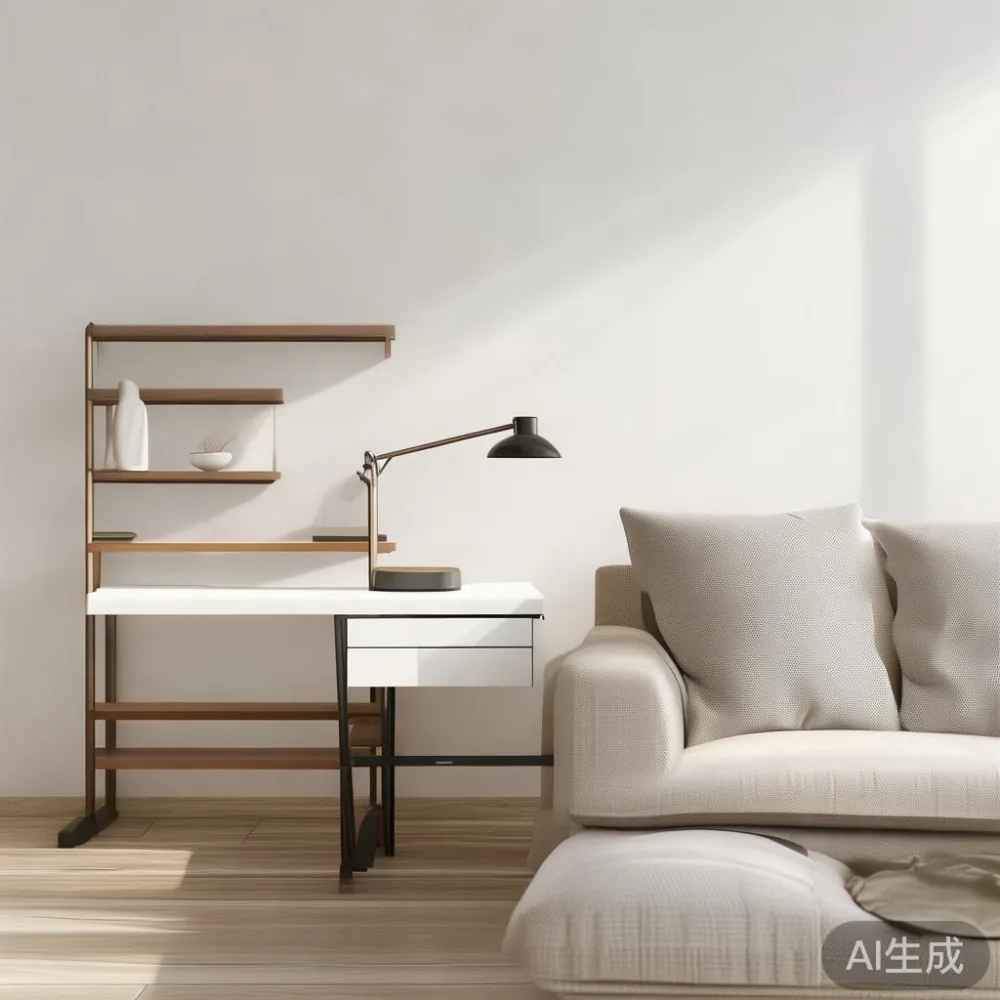
Understanding Your HDB Living Room Dimensions
The first step in selecting the right standing desk is to understand the specific dimensions of your living room. Standard HDB flat layouts vary, but the most common sizes for a four-room flat are approximately 110 square meters. The living room itself typically measures around 4.6 meters by 4.2 meters. While this might seem generous, you must account for other permanent fixtures. The main entrance door, often 80 to 90 centimeters wide, and the corridor leading to the bedrooms, which has a standard width of 1.2 meters, are non-negotiable spaces. A colleague of mine in Bedok recently measured his entire living room after his new standing desk arrived and realized he had underestimated the space needed for a comfortable walking path. He had to rearrange his sofa and coffee table to create a 60-centimeter clearance, which is the recommended minimum for easy movement.
When measuring, do not just consider the floor space. Think about vertical space as well. HDB ceilings are a standard height of 2.6 meters. A standing desk, especially one with a high lift capacity, can add visual weight to a room. A solid wood desk in a dark finish can dominate a space if not balanced correctly. For a room that feels airy and open, choosing a standing desk with a lighter wood tone or a post-modern light luxury design with clean lines can help maintain a sense of space. The goal is to integrate the desk into the room's existing layout, not have it feel like an afterthought that crowds the area.
How Much Space Does a Standing Desk Actually Need?
This is a question many homeowners ask when they start their search: How much space does a standing desk actually need? The answer depends on the desk's size and the activities you plan to perform. A typical standing desk has a working surface area. A compact model might be 120 cm wide by 60 cm deep, while a more expansive one could be 180 cm wide by 80 cm deep. Beyond the footprint of the desk itself, you must add a buffer zone. A clearance of at least 50 cm on each side is recommended for comfortable arm movement and to prevent you from bumping into walls or other furniture. In front of the desk, you need at least 80 cm of space to allow you to stand up and sit down in an ergonomic chair without obstruction.
For a standard HDB living room, a desk that is too wide can become a physical barrier, splitting the room into two awkward sections. A 120 cm wide desk is often a sweet spot, providing ample space for a monitor, keyboard, and a notebook, while leaving room for a small side table or a plant. The depth is equally important. A desk that is too shallow might not accommodate your monitor at a comfortable viewing distance, leading to neck strain. Conversely, a desk that is too deep can make you stretch to reach items, causing back discomfort. My last month I visited a client in Punggol who had purchased a very deep standing desk online. He loved the look but found himself constantly leaning forward to type, defeating the purpose of an ergonomic setup. He ended up placing a small marble table behind his desk to hold his printer, which added a touch of light luxury but also solved his depth problem.
Matching the Standing Desk to Your Furniture Style
A standing desk is not just a functional piece; it's a design element in your living room. Its style should complement your existing furniture to create a cohesive look. For homes with a French light luxury aesthetic, characterized by elegant curves, soft finishes, and ornate details, a standing desk with similar flourishes would be appropriate. Imagine a desk with curved legs and a distressed wood finish, perhaps with a marble inlay on the surface, creating a sophisticated focal point. This approach ensures the desk doesn't look out of place but rather enhances the room's curated elegance.
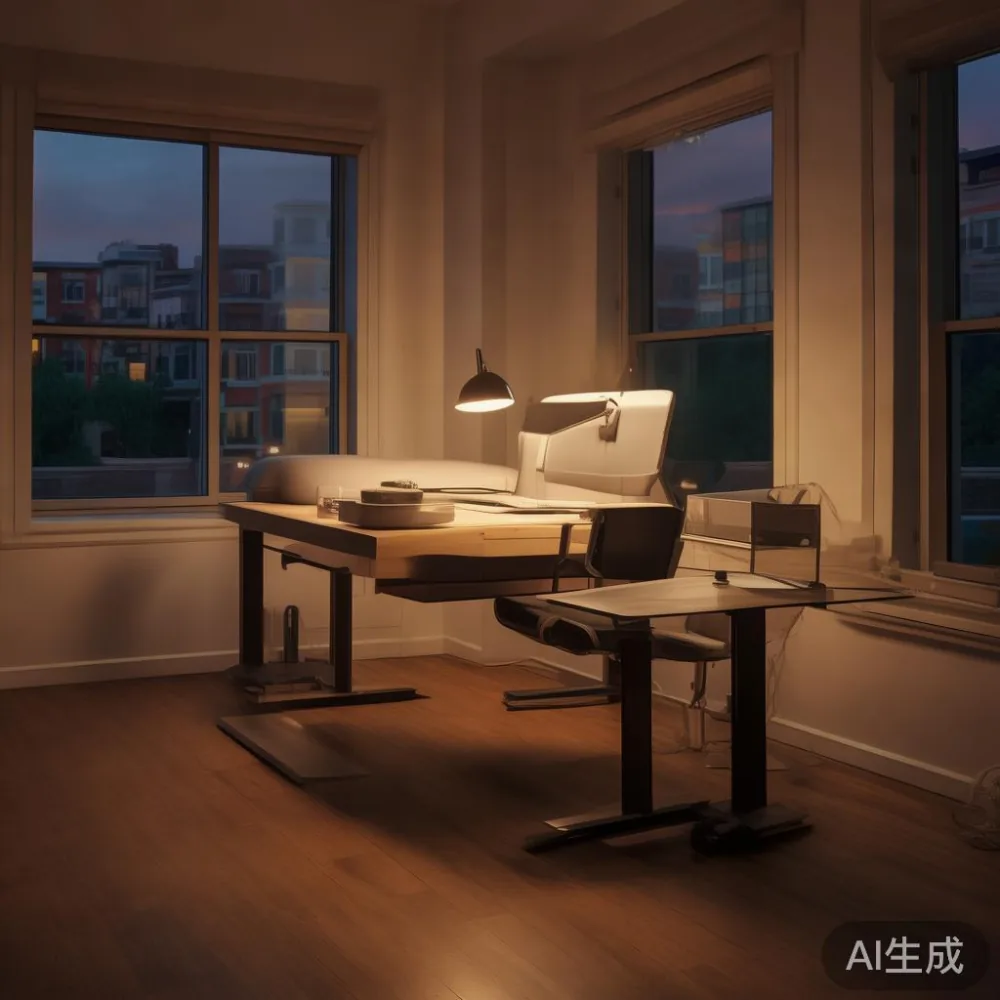
On the other hand, if your home leans towards a more modern or American light luxury style, which emphasizes clean lines, neutral palettes, and a sense of understated opulence, your standing desk should reflect that. A desk with a minimalist frame, a sleek finish like matte black or warm walnut, and a simple, uncluttered design would be a perfect fit. The key is material consistency. If your dining table and sofa are made of solid wood, choosing a standing desk from the same material family will tie the room together beautifully. For sale light luxury furniture that blends smoothly with HDB living rooms is becoming increasingly popular, and a well-chosen standing desk is a prime example of this trend.
Practical Considerations: Delivery, Assembly, and Warranty
Once you've narrowed down the size and style, it's time to consider the logistics. Purchasing furniture in Singapore comes with its own set of practicalities. Delivery is a major factor. Most local furniture makers offer delivery services, but the costs and timelines can vary. For a standing desk, which can be quite heavy (often between 40 kg and 70 kg), delivery might incur a fee. However, many reputable brands, including some like MIDHILL, offer free shipping for orders over SGD 350. Delivery typically takes between 7 to 14 working days, depending on your location in Singapore. Flats in estates further from the city center might experience slightly longer delivery times.
Assembly is another consideration. Some standing desks come flat-packed and require self-assembly, while others are delivered fully assembled. For those who are not handy, a fully assembled option is worth the extra cost. The assembly process can also affect the final dimensions, as some components might add a few centimeters to the desk's width or depth once put together. Finally, warranty is a reflection of the product's quality and the manufacturer's confidence in it. A 10-year structural warranty, for instance, provides peace of mind that your standing desk is built to last. This is a significant investment, and knowing that the frame and mechanisms are covered for a decade is a reassuring detail. It’s always wise to check the fine print of the warranty to understand what is covered.
What About the Standing Desk's Height and Ergonomics?
While we've focused heavily on the footprint of the standing desk, its height and adjustability are just as important for a comfortable user experience. A standing desk that is too tall or too short can negate all the ergonomic benefits. The ideal standing height for a desk is approximately elbow level when your arms are relaxed at your sides. For an average Singaporean man, this is around 105 cm to 115 cm, and for an average woman, it's around 95 cm to 105 cm. A good quality standing desk will have a wide height adjustment range, typically from 70 cm to 120 cm, allowing it to be used by people of different heights.
Many modern standing desks also come with programmable memory settings. This allows you to save your preferred sitting and standing heights, so you can switch between them with the touch of a button. This feature is particularly useful in a multi-functional space like an HDB living room, where the desk might be used by different family members. The transition between sitting and standing should be smooth and quiet, especially if you plan to use the desk while others are watching television in the same room. The stability of the desk at all heights is also a critical factor. A wobbly desk is not only frustrating but can also be a safety hazard. When choosing a standing desk, test its stability if possible, or read reviews from other users who can speak to its performance at maximum height.
Is a Standing Desk a Good Fit for a Small HDB Living Room?
This is a common concern for homeowners with limited space: Is a standing desk a good fit for a small HDB living room? The answer is a resounding yes, but with careful planning. The key is to choose a desk that is proportional to the room. In a smaller living room, a bulky, wide desk will feel overwhelming. Instead, opt for a compact model or one with a clever design that maximizes utility without taking up excessive floor space. A wall-mounted standing desk is an excellent solution for small rooms. It can be folded down when in use and lifted flush against the wall when not, freeing up the entire floor area.
Another strategy is to choose a standing desk with built-in storage. A desk that incorporates drawers or shelves can eliminate the need for a separate filing cabinet or bookshelf, saving valuable space. The choice of color also plays a role. A light-colored standing desk, such as one in white or a light oak finish, will reflect light and make the room appear larger. In contrast, a dark desk will absorb light and can make a small space feel even more confined. Modern light luxury furniture often features these space-saving and design-forward elements, making it easier to integrate a standing desk into even the most compact living areas. The trick is to think of the standing desk not as an oversized piece of office equipment, but as a sophisticated piece of furniture that serves a dual purpose.