The True Cost of Solid Wood: What Actually Drives the Price of Your Standing Desk
In Singapore, where space is a premium and a home's aesthetic is a reflection of one's personal journey, furniture is more than just an object. It's a companion in a 35-square metre HDB flat in Tampines, a statement piece in a condominium's living room in Bedok, or a functional centrepiece in a Punggol unit designed for modern living. When we invest in a piece, especially a significant one like a standing desk, we're not just paying for wood and screws. We're paying for a story, a promise of durability, and a piece of craftsmanship that will adapt to our lives for years to come. The price tag on a solid wood standing desk can vary dramatically, from a few hundred dollars to several thousand. So, what are the tangible, measurable factors that create this difference? Let's break down the actual numbers behind the price.
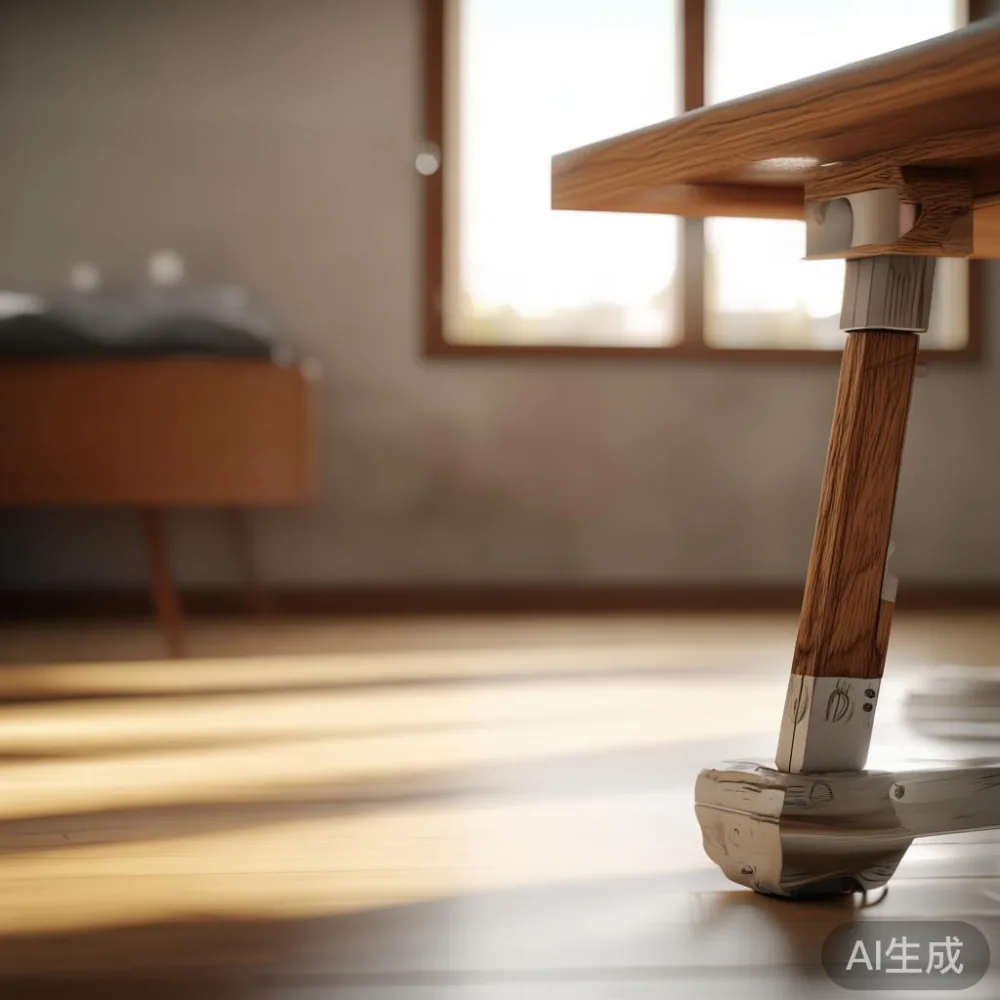
Is a Standing Desk Made of Solid Oak Really Worth the Extra Cost?
One of the most common questions we encounter is about the material itself. The phrase 'solid wood' can be misleading. It doesn't refer to a single type of wood but a category of materials, each with its own characteristics, cost, and origin. The price of a standing desk is fundamentally driven by the type and quality of the wood used. A standing desk made from North American White Oak, for instance, will command a higher price than one made from Malaysian Rubberwood. The difference isn't just about the name; it's about density, grain stability, and longevity.
White Oak, with its prominent grain and high density (approximately 750 kg/m³), is a premium choice. It's incredibly durable and resistant to moisture, making it suitable for Singapore's humid climate. A standing desk crafted from solid White Oak, measuring 150 cm in width and 75 cm in depth, might weigh around 45 kg and cost upwards of SGD 2,500. In contrast, Rubberwood, while also a solid hardwood, is lighter (around 650 kg/m³) and has a more subtle grain. A standing desk of the same dimensions in Rubberwood could be priced at SGD 1,200. The core difference lies in the material's inherent properties and the cost of sourcing it. This is a key consideration when weighing the investment in a piece of furniture that will be part of your daily routine.
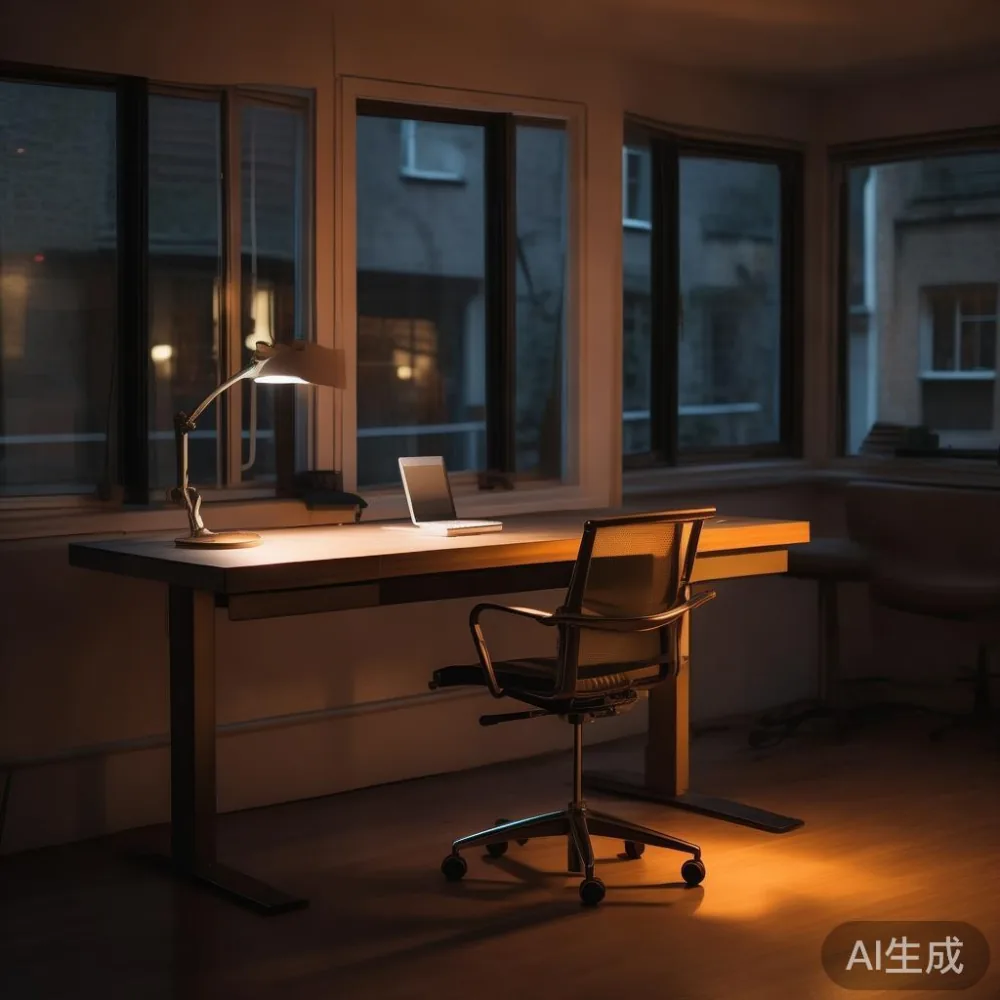
The Craftsmanship Equation: Hand-Finishing vs. Machine Production
Once the wood is sourced, the transformation from raw material to a standing desk begins. This is where the second major price driver comes into play: craftsmanship. The method of construction and finishing has a direct impact on both the final cost and the lifespan of the product. A standing desk that is hand-finished by a skilled artisan involves a meticulous process. Each piece of wood is sanded by hand through multiple grits, from 120 to 220, to create a perfectly smooth surface. The finish, whether it's a natural oil or a lacquer, is applied by hand, often in multiple coats, with drying time of 24 hours between each layer. This level of detail can add 15-20 hours of labour to a single standing desk.
On the other hand, a mass-produced standing desk might use automated sanding machines and spray-paint booths, which can finish dozens of units in a fraction of the time. The result is a functional product, but it may lack the depth and character of a hand-finished piece. For a Singaporean homeowner in a condo, the subtle variations in grain and the flawless hand-rubbed finish of a standing desk can be the difference between a generic piece of furniture and a treasured heirloom. This attention to detail is a hallmark of French light luxury, where the focus is on elegant, understated beauty and superior tactile quality. The time invested in craftsmanship is a significant part of the price, but it's an investment in the object's aesthetic and physical integrity.

Design Complexity and Hidden Engineering
Not all standing desks are created equal, and the complexity of the design plays a huge role in its price. A simple, flat-top standing desk is straightforward to design and manufacture. However, a standing desk with a built-in cable management system, a hidden drawer for a keyboard, or a dual-motor height adjustment mechanism requires a completely different level of engineering and precision.
Consider a standing desk that needs to fit into a specific Singaporean context. The width of a standard HDB corridor is about 110 cm, and the lift in an older estate might have a depth of 140 cm. A standing desk that is 160 cm wide would require careful planning for delivery and placement. The engineering behind a smooth, whisper-quiet height adjustment system, capable of lifting 70 kg of monitors and equipment from 72 cm to 120 cm, involves high-quality linear actuators, a steel frame, and a control panel with memory settings. These components add significant cost. A basic manual crank standing desk might cost SGD 800, while a high-tech electric model with advanced programming could be SGD 3,500 or more. The price reflects not just the materials but the research, development, and engineering required to make the standing desk a truly ergonomic and smooth part of a modern workspace.
Global Logistics and the Singaporean Context
A solid wood standing desk doesn't materialise out of thin air. For a brand like MIDHILL, which operates from Foshan, China, the journey of the standing desk is a global one, and each step of the logistics chain adds to the final price. The process begins with the raw timber, which is often shipped from North America or Europe to Foshan. The wood is then kiln-dried to a precise moisture content of 8-10% to prevent warping in Singapore's humid climate—a process that takes 7-10 days. Once the standing desk is crafted, it's packed, often requiring custom wooden crates to protect it during transit.
Shipping a container of standing desks from Foshan to Singapore takes approximately 7-10 days. Upon arrival, the standing desk must clear Singapore's customs, where the 9% Goods and Services Tax (GST) is applied to the cost of the goods plus shipping and insurance. This is a non-negotiable cost that is passed on to the consumer. For a standing desk valued at SGD 2,000, the GST alone adds SGD 180 to the final price. Delivery within Singapore is another factor. While many brands offer free shipping over a certain threshold, the actual cost of hiring two movers to carry a 50 kg standing desk up to a 15th-floor condominium in Bedok is factored into the pricing. Understanding these logistical and tax-related costs helps explain why a standing desk from an international brand carries a different price point than a locally assembled one.
Why Does a Standing Desk from a Brand with a History Cost More?
When you compare the price of a standing desk from a new, unknown brand to one from an established company like MIDHILL (est. 2008), you're not just paying for the physical product. You're paying for the brand's reputation, its commitment to quality, and the peace of mind it offers. A brand that has been exporting to 15+ countries for over a decade has built a track record. It has invested in quality control processes, customer service infrastructure, and long-term warranties that a newcomer simply cannot match.
This is where the value of a promise becomes a tangible part of the price. A 10-year structural warranty on a standing desk is a significant commitment. It means the company stands behind the integrity of its joinery, the stability of its legs, and the functionality of its mechanisms for a decade. Similarly, a lifetime refinishing guarantee tells the customer that even if the standing desk gets scratched over years of use, it can be restored to its original beauty. This level of assurance is built into the price. Last month, I visited a client in Tampines whose standing desk was purchased 8 years ago. One of the leg supports had developed a hairline crack. A single call to the company's Singapore service agent, and a replacement part was delivered and installed within 48 hours, at no cost. This kind of support is a service, and services cost money. It's an investment that protects your larger investment in the standing desk itself.
What You're Really Paying For: A Long-Term Investment
So, when you see a price tag of SGD 2,800 for a solid wood standing desk, it's easy to focus on that single number. But breaking it down, you see a clear picture of what that money represents. A portion goes to the premium raw material—perhaps SGD 800 for the White Oak. A significant portion covers the skilled labour of hand-finishing—another SGD 600. The engineering and electronics for the height adjustment system account for SGD 500. The logistics, shipping, and GST add up to roughly SGD 400. The remaining SGD 500 is allocated to the brand's operational costs, its warranty promises, and its profit margin.
Ultimately, the price of a standing desk is a reflection of its total cost of ownership. A cheap, mass-produced standing desk might seem like a bargain initially, but if it warps after two years or its motor fails after three, the long-term cost of replacement is far higher. A well-made standing desk is an investment in your health, productivity, and the aesthetic of your home. It's a piece that can move with you, from a rental flat in Punggol to a permanent home, adapting to your needs. The choice is between buying a disposable object and acquiring a long-term companion. For those who value quality, durability, and a piece of furniture that tells a story, the price of a solid wood standing desk is not just a cost—it's a value proposition.