The True Cost of Solid Wood: What Actually Drives the Price of Standing Desks
Walking through a showroom in Singapore, the prices for solid wood furniture can feel like a lottery. A standing desk might cost SGD 1,200, while another, seemingly similar one, is priced at SGD 2,800. The difference is rarely a simple matter of 'good' versus 'better'. It's a complex equation of materials, labour, design, and business realities. For a homeowner in a Tampines HDB flat working through a 1.2m wide corridor, or a family in a Punggol condo with a narrow lift, understanding this equation is key to making a purchase that lasts.
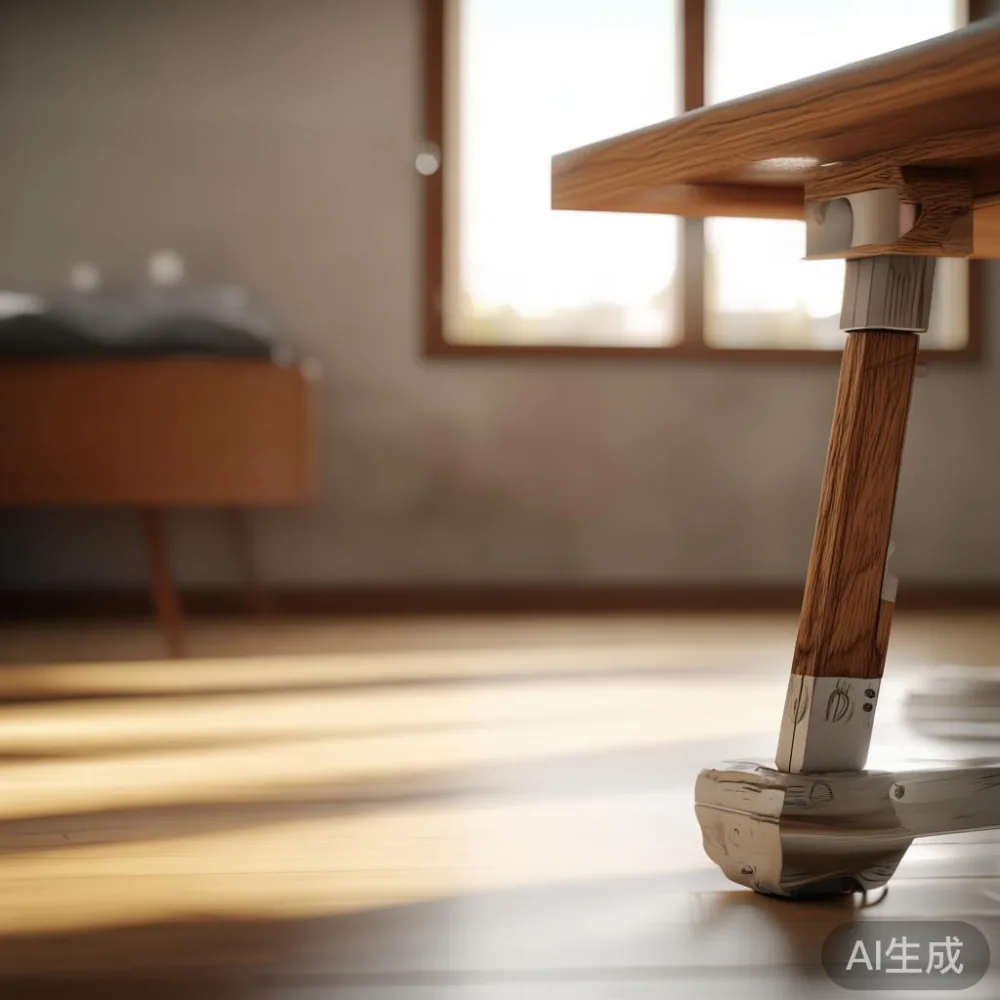
Is a Standing Desk Just a Table with Legs? The Myth of Simplicity
At first glance, a standing desk appears to be a straightforward piece of furniture. A flat surface, four legs, and a mechanism to adjust the height. But this simplicity is an illusion. A standing desk is a dynamic piece of engineering that must perform a critical function: supporting your work, your computer, and your posture, all while moving smoothly and reliably. The price difference between two standing desks often begins with the engineering of the core mechanism.
Consider the motor. A standing desk with a dual-motor lift system, capable of moving a 120kg load at a steady 38mm per second, will cost significantly more than one with a single motor. The dual-motor system provides superior stability and a higher weight capacity, a non-negotiable for someone who plans to place two monitors and a heavy marble table on the surface. The memory presets are another factor. A desk with 4 programmable height positions allows for smooth switching between sitting and standing, a feature absent on more basic models. These are not small details; they are the difference between a functional tool and a frustrating piece of furniture.
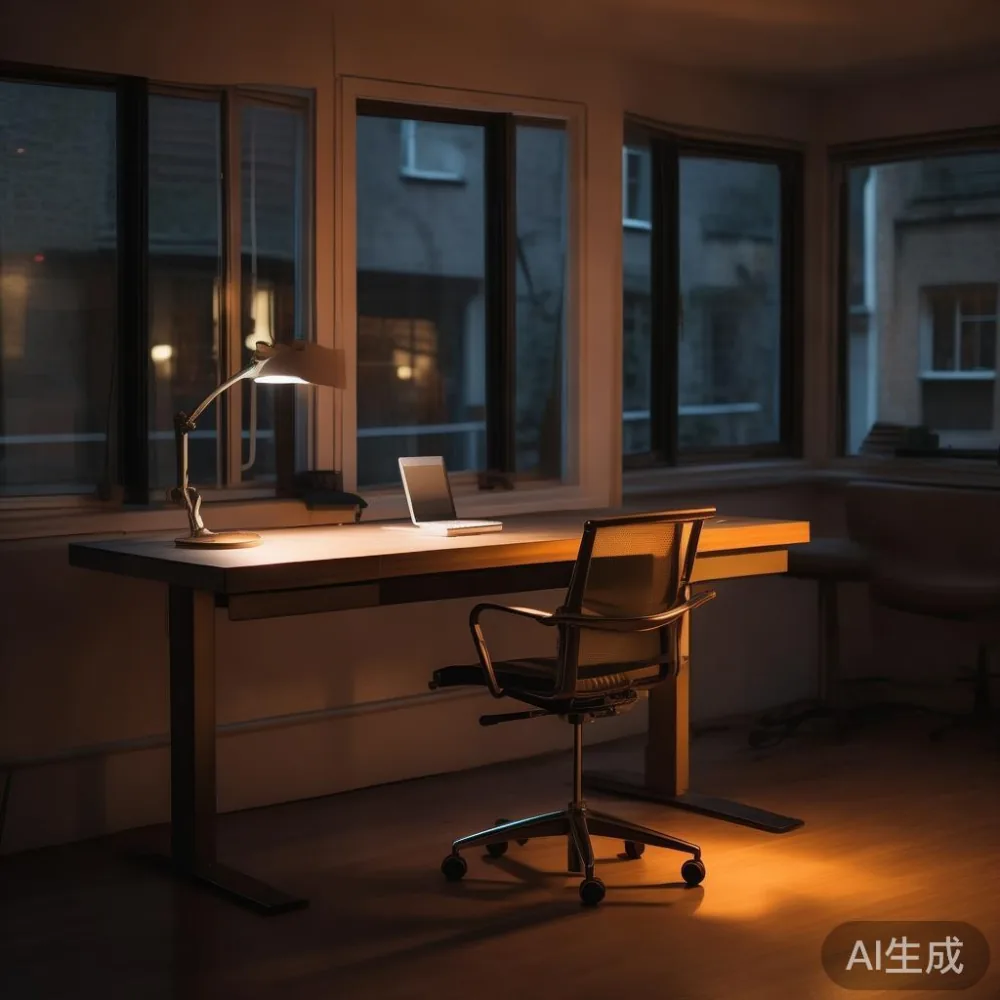
Last month, I visited a client in her Bedok apartment. She had purchased a budget standing desk online. The problem wasn't the wood, which was decent quality. The problem was the mechanism. After 6 months of use, the desk would wobble under the weight of her laptop and a small desk lamp. The adjustment was jerky and imprecise. She told me, 'I thought I was saving money, but I just bought a headache.' This experience highlighted a fundamental truth: the internal workings of a standing desk are where a significant portion of the cost is hidden, and where cutting corners leads to failure.
From Forest to Floor: The Real Story of Wood Selection
The term 'solid wood' is broad, and its meaning directly impacts price. Not all solid wood is created equal. The type of wood, its origin, and the grade of the timber used are primary drivers of cost. For a standing desk, the choice of wood is a balance between aesthetics, durability, and weight.

North American woods like White Oak and Hard Maple are popular choices for standing desks. White Oak, with its prominent grain and exceptional strength, is a premium material. A standing desk crafted from solid White Oak, measuring 160cm wide and 75cm deep, can easily weigh over 50kg. This dense, heavy wood provides a rock-solid, stable work surface that won't flex under pressure. In contrast, a desk made from a lighter wood like Rubberwood, a common and sustainable option, might weigh closer to 35kg. While durable, it lacks the same heft and premium feel. The price difference can be as much as SGD 800 for a comparable-sized desk, reflecting the higher cost of the raw material and the greater skill required to work with it.
For those seeking a lighter luxury aesthetic, European Ash offers a compelling alternative. Its lighter colour and more subtle grain pattern align with a French light luxury style, creating an airy and sophisticated look. The choice of wood is also a matter of geography and logistics. Sourcing timber from North America involves longer supply chains, import duties, and shipping costs, all of which are factored into the final price point. A manufacturer might use sustainably sourced timber from Malaysia to reduce costs, but this choice affects the material's character and perceived value.
The Invisible Hand: Labour, Craftsmanship, and Local Realities
Behind every piece of solid wood furniture is countless hours of human labour. The cost of turning a raw plank of wood into a precise, smooth, and beautiful standing desk is substantial. This is where the true value of craftsmanship is revealed.
The process begins with kiln-drying the wood. This is a critical step to prevent the wood from warping or cracking in Singapore's humid climate. A piece of timber is dried in a kiln at 55-60 degrees Celsius for 7 to 10 days, reducing its moisture content to a stable 8-10%. This controlled environment and time investment are important for the long-term integrity of the furniture. After drying, the wood is cut, planed, and shaped. Each joint, whether it's a mortise and tenon or a dovetail, must be cut with precision. A skilled carpenter in Foshan can hand-cut these joints, ensuring a fit that is stronger and more aesthetically pleasing than machine-cut alternatives.
This labour cost is also influenced by local economic factors. The cost of labour and workshops in Foshan, a major furniture manufacturing hub, is a key component of the production cost. A manufacturer with a highly skilled workforce will charge more, but the result is a product with superior fit and finish. This is why a standing desk from a maker like MIDHILL, which has honed its craft since 2008, reflects a level of detail that mass-produced items lack. The sanding process, for example, might involve multiple stages by hand, using progressively finer grits of sandpaper to create a surface that is perfectly smooth to the touch before the finish is applied.
Why Does a Standing Desk Cost More Than a Nightstand? The Design Equation
It might seem obvious that a larger piece of furniture costs more, but the price difference between a standing desk and a smaller item like a nightstand is not just about scale. It's about design complexity and engineering. A nightstand is a static object. A standing desk is a machine.
Designing a standing desk requires solving a series of complex problems. How do you create a large, stable surface that moves without wobbling? How do you integrate the electronics smoothly? How do you ensure the desk is strong enough to support heavy equipment while remaining easy to adjust? These challenges require design expertise and prototyping. A manufacturer might create 3D models and build 5-10 physical prototypes to test the mechanism, the stability, and the user experience before finalizing the design. This R&D cost is amortized over the production run, but it adds a fixed cost to each unit sold.
The aesthetic design also plays a role. A minimalist standing desk with clean lines and hidden cable management requires more thoughtful design than a simpler model. The choice of a post-modern light luxury aesthetic, for example, might involve a specific shape for the desk legs or a particular type of wood finish that requires extra steps in the finishing process. These design choices are not arbitrary; they are responses to consumer demand for furniture that is both functional and visually appealing. The design ensures the standing desk complements other pieces in a home, from a solid wood sofa to a European light luxury sideboard, creating a cohesive interior style.
What About Singapore? GST, Delivery, and the True Final Price
In Singapore, the final price tag on a piece of furniture includes more than just the manufacturing cost. The Goods and Services Tax (GST) of 9% is applied to the import price or the local sale price, adding a significant layer to the cost. For a standing desk imported from China, the landed cost includes the manufacturing price, shipping, insurance, and customs duties, before the 9% GST is calculated. This is why a desk that costs SGD 1,800 in China might be priced at SGD 2,200 in Singapore.
Delivery is another major factor, especially in a dense urban environment like Singapore. The logistics of moving a 50kg piece of furniture through a Tampines HDB block are complex. It requires a dedicated delivery team, not just a courier. For orders over SGD 350, many reputable sellers offer free shipping, which is a significant value. This service includes professional assembly, ensuring the desk is set up correctly in your home. For smaller orders, a delivery fee of SGD 80 to SGD 150 is common, covering the labour and transport. The delivery window also matters. A standard delivery might take 7-10 working days, but an express service could reduce this to 3-5 days for an additional fee.
Then there is the matter of returns and warranty. A 14-day return policy gives peace of mind, but it represents a cost for the seller. The logistics of picking up and inspecting a returned item are not free. More importantly, a long-term warranty, like the 10-year structural warranty offered by some manufacturers, is a promise of quality. It means the company is confident in the durability of its product. This warranty covers the frame, the motor, and the lift mechanism, protecting the buyer's investment for a decade. A lifetime refinishing warranty is even more remarkable, as it speaks to the quality of the wood and the finish, allowing the piece to be restored to its original condition years later. These policies are not marketing fluff; they are a reflection of the product's quality and the manufacturer's commitment to its customers.
Standing Desk Value: An Investment in Your Space and Well-being
When you look past the initial price tag, a standing desk should be viewed as a long-term investment in your health and your home. The cheapest option is often the most expensive in the long run. A poorly made desk that breaks after a year is a complete loss. A well-made standing desk, on the other hand, can serve you reliably for 15-20 years or more.
The value is also found in the details. A standing desk that fits your space perfectly is worth more than one that doesn't. For a condo in Punggol with a narrow lift, the ability to disassemble the desk into smaller, manageable parts is a practical advantage that prevents damage to your new furniture and your building. The finish on the wood is another value point. A high-quality, non-toxic finish protects the wood from daily wear and tear, making it easy to clean and maintain. This ensures your standing desk continues to look beautiful, complementing other items in your home like a modern light luxury for bedroom furniture or a Japandi for dining room setup.
Ultimately, the price of a standing desk is a reflection of its entire lifecycle. It's the sum of the quality materials, the skilled labour, the thoughtful design, the reliable warranty, and the local services like delivery and assembly. It's an investment in a healthier work routine and a piece of furniture that adds lasting value to your home. When you choose a standing desk, you are not just buying a piece of furniture; you are choosing a product designed to support your daily life for years to come.