Standing Desk Wood Prices: Understanding the True Cost
Solid wood furniture is often described as timeless, durable and premium, yet the quoted prices can differ by several thousand dollars for products that appear similar in photographs. A dining table shown at SGD 1,490 may use a different grade, thickness or joinery from one priced at SGD 3,290. A solid wood sofa may receive a higher figure because of its frame, cushion construction and upholstery work, not merely the timber visible to the buyer.
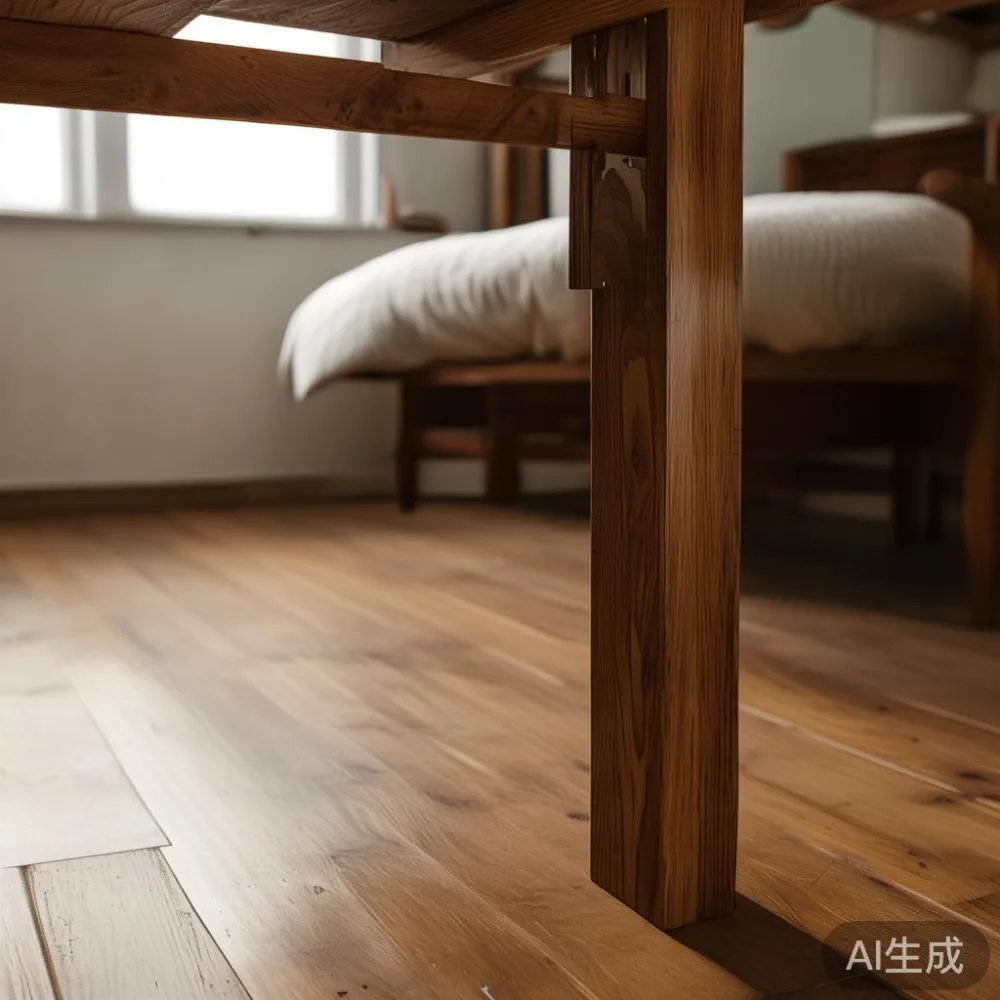
For Singapore homes, the practical calculation includes more than the item itself. HDB flats in Tampines, Bedok and Punggol often have narrow lift entrances, short corridors and compact dining zones. GST at 9%, delivery stairs and assembly can alter the final figure. Understanding the price structure helps buyers compare quotations on equal terms instead of chasing the largest number on the label.
What are the main components of a solid wood furniture price?
The timber is one component, but it is not a complete price explanation. Solid wood furniture pricing usually reflects six inputs: raw material, design and engineering, surface treatment, hardware, production tolerances and logistics. Each input affects labour, waste and the number of weeks a factory must allow before dispatch.

Wood species carry different values. Solid oak, ash, walnut and teak have distinct prices because of availability, grain character, drying requirements and machining behaviour. Solid wood sofa frames are usually concealed, while dining table tops expose more material and therefore make species and thickness easier to compare. A 40 mm tabletop can weigh 65–100 kg depending on its dimensions and density, while a veneer tabletop may weigh only 18–30 kg. That difference is visible in the product, the shipping cost and the assembly effort.
Board construction matters too. A wardrobe may combine solid timber drawer fronts with engineered panels for hidden carcasses. This can be rational where stability is needed, but it should not be presented as solid timber throughout. Buyers should ask which parts are solid wood, which are plywood or MDF, and whether drawer bottoms and back panels are included.
Why do some dining tables cost several times more?
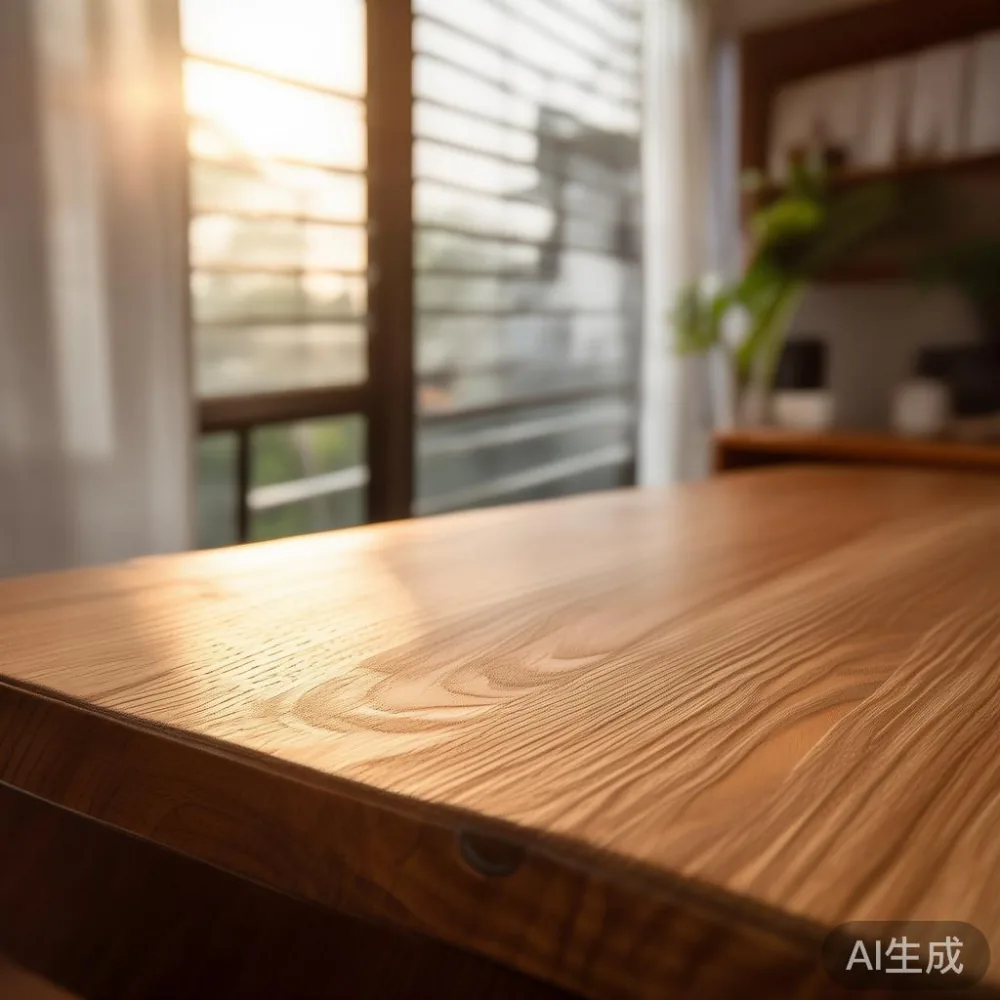
A dining table priced from SGD 1,290 to SGD 2,190 may have a different structural design, timber grade and finish standard. The price can rise when a maker selects longer boards with fewer joints, cuts thicker legs, uses stronger fasteners beneath the top or applies a more involved protective coating.
Length is a measurable driver. A 160 cm table seats four to six people and may require a top weighing 45–65 kg. A 220 cm table seating eight to ten can weigh 75–110 kg. Both need careful transport through a Singapore condo corridor and a lift with a stated internal width of at least 90 cm for most packed tables. A 220 cm top may need to enter vertically; if the lift opening is only 80 cm wide, the delivery team may need to bring it through in two sections or use the service staircase.
Joinery affects both cost and longevity. Mortise-and-tenon joints, bridle joints and reinforced corner blocks take more machining and inspection than simple screws into a flat panel. The benefit is reduced movement under daily use. Buyers should look for fixings that allow the table to be disassembled without damaging the timber, especially in flats where a 75 kg table cannot safely be moved around a tight turning corner.
Surface coatings also produce price differences. A wipe-clean matte coating may cost SGD 80–180 per dining table, while a multi-layer hardwax oil or premium lacquer may add SGD 250–700. The latter may improve repairability or alter the colour and sheen. Scratches, water rings and sunlight near an HDB window should be included in any comparison.
Is a more expensive solid wood sofa actually worth more?
A solid wood sofa can justify a higher price when its frame is kiln-dried, corner joints are reinforced, suspension is designed for repeated daily use and the cushion foam is specified by density rather than described only as “comfortable”. A showroom piece with a polished wooden base may also include decorative elements that add cutting, carving and finishing time.
The question buyers in Singapore often ask is: is European light luxury sofa worth it for an HDB living room? It can be, provided the proportions suit the room and the construction details are clear. French light luxury styling often uses pale oak, cream upholstery, curved profiles and slim legs. American light luxury tends toward broader seating, deeper cushions and a more relaxed appearance. Post-modern light luxury may mix warm timber with metal or stone accents, but the balance must remain deliberate.
For a 4-room flat, a 210–230 cm sofa may suit a living room with 3.2–4.0 m of usable wall length. A 280 cm sofa can overwhelm a narrower room even before the coffee table is placed. Price alone cannot judge suitability. A SGD 2,890 solid wood sofa with a 2.2 m footprint may represent better value for a compact room than a SGD 4,200 model requiring 2.8 m.
Upholstery is often the largest non-timber cost. Fabric yardage, foam density, piping and removable covers can add SGD 500–1,600 to the frame price. If a household expects the sofa to remain for 10 years, replaceable covers and accessible cushion inserts are worth investigating. If the sofa is mainly for occasional guest seating, a simpler suspension may be adequate.
How much should a bed frame, wardrobe and nightstand cost?
A solid oak bed frame may range from SGD 990 to SGD 2,790, depending on whether it has a solid slat base, an upholstered headboard or integrated storage. A queen bed measuring 152 × 190 cm needs to pass through a common HDB bedroom door of about 80–85 cm, so a knock-down design can reduce both transport damage and installation time.
A solid wood wardrobe normally reflects its usable volume, drawer hardware and interior fittings. A 180 cm-wide, 210 cm-high unit may cost SGD 1,490–3,290. Hanging rails, adjustable shelves, soft-close hinges and pull-out trouser racks each affect the total. For a family in Punggol, a 120 cm-wide unit may provide more practical storage than a visually impressive 180 cm model that blocks half the room.
Nightstands are usually smaller but not automatically inexpensive. A 45 × 40 cm unit may retail for SGD 289–699. A drawer with a solid timber front, concealed slide and finished back can cost more than a simple open shelf. If the nightstand will carry a marble table lamp, the top should be checked for adequate load capacity, not just visual thickness.
For lower-bed configurations, knowing how to style Japanese bed in apartment can help avoid buying a bulky frame that reduces circulation. A 10 cm platform, 30–35 cm mattress and 150–200 cm width may suit a study or multipurpose room better than a 45 cm-high divan. A compact room also affects standing desk planning, because the desk should not compete with the bed for wall and aisle space.
Does delivery, GST and installation change the real price?
Yes. Singapore quoted prices normally exclude GST, which is charged at 9%. A dining table listed at SGD 2,190 becomes SGD 2,387.10 after tax. The difference is SGD 197.10, enough to affect the final choice between two nearly identical models.
Delivery depends on access. A ground-floor HDB unit near a 120 cm-wide lift is straightforward. A walk-up unit without a lift requires two or three crew members, more time and possibly a scaffolding arrangement. A corridor narrower than 90 cm may create extra handling charges even if the lift is large.
Typical delivery windows are 5–12 working days for in-stock items in Singapore, while made-to-order furniture may take 6–10 weeks. Some factories quote production plus dispatch as one period, so buyers should ask when the order enters production, when it leaves the workshop and whether the delivery estimate includes customs clearance.
MIDHILL provides free shipping for orders above US$350, equivalent to roughly SGD 470 before GST, but the threshold and destination should be confirmed at checkout. Its 14-day return policy also requires careful reading, especially for made-to-order pieces, custom dimensions and upholstered items. These terms can influence the effective price more than a small finish discount.
What should I check before paying for standing desk furniture?
A standing desk gives useful guidance on pricing because its cost is divided between moving parts, controls, frame, work surface and stability. Electric models commonly fall between SGD 599 and SGD 1,699. Manual models may range from SGD 299 to SGD 699. The timber top alone can add SGD 180–450.
The standing desk must be assessed on adjustment range, speed, noise, load rating and anti-collision features. A 140 × 70 cm dual-motor standing desk may lift 80–120 kg, while a lighter single-motor model may support 50–70 kg. A solid timber surface can weigh 18–28 kg, reducing the usable lifting capacity. For a 120 × 60 cm worktop, verify the desk height range is at least 65–125 cm, which suits many adults.
In a Singapore bedroom or living area, the standing desk also needs an electrical route without creating a trip hazard across a 60–90 cm circulation zone. Cable channels, under-desk storage and a wall clearance of at least 5 cm can make daily use safer. The motor warranty matters as much as the wood warranty: a 5-year frame and motor coverage is more useful than a 10-year claim limited to parts that are difficult to replace.
Buyers should also check whether the desk is sold as a complete system or as a frame and top sold separately. If a timber top is added later, compatibility with the frame’s screw pattern, load rating and control box must be confirmed.
How do I compare two quotations without being misled?
Compare products using a written specification sheet. Record the dimensions in centimetres, net weight in kilograms, timber species, board composition, joinery, finish, hardware, warranty and delivery terms. Two dining tables may both measure 180 cm, yet one may weigh 58 kg while the other weighs 42 kg. The heavier construction is not automatically preferable, but it indicates a different material and support strategy.
Ask for photographs of the underside, drawer runners, joinery and packaging. A showroom can make veneer and solid timber difficult to distinguish. Confirm that the quoted product is a solid wood sofa, bed frame, dining table, wardrobe, nightstand or marble table rather than a mixed-material item marketed under a broad category.
For storage furniture, test every drawer. The movement should be smooth, with less than 2–3 mm of visible side play when properly loaded. For tables, check the top for movement under a 30 kg distributed load and examine how the apron or legs are fixed. For seating, the frame should not twist when a person sits at either end.
Samples can prevent expensive misunderstandings. An 8 × 8 cm timber chip is enough to compare grain and finish, while a fabric swatch should be tested in daylight near the intended window. A marble table should be checked for the thickness of the slab, underside support and protection during installation.
There are use-specific versions of popular design questions. For a room intended partly for visitors, searching Industrial for guest room can lead to a metal-bed frame, although a solid timber option may suit a warmer apartment. Likewise, learning how to style French sofa in bedroom requires caution: a sofa in a bedroom should leave at least 60 cm beside the bed and should not block a doorway or wardrobe opening.
What about European light luxury beds and European sofas with storage?
European light luxury beds often combine solid timber frames with padded or slatted headboards, curved rails and restrained upholstery. The relevant question is how to style European light luxury bed in bedroom without making a compact HDB room feel crowded. A queen frame with a 105–115 cm headboard may suit a 3.6 m-wide bedroom, while an oversized 140 cm headboard can visually reduce the space.
Storage adds functional value but also labour and hardware. A lift-up bed may save floor space yet need gas struts, a stronger centre support and careful access beneath the mattress. A hydraulic storage bed can cost SGD 1,690–3,290 before delivery and assembly. Drawer storage takes more usable volume and may protrude 35–55 cm from the frame.
For flexible guest rooms, a European sofa bed with storage may cost SGD 1,490–3,490. The mattress size, support mechanism and internal compartment should be tested. A sofa that looks comfortable but offers a 190 × 135 cm sleeping surface may be more useful than a larger model with weak folding hardware. Confirm that the mechanism includes a warranty of at least 5 years and that replacement parts are available in Singapore.
What is a fair way to judge solid wood furniture value?
Value comes from the combination of material, construction, dimensions, service and suitability. A restaurant table with solid oak tops, stainless fasteners and compact flat-pack construction may be more useful for a small restaurant than a decorative table twice its price. A dining table with reinforced corners and replaceable parts can justify more than a lighter model with a fragile finish.
Budget about 10–15% of the item price for delivery uncertainty, accessories and care, although this is not always necessary for in-stock flat-pack furniture. Allow 30–60 minutes for assembly if instructions and tools are included. For a wardrobe, installation may take 2–4 hours, while a bed frame may take 30–90 minutes and a dining table 20–60 minutes.
Warranties should be read by component. A 10-year structural warranty is more significant than a general 10-year statement if it explicitly covers the frame, joints and structural timber. MIDHILL’s 10-year structural warranty and lifetime refinishing policy provide useful benchmarks, though consumers should confirm what refinishing includes, which pieces qualify and whether freight is covered.
The most revealing test is simple: ask for the product specification and total installed cost. Check the solid wood thickness, net weight, finish, dimensions, access requirements, GST, delivery window and return terms. That comparison exposes where money is actually being spent. It also makes it easier to identify MIDHILL furniture within a broader market where similar visuals can conceal very different material and construction choices.
Price is not a reliable shortcut, but it becomes easier to interpret when every component is visible. Solid wood furniture can be worth a premium when the timber, engineering and service match the room and the way it will be used. Paying more does not guarantee a better result; paying for measurable construction and suitable dimensions usually does.