Preserving the Gloss: A Guide to Lacquered Standing Desk Care in Singapore's Tropical Climate
Living in Singapore presents a unique set of challenges for maintaining fine furniture. The constant high humidity, frequent rain showers, and direct sunlight can be particularly unforgiving to delicate surfaces like the high-gloss lacquer finish on a standing desk. For those who have invested in a quality piece, the thought of it losing its lustre to the elements is a genuine concern. This guide provides a detailed, practical approach to caring for your lacquered standing desk, ensuring it retains its pristine appearance for years to come, whether it's placed in a sun-drenched corner of a Bedok apartment or a shaded nook in a Punggol condominium.
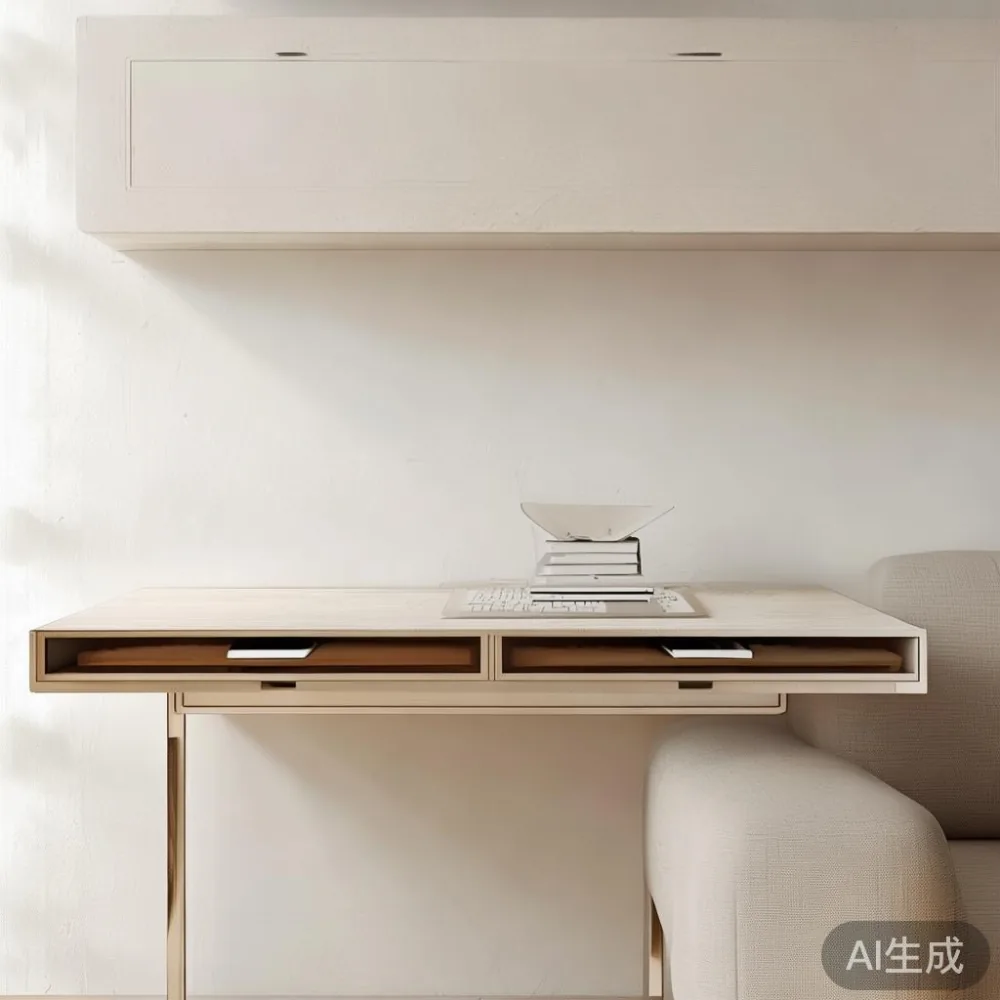
Understanding Your Lacquered Standing Desk Surface
A lacquered finish, often referred to as a high-gloss or piano lacquer, is created by applying multiple layers of a clear, hard varnish over a prepared wood surface. This process results in a deep, reflective sheen that is highly resistant to minor scratches and stains. However, this very durability is also its Achilles' heel in a tropical climate. The finish is in effect a plastic film, and it can be sensitive to rapid changes in temperature and humidity. When a standing desk made with this finish moves from an air-conditioned room (around 24°C) to a more humid balcony (35°C with 85% humidity), the wood underneath expands and contracts at a different rate than the lacquer layer. This stress can lead to a common problem known as 'crazing,' where fine, spider-web-like cracks appear in the surface. Understanding this dynamic is the first step in preventative care.
How Humidity and Heat Affect Your Standing Desk Finish
Singapore's climate is characterised by high relative humidity, often exceeding 80% for extended periods. This moisture in the air is absorbed by the solid wood core of your standing desk. While the wood is designed to breathe, excessive and prolonged exposure to moisture can cause it to swell. The lacquer finish, being non-porous, prevents this moisture from escaping, trapping it underneath. Over time, this trapped moisture can lead to white hazy spots, a phenomenon known as 'blushing,' or in severe cases, cause the lacquer to peel away from the wood. Heat, especially direct sunlight, exacerbates this issue. UV rays can break down the polymers in the lacquer, causing it to become brittle and discolour, turning a brilliant white surface into a dull, yellowish one. A standing desk placed near a window in a Tampines HDB flat, for example, is at a higher risk of sun damage than one positioned in a more sheltered spot.
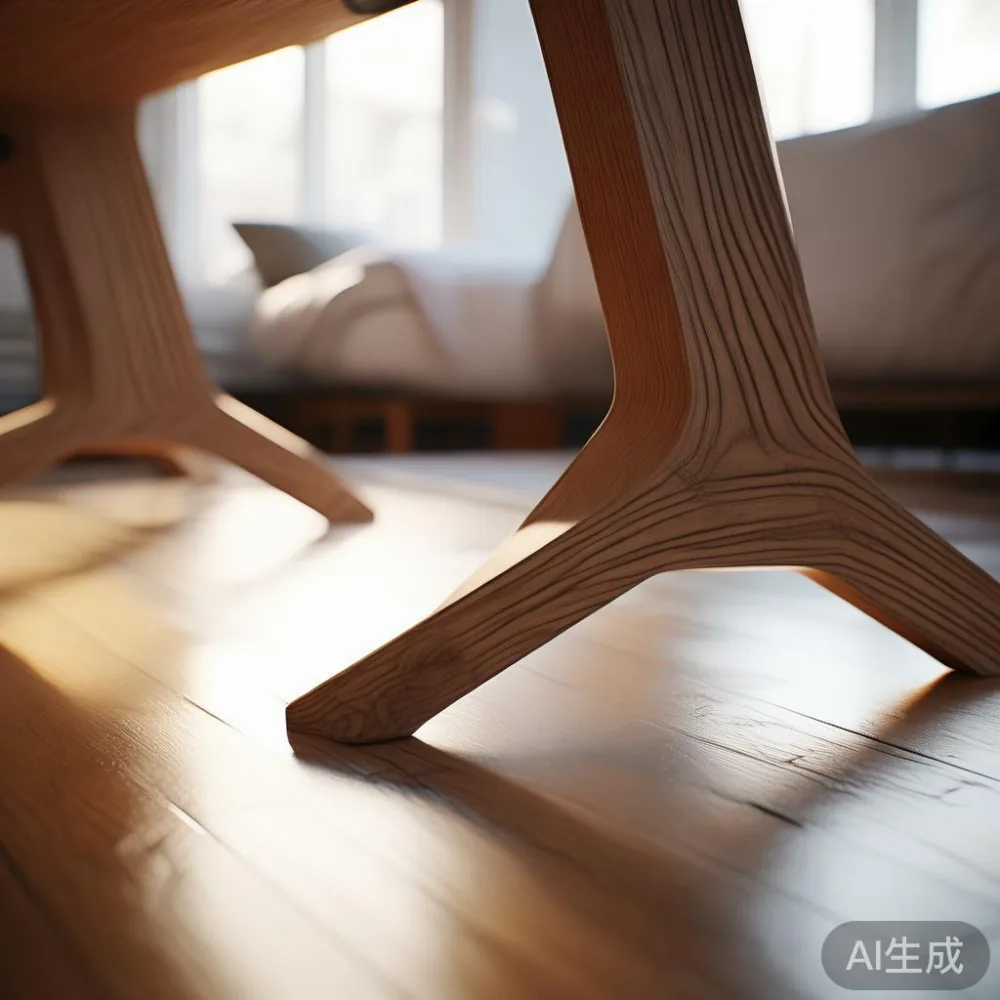
What Cleaning Products Should You Absolutely Avoid?
Proper maintenance begins with knowing what *not* to use. Aggressive cleaning chemicals are the enemy of a lacquered surface. Never use any product containing ammonia, alcohol, or strong solvents like acetone. These chemicals can strip away the protective lacquer layer, leaving the wood underneath exposed and vulnerable. Common household cleaners like Windex or other glass cleaners are also off-limits; their ammonia content will dull the finish almost immediately. Similarly, avoid abrasive scrubbing pads, steel wool, or rough sponges, as they will scratch the surface, creating permanent marks that are difficult to repair. Even natural oils like olive oil or lemon oil should be avoided. While they may seem harmless, they can penetrate the microscopic pores of the lacquer, creating a sticky, cloudy residue that attracts dust and dirt, making your standing desk look worse over time.
What is the Proper Way to Clean a Lacquered Standing Desk?
The correct cleaning routine is simple, gentle, and highly effective. For daily dusting, use a soft, lint-free microfiber cloth. A slightly dampened cloth can be used for light smudges, but be sure to wring it out thoroughly so it is only damp, not wet. Wipe in the direction of the wood grain to avoid creating fine swirl marks. For a deeper clean every 2-3 weeks, use a dedicated furniture polish formulated for lacquered or high-gloss surfaces. These polishes are typically water-based and contain silicone, which helps to fill in minor micro-scratches and restore the reflective shine. Apply a small amount to a clean, soft cloth and buff the surface gently. Remember, less is more. Over-applying polish can build up a dull film, so use it sparingly and always buff the surface until it feels clean and dry to the touch.
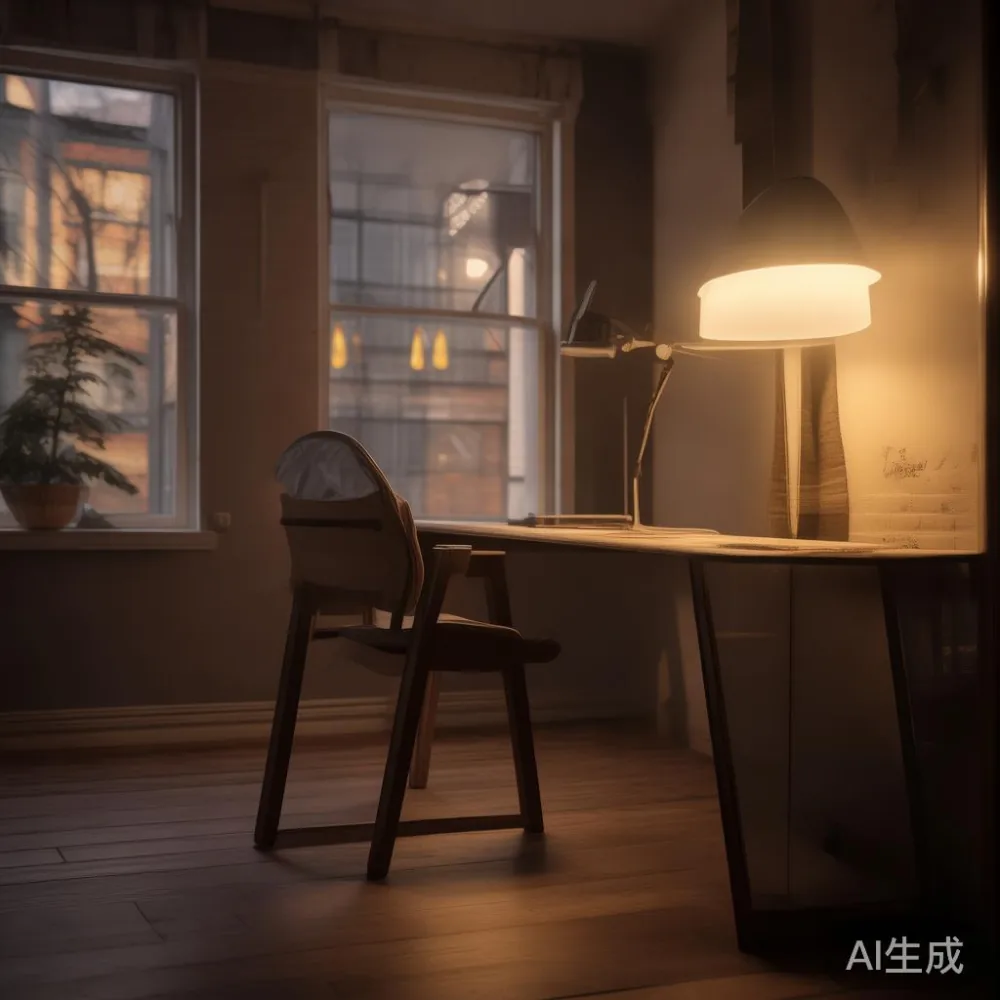
How Can You Prevent Heat and Sun Damage?
Prevention is always better than repair. The most effective way to protect your standing desk from heat and sun damage is through strategic placement. Position your desk away from windows that receive direct, unfiltered sunlight, especially during the peak hours of 11 AM to 3 PM. If placing it near a window is unavoidable, invest in high-quality, UV-blocking window film. This film can block up to 99% of harmful UV rays without significantly darkening your room. For added protection, consider using sheer curtains or blinds that can be drawn during the brightest parts of the day. It is also wise to avoid placing hot objects like laptops, mugs of coffee, or lamps directly onto the lacquered surface. Always use coasters or a protective placemat to create a barrier. This simple habit prevents heat rings, which can permanently damage the finish.
What Should You Do About Minor Scratches and Water Marks?
Despite your best efforts, minor accidents can happen. For small, superficial scratches that have not penetrated the wood, a specialized scratch repair pen or crayon can be effective. These products contain a small amount of pigment that fills the scratch and blends it with the surrounding colour. For more stubborn water marks or white spots (blushing), which are typically trapped moisture, you can try a gentle remedy. Place a clean, thick cotton cloth over the mark and press a warm iron set to a low, steam-free setting over the cloth for a few seconds. The heat can help to draw the moisture out of the wood and evaporate it from under the lacquer. Be careful not to let the iron touch the desk directly, and test this method on an inconspicuous area first. For deeper scratches or damage that has penetrated the lacquer layer, professional repair is often the only option to restore the finish to its original condition.
How Can I Protect My Standing Desk During a Singapore Renovation?
Last month, I visited a client's condo in Punggol who was renovating their home. They had just purchased a beautiful solid wood standing desk and were concerned about protecting it during the messy construction phase. This is a very valid concern. Dust from sanding, paint splatters, and accidental bumps from tools can quickly ruin a fine finish. The best solution is to completely cover the desk with a heavy-duty, thick plastic sheet or a custom-fit furniture cover. Ensure it is taped down securely at the base to prevent dust from getting underneath. If possible, move the standing desk to a room that is not part of the renovation zone, like a master bedroom. If moving it is not an option, create a 'clean zone' around it by laying down drop cloths on the floor and instructing workers to be extra cautious. After the renovation is complete, before removing the cover, give the entire area a thorough vacuuming to prevent dust from settling on the desk as you uncover it.
What About Long-Term Maintenance and Care?
Long-term care for a lacquered standing desk is about consistent, gentle habits. Every 6 to 12 months, depending on the environment, you should perform a more thorough maintenance session. This involves cleaning the surface as described, then applying a high-quality carnauba wax polish. Carnauba wax provides a deep, warm shine and offers an extra layer of protection against minor scratches and moisture. Apply a thin layer with a soft cloth, let it dry to a haze, and then buff vigorously with a clean, dry microfiber cloth until the surface gleams. It is also wise to periodically check the humidity levels in the room. If you consistently see signs of moisture-related issues, consider using a dehumidifier to maintain the humidity between 45% and 55%, which is the ideal range for wood furniture. Many modern standing desks also come with smart features to adjust height, but remember to keep the electronic components dry and away from direct water sources.
Does My Standing Desk Warranty Cover This Type of Damage?
This is a common question for new owners. Most warranties, including the comprehensive 10-year structural warranty offered by manufacturers like MIDHILL, are designed to cover defects in materials and workmanship. This means if the lacquer finish were to fail due to a manufacturing flaw—for example, if it were to peel or crack without any external cause—it would be covered. However, warranties typically do not cover damage resulting from environmental factors, accidents, or improper care. Issues like crazing from humidity swings, sun bleaching, or water rings from a forgotten glass are generally considered to be the owner's responsibility. Therefore, understanding and following the care guidelines is not just about preserving the appearance of your standing desk; it is also about maintaining the validity of your warranty. Always read the specific terms and conditions of your warranty document to know exactly what is and is not covered.
Final Thoughts on Preserving Your Investment
Caring for a lacquered standing desk in Singapore is less about intensive labour and more about mindful habits. By understanding how the local climate affects your furniture, using the correct cleaning products, and taking simple preventative measures, you can easily protect your investment. A standing desk is more than just a piece of furniture; it is the centrepiece of your home office or study. Its beautiful, reflective finish contributes to a professional and inspiring work environment. With a little attention, you can ensure that this centrepiece remains a source of pride and functionality for many years, continuing to offer the perfect blend of style and ergonomic support for your daily routine. The principles of care for a standing desk can also be applied to other pieces in your home, from a European light luxury nightstand to a dining table, ensuring your entire living space maintains its light luxury aesthetic.