Preserving the Polish: A Guide to Caring for Your Lacquered Standing Desk in Singapore's Humid Climate
In Singapore, where the air is thick with moisture and the sun beats down with relentless intensity, maintaining the pristine condition of fine furniture is a year-round commitment. For those who have invested in a standing desk with a beautiful lacquered finish, this challenge is particularly acute. The glossy, reflective surface that initially drew you in can quickly fall victim to the unique environmental pressures of our tropical island. This guide provides practical, detailed advice on how to protect and care for your lacquered standing desk, ensuring its beauty and structural integrity remain intact for years to come, whether you live in a compact Bedok HDB flat or a spacious Punggol condominium.
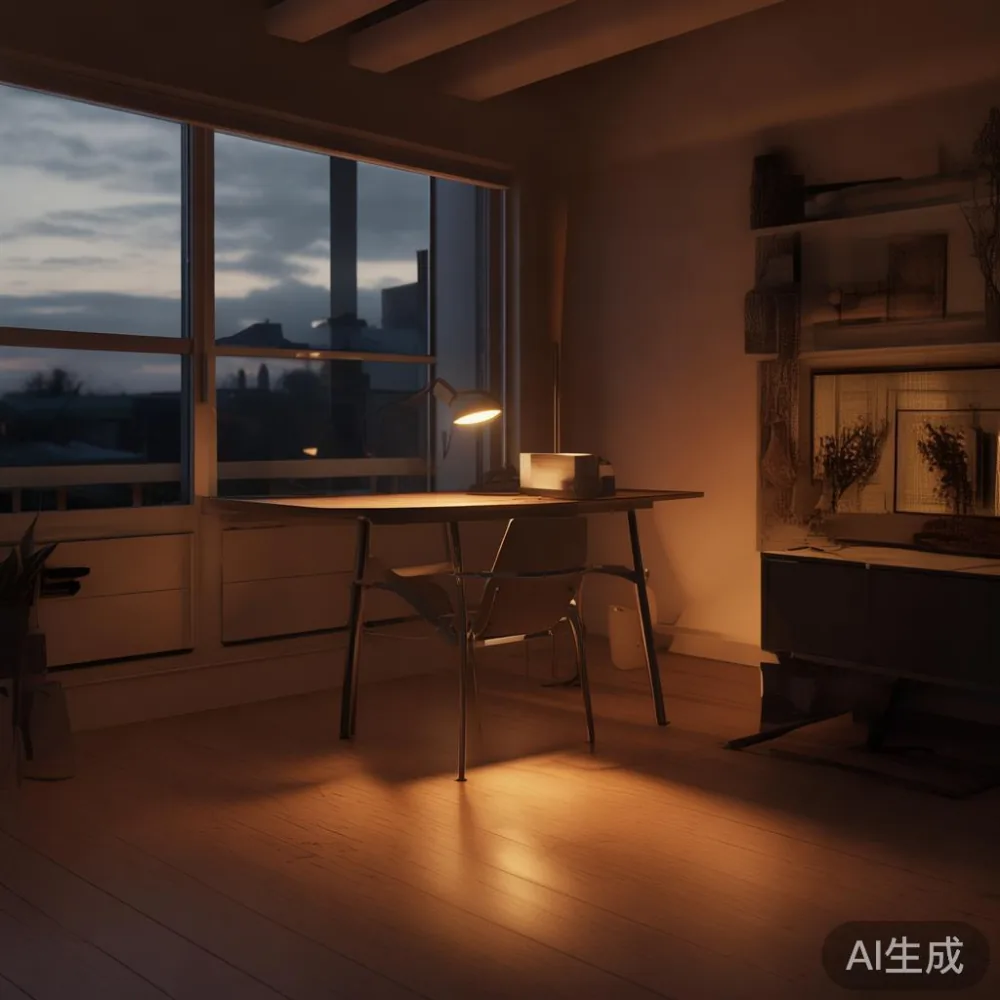
Why Does Singapore's Climate Pose a Threat to Lacquered Surfaces?
The primary enemy of a lacquered finish in Singapore is not dust, but moisture and heat. A typical day in Singapore sees relative humidity levels hover between 70% and 90%, often climbing above 95% during the inter-monsoon periods. This constant exposure to ambient humidity can cause several issues for your standing desk. The wood beneath the lacquer can absorb moisture, leading to swelling. This expansion places stress on the rigid lacquer layer, which can result in unsightly white spots, cloudiness, or in severe cases, the lacquer itself cracking or peeling. Also, the intense UV radiation from our sun can cause the lacquer to fade or yellow over time, dulling the once-vibrant shine.
My colleague, Sarah, who lives in a Tampines HDB, experienced this firsthand. Last month, she visited my office and pointed to a small, cloudy patch on her beloved standing desk. 'I didn't think much about it,' she said, 'but after the wettest November in 10 years, it just appeared.' This kind of damage is not a sign of poor craftsmanship; it is a direct consequence of the environment interacting with a material not designed for such constant humidity. Understanding this relationship is the first step toward prevention.

What Exactly is Lacquer and How Does It Protect Your Standing Desk?
Before we discuss care, it's helpful to understand what you're protecting. Lacquer is a clear, hard, protective coating applied over wood. It is created by dissolving nitrocellulose in a solvent, which is then sprayed onto the wood surface. As the solvent evaporates, the nitrocellulose forms a tough, glass-like film. This film is highly effective at preventing scratches, stains, and minor moisture exposure from daily use. A high-quality lacquered standing desk, like those from MIDHILL, often features multiple layers of lacquer, hand-sanded between each application, to achieve a deep, mirror-like finish that is both durable and beautiful.
This protective layer, however, is not impermeable. It is designed to shield against incidental contact, not to be a barrier for the wood itself against the surrounding climate. Think of it as a high-tech raincoat for your standing desk. It keeps the light drizzle off, but if you stand in a monsoon for hours, the moisture will eventually find its way through. The goal of proper care is to minimize the amount of 'rain' your standing desk is exposed to in the first place.
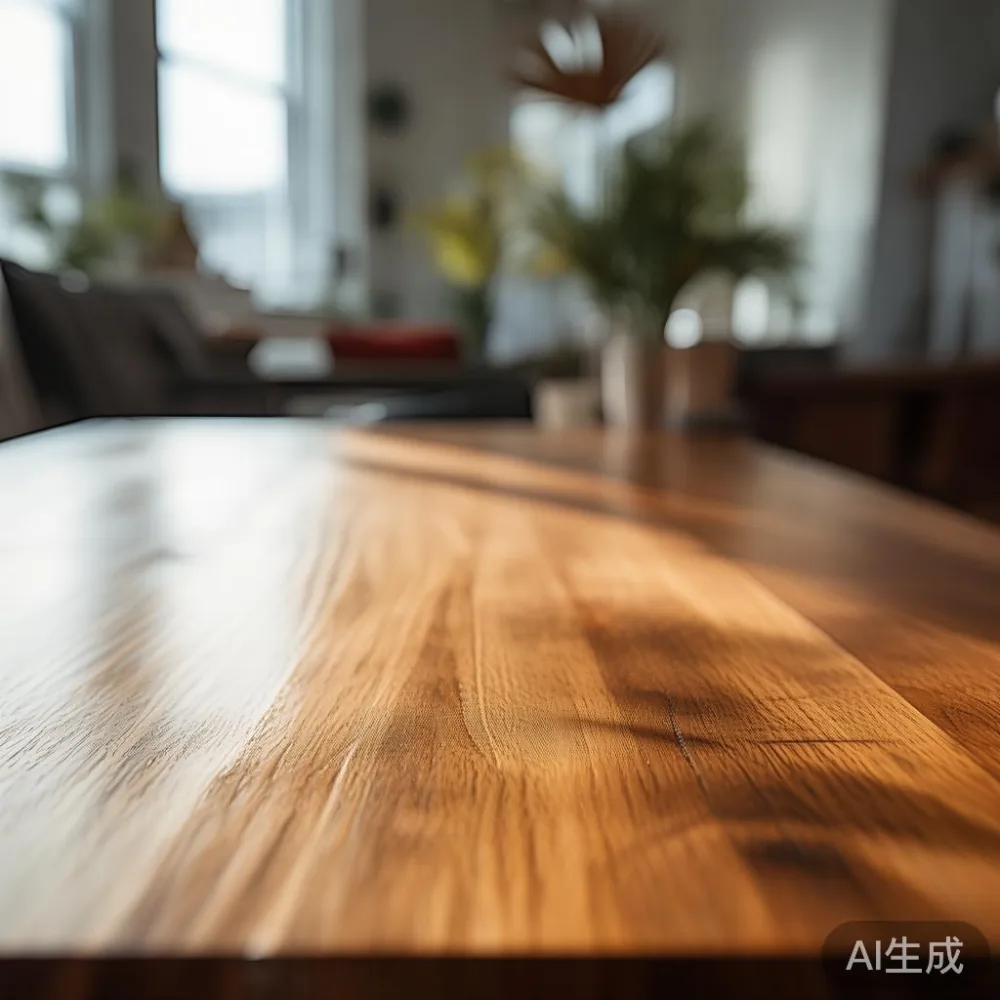
Is It Possible to Style a Standing Desk with Other Light Luxury Pieces?
Absolutely. A standing desk is often the centerpiece of a modern home office, and it can be beautifully integrated with other light luxury furniture to create a cohesive and sophisticated aesthetic. For instance, pairing your standing desk with a solid wood sofa in a soft, neutral fabric can create a relaxing lounge area just steps away. A European bed vs French provincial bed debate might seem unrelated, but the principles of clean lines and natural materials apply across your furniture choices. The same minimalist ethos that makes a standing desk appealing can be extended to a marble table used as a side station or an Italian light luxury nightstand placed beside your sofa for evening reading.
Creating this harmonious look is about balancing functionality and style. You might ask, 'how to style American wardrobe in apartment' to complement your workspace? The answer lies in consistent materials and finishes. A wardrobe with a similar matte or satin lacquer finish to your standing desk can tie the room together without being overly matchy-matchy. The key is to let each piece, from the standing desk to the nightstand, stand on its own merits while contributing to an sense of calm and quality.
Daily and Weekly Care Rituals for Your Lacquered Standing Desk
Consistent, gentle care is the most effective strategy. For daily cleaning, use a soft, lint-free microfiber cloth. Dampen it slightly with distilled water—tap water can leave mineral deposits. Wipe the surface in a gentle, circular motion to remove dust and fingerprints. Avoid using paper towels, as their rough texture can create fine scratches over time. For weekly maintenance, after dusting, you can apply a small amount of a specialized furniture polish formulated for lacquered surfaces. Apply the polish to the cloth, not directly onto the desk, to prevent buildup. Buff the surface thoroughly with a clean, dry microfiber cloth to restore its shine.
Pay special attention to the desk's edges and corners, where dust tends to accumulate. A standing desk with a motorized lift mechanism will have small gaps and joints; use a soft brush or the nozzle attachment of your vacuum cleaner on a low setting to clear these areas. The weight of a standing desk can range from 35 kg to 60 kg, so always lift cleaning cloths and accessories rather than dragging them across the surface to prevent scratches. This simple routine, taking no more than 5 minutes a day, will significantly reduce the risk of long-term damage.
How to Deal with Spills and Stains Immediately
Spills are inevitable, but how you handle them can mean the difference between a clean wipe and a permanent stain. The golden rule is to act immediately. The longer a liquid sits on the lacquer, the more time it has to potentially seep through microscopic imperfections. For water spills, simply blot the area dry with a soft, absorbent cloth. For coffee, wine, or other liquids, first blot to remove as much as possible, then dampen a cloth with a mixture of one part mild dish soap to ten parts distilled water. Wipe the area gently, then follow up with a clean, damp cloth to remove any soap residue. Dry the spot immediately with a dry microfiber cloth.
For stubborn marks, you can use a specialized lacquer cleaner. These products are designed to be gentle yet effective. Always test any new cleaning product on an inconspicuous area of the desk, such as the underside or the back, first. Avoid using harsh chemicals like ammonia-based window cleaners, alcohol, or abrasive scouring pads, as these will strip the lacquer's protective finish and leave permanent damage. Remember, prevention is better than cure; using coasters for drinks and placemats under hot dishes is a simple habit that will save you from many potential disasters.
Long-Term Protection: Placement and Environmental Control
Where you place your standing desk is just as important as how you clean it. Position it away from direct sunlight, which can cause the lacquer to fade. If your desk is near a window, install UV-blocking window film, which is readily available in Singapore and can reduce UV rays by up to 99%. Also, keep it at least 50 cm away from air conditioning units or dehumidifiers, as the direct, cold air can cause the lacquer to contract and crack.
Managing the ambient humidity in the room is the most effective long-term protection. For a typical Singaporean bedroom of 12 square meters, a dehumidifier with a capacity of 20 liters per day is sufficient. Run it for 4-6 hours a day, especially during the night. The ideal relative humidity for wooden furniture is between 45% and 55%. A simple digital hygrometer, which costs around SGD 30 to SGD 50, can help you monitor the levels. In a corridor or lift area of a condo building where you might store items, controlling humidity is even more critical, as these spaces can experience even greater temperature and moisture fluctuations.
When is a Professional Refinish Necessary and What About the Warranty?
Despite your best efforts, there may come a time when the lacquer on your standing desk is damaged beyond what DIY care can fix. This includes deep scratches that have penetrated the finish, extensive cloudiness, or peeling lacquer. This is where professional refinishing becomes necessary. A skilled craftsman can sand down the damaged layers and apply new lacquer, restoring the desk to its original condition. The cost for this service varies depending on the extent of the damage and the size of the desk, but for a standard 120 cm x 60 cm standing desk, you can expect to pay between SGD 800 and SGD 1,500.
This is where the value of a strong warranty becomes clear. Many reputable manufacturers offer a lifetime refinishing warranty, which covers the cost of this service. It is wise to confirm the specific terms of this warranty. For example, does it cover damage caused by environmental factors, or only manufacturing defects? A 10-year structural warranty is also a key indicator of quality, ensuring the desk's frame and motor will remain sound for a decade. This peace of mind allows you to enjoy your beautiful standing desk without the constant anxiety of potential damage, knowing that support is available if needed.