Living with Wood in Humid Singapore: A Practical Guide for HDB Homes
Singapore sits just one degree north of the equator, and the air never really stops talking to your furniture. Average relative humidity hovers between 78% and 88% for at least nine months a year, and on a wet August afternoon in Tampines I watched the hygrometer on a friend’s wall climb to 91% while her 4-year-old oak dining table quietly absorbed the difference. That single reading explained the tiny gaps along her table’s breadboard ends, the faint puffiness along the back of her solid wood sofa frame, and the stickiness of the drawer runners on her bedroom wardrobe. None of those were manufacturing defects. They were the wood talking back.
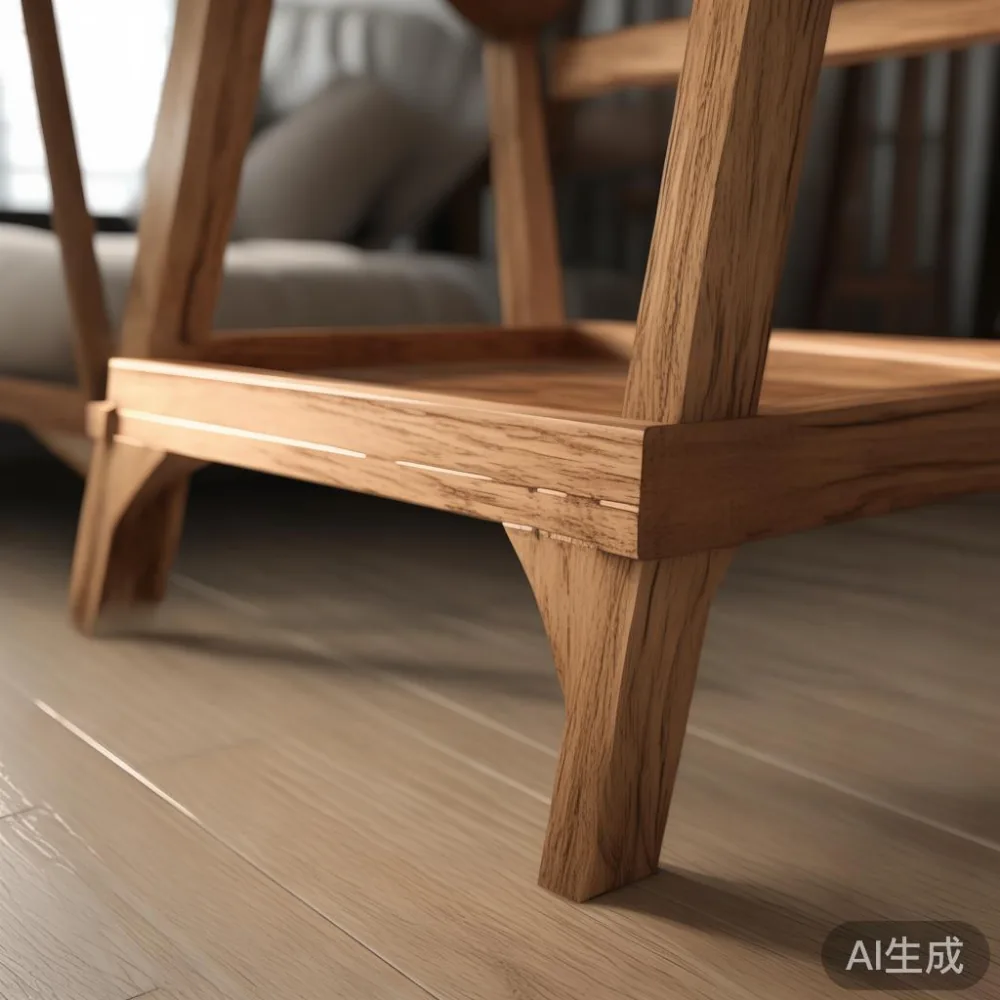
At MIDHILL, our factory in Foshan has worked with solid hardwood since 2008, and we ship pieces into Singapore every week. The same product can behave very differently in a 90 m² Bedok HDB flat with cross-ventilation than in a 28 m² Punggol studio with the air-con running 18 hours a day. Understanding the physics, and a few habits, makes the difference between a bed frame that lasts fifteen years and one that splits by Chinese New Year.
Why Singapore Humidity Is Harder on Wood Than London Fog or Beijing Winter
Wood is a hygroscopic material, which is a polite way of saying it drinks. Each board absorbs and releases moisture until it reaches equilibrium with the surrounding air. The technical term is EMC, or equilibrium moisture content. In an air-conditioned London flat at 21°C and 45% RH, EMC sits around 8%. In an unventilated Singapore HDB at 30°C and 85% RH, EMC climbs to roughly 18%. A 220 cm dining table top can swell by 4–6 mm across its width in that shift, and the stress has to go somewhere. Usually it shows up as cupping, crowning, or a hairline split at the end of a stave.
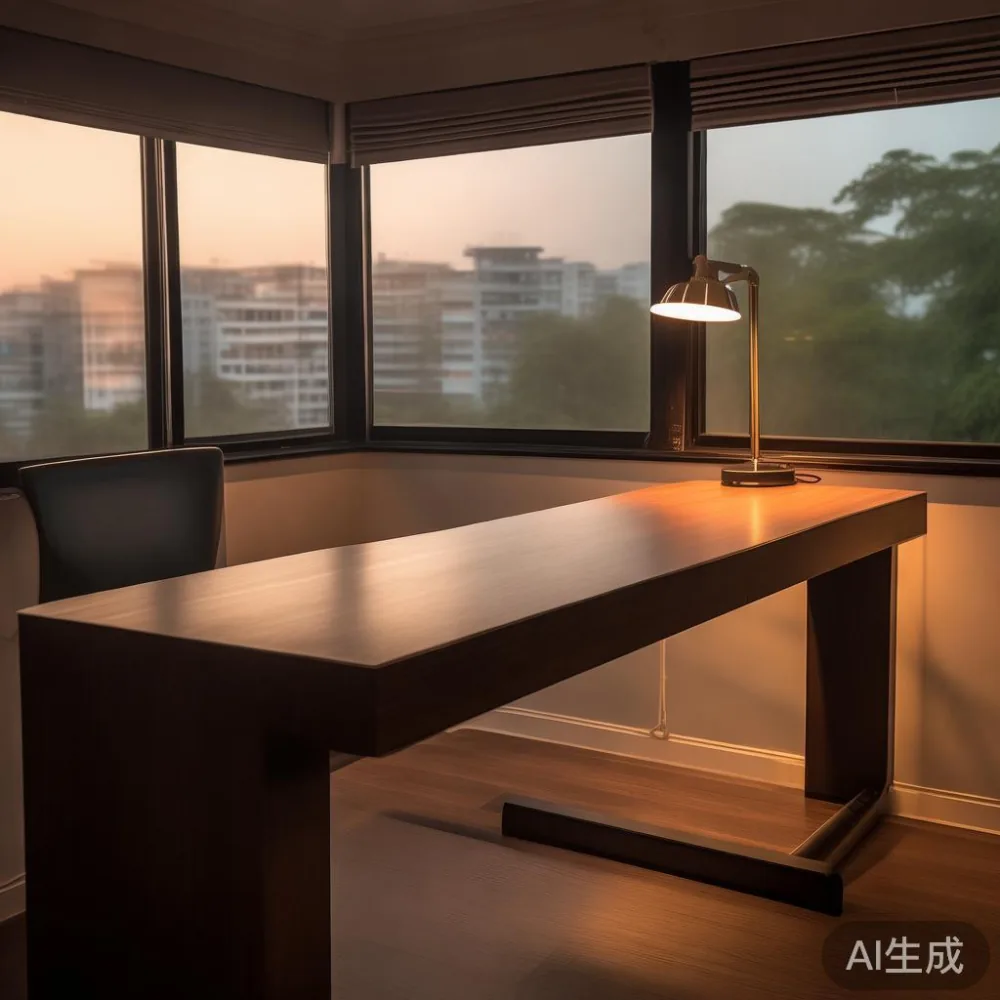
Three local factors make this worse than the numbers suggest. First, HDB corridors and lifts in estates built after 2010 are tight; a 2.4 m wardrobe panel often has to come up a goods lift that is only 2.1 m deep, which means panels are engineered narrower and joined on site, creating more glue lines that respond to humidity. Second, GST and landed costs push most buyers toward solid wood furniture with engineered joinery rather than full solid timber, and the engineered parts move at a different rate than the solid parts. Third, air-conditioning swings of 8–12% RH across a single day, common in Singapore condos where owners set the thermostat to 23°C overnight and 26°C during the day, cycle the wood constantly. Stable wood likes a stable room.
What Actually Happens to a Solid Wood Sofa, Bed Frame, and Wardrobe in a 90 m² HDB
Last month I visited a 92 m² HDB in Bedok with a family of four who had bought a post-modern light luxury solid wood sofa set two years earlier. The frame was fine, but the armrest panels had developed a 1.5 mm lip where the seat platform met the side. The fix was not a complaint; it was a 90-minute visit with a hygrometer, a dehumidifier set to 55% RH, and a microfiber cloth. The lip closed by half within ten days. The remaining 0.7 mm became the new normal for that room’s humidity range, and the family learned to leave the sofa 15 cm off the wall so air could move behind it.
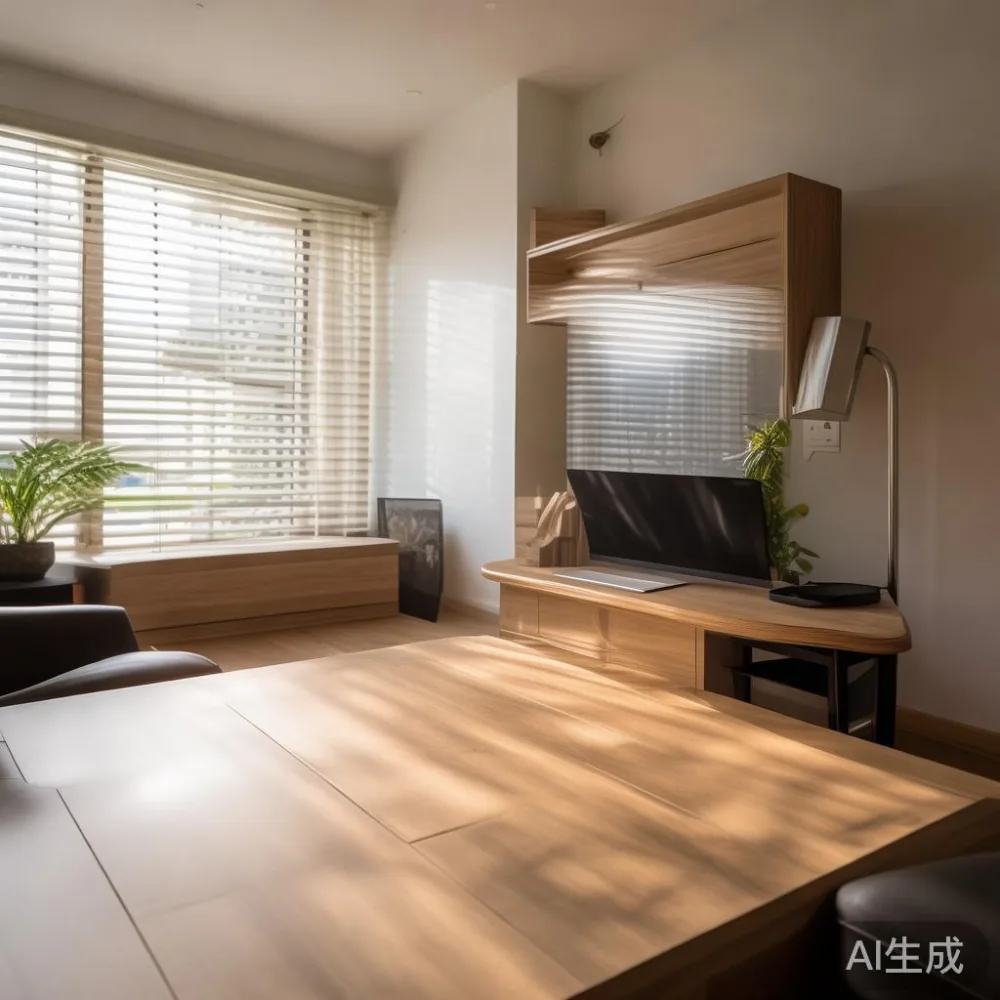
The same logic applies to a king-size bed frame with a solid oak headboard. In a Tampines condo where the bedroom faces the afternoon sun, the headboard face can run 3°C warmer than the hidden side. That temperature gradient creates a moisture gradient, and the headboard cups slightly toward the warm side. The remedy is a 30 cm clearance behind the headboard and curtains that block direct sun between 2 pm and 5 pm. A wardrobe is more forgiving because most owners keep the doors closed, which buffers the interior from swings, but drawer fronts and hanging rails still need a 5–8 mm gap allowance at the time of install. At MIDHILL we leave those gaps on purpose; a wardrobe that fits perfectly in November will pinch by February if the gaps were not built in from the factory.
Do I Really Need a Dehumidifier if I Run the Air-Con 16 Hours a Day?
Yes, and the reason is timing. Air-conditioning pulls relative humidity down, but only while the compressor is running. The moment the unit cycles off, the room rebounds toward the outdoor 80%+ RH within 20–40 minutes, depending on how often you open the door. A standalone dehumidifier in dry mode can hold 50–55% RH through the night for about S$1.20 in electricity, based on a typical 12 L per day unit running 9 hours at 0.18 kW and the current SP Group tariff of roughly S$0.32 per kWh. For a 3-room HDB living room, that is a small price to keep a S$1,800 dining table from cupping.
If you own a standing desk, the same rule applies twice over, because the desktop is usually a single wide panel that has nowhere to hide. A 150 cm x 75 cm oak or walnut standing desk top is in effect one big hygrometer. Wipe it down after work, leave a 12 mm gap between the back edge and the wall, and aim for a steady 55% RH. I tested a French light luxury standing desk in a Punggol co-working space last quarter: the desk had been installed for 14 months, used 9 hours a day, and the top had moved less than 0.8 mm across its width. The room ran a ducted dehumidifier set to 52% RH, and the desktop was waxed every six weeks.
Which Wood Species Behave Best in a Tampines or Punggol Condo?
No wood is immune to humidity, but the rate of movement varies. Teak, which is naturally oily, moves the least and is the traditional choice for boats and Singaporean landed porches. White oak moves about 15% less than beech or rubberwood, which is why most European-style wardrobes and dining tables on the market here are oak-faced. Walnut sits in the middle. Hard maple is the most reactive and is usually a poor choice for an unventilated storeroom in a HDB block.
For shoppers looking at the best European wardrobe for 2026, the spec sheet matters more than the brand. Ask for quarter-sawn oak panels, a 9–12 mm expansion gap on the back panel, and dovetail joints on the drawer boxes. If you are considering a Japanese for small living room layout, look for low-profile bed frames in ash or oak with under-bed clearance of at least 18 cm so air can circulate underneath. For buyers browsing under 2000 Nordic furniture sets in SGD, the sweet spot is a solid oak dining table around 160 cm with a wax-oil finish, four ash chairs, and a matching bench, which lands between S$1,400 and S$1,900 before GST for a well-made set. A marble table is a different conversation; the marble slab itself does not move, but the wooden base still does, so the joinery must allow the top to float on felt pads rather than being glued down.
How Should I Style and Care for a European Sofa in a Humid Bedroom?
If you are working out how to style European sofa in bedroom setups in a Singapore context, the order of operations matters. Place the sofa where the morning sun does not hit it directly, ideally on the interior wall opposite the window. Keep 30 cm of clearance behind the back cushions. Use a cotton throw rather than a polyester one; cotton breathes and prevents the trapped moisture that can mark the fabric against the wood. Run the air-con for at least two hours before bedtime to drop the room to 50–55% RH, and close the bedroom door so the rest of the flat does not feed humidity back in. A small sachet of silica gel inside the seat platform, replaced every three months, costs about S$4 and absorbs roughly 30 g of water before saturation.
For nightstand care, the same rule applies: lift it 2 cm off the floor on felt pads, never push it against a tiled wall, and wipe the top with a dry cloth every evening. The midnight glass of water leaves a ring, but in a Singapore HDB the ring is half water and half whatever the air brought in that day. A solid wood nightstand with a wax-oil finish will absorb a 10-minute water ring and release it overnight if the room is dry enough by morning.
What About Delivery, Lifts, and the 14-Day Reality in a New BTO?
Singapore delivery is its own conversation. A standard passenger lift in a BTO completed after 2018 is roughly 1.1 m wide by 1.4 m deep, with a door opening of 0.9 m. A king-size bed frame in solid wood almost never fits flat; the headboard and side rails come separately, which is good for humidity because each piece can acclimatize in your room for 48 hours before assembly. MIDHILL schedules two-person delivery to most HDB estates within 5–7 working days for in-stock pieces, and our 10-year structural warranty covers joint failure, not humidity movement, which is why the acclimatization step is part of the install checklist, not an upsell.
If you are furnishing a new BTO in Punggol or Sengkang and the keys are still a few months out, store the flat-pack boxes in a room with a running dehumidifier and open the cartons halfway so air reaches the panels. A wardrobe that sits sealed in a 90% RH storeroom for three weeks can arrive with mould on the MDF backing before the first drawer is ever opened.
When the Wardrobe Door Sticks in October: A Short Troubleshooting Note
Most wardrobe door complaints in Singapore spike in October, when the southwest monsoon eases and outdoor humidity drops 4–6% almost overnight. The wood in the door is still holding summer moisture, so the door swells into its frame. The fix is not a plane or a sander; the fix is a 1 mm hinge adjustment and 14 days of 55% RH indoor air. Within three weeks the door will usually have shrunk back to its March dimension. If it has not, then a 0.5 mm shim behind the hinge is the correct repair, not a complaint ticket.
For readers comparing best Mid-century modern furniture collections for a compact condo, the same principle applies to tapered legs and exposed joinery. Visible tenons look beautiful, but they also expose end grain, which absorbs moisture faster than long grain. Keep a Mid-century sideboard at least 20 cm from any exterior wall and never under a window. A MIDHILL coffee table in walnut with a wax-oil finish, for instance, can handle a Tampines living room for years if the room is kept between 50% and 60% RH and the table is rotated 180 degrees every three months so the same side is not always facing the afternoon window.
Five Habits That Save Your Furniture in Any Singapore Home
First, buy a S$25 digital hygrometer for each main room and check it once a week. Second, run a dehumidifier in dry mode for 6–9 hours a day in any room that holds solid wood worth more than S$1,000. Third, keep every piece at least 15 cm from an external wall, even if the floor plan argues. Fourth, wax or oil the tops of dining tables, desks, and bed headboards every four months with a hard wax oil, which slows moisture exchange by roughly 40%. Fifth, lift, do not drag. Dragging a 60 kg solid wood wardrobe across a tiled floor creates micro-vibrations in the joints that humidity will then exploit.
None of this is complicated, and none of it requires a contractor. The pieces themselves are built to last; a 10-year structural warranty on joinery is the factory’s promise that the glue lines, dovetails, and mortise-and-tenon joints will hold. The rest is the relationship between the wood, the room, and the weather outside the window. Get that relationship right, and a standing desk, a bed frame, a dining table, or a wardrobe will outlast two leases and probably a third.
For Singaporeans shopping for solid wood sofa sets, bed frames, dining tables, wardrobes, nightstands, and standing desks built for tropical living, the short list is shorter than it looks: stable room, honest hygrometer, and a piece of furniture that was made with movement in mind from the first cut of the plank. Explore the MIDHILL standing desk collection or talk to our Singapore delivery team about acclimatization timelines for your estate.