Styling a Small Singapore Apartment: How to Avoid the Crowded Feeling
Living in a Singapore apartment, whether it's a 45-square-metre unit in a Tampines HDB or a compact condo in Punggol, presents a unique design challenge. The floor plans are efficient, but the desire for a beautiful, functional home often leads to a constant battle against visual clutter. The narrow corridors of older HDB blocks, the standard lift dimensions that favour compact furniture, and the general need to multi-purpose every square centimetre mean that every furnishing decision must be made with precision. It's a common predicament: how can you create a home that feels open, airy, and luxurious without the space to spare?
Understanding the Singapore Apartment Layout
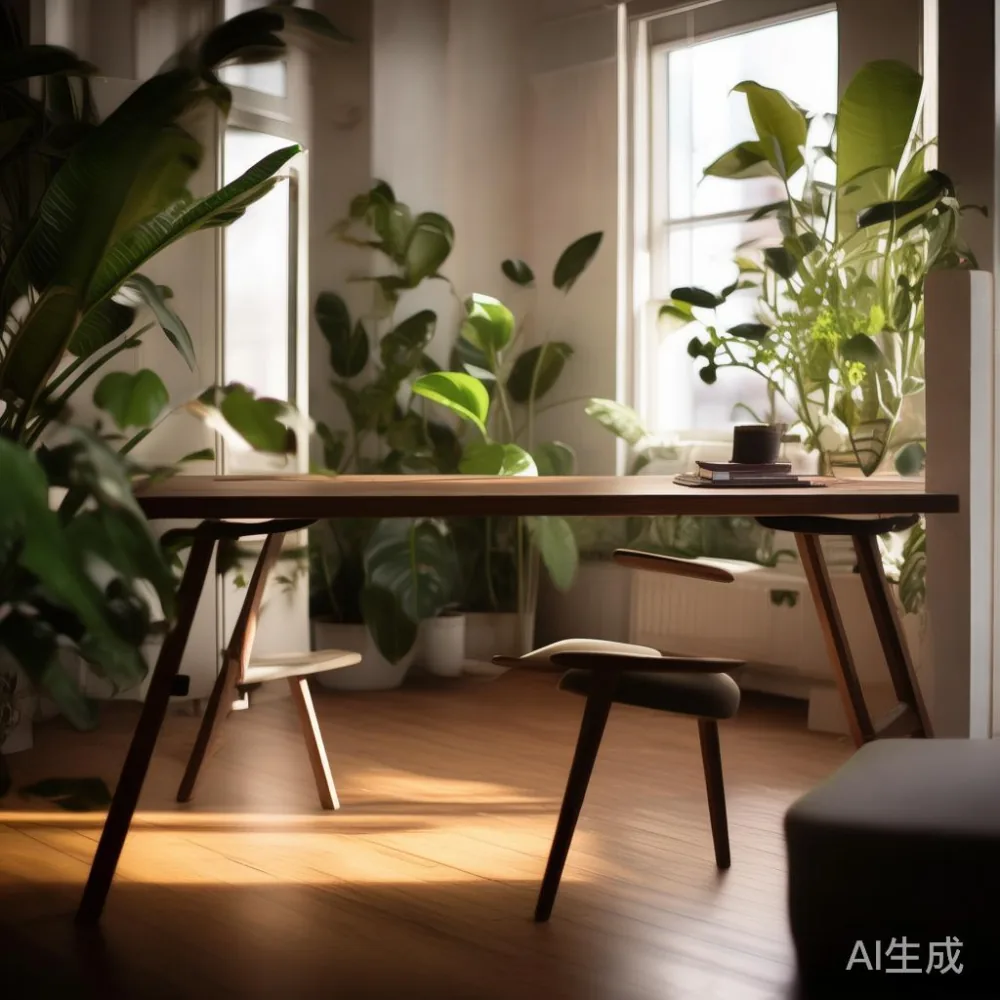
Before you select a single piece of furniture, you must understand the canvas you're working with. Most Singapore public housing, especially the older estates like Bedok, features a standard layout with a living room, a master bedroom, a second bedroom, and a kitchen-dining area. The typical living room measures around 350cm x 450cm, while bedrooms are often 300cm x 350cm. Corridors, particularly in HDBs, can be as narrow as 120cm wide. This is a critical measurement. A 60cm-wide dining chair will block the corridor if pulled out too far, and a bulky console table can make the entrance feel like a tight squeeze.
The modern condo, while offering more generous layouts in projects like those in Punggol, often comes with its own set of constraints. Open-plan living is popular, but this means the living room, dining area, and kitchen flow into one another. A poorly chosen sofa or dining table can visually dominate the entire space, making it feel smaller. The key is to think in terms of 'zones' rather than separate rooms. You need to define these zones without building physical barriers. This is where the choice of furniture becomes paramount.
Choosing Furniture That Doesn't Overwhelm
The cardinal rule for small-space furniture is to avoid bulky, dark, and imposing pieces. A solid wood sofa, for instance, can be a beautiful anchor for a living room, but its size and weight must be carefully considered. Instead of a large, L-shaped sectional that consumes 300cm of wall space, consider a two-seater or a three-seater with a slim profile. Look for sofas with raised legs, as this creates a sense of lightness and allows you to see the floor beneath, which tricks the eye into perceiving more space. The choice of upholstery is equally important; light-coloured fabrics or leathers will reflect more light than deep, dark tones.
My colleague, Sarah, who lives in a Bedok HDB, recently faced this exact dilemma. She wanted a solid wood dining table that could seat six for family gatherings but knew a large, heavy table would make her dining area feel cavernous. She opted for a marble-topped table with slender, brushed metal legs. The 160cm-long table provides ample surface area, but the visual weight is minimal. She paired it with four dining chairs, each with a transparent polycarbonate back, which adds seating without adding visual bulk. The result is a dining area that feels spacious and elegant, even when fully set for a meal.
How to Style a European Light Luxury Sofa in an Apartment?
For achieving a light-luxury feel in a small space, the French provincial style offers a wonderful solution. This aesthetic is characterised by elegant lines, soft curves, and a refined colour palette, avoiding the ornate heaviness of traditional luxury. A European light luxury sofa in this style, for example, might feature button-tufting on the back and arms, but with a frame that is more streamlined. Think a two-seater in a soft dove grey linen, with exposed wooden legs in a light oak finish. It’s a statement piece, but its proportions are designed to be graceful rather than dominating.
The trick is to balance such a piece with the rest of the room. If your sofa is a soft grey, you can anchor the space with a dark wood coffee table, but ensure it has a low profile. A nightstand next to the sofa can serve as a side table, choosing one with a drawer for storage and a marble top for a touch of texture. The goal is to create a cohesive look where each piece has a purpose and a place. This approach ensures that even a small apartment can feel curated and sophisticated, with a sense of purposeful design rather than random furniture placement.
Multi-Functional Furniture: The Singaporean's Secret Weapon
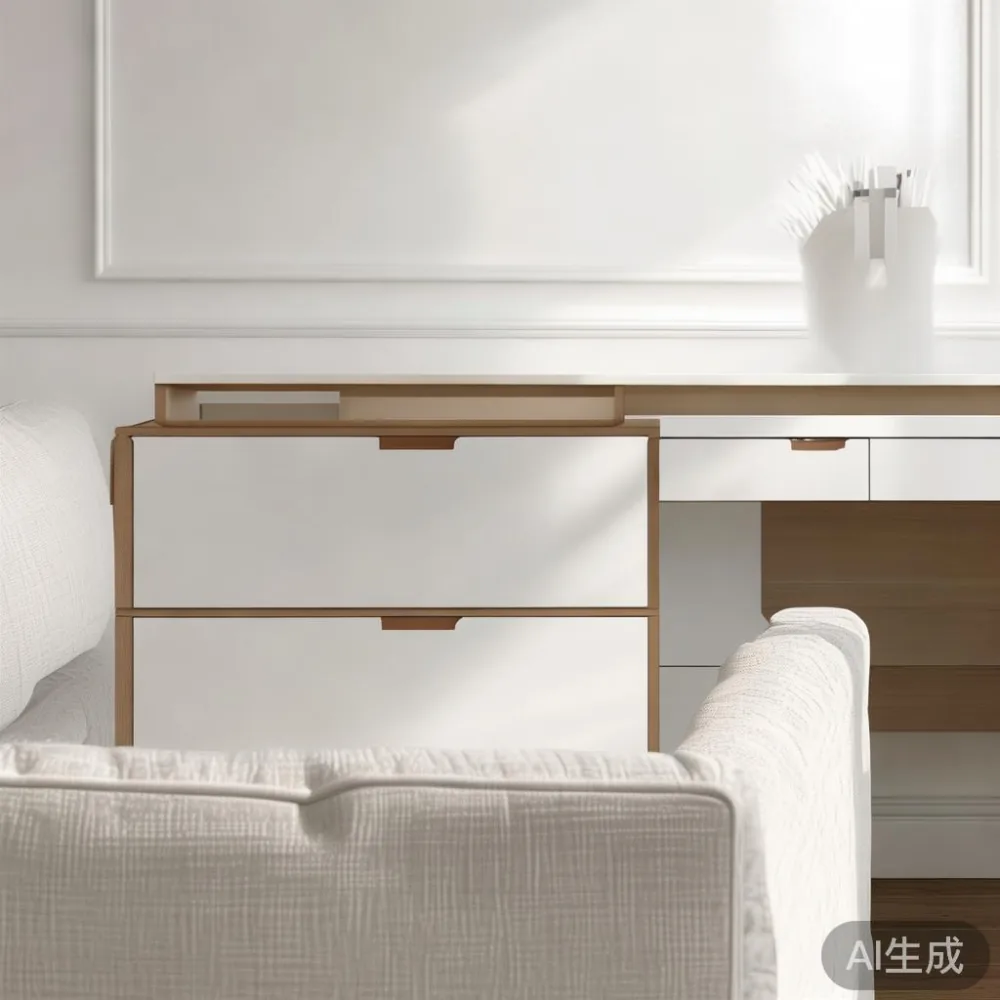
In a city where space is a premium, furniture that serves more than one function is not just a clever idea—it's a necessity. This is where a standing desk can be a standout piece for a small home office or study nook. A standing desk with a built-in storage unit can hold files, books, and office supplies, eliminating the need for a separate filing cabinet. Many models also convert to a standard desk height, allowing you to sit or stand as you work. This single piece of furniture can create a complete, organised work zone in a corner of your bedroom or living room without demanding a dedicated room.
Consider a wardrobe with a sliding door instead of a hinged one. In a bedroom with limited floor space, a wardrobe that swings open can consume up to 80cm of clear space, which is often impractical. A sliding door wardrobe, on the other hand, requires only a few centimetres of clearance. Look for designs that incorporate mirrors on the doors to further enhance the sense of space. Similarly, a bed frame with drawers built into the base provides invaluable storage for bedding, seasonal clothing, or spare items, freeing up the need for bulky under-bed containers or additional chests of drawers.
The Illusion of Height and Light
One of the most effective ways to make a small apartment feel larger is to draw the eye upwards. This means paying close attention to your window treatments and lighting. Heavy, floor-length curtains can make a room feel shorter and more enclosed. Instead, opt for floor-to-ceiling curtains hung from a rod mounted several centimetres above the window frame. This creates the illusion of taller ceilings and maximises the amount of natural light that floods into the room.
Lighting itself is a powerful tool. A single, central ceiling light can create harsh shadows and make a room feel flat. A layered lighting approach is far more effective. Use a combination of ambient lighting (like a stylish pendant light over the dining table), task lighting (like a focused desk lamp for your standing desk), and accent lighting (like a floor lamp in a reading nook). This creates depth and interest, making the space feel more dynamic and expansive. For example, a Modern light luxury for guest room setup could be enhanced with a sleek, minimalist floor lamp that provides a warm, indirect glow, adding to the room's sophisticated ambiance.
Strategic Colour and Material Choices
The colour palette you choose has a profound impact on the perceived size of a room. Light colours—whites, creams, soft greys, and pale blues—reflect light and make walls feel receded, creating an airy, open atmosphere. You don't have to paint everything white. A feature wall in a muted, sophisticated colour like sage green or dusty rose can add character without overwhelming the space. The key is to keep the majority of the walls and large furniture pieces in a light, neutral palette.
Introduce texture and material contrast to add depth and interest without adding clutter. A solid wood bed frame brings warmth and natural texture to a bedroom. A marble table in the dining area adds a touch of cool, modern luxury. A Rustic sofa for 2026 might feature a textured, boucle fabric that is both visually interesting and tactilely inviting. These materials create focal points and add personality to a room. For instance, a Coastal bed for 2026 could be made from light-washed timber, complemented by linen bedding in soft blues and whites, evoking a breezy, relaxed feel that feels expansive and uncluttered.
Storage Solutions That Disappear
Clutter is the enemy of a spacious-feeling home. The solution is not just to have storage, but to have smart, integrated storage that hides your belongings. A dressing table is a prime example. A standalone French provincial dressing table can be beautiful, but in a small bedroom, it can take up valuable floor space. A better option is a wall-mounted console table with a mirror above it. This provides the same function—a surface for cosmetics and a mirror for getting ready—but it floats on the wall, freeing up the floor beneath it.
Built-in cabinetry is another excellent strategy. A custom-built wardrobe that spans from floor to ceiling and wall to wall can provide immense storage while looking like a permanent architectural feature, blending smoothly with the walls. For items that don't fit in closets, under-bed storage containers are a classic for a reason. Choose slim-profile containers that slide easily under the bed frame, and use them for items you don't need to access frequently. Remember, the goal is to keep surfaces clear. A coffee table with a hidden storage compartment, or an ottoman that opens up to reveal a hollow interior, are perfect for stowing away blankets, remote controls, and other everyday items.
Creating a Cohesive Look on a Budget
Styling a small apartment beautifully doesn't have to be expensive. The key is to focus on a few high-impact pieces and build the rest of the room around them. Instead of buying a complete, matching set of furniture—which can look sterile and overwhelming—invest in one or two anchor pieces, like a quality solid wood dining table or a comfortable sofa. Then, fill in the gaps with more affordable items from various sources, ensuring they share a common colour or material to maintain a sense of unity.
For instance, you might splurge on a luxury Mid-century modern furniture piece like a teak sideboard. Then, you can find matching bar stools at a more affordable price point or even from a second-hand shop. The consistent use of teak wood throughout the space will tie everything together, making the disparate pieces look intentional. When shopping, consider the long-term value. A well-made piece of furniture might cost a bit more upfront, but its durability and timeless style mean it will last for years, saving you money in the long run. Many companies, like those mentioned in reports from Wuhan Lingzhan Media, are focusing on providing durable, stylish furniture that offers good value over time, which is a smart consideration for any homeowner.
Final Thoughts: Living with Intention
Styling a small apartment is less about filling every corner and more about curating a space that works for your lifestyle. Every piece of furniture should have a purpose, whether it's functional or aesthetic. By understanding your specific layout, choosing furniture that is appropriately sized and multi-functional, and using light and colour to your advantage, you can create a home that feels both spacious and personal. It’s about making intentional choices that reflect your taste while respecting the physical limitations of your space. The result is a home that doesn't just look good, but feels right—a place where you can live comfortably and beautifully, no matter the square footage.