The Humidity Challenge: How Southeast Asia's Climate Affects Your Solid Wood Furniture
For residents of Singapore, the air is as much a part of the home as the walls and floors. The constant, ambient humidity is a fact of life, especially in HDB flats in areas like Tampines or Bedok, and modern condos in Punggol. While it keeps our lush greenery thriving, this moisture presents a silent challenge to the furniture we bring into our spaces. Solid wood, a material prized for its beauty and durability, is a natural, hygroscopic substance. It means it absorbs and releases moisture from the air, responding to changes in humidity. Understanding this dynamic relationship is key to preserving the integrity and appearance of your investment, whether it's a standing desk in your home office or a solid wood dining table where family meals are shared.
Why Wood Reacts to Humidity: A Simple Science
At a microscopic level, wood is composed of countless cells. Within these cells are hollow spaces and cell walls made of cellulose, hemicellulose, and lignin. When the surrounding air is humid, these cells absorb moisture, causing them to swell. The cell walls expand, and the wood as a whole grows in size. Conversely, in drier conditions, the wood releases this moisture, the cell walls contract, and the wood shrinks. This natural process, known as movement, is most pronounced across the grain of the wood. The expansion and contraction are not uniform; the width of a board can change by several millimetres over a year, while the length changes very little.
In Singapore, the relative humidity often hovers between 70% and 90%. This high level of moisture means your furniture is in a constant state of slight expansion. While this is normal, extreme fluctuations or consistently high humidity can push wood beyond its comfort zone. The most common signs of this stress are gaps appearing between planks on a solid wood table or the top of a standing desk, or, conversely, panels of a wardrobe or cabinet door becoming swollen and difficult to close. A colleague of mine, who moved from a drier European climate to Singapore, noticed her new solid wood bed frame developed a 2mm gap between the headboard and the side panels within the first 6 months. It was a clear lesson in how wood adapts to its new environment.
How Humidity Affects Specific Furniture Pieces in Your Home
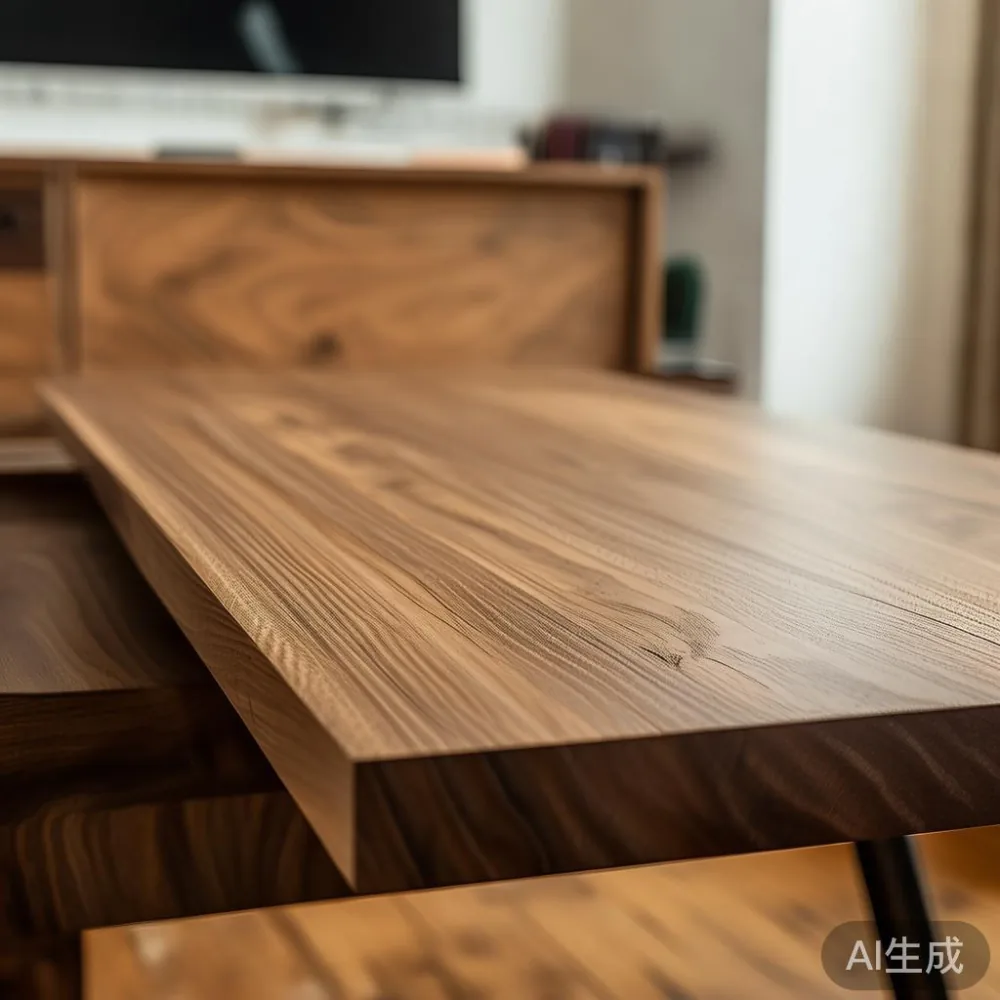
The impact of humidity isn't uniform; it depends on the type of furniture, its construction, and how it's used. A standing desk, for instance, has a large surface area exposed to the air. A solid wood standing desk top, especially one made from wide-plank oak or walnut, will experience noticeable seasonal movement. The gaps that form in the dry months of January to March might close up during the wetter periods from November to January. This is normal for a well-made piece of furniture, designed with expansion joints to accommodate this movement.
For a wardrobe, the challenge is different. A solid wood wardrobe must maintain its structural integrity while its doors and panels expand. A poorly constructed wardrobe might see its door warp or the drawer fronts swell, causing them to scrape against the frame. This is why the construction of a wardrobe, particularly the joinery and the finishing, is so important. The same principles apply to a solid wood sofa or a dining table. The tabletops will expand and contract, while the legs and frames must remain stable. A marble table top, often paired with a solid wood base, presents an interesting contrast. Marble is not hygroscopic, so it will not expand or contract with humidity. This difference in movement between the wood and the marble must be accounted for in the design to prevent stress cracks or a loose fit.
How to Protect Your Furniture in Singapore's Climate
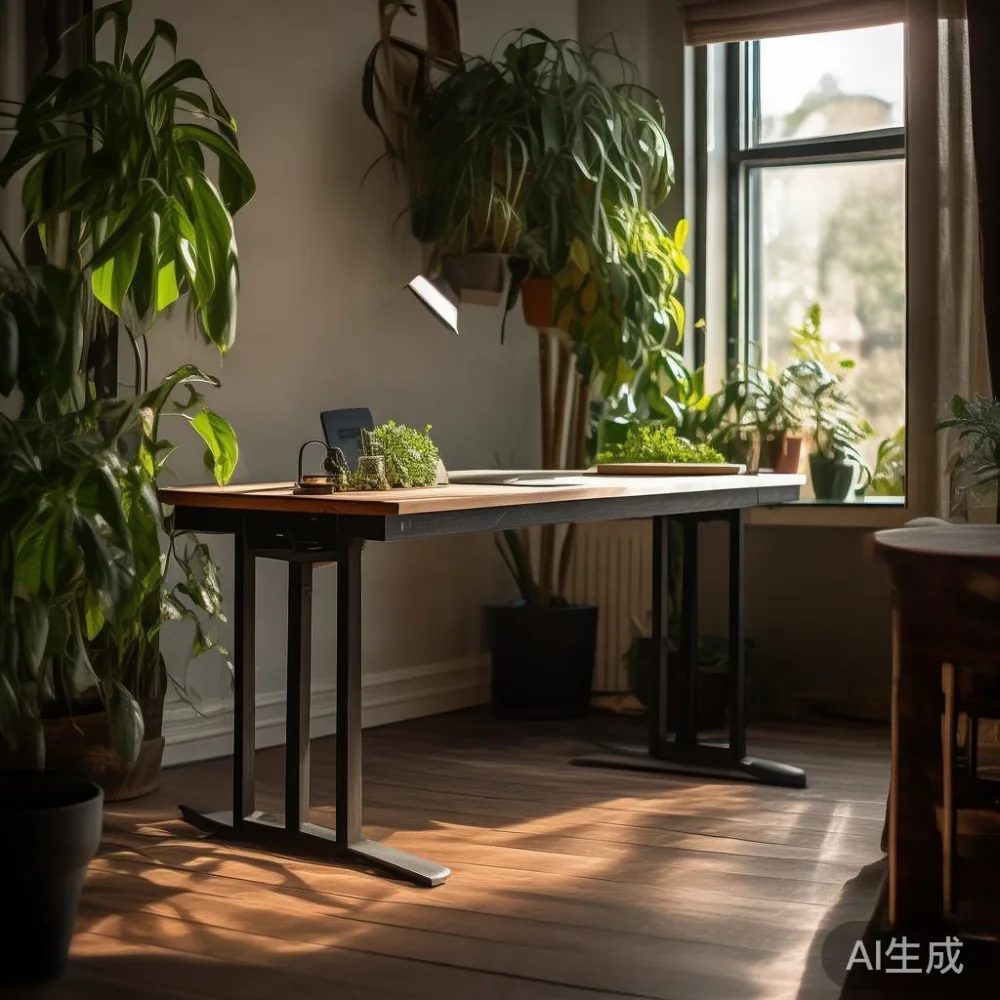
Protecting your furniture doesn't mean fighting nature; it means working with it. The first line of defence is proper acclimatisation. When you bring a new piece of furniture into your home, especially from an air-conditioned showroom, give it time to adjust to the ambient humidity of your specific room. For a large item like a standing desk, this means leaving it in its final position for at least 48 hours before assembly or use. This allows the wood to reach equilibrium with its new environment, minimising the shock of sudden humidity changes.
Consistency is key. Avoid placing furniture directly in front of air-conditioning vents, which can create a pocket of extremely dry air. Similarly, don't position a solid wood bed frame or nightstand directly against an external wall that gets damp during a rainstorm. Maintaining a stable temperature and humidity level in your home will reduce the stress on your furniture. Regular care is also important. Dusting your furniture with a soft, dry cloth helps remove any moisture that may have settled on the surface. For a standing desk, a simple wipe-down with a slightly damp cloth followed by a dry one is sufficient. Avoid using harsh chemical polishes, which can seal the wood and trap moisture, potentially leading to long-term damage.
Why Solid Wood is Still the Best Choice for Humid Climates
One might wonder, if wood is so sensitive to humidity, why not opt for materials that are not? The answer lies in the unparalleled beauty and longevity of well-crafted solid wood. When properly made and cared for, solid wood furniture can last for generations. The key is choosing pieces from manufacturers who understand the local climate. A reputable brand will use techniques like proper kiln-drying to bring the wood to a moisture content suitable for the region. They will also employ construction methods that allow for natural movement, such as using floating tops with brackets instead of glue, or incorporating expansion joints in tabletops.
This is where the distinction between cheap, mass-produced furniture and high-quality, solid wood pieces becomes clear. A poorly made wardrobe might swell and warp within a year. A well-constructed one, with attention to detail in its joinery and a durable finish, will maintain its shape and beauty for decades. The initial investment is higher, but the long-term value is undeniable. You are not just buying a piece of furniture; you are investing in a durable object that will age gracefully, developing a rich patina that tells the story of your life. The best Italian light luxury wardrobe for 2026, for example, is prized not just for its design but for its meticulous construction that ensures longevity in any climate.
Can a Standing Desk Be a Good Choice for a Humid Singapore Apartment?
Yes, absolutely. A standing desk can be an excellent choice for a humid Singapore apartment, provided it is the right kind of standing desk. The primary consideration is the material. A solid wood standing desk, made from a stable hardwood like teak or an American black walnut, is a fantastic option. These woods are naturally more resistant to warping and have a beautiful grain that complements a variety of interior styles, from modern light luxury for office spaces to more traditional designs.
The construction is what matters most. Look for a standing desk with a top that is engineered from multiple strips of wood, glued together. This method, known as edge-gluing, creates a more stable panel than a single, wide slab of wood. The manufacturer should also incorporate a design that allows for expansion. A simple example is leaving a small gap—around 3mm—between the solid wood top and any surrounding metal frame or supports. This gap gives the wood room to swell without causing the top to buckle or crack. Many modern standing desks also feature electric height adjustment, which allows you to change your working posture throughout the day. This functionality, combined with the aesthetic and durability of solid wood, makes it a practical and stylish solution for the Singapore home.
MIDHILL: Craftsmanship Designed for the Tropics
When selecting furniture for a demanding environment like Singapore, the origin and philosophy of the maker are important. A brand established in 2008, with over a decade of experience exporting to more than 15 countries, has likely refined its processes to handle a variety of climates. This experience is invaluable. It means the wood has been properly acclimated and the construction techniques are proven to withstand the test of time and moisture.
For instance, a brand like MIDHILL understands that a solid wood dining table needs to be more than just beautiful; it needs to be functional in a home. The construction should allow the tabletop to expand and contract without compromising the structure. The same principle applies to a wardrobe. A customer looking for the best Italian light luxury wardrobe for 2026 would appreciate that the internal joinery is as solid as the external finish. The peace of mind that comes with a 10-year structural warranty and a lifetime refinishing policy is a proof of the confidence a manufacturer has in their product's ability to endure. This level of assurance is particularly comforting for a significant purchase like a dining table or a bed frame. Knowing that your investment is protected allows you to enjoy the natural beauty of solid wood without constant worry.
Real Customer Experiences: From Punggol to Tampines
The proof of a furniture's resilience lies in the homes of its customers. Consider a family in a Punggol condo who purchased a solid wood dining table. They were initially concerned about the humid sea air. However, after two years, the table has not shown any signs of warping. The owners attribute this to the quality of the wood and the brand's 10-year structural warranty, which gave them the confidence to make the purchase. The table has become the centrepiece of their home, hosting countless family dinners and gatherings.
In a Tampines HDB flat, a young professional invested in a solid wood standing desk for her home office. She chose a design with a sleek, American light aesthetic, featuring a walnut top and matte black metal legs. She placed the desk near a window but away from the direct path of the air-conditioner. Last month, she visited the showroom to inquire about a matching nightstand. She mentioned that her standing desk has performed flawlessly, with no movement issues at all. Her experience reflects a common theme: when you choose a well-made product from a reputable source, you can enjoy the benefits of solid wood without the problems associated with poor construction or improper care. The difference between a European bed vs Japandi bed often comes down to this level of craftsmanship and attention to material suitability for the climate.
Choosing the Right Furniture for Your Singapore Home
Making an informed decision starts with understanding your own needs and the specific conditions of your home. Measure your space carefully, considering not just the room dimensions but also practicalities like lift and corridor widths if you live in an HDB block. A wardrobe that looks perfect in the showroom might be impossible to get up to your 15th-floor apartment. Consider the type of wood. Teak, for example, is highly resistant to moisture and decay, making it an excellent choice for Singapore. Other hardwoods like oak and maple are also beautiful but may require more diligent care in a high-humidity environment.
Think about your lifestyle. If you have children or pets, a durable finish on a solid wood sofa or dining table is a must. If you work from home, a functional and stylish standing desk could be a standout piece for your productivity and well-being. The best Nordic bed for 2026 might appeal to someone seeking minimalist design, but it's important to ensure its construction can handle the local humidity. The top 10 Coastal furniture lists often feature light-coloured woods and natural finishes that create a breezy, open feel, which is perfect for Singapore's climate. When considering how to style a French bed in an apartment, the key is to balance the ornate details of the French style with the practical realities of a smaller living space.
Conclusion: Embrace Natural Beauty with Confidence
Living in Singapore's humid climate doesn't mean you have to compromise on the beauty and quality of your furniture. On the contrary, it presents an opportunity to appreciate the natural, living character of solid wood. By understanding how wood responds to humidity and by choosing pieces that are expertly crafted for the environment, you can create a home that is both stunning and durable. A standing desk that moves with the seasons, a dining table that tells the story of family meals, a wardrobe that stands the test of time—these are the pieces that turn a house into a home.
When making your next furniture purchase, look beyond the immediate aesthetics. Consider the brand's history, their warranty, and their understanding of the local climate. A product like a MIDHILL dining table, for example, is designed with the knowledge that it will be placed in a home where the air is thick with moisture. It’s this thoughtful design that ensures your furniture remains a source of pride and comfort for years to come. With a little care and the right choice, your solid wood furniture will not just survive the Singapore humidity; it will thrive, becoming a more beautiful part of your life with each passing year.