Solid Wood Furniture: Price Insights Unveiled
When you shop for furniture in Singapore, especially for a piece that will anchor a room like a standing desk, the price range can be staggering. A simple wooden table might cost SGD 800, while another, seemingly similar one could be SGD 3,500. For those living in HDB flats in Tampines or condos in Punggol where space is a premium, and the width of your corridor or lift dictates what you can even bring home, understanding this difference is more than an academic exercise—it's a practical necessity. This article breaks down the tangible factors that create these price gaps, moving beyond vague concepts of 'quality' to look at the specific materials, labour, and logistics that determine the final cost of a solid wood standing desk.
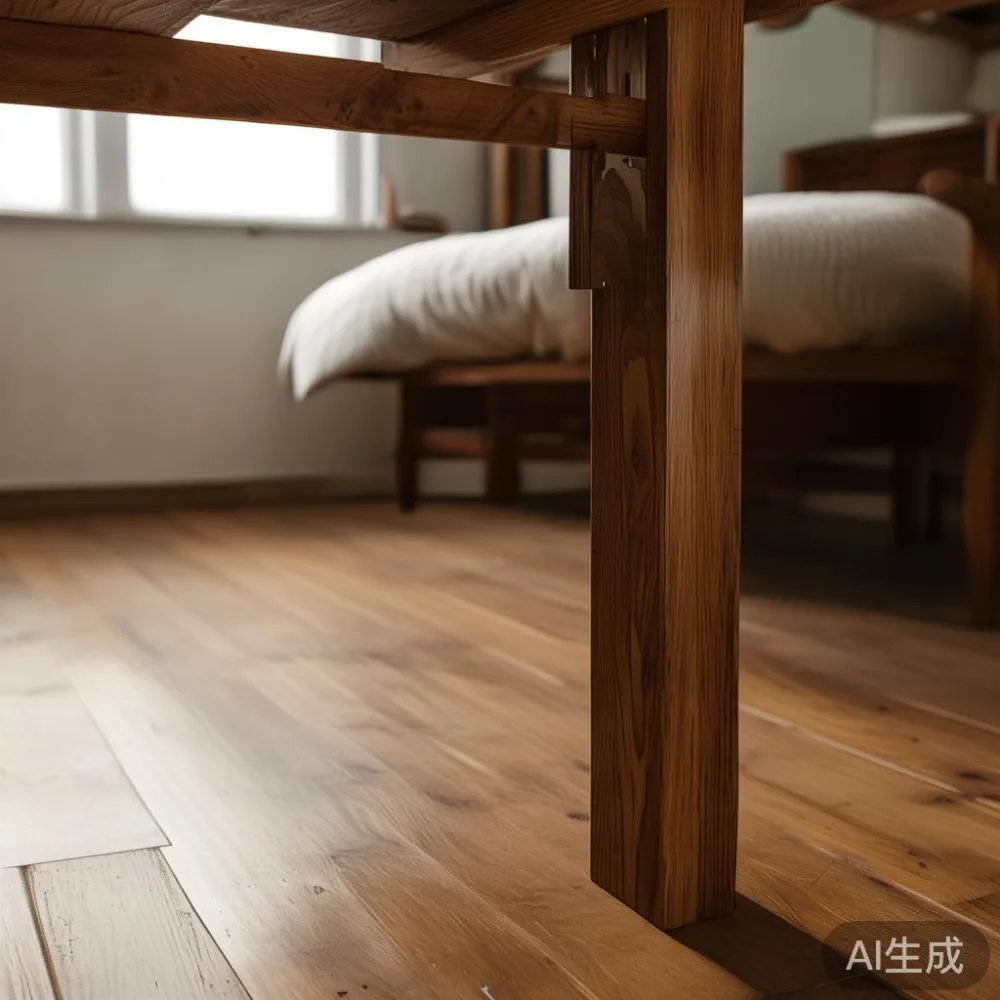
How Does Wood Type and Sourcing Affect the Final Price?
The single most significant factor in the price of any solid wood furniture, including a standing desk, is the wood itself. Not all wood is created equal, and the origin, rarity, and properties of the timber have a direct and often dramatic impact on the final price tag. For instance, a standing desk made from European Oak will command a higher price than one made from Rubberwood, even if they look somewhat similar to the untrained eye.
Let's compare two common materials for a standing desk frame: solid oak and solid acacia. Oak is a slow-growing hardwood with a very dense, straight grain, making it exceptionally durable and stable. It resists warping and denting, which is why a high-quality standing desk made from oak can easily last for decades. A standing desk constructed from European oak might cost between SGD 2,500 and SGD 4,000. In contrast, acacia is also a hardwood but grows much faster. It has a more varied grain and can be slightly less stable in environments with extreme humidity changes, common in Singapore. An acacia standing desk might range from SGD 1,200 to SGD 2,200. The price difference isn't just about the wood; it's about the decades of reliable performance the oak promises.

The sourcing story is equally important. Imported woods like American Walnut or European Ash come with significant costs beyond the raw material. There are import duties, often 7% GST in Singapore, and international shipping fees that can add hundreds of dollars to the cost of a single standing desk. A solid walnut standing desk panel, for example, might weigh 15 kg and cost SGD 800 just for the lumber before it's even cut or shaped. This is why a manufacturer like MIDHILL, which has been exporting since 2008, often invests in sustainably managed forests to secure a stable supply of quality timber without the wild price fluctuations of the spot market.
Why Does Craftsmanship and Labour Cost So Much?
If you think of a standing desk as a simple box with legs, you might underestimate the labour involved. The truth is, transforming rough-hewn lumber into a finished, functional standing desk is a labour-intensive process that requires a high degree of skill. A skilled carpenter in Foshan might earn an average of SGD 80 per day, and a complex standing desk can take 15 to 20 hours of skilled labour to complete. That's a direct labour cost of SGD 1,200 to SGD 1,600 before any other expenses are factored in.
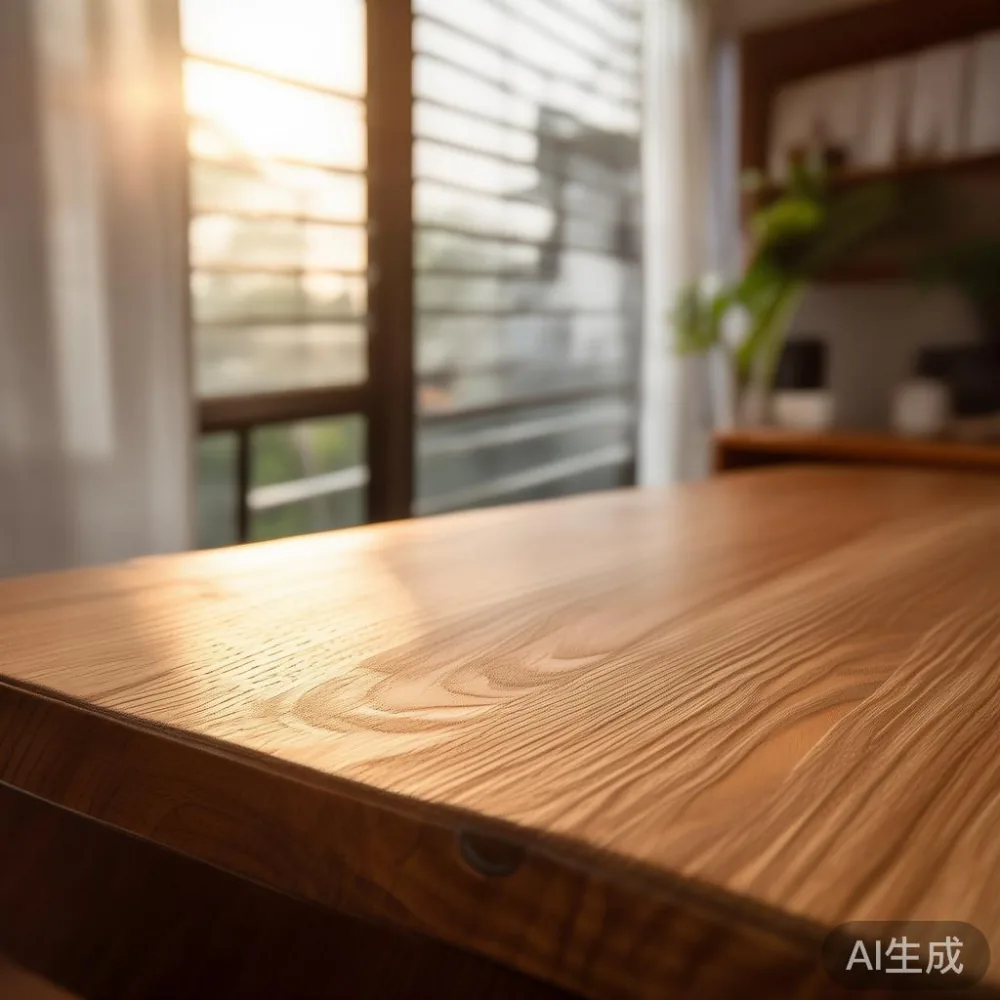
This labour cost is divided into several key stages. First is the milling and joinery. Creating the precise, interlocking joints—like mortise and tenon or dovetail—that give a standing desk its strength and aesthetic appeal is a time-consuming craft. A poorly joined desk will wobble; a well-joined desk will feel solid and stable for years. Second is the sanding process. For a flawless finish, a standing desk must be sanded through multiple grits, starting at 80 and progressing up to 220 or higher. This ensures the surface is perfectly smooth before any finish is applied. Skipping steps here would result in a rough texture that would feel unpleasant to the touch.
Last month, I visited a partner workshop in Foshan to see their standing desk production line. The foreman pointed out a specific detail: the hand-sculpted bevel on the underside of the desktop. This small, angled edge prevents sharp corners, a feature that adds about 30 minutes of hand-finishing time per desk but significantly improves both safety and aesthetics. This is the kind of detail that separates a mass-produced standing desk from one made with genuine care, and it's a direct contributor to the price.
What About Design, Features, and Customisation?
A standing desk is not just a static piece of furniture; it's an ergonomic tool. The design complexity and the number of features it offers play a huge role in its price. A basic, manual-height adjustable standing desk might cost SGD 900. This is a simple desk with a crank or a manual lift mechanism. However, an electric standing desk with a dual-motor system, memory presets, and a quiet motor can cost upwards of SGD 2,500.
The price difference reflects the engineering and components involved. A dual-motor system uses two smaller motors for smoother, more stable lifting, capable of handling a desktop weighing up to 70 kg with ease. This system includes a control panel, wiring, and a power supply unit—all components that add to the material and assembly cost. The internal frame of a high-end standing desk is often made of commercial-grade steel, not just simple steel tubing, to ensure it doesn't flex or wobble under load. This steel frame alone can add SGD 300 to the cost of materials.
Customisation is another major price driver. A standard standing desk comes in preset dimensions, say 120 cm wide by 60 cm deep. But what if you live in a Bedok HDB flat and need a desk that fits perfectly into a 95 cm-wide nook? A custom-width standing desk requires the workshop to cut a new desktop size, which means using a full sheet of plywood or solid wood and potentially wasting material. This customisation fee can easily add another SGD 400 to SGD 600 to the price. Similarly, adding a built-in cable management system or a solid wood drawer accessory increases both material and labour costs.
Why is a Standing Desk with a Marble Top So Much More Expensive?
When you see a standing desk advertised with a 'marble table top', you are looking at a significant price increase compared to one with a solid wood top. This isn't just a matter of aesthetics; it's about the completely different material properties and processing required for marble. A marble slab is a natural stone, and its procurement and finishing are entirely separate from the woodworking process.
A single slab of high-quality Carrara or Calacatta marble, large enough for a standing desk top (e.g., 160 cm x 80 cm), can cost between SGD 1,200 and SGD 2,500. This is before it's cut, polished, and mounted. The process involves quarrying the stone, which is an energy-intensive and environmentally impactful process. The slab is then transported to a stonemason, who uses diamond-tipped blades to cut it to the exact dimensions of the standing desk frame. After cutting, it must be polished to a high shine, a process that takes several hours. Unlike wood, marble is porous and requires sealing to prevent stains from coffee or water, which adds another step and an ongoing maintenance consideration for the owner.
For a standing desk, combining a heavy marble top with a sturdy steel frame is critical. The frame must be reinforced to support the immense weight of the marble, which can be 40-50 kg for a single desk panel. This is why a standing desk featuring a marble top is often positioned as a piece of light luxury, similar to a marble dining table or a marble-topped nightstand. It's a statement of material opulence that commands a premium price, reflecting the cost of the stone itself, the specialised labour for its finishing, and the reinforced engineering of the base.
What About Finishes and Hardware? Do They Really Matter?
The finish on a standing desk is not just for looks; it's a protective layer that determines the furniture's longevity. A cheap standing desk might use a simple lacquer or paint, while a premium one uses a multi-step finishing process like an oil or wax finish. A natural oil finish, for example, soaks into the wood grain, enhancing its natural beauty while providing a layer of protection against daily wear and scratches. Applying this finish correctly involves multiple coats, with drying time in between, adding several hours of labour to the production of a single standing desk.
The hardware is another area where costs can vary. The knobs, pulls, and especially the lift mechanism of a standing desk are made from metals like zinc alloy or solid brass. A solid brass handle for a drawer might cost SGD 25, while a simple steel one costs SGD 5. Over the course of a desk with multiple drawers and a complex lift mechanism, these small costs add up. High-end hardware also offers a better feel, smoother operation, and greater resistance to corrosion, which is important in Singapore's humid climate. A standing desk with cheap, plating-flaking hardware will degrade quickly, whereas one with solid brass will maintain its appearance and function for years.
Consider the difference between a European light luxury standing desk and a basic model. The European piece might feature a hand-rubbed oil finish that deepens the wood's colour over time, paired with custom-designed brass handles. This attention to detail in the finish and hardware is what defines its light luxury status and justifies its higher price point compared to a more functional, but less refined, alternative.
How Much Does Delivery, Warranty, and Returns Cost a Company?
What you see on the price tag of a standing desk is only part of the story. The final cost includes significant expenses for logistics, after-sales service, and risk management that are invisible to the customer but are fundamental to the price. For a local Singaporean business, delivering a standing desk to a Tampines HDB block involves more than just driving a van. The item must be carefully wrapped, often in custom cardboard boxes with foam inserts, to prevent damage during transit.
Free shipping over SGD 350 is a common offer, but it's not free for the company. A standing desk in a box can weigh 45 kg and measure 150 cm x 70 cm x 15 cm. Shipping this item via a dedicated furniture courier within Singapore can cost between SGD 80 and SGD 120 per delivery. When a company offers free shipping, they are in effect absorbing this cost, which is factored into the price of every item they sell. For deliveries to condos with narrow lifts or HDB flats on high floors without a lift, the cost can be even higher due to the need for two-person teams and specialised equipment.
Warranties are another major cost component. A 10-year structural warranty on a standing desk is a significant promise. It means the company stands behind the quality of its joinery and materials for a decade. If a joint fails, the company must cover the cost of repair or replacement, including parts and labour. This risk is calculated and built into the price of the furniture. Similarly, a 14-day return policy is a customer service benefit, but it comes with operational costs. The returned standing desk must be inspected, repackaged, and potentially resold at a discount. These logistical and financial realities are part of the equation that determines why a standing desk with comprehensive service costs more than one sold without any guarantees.
Is a More Expensive Standing Desk Really Worth the Investment?
Ultimately, the decision to buy a more expensive standing desk comes down to a simple calculation of value versus cost. A cheaper standing desk might seem like a bargain, but it may be made from less stable wood, use inferior hardware, and have a basic finish. It might look good in the showroom but could start to wobble, the finish could wear off within a year, or the lift mechanism could fail after a couple of years of use. The initial saving of SGD 1,000 could be offset by the need to replace the desk entirely in just a few years.
A premium standing desk, on the other hand, is an investment in your workspace and your health. A stable, well-built desk provides a reliable surface for work, reducing strain on your back and neck. A durable finish means it will continue to look beautiful in your Punggol condo for years to come, becoming a piece of furniture you are proud of. The peace of mind that comes with a 10-year warranty means you don't have to worry about unexpected failures. When you consider the lifespan of a quality standing desk—15 to 20 years—the cost per year of use can be surprisingly low, making it a financially sound choice as well as a practical one.
Understanding what drives the price allows you to make an informed decision. You can now see that a higher price often reflects better materials, superior craftsmanship, more features, and comprehensive support. It's not about paying more for the sake of it; it's about paying for the quality, durability, and long-term value that a well-made standing desk provides.