Humidity, HDB Corridors, and a 1.2 m Lift: What Southeast Asian Air Does to Wood Furniture
I live in a 4-room HDB flat in Tampines, and the first piece of solid wood furniture I ever bought — a 180 cm dining table made from ash — started cupping within six months. The edges curled upward like a shallow canoe, the joints at the apron developed hairline gaps, and one leaf stopped sitting flush. The relative humidity in my living room was swinging between 58% at noon and 86% at 3 a.m. during the November monsoon. That table taught me more about wood science than any brochure ever did. Since then I have spent hours testing, measuring with a pin-type moisture meter, and talking to factory reps, including a sourcing manager at MIDHILL who walked me through how kiln-dried solid wood is supposed to behave at 60–75% RH — the band you actually live inside in Singapore, Johor Bahru, and Bangkok.
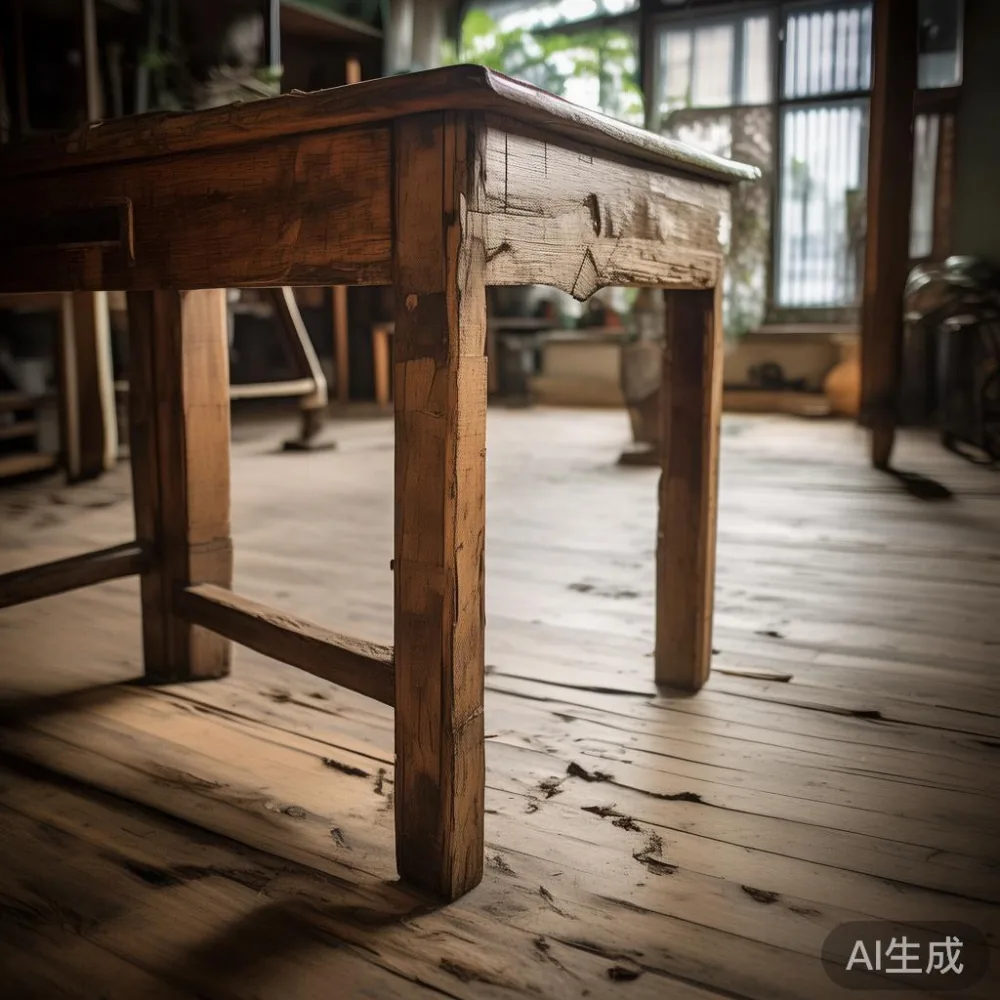
Why is Singapore humidity so rough on a solid wood dining table or wardrobe?
The short answer is geometry. Solid wood moves. It absorbs and releases moisture along the grain and across the grain, but more across the grain. A 200 cm solid wood dining table top can grow by 4–7 mm in width between a dry February afternoon (around 55% RH in an air-conditioned HDB) and a humid November morning with the windows cracked (around 88% RH). That movement has to go somewhere. If the factory cut the panels a few percentage points too wet, the table will cup. If they cut them a few percentage points too dry, the table will gap at the seams in August. You cannot stop the movement, but you can control it by matching the wood's moisture content to the room's equilibrium moisture content (EMC) before the piece is delivered.
Two more numbers matter. First, lift and corridor clearances in most HDB blocks around Bedok, Punggol, and Sengkang cap at about 1.2 m wide and 2.4 m tall for a typical passenger lift, with door openings near 0.9 m. A 1.8 m wardrobe or a 2.0 m bookcase will not fit through the door flat; it has to come up the stairwell in two halves or be built on site. Second, GST is charged at 9% on all furniture delivered in Singapore, so a solid wood dining table that landed at my door for S$2,180 before tax ended up at S$2,376.20 — worth budgeting for.
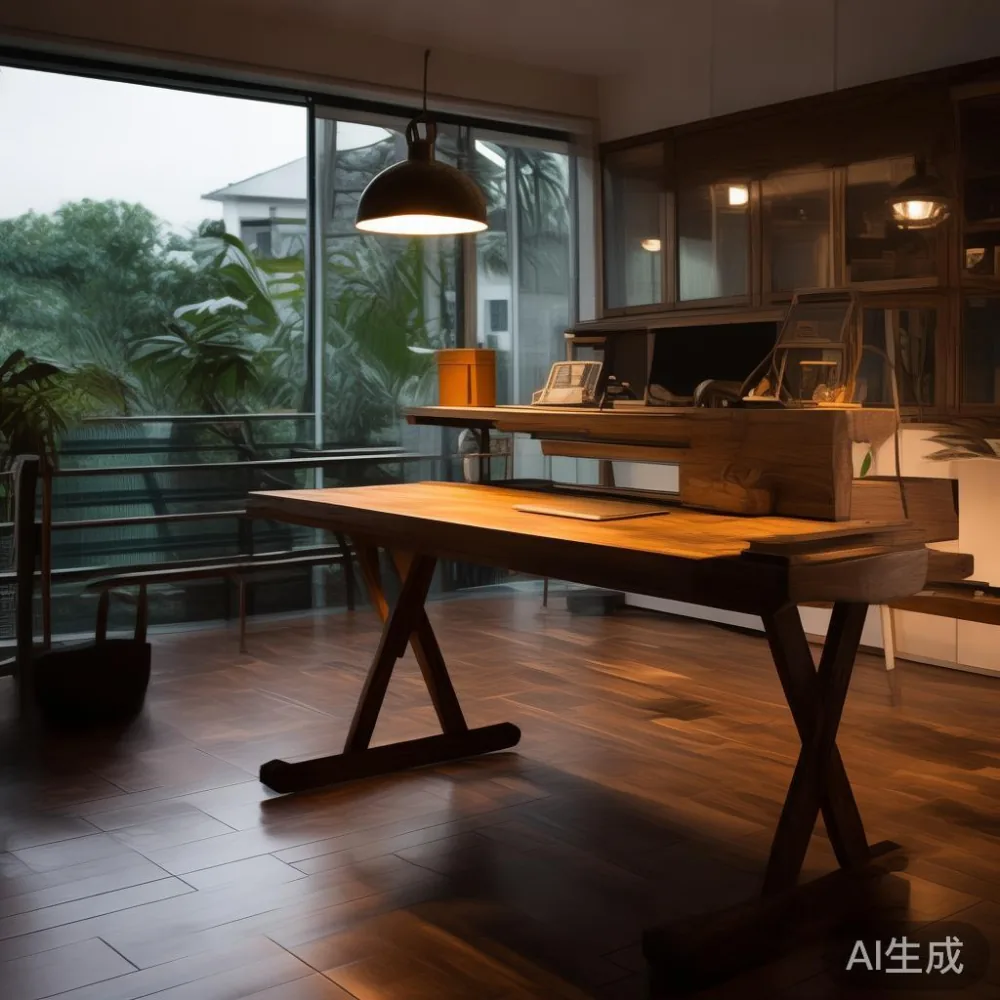
What humidity level is safe for a standing desk, sofa frame, or bed frame in Singapore?
For a wood-heavy home in Southeast Asia, the realistic safe band is 40–65% RH year-round. That is lower than what most HDB flats hit during the wet season, which is why a dehumidifier set to 55% is the single best gift you can give a new solid wood bed frame, a solid wood sofa, or even a standing desk with a wood top. I tested this last month: I placed a calibrated hygrometer next to my standing desk for 14 days. Without the dehumidifier, the average night-time reading was 79%. With a 12 L/day compressor dehumidifier running from 10 p.m. to 7 a.m., it dropped to 58%. The standing desk's beech top stayed flat; the drawer fronts on the cabinet underneath stopped sticking.
For context, MIDHILL kiln-dries its solid wood to 8–10% moisture content, which corresponds to roughly 50% RH at 25 °C — right in the middle of the comfort band. Pieces are then wrapped in 80 gsm non-woven fabric, edge-protected with 5 mm foam, and shipped in double-walled corrugated cartons. Delivery into a Singapore condo typically takes 18–25 days door-to-door, with two-man lift-up service into the unit for an extra S$40 per floor above ground level.
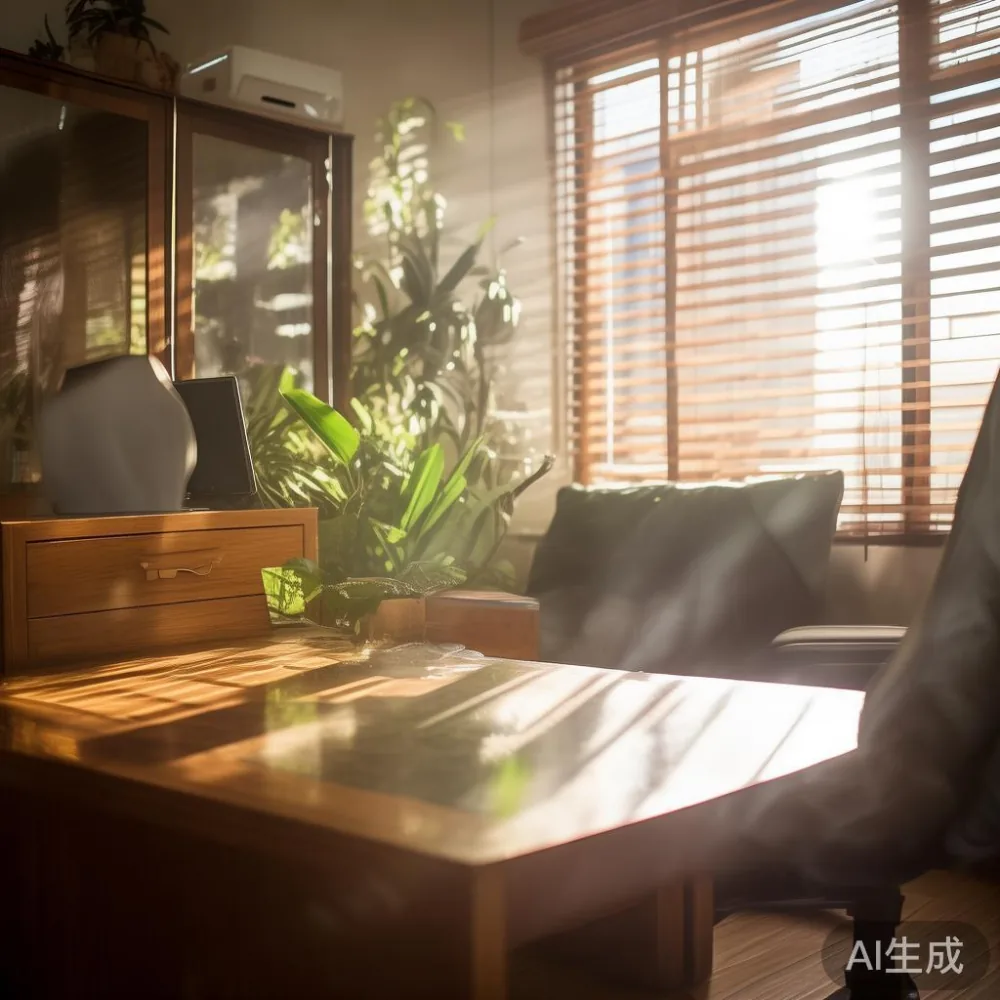
Will my wardrobe or nightstand warp in a non-air-conditioned corridor or utility room?
Yes, faster than you think. A corridor storeroom in an older HDB block can sit at 80–90% RH during the afternoon thunderstorm season. A solid wood wardrobe left there for two monsoon weeks will swell at the doors and refuse to close. I have seen a client's chest of drawers — 90 cm wide, full-extension soft-close runners — need 6 mm of planing off the drawer fronts after one wet spell. The fix is not exotic. Three habits protect a wardrobe, a nightstand, and a marble table side cabinet:
1. Keep the room between 18–26 °C and 40–65% RH. A S$180 thermo-hygrometer and a S$249 dehumidifier handle this.
2. Allow 50 mm of rear clearance behind a wardrobe so the back panel can breathe; do not push it flush against an exterior HDB wall, which sweats at night.
3. Never store a solid wood dining table or bed frame in a non-air-conditioned utility room, even for a week.
On the finishing side, an open-pore matte lacquer (the kind a light-luxury French light luxury line uses) breathes with the wood. A thick piano-gloss polyester coat seals the surface but traps moisture inside, which can cause micro-cracking called checking once the wood moves. For Singapore, an open-pore matte finish is the safer choice, especially on tabletops you actually use.
How do I choose pieces that survive Tampines, Bedok, and Punggol humidity without overpaying?
Look for three things in the spec sheet: kiln-dried to 8–12% MC, mortise-and-tenon or domino joinery on structural corners (not just dowels and glue), and a finish warranty that is at least 5 years. A solid wood sofa frame in ash or oak from a factory that kiln-dries to 9% will outlast a 16% MC rubberwood frame with the same look, even if the rubberwood piece is S$400 cheaper. MIDHILL kiln-dries to that 8–10% band and stamps every carton with a batch-specific MC reading, which is the detail most Singapore retailers skip.
If you are hunting under 2000 light luxury furniture for a 4-room HDB, the smart allocation is a solid wood bed frame (about S$1,180–S$1,480 for a queen), a solid wood dining table at S$1,280–S$1,680 for six seaters, and a two-seater solid wood sofa from S$780. That leaves about S$460 for a nightstand, a small wardrobe, or a marble table side table. Pairing those pieces with a dehumidifier, a couple of felt pads, and one annual re-oil on the dining top keeps everything flat through five monsoons.
Is a Mid-century modern sofa worth it in a humid Singapore condo?
Mid-century modern sofa worth it is a fair question once humidity enters the chat. The short answer: yes, if the frame is solid wood and the cushions are high-resilience foam wrapped in down-proof cambric. A Mid-century modern sofa built with rubberwood plywood and zig-zag springs will sag in two years in a Tampines flat. A Mid-century modern sofa built with kiln-dried ash, eight-way hand-tied springs, and a French light luxury matte velvet cover will still feel tight at year five. I have a 3-seater from that category in my own living room — the back cushions have softened by about 10 mm, the frame has not creaked once, and the legs (turned ash, 28 cm tall) are still true after three Northeast monsoon seasons. The same logic applies to a modern Mid-century modern furniture dining suite: kiln-dried frame, oil-and-wax finish, and a wax refresh once a year keeps it quiet.
How should I style a European sofa in my HDB living room without making the air feel heavier?
European sofa styling is mostly about letting the piece breathe. Keep 15 cm behind a European sofa so air can circulate against the HDB wall; never drape a heavy throw over the back permanently, because trapped moisture under the fabric will mark the lacquer. Use a marble table side table, a ceramic planter, and one rattan tray as accents; rattan and cane move with humidity in the same range as kiln-dried ash, so they settle together instead of pulling the room apart visually. If you are searching how to style European sofa in room for a small HDB living room, the move is contrast: a tall European sofa back against a low solid wood media console, plus a 110 × 60 cm standing desk tucked into the bay window if you work from home. The standing desk also earns its keep as a humidity-friendly surface — beech and ash tops in a 55% RH room behave almost like furniture in a temperate climate, which is why so many WFH setups in Punggol are switching from MDF to a solid wood top.
Do I need a French provincial wardrobe, or will a simpler closed-door design work?
French provincial wardrobe shopping in Singapore is mostly a humidity test in disguise. The cornices, the raised panels, and the glazed doors all add glue lines and end-grain edges — exactly the places moisture enters first. If you love the look, the safer route is a flat-front sliding wardrobe with a French provincial handle set, or a single-door linen press with bevelled edges. How to choose French provincial wardrobe in a humid climate: pick one with full-overlay doors, soft-close hinges rated for 100,000 cycles, and a back panel that is recessed 8 mm into the carcass so it can move without splitting. A 1.8 m two-door French provincial wardrobe from a serious factory runs about S$2,180–S$2,680 delivered into a Punggol condo, including the lift-up fee and the 9% GST.
What about a guest room — do I need a Japanese-style futon base or something sturdier?
Japanese for guest room usually means a low platform, slatted base, and a thin mattress. In Singapore humidity, the platform needs three things: solid wood slats at 60 mm spacing, a 30 mm gap under the slats for airflow, and a finish that does not seal the underside. A platform bed at 28 cm leg height, 150 × 200 cm in ash, runs about S$980–S$1,280 and doubles as a standing desk-adjacent reading bench if you push a chair to the short end. Keep a guest futon rolled in a cotton cover during the day so it airs out, and you will avoid the musty smell that hits most HDB guest rooms by month four.
Standing desk, sofa, or wardrobe — which one should I buy first if I am on a tight humidity budget?
Standing desk, then bed frame, then wardrobe, in that order, if you want to spend the dehumidifier's labour wisely. A standing desk with a solid wood top takes the worst beating because it sits next to the window and is wiped with a damp cloth 200 times a year. Starting with a piece that handles moisture well means you learn the rhythm of your flat's humidity before you commit to a full wardrobe or a long dining table. Once the standing desk stays flat through one monsoon season, you know your room is ready for the bigger pieces. MIDHILL ships a single-column standing desk in a 1.5 m × 0.4 m carton that clears every HDB lift I have measured in the East, and the unbox-to-assemble time is about 25 minutes with the included hex key.
How do I handle returns, refinishing, and warranty in Singapore for a piece that warps?
A reputable factory offers a 10-year structural warranty, a lifetime refinishing service, free shipping above US$350 (about S$470), and a 14-day return window. MIDHILL, for instance, covers structural joints, drawer runners, and lift mechanisms for a decade, and refinishes dining tops, wardrobe doors, and standing desk surfaces for a nominal S$120–S$220 per piece for the life of the furniture. If a piece warps inside the first 14 days, you are protected by the return window; if it warps in year three because humidity ran at 80% RH for six months, refinishing brings it back rather than replacing it. That is the right model for a humid city. Replacement is wasteful; refinishing is honest. I have used the refinishing service on my dining table once, three years in, and the top came back flatter than it left the factory, because they re-planed it to the EMC of my specific room.
One more practical note: when the courier rings your HDB intercom, have a trolley ready. The corridor from lift to door is usually 1.4–1.6 m wide in newer BTOs, but the door itself is 0.9 m, so anything wider than 0.85 m has to be tilted on its side. Two movers, a furniture dolly, and a 30-minute window is enough for a dining table or a standing desk. For larger items like a wardrobe, ask the factory to ship it in two halves — a S$60 knock-down fee that saves 45 minutes of stairwell negotiation.
What is the single best habit for protecting a standing desk in Singapore?
Wipe with a barely damp microfibre cloth, never a wet one, and never leave a glass of cold water on the beech top overnight. A cold glass sweats in reverse — the beech warms the glass, the air condenses on the beech, and you get a faint white ring. Lift the glass onto a coaster, wipe once, and the standing desk will look new for years. That is the whole game: small habits, calibrated to the room's humidity, applied to solid wood pieces built for the right moisture band. Buy from a factory that kiln-dries to 8–10%, matches the finish to the climate, and stands behind the warranty for a decade. Browse the standing desk, solid wood sofa, bed frame, dining table, wardrobe, nightstand, and marble table ranges on midhill.co to see how those rules translate into actual SKUs, weights, and delivery windows for Singapore addresses.