Selecting a Standing Desk for Singapore’s HDB
Choosing a standing desk for an HDB living room is rarely a matter of finding a large surface and placing it beside the sofa. Singapore homes are compact, shared spaces are common, and the route from the lift to the flat can determine whether a desk will fit inside at all. The right standing desk should match the usable floor area, the household’s daily routine, and the shape of the room rather than simply its advertised dimensions.
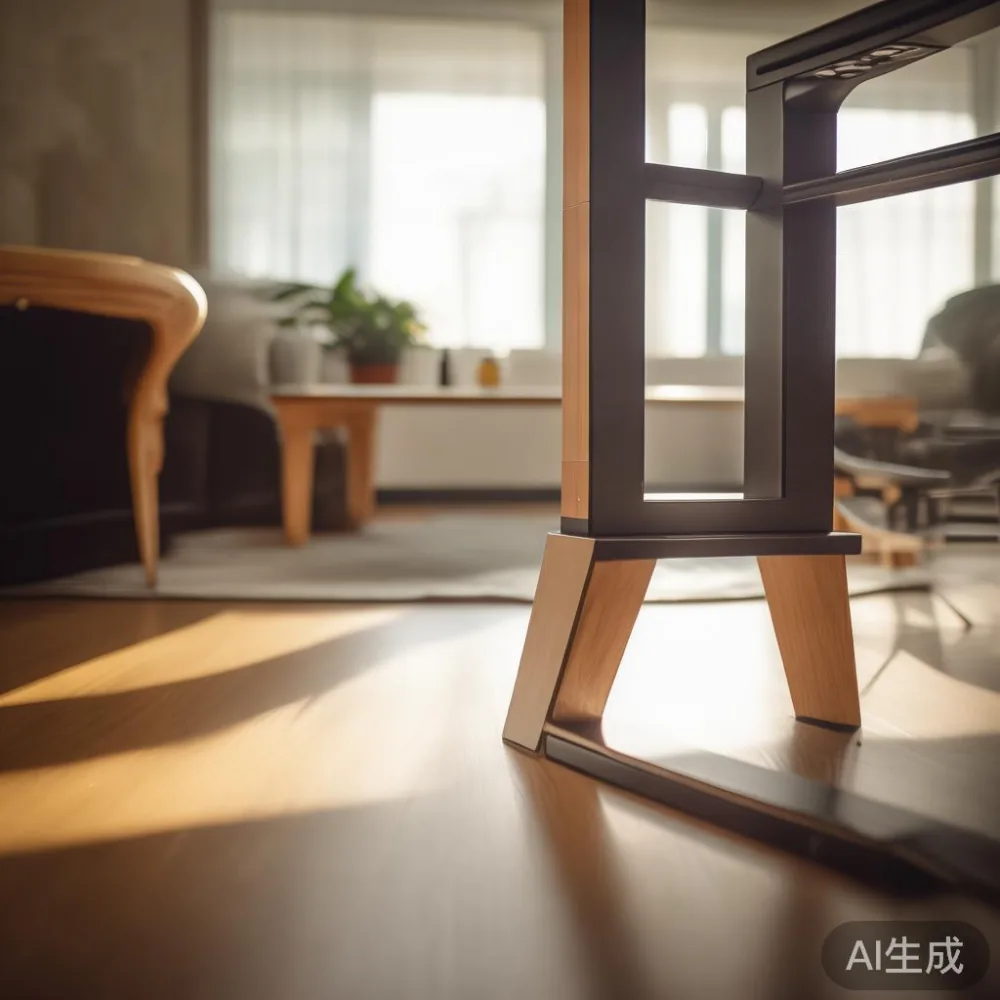
This guide uses typical HDB and condo layouts across Tampines, Bedok, and Punggol, including practical measurements for lift doors, corridors, living rooms, and multi-use areas. Prices are shown in SGD, while GST and delivery details should be confirmed at purchase. MIDHILL designs solid wood furniture with a 10-year structural warranty, lifetime refinishing, delivery to 15+ countries, and free shipping for orders over US$350. For Singapore purchases, check the quoted delivery time, access conditions, and any local charges before checkout.
What size should a standing desk be for an HDB living room?
For most Singapore HDB living rooms, a desk width of 100–120 cm is the practical starting point. A 100 cm model gives a person about 55–65 cm of writing space once a monitor is positioned toward one side, while a 120 cm model supports a wider screen or a more balanced arrangement. A desk deeper than 60 cm can feel substantial when the living room is only 3.0–3.5 metres wide, especially if the same room must also hold a solid wood sofa, television console, and dining table.
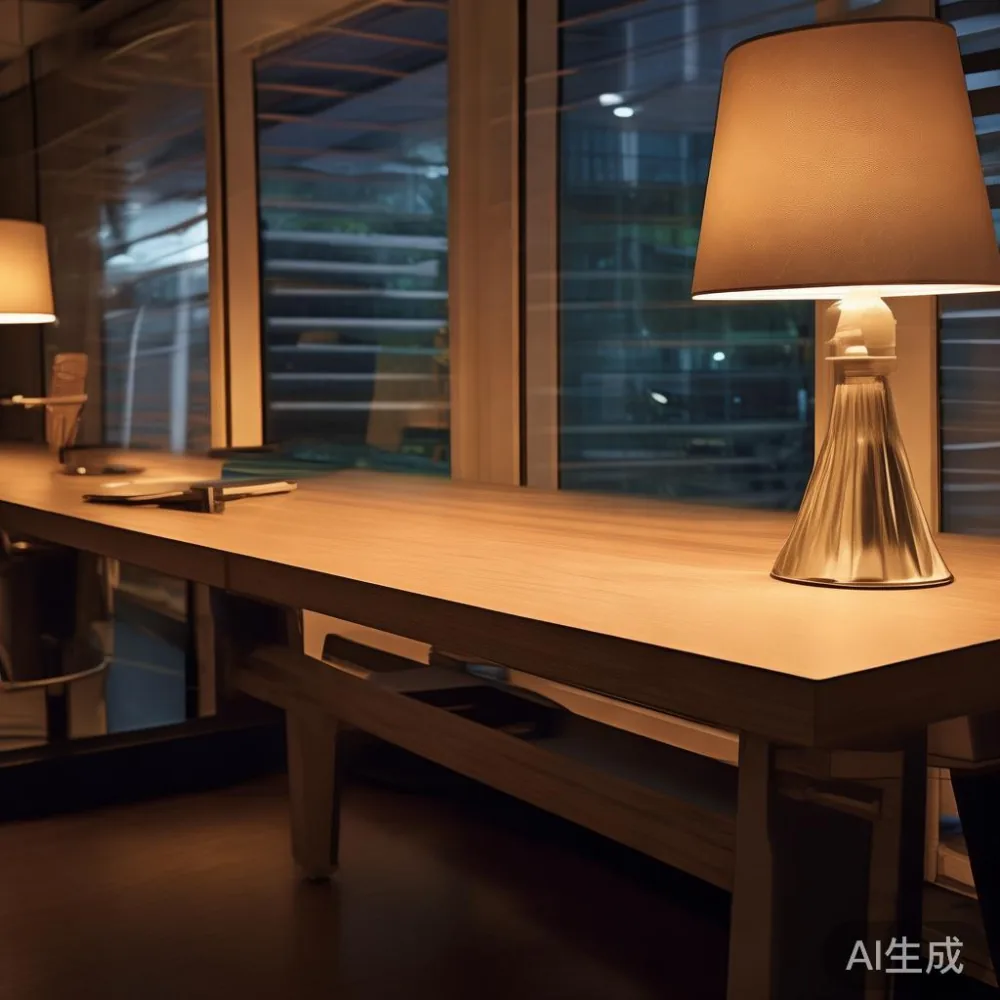
The depth usually matters more than buyers expect. A 55 cm depth works with a 24-inch monitor, while a 60 cm depth gives better clearance for a laptop, keyboard, and documents. A 70 cm depth is useful for several screens, but it can reduce the circulation space around a standing desk. In an open-plan HDB flat, 55–60 cm is often easier to live with; in a larger condo living area, 65–70 cm may be comfortable.
Height range is equally important. A desk that adjusts from 65 to 125 cm will accommodate many users and allow a seated position when the sofa is being used as a secondary workstation. A standing desk advertised at 68–120 cm may suit an adult of average height, but shorter users should confirm the lowest setting. The work surface should be stable at each height, with movement that does not shake a cup of coffee or pull the desk away from the wall.
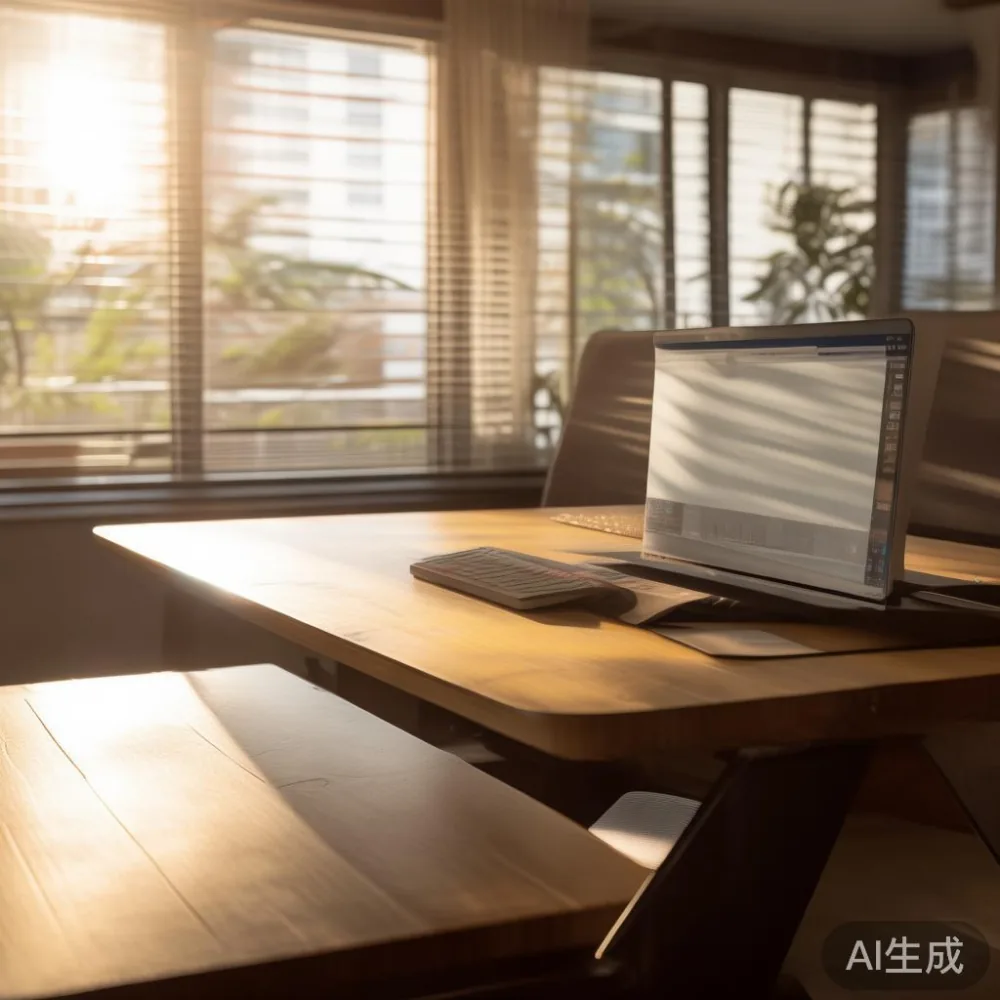
Measure the room from the skirting board rather than relying on a floor-plan label. Leave at least 90 cm for a clear walking route where people pass behind the desk, and allow 100–120 cm in front if a chair is used. In a living room shared with a dining table, the standing desk can sometimes replace a separate study corner. That approach works best when the desk is positioned against the side wall or near a balcony door without blocking the main route.
Will a standing desk fit through the lift and corridor?
Access is the part most often missed. Before buying, measure the lift door, lift car, landing, corridor turns, and the route into the flat. A standard HDB lift door may provide around 90 cm of clear width, but the internal depth and the position of the control panel can create tighter diagonal clearances than expected. A desk packed in a flat box may be easier to manoeuvre than a fully assembled model, yet long components can still be difficult to turn around a right-angled corridor.
Ask the supplier for the packed dimensions and the longest rigid component. A standing desk with a 120 cm desktop may have a 124–126 cm top, while liftable columns and the frame may arrive separately. A curved corner desk may pack into a shorter carton but occupy more floor space once opened. Square corners generally simplify both transport and room planning, which is useful in older HDB blocks with narrower common corridors.
My colleague tested a 120 cm standing desk in a Tampines flat last month. The lift and first corridor were straightforward, but the final turn required tilting the package by about 35 degrees. After removing the desk’s paper packaging, the protected top passed through without touching the fire door. That experience showed why the narrowest point should be checked, including the door closer and the handle projection. The desk itself was comfortably sized for the living room, but the access route required two people.
For purchases over SGD 1,000, professional delivery or assembly assistance may be worth arranging, particularly for a solid wood frame or a marble table with a heavy top. Confirm whether the quoted service includes carrying, unpacking, assembly, and removal of packaging. Do not assume free shipping over US$350 automatically includes indoor placement in Singapore. GST is typically added at checkout, and the final payable amount should be shown before payment.
Which style suits a compact Singapore living room?
The visual language of the room should make the standing desk feel intentional. A pale oak or ash finish can reduce the apparent bulk of a worktop, while warm walnut or darker stained wood can create a stronger post-modern light luxury composition when balanced with clean lines. French light luxury often suggests pale finishes, curved profiles, and restrained decoration; in a compact HDB interior, those ideas work best through proportion rather than ornate detail.
One possible combination is a 110 cm standing desk in light oak beside a low solid wood sofa, with a slim black frame and a single task lamp. Avoid making the desk match every item exactly. Contrast can make each object easier to read, especially when the room contains a white dining table, a dark wardrobe, and a marble table with visible veining. The standing desk becomes a work zone rather than another bulky cabinet.
For shoppers comparing broader catalogues, under 2000 Boho furniture can provide a useful contrast, with woven textures, light timber, and relaxed forms softening a modern HDB shell. A search for European for small living room may also lead toward compact pieces with careful storage. Keep the standing desk practical: if the home office is used daily, a neutral top and stable frame are more useful than a trend-driven finish that feels dated after 2 years.
A Nordic direction can be equally effective. A nordic light luxury sofa with pale upholstery, rounded arms, and a low profile will pair naturally with a 100–120 cm oak standing desk. Another useful reference point is European light luxury sofa vs Italian light luxury sofa: the former may emphasize balanced geometry and restrained stitching, while the latter may draw more attention to sculptural form. This distinction matters because an oversized Italian-style seat can compete with a desk of similar visual weight.
For bedroom furniture, a comparison such as French bed vs Mid-century modern bed helps define whether the rest of the home should use soft curves or tapered lines. A French bed would support a more decorative, upholstered approach, whereas a Mid-century modern bed suggests straight edges and visible wood. The standing desk should echo that decision without becoming a miniature version of the bed frame.
How do you measure the room and the desk correctly?
Use a paper floor plan or a tape measure with an actual scale of 1:20. Draw the sofa, dining table, television console, standing desk, and circulation routes. Include door swings, balcony thresholds, and the space needed to pull a chair away from the desk. A room may look large in a listing photograph but feel much smaller once those elements are placed together.
Mark the desk’s full footprint, including the frame and movement space. A 120 × 60 cm desktop may need a 125 × 65 cm operating zone once side controls and rear clearances are included. Against a wall, leave 5–10 cm for cable management and frame ventilation. If the desk sits in the middle of the room, preserve at least 90 cm behind it for passage, and consider whether the rising columns could approach a low cabinet.
Measure the user as well as the space. A comfortable standing elbow position is usually around 105–115 cm for many adults, but the correct setting depends on shoulder height, monitor placement, and the task. Seated height often falls between 72 and 78 cm. The strongest starting point is to set the desk so the elbows rest at roughly 90–100 degrees and the monitor screen is near eye level, then adjust by small increments of 2–3 cm.
Check noise and stability in the room itself. HDB flats can be close to corridors and lifts, so a motor that produces noticeable vibration at 55 dB may be distracting during evening use. Look for a load rating of at least 80 kg, a low-noise adjustment system, and a frame with anti-collision or anti-tilt features if children use the space. A standing desk should remain steady when the monitor arm is tightened and when a 15 kg monitor sits on one side.
What features are worth paying for in a Singapore home?
A dual-motor frame is useful for a desk wider than 120 cm or for a solid wood top. It generally provides stronger movement and better stability than a single-motor frame, although it may cost SGD 300–700 more. A programmable controller with 4 or 8 memory positions is convenient for one or two users. Cable trays, a concealed power module, and rounded desktop corners add daily practicality, especially where the desk shares space with a dining table.
Material choice affects weight, maintenance, and appearance. A solid wood top in oak, ash, or walnut may weigh 25–40 kg depending on size and thickness. Engineered wood can reduce that figure to 15–25 kg, making relocation easier, but edge durability differs. For a standing desk that is moved occasionally, weight should be considered along with the frame’s lifting capacity. Never exceed the manufacturer’s stated load rating.
For a coordinated home, compare finishes rather than assuming every item must use identical timber. A solid wood bed frame or nightstand can carry a warmer tone, while a marble table may provide a cool, reflective surface in the dining area. A standing desk in light oak can bridge those pieces. If the broader design plan includes a wardrobe, allow the desk’s wood tone to remain close enough to create continuity without making the room visually uniform.
Price comparisons should include the full delivered cost. In Singapore, a mid-range standing desk may fall around SGD 600–1,200 before GST, while a heavier solid wood model with dual motors may range from SGD 1,200–2,200. A budget under 2000 Nordic furniture search can reveal simple frames and compact storage, though the wood species, warranty, and moving parts should be checked carefully. Spending more only makes sense when the adjustment system, joinery, and service terms are clear.
How long should delivery and returns take?
Allow approximately 7–14 delivery days for a Singapore order, depending on stock position, peak periods, and the freight route. A made-to-order solid wood top may take 3–6 weeks. Ask whether the stated lead time starts from order confirmation or when the item leaves the factory, and whether the delivery window includes carrying it to the living room. A 2-person delivery team may add about SGD 80–150 to the final invoice.
Check the 14-day returns policy and the condition required for a return. For a standing desk, the packaging, desktop finish, column covers, and hardware should all be inspected before assembly. Keep the delivery note and photographs of any visible damage. The 10-year structural warranty provides useful long-term cover, but the written terms should explain whether moving the desk or changing the tabletop affects coverage.
Before the desk arrives, clear a route from the lift, protect the floor near the entrance, and confirm where assembly can happen. Measure again after delivery because renovation variations can affect a room by several centimetres. If the desk is too wide, it may be possible to return an unused item within the stated period; if it has been assembled, the cost of dismantling and transport may fall to the customer.
What should you order for a typical 3.2 by 4.5 metre HDB living room?
A practical starting configuration would be a 100 × 55 cm standing desk, a 65–125 cm height range, dual motors, a load rating of 80 kg, and a top finished in light oak. Position it against the long wall near a power outlet, with a 90 cm route between it and the sofa or dining table. For a room measuring 3.2 × 4.5 metres, this leaves space for a 180–200 cm solid wood sofa and a compact dining table without turning the living room into a passage.
In a slightly larger room of 3.5 × 5.0 metres, a 120 × 60 cm model is realistic, especially if the desk replaces a conventional side table. Add a 40–50 cm chair clearance and a cable route that does not cross the walking zone. In a compact 2.8 × 4.0 metre room, choose a 90–100 cm desk and keep the dining table elsewhere if possible.
The decision should follow three checks: the packed item can reach the living room, the desk leaves a comfortable route through the room, and the height settings suit the person using it. Then choose the finish to complete the home’s light-luxury character. A balanced HDB interior may mix American light luxury comfort with a cleaner standing desk, while French light luxury can be suggested through a pale top and one curved furnishing nearby.
Choose the standing desk in the same sequence as any major furniture purchase: access, dimensions, mechanics, material, then appearance. That order prevents a beautiful desk from becoming an unusable island in the middle of the room.