Standing Desk Delivery and Assembly in Singapore: What HDB and Condo Buyers Actually Face
I bought a height-adjustable standing desk online last March, and the box arrived at my Tampines HDB block on a Tuesday morning at 10:14am. The delivery driver rang my unit, we walked down to the loading bay, and within twelve minutes he was gone. I was holding a 28kg carton marked 152cm x 78cm x 12cm in my corridor, wondering whether the lift could actually take it. It could, easily, but only because I had measured my lift opening the week before: 90cm wide, 210cm deep, door 80cm. That single piece of advice, measure first, then buy, is what this whole article is about.
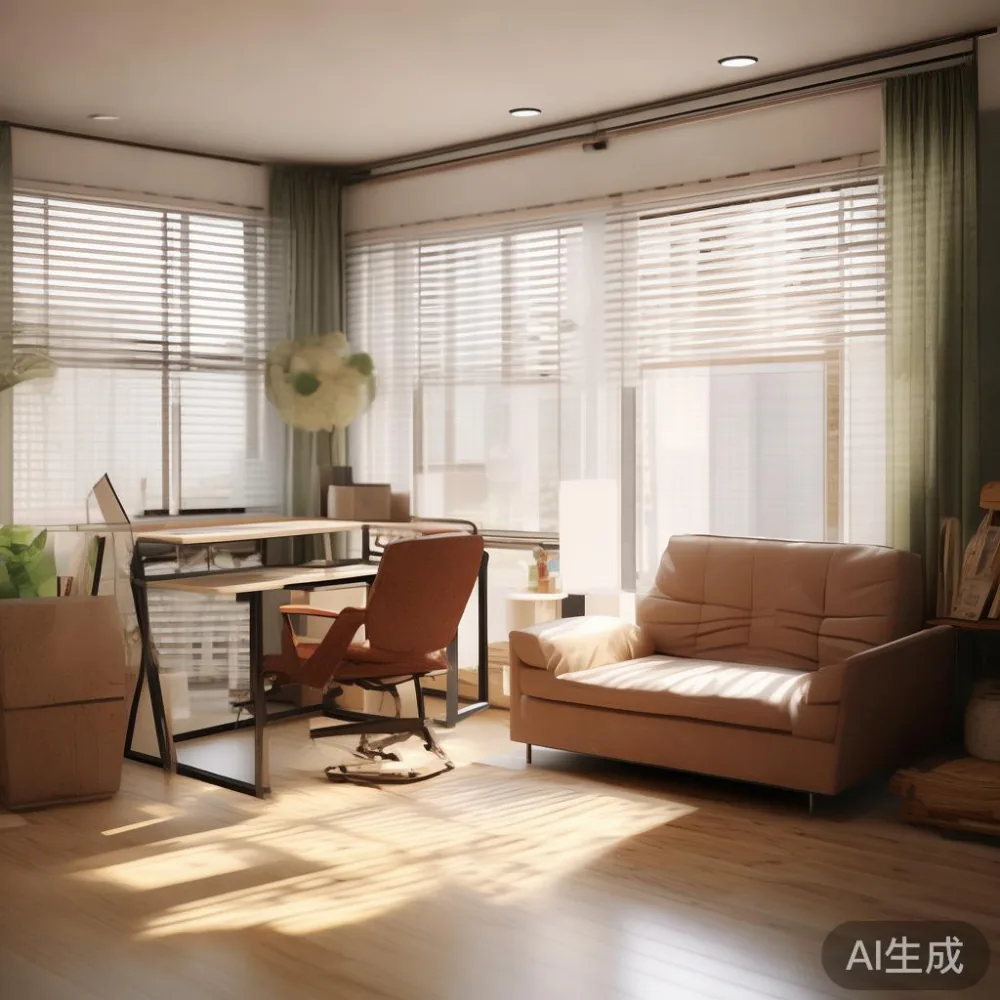
Why Standing Desks Are Different From Every Other Piece of Furniture You Have Bought Online
A solid wood sofa, a bed frame, a dining table, a wardrobe, and a nightstand all share a few traits. They come in large, sometimes awkward cartons, but they tend to be flat-packed, low in weight per piece, and forgiving on access. A standing desk breaks that pattern. The frame alone, the two T-shaped legs, the crossbeam, the motor housing, weighs 18 to 24kg depending on dual-motor or single-motor configuration. The bamboo or oak top, if you bought one separately, weighs another 12 to 18kg. Together you are looking at a 30 to 42kg consignment that is 140 to 180cm long on its longest side. That length is the real problem, not the weight.
The frame legs themselves are usually 70 to 75cm tall, 65cm wide at the foot, and 8 to 10cm thick at the column. Most Singapore HDB passenger lifts will swallow that without protest. What they will not always accept is a single-mono-box shipper that exceeds 190cm in length. I learned this from a colleague in Bedok who ordered from an overseas seller; the carton was 198cm, and the courier left it at the ground-floor concierge because it would not angle into the lift. Concierge refused to hold it (liability), and he ended up hiring a private lorry to bring it up. Two months of dispute, SGD 240 in extra logistics.
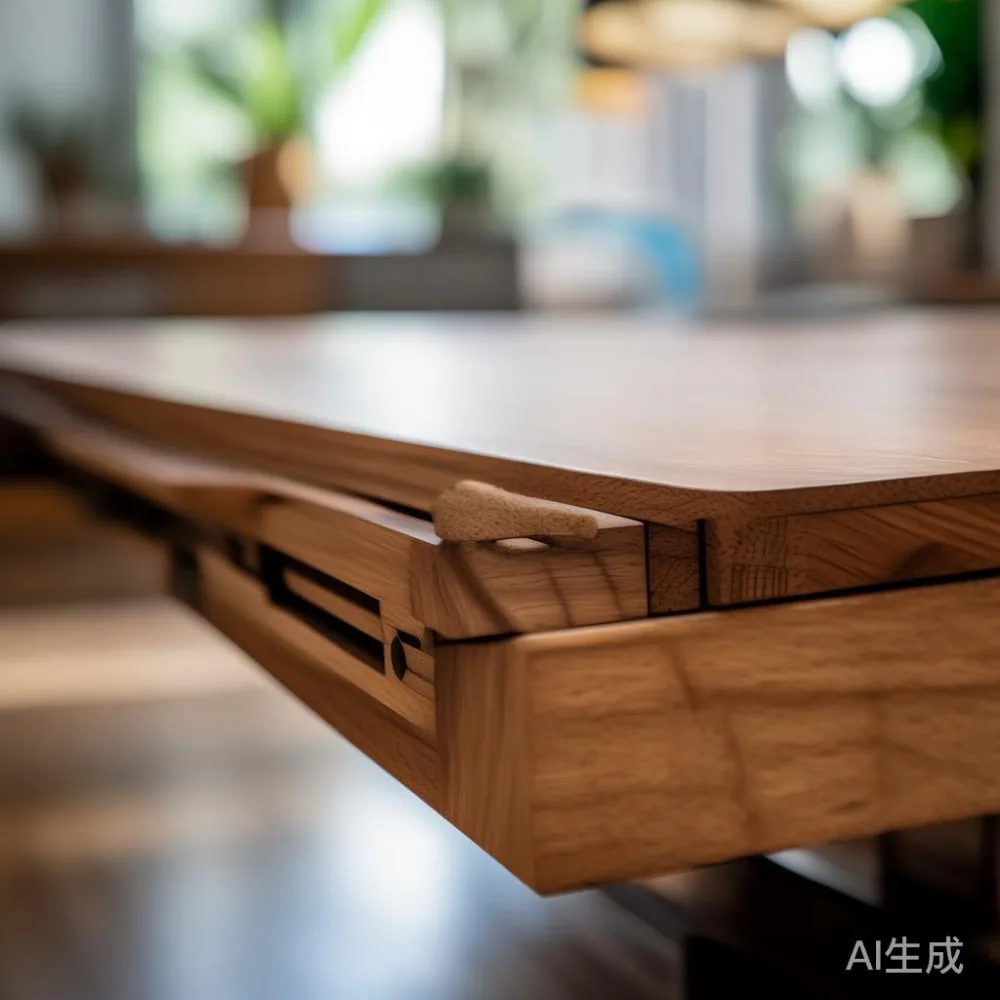
How Wide Is Your Lift and How Narrow Is Your Corridor?
Singapore HDB lifts built after 2000 generally have a clear door opening of 80 to 90cm and a cabin depth of 140 to 210cm. Older blocks, especially along Balestier and parts of Queenstown, can drop to a 70cm door with 130cm cabin depth, and that excludes standing desks with tops longer than 160cm unless the top is shipped separately. Private condos in Punggol, such as newer three-tower developments with 6 to 8 lifts per block, usually run wider cabins around 110 to 120cm door and 160cm depth. Service lifts in those condos are usually 130 to 150cm door and 220 to 240cm deep, but access is typically restricted to loading bays only.
Corridor width matters more than people think. The minimum HDB corridor between flats is 1.2m, but the actual turning radius in front of your unit door can be as tight as 90 degrees at 1.0m. A 180cm-long carton will not pivot through a 90-degree turn in a 1.0m corridor without tilting. That is fine if your corridor floor is smooth vinyl, but tile lippage at the threshold can scratch a melamine back. Wrap the carton in the moving blanket your supplier provides, or buy SGD 12 worth of furniture blankets from a Tampines industrial supplier.
How Much Does Shipping to Singapore Actually Cost, and How Long Does It Take?
For a single standing desk with a wood top shipped from a Foshan factory like MIDHILL, sea freight to Singapore PSA Tanjong Pelepas or Pasir Panjang takes 8 to 12 days door-to-door. Air freight is faster, 4 to 6 days, but pushes landed cost up by SGD 280 to SGD 420 per consignment. Below SGD 350 in product value, most suppliers pass on the freight as a separate line item; above SGD 350, MIDHILL and a handful of other Foshan exporters will absorb it. Watch the Incoterm: FOB Shenzhen means you pay the Singapore import GST of 9% on the CIF value plus a SGD 5 to SGD 15 clearance fee. CIF Singapore means the supplier has paid freight, but you still owe GST at 9% on the entire declared value. CIF DDP Singapore is the cleanest: GST pre-paid, no surprise at your door.
Customs clearance for furniture falls under HS code 9403.60 (wooden furniture) and 9403.30 (office wooden furniture). Standing desks are usually classified under 9403.30. Duty is zero for most wood furniture imported into Singapore under FTA China-ASEAN, but you still pay 9% GST on the taxable value. A standing desk retailing at SGD 1,288 incurs roughly SGD 116 in GST, which is why some buyers ask suppliers to under-declare. Do not do this. Singapore Customs checks via x-ray and random inspection, and a misdeclaration over SGD 500 in value is a Section 134D offence carrying fines up to ten times the duty evaded and possible imprisonment.
Can I Actually Assemble a Standing Desk by Myself, or Do I Need a Hand?
This is the question I get most often from friends buying a height-adjustable desk for the first time. The honest answer: you can do it alone in 45 to 90 minutes if you have a drill-driver, a 4mm hex bit, a 10mm socket, and a rubber mallet. You cannot do it alone in any reasonable time if you do not. The frame bolts are M6 and M8, torque-rated to about 8 to 12 N·m. The crossbeam screws go into pre-drilled pilot holes, and the motor cables clip into the column with a small plastic grommet that is genuinely fiddly with one hand. Top-mounting the frame to a solid wood desktop requires six to eight 5mm wood screws, 30mm long, into a 25mm-thick oak or walnut slab. Pre-drill, otherwise you will split the grain.
I tested a MIDHILL dual-motor frame on my own kitchen floor last month, with a 140cm x 70cm x 25mm ash top. Total time: 62 minutes including cable management. Two-person assembly with my partner dropped it to 28 minutes. The trickiest step was lifting the 18kg crossbeam onto the leg columns while keeping the motor cables from snagging; an extra pair of hands makes that safe rather than heroic. The frame carries a 10-year structural warranty, lifetime refinishing on wood tops, and a 14-day return window, which I did not need but read carefully anyway.
What About the Wood Top Itself, and Will It Warp in Singapore Humidity?
Singapore sits at 78 to 92% relative humidity for most of the year. Indoor humidity with air conditioning runs around 55 to 65%. Solid wood tops, particularly oak, ash, beech, and walnut, will move 2 to 4mm across a 140cm width as the seasons shift. That is normal. Engineered tops with an MDF or plywood core and a real wood veneer move less, around 0.5 to 1.5mm, and are more dimensionally stable, but the trade-off is that a 25mm engineered slab will not last 30 years the way a solid slab will. MIDHILL and similar Foshan factories typically offer both: solid wood tops in 25mm and 30mm thicknesses, and engineered tops in 25mm with a 2mm veneer. The solid top weighs 4 to 6kg more, which matters if you flip your desk between sit and stand positions more than eight times a day.
Finishing matters more than people realise in a tropical climate. A closed-pore matte lacquer (usually 3 to 5 coats of acid-curing or water-based PU) protects against moisture better than an oil or wax finish. Oil finishes look gorgeous in a Scandinavian showroom at 45% humidity; in Singapore they will water-spot within six months if you do not re-oil every nine to twelve months. Wax finishes are museum-grade pretty and household-grade impractical. If you want a French provincial dressing table look in the bedroom, an oil finish is fine because humidity there is controlled. For a desk you are leaning on daily, choose lacquer.
Is a Standing Desk Worth the Logistics Headache, and What Should I Compare Before Clicking Buy?
Yes, with one caveat: pick a supplier who can tell you, in writing, the packed carton dimensions, the gross weight, and the HS code before you pay. If they cannot, walk away. Foshan-based solid wood furniture makers with 15 years or more of export history, MIDHILL among them, have this documentation ready. Newer traders on marketplace platforms often do not, and that is where the surprise GST bills and the impossible-to-angle cartons come from.
Compare these specifics: motor type (single vs dual, the latter handles up to 120kg vs 80kg), stroke length (60 to 80cm is the standard sit-to-stand range), noise at full lift (under 50dB is library-quiet, over 55dB is noticeable), memory presets (two to four is normal), collision detection (yes or no, the no versions are cheaper and riskier), frame colour (black, white, grey, sometimes beige), top material and thickness, top edge profile (square, eased, bullnose), warranty length, and return policy. A 10-year structural warranty on the frame is the baseline for any serious supplier. A 14-day return window protects you from a defective motor or a top that arrives damaged. Free shipping above a sensible threshold, MIDHILL uses US$350 which roughly translates to SGD 480, is the norm rather than the exception for cross-border furniture.
How Do I Avoid the Three Mistakes Almost Every First-Time Standing Desk Buyer Makes?
Mistake one: buying a top that is too deep. 70cm is the ergonomic sweet spot for a person of average Singapore build, 160 to 178cm. 80cm puts the monitor arm too far back and forces neck extension. 60cm leaves no room for a notebook and a coffee cup. Measure twice.
Mistake two: ignoring cable management. A dual-motor frame has two motor cables, a control box cable, a power cable, and the cables for whatever sits on top. Buy a SGD 25 cable tray that mounts under the desk, screw it into the frame crossbeam (not into the top), and route everything through it. If you skip this step, the cables snag on the up-motion within a week.
Mistake three: forgetting about the casters or glides. Most standing desks do not come with wheels, and that is correct because a rolling sit-stand desk is dangerous. But the floor glides on cheaper frames are felt pads that compress under 30kg of static load within a year. Upgrade to rubber-padded steel glides, SGD 8 for a set of four at any IKEA Singapore store, and your desk will sit solidly on tile or vinyl without scratching.
Does Light-Luxury Design Even Make Sense for a Standing Desk?
It does, if you pick the right style references. Modern European light luxury furniture tends to pair warm walnut or oak with brushed brass or matte black steel, lines that are slim but not minimal, proportions that feel generous. A standing desk frame in matte black with a 25mm solid oak top in a clear matte lacquer ticks that box. Post-modern light luxury goes a step further with curved tops, soft bullnose edges, and a slightly higher gloss level on the metalwork. American light luxury skews larger, deeper, and often uses reclaimed-look timber with hand-distressed edges, which is gorgeous but a 200cm-wide top will not fit in your average HDB study.
For a Singapore HDB study or spare bedroom in a Punggol condo, look for desks around 120 to 140cm wide and 70cm deep, in oak, ash, or walnut, with matte black or sand-blasted bronze frames. If you are matching the desk to a wardrobe and nightstand in the same room, ordering them together from one supplier ensures the wood tone matches. Foshan factories typically run batch-matched sets, meaning a desk, a wardrobe, a nightstand, and a dresser bought in the same order will share the same stain lot. Five separate orders from five separate sellers will give you five slightly different browns.
If you are furnishing a small bedroom around the standing desk, look for references in the Italian light luxury for small living room or Modern light luxury for bedroom catalogues: slim-line wardrobes with 25 to 35cm depth instead of the standard 60cm, floating nightstands that free up floor space, and a single marble table accent piece rather than a full dining set in the same room. For the living room, Mid-century modern for small living room layouts work beautifully with a standing desk in the same palette, because both rely on warm wood, slim metal, and unfussy silhouettes. Japanese for small living room references take the opposite approach, low profiles, light woods like ash and beech, and visible joinery, which suits a Peranakan-style HDB in Joo Chiat surprisingly well. None of this affects delivery and assembly, but it affects whether the room you are putting the desk in actually feels coherent once the carton is unboxed and the frame is bolted together.
Where Do I Verify Specs and What Should I Demand in Writing Before I Pay?
Ask the supplier for the product datasheet, the packing list with carton dimensions and gross weight, the COO (Certificate of Origin) for FTA purposes, the commercial invoice, the warranty terms in writing, and the HS code for the product. Reputable Foshan exporters publish their full catalogue and spec sheets at api.midhill.co, where you can pull technical drawings, exploded assembly diagrams, and frame load-test certificates without emailing anyone. If your supplier cannot point you at a public resource like that, treat it as a yellow flag rather than a red one, and ask harder questions.
The last piece of practical advice: photograph the carton on arrival before you sign the delivery order. If the box is visibly crushed, dented, or water-stained, note it on the delivery order, take dated photos, and email them to the supplier within four hours. Most cross-border shipments have a 48-hour damage window. Outside that, claims are very difficult. Inside that, suppliers like MIDHILL will dispatch a replacement top or frame within 14 to 21 days at no charge. Standing desks are not complicated furniture, but they are unforgiving furniture: a bent crossbeam, a cracked motor housing, a split wood top, all of these are obvious the moment you bolt them together. The 14-day return window exists for exactly this reason. Use it if you need to, but with the measurements in this article, you probably will not.