The Silent Challenge: How Humidity Affects Your Solid Wood Standing Desk in Singapore
In the air-conditioned comfort of your Singapore HDB flat or condo, your solid wood standing desk is more than just a piece of furniture. It's a centrepiece for your work-from-home life, a statement of taste, and a significant investment. But the very environment that makes your home comfortable can pose a silent, ongoing challenge to the integrity of that wood. Singapore's unique climate, characterised by high ambient humidity and the stark contrast of air-conditioned interiors, creates a demanding environment for natural materials. Understanding this dynamic is the first step towards ensuring your standing desk remains as beautiful and functional as the day it arrived.
Understanding Singapore's Humidity: The Numbers Don't Lie
Before we can protect our furniture, we must understand the enemy. Singapore's humidity is not just a vague feeling of stickiness; it's a measurable, scientific reality. The average relative humidity (RH) in Singapore hovers between 80% and 90% for much of the year. This means the air is saturated with moisture, and wood, being a hygroscopic material, constantly absorbs and releases water vapour to try and balance with its environment.
Consider the journey of a solid wood standing desk from a factory in Foshan to your home in Tampines. The wood is kiln-dried to a specific moisture content, typically around 8-10%, which is ideal for a temperate climate. When it arrives in Singapore, it immediately begins to acclimatise. The high ambient humidity will cause it to absorb moisture, swelling slightly. Then, when you turn on your air-conditioning, the RH can plummet to 40-50% or even lower in a very dry, well-cooled room. This rapid shift forces the wood to release moisture, causing it to shrink.
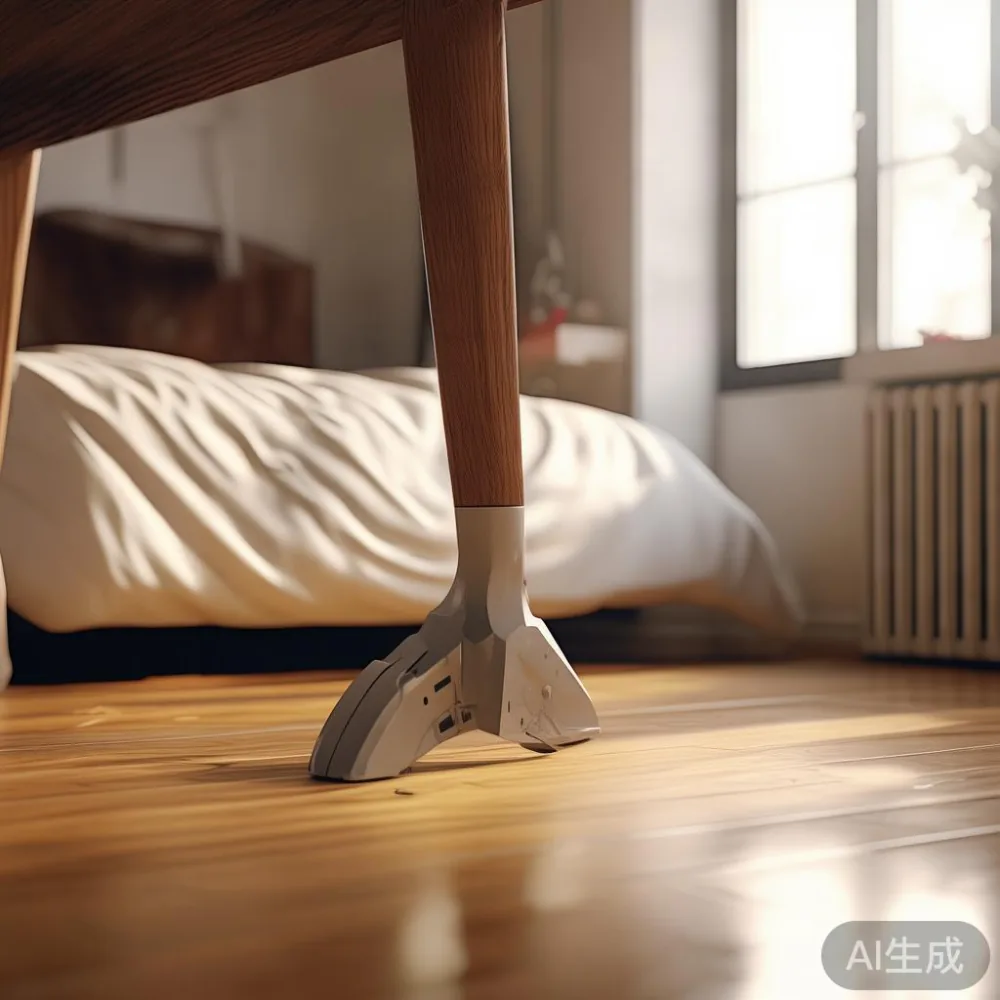
This constant cycle of expansion and contraction is the primary cause of wood movement. While a small amount is natural and expected, excessive or rapid movement can lead to problems. For example, a solid wood top measuring 180 cm by 80 cm might expand by as much as 1.5 cm in width during the humid months. This might not seem like much, but it can be enough to cause stress on the joints or, in extreme cases, cause the panels to crack. This is why choosing a standing desk designed with this movement in mind is not just a preference, but a necessity for durability.
What Does Humidity Damage Actually Look Like on a Standing Desk?
The effects of humidity on your standing desk can manifest in several ways, ranging from subtle cosmetic changes to more serious structural issues. Recognising these signs early can help you address the problem before it worsens. The most common issues are related to the wood's finish and its structural components.
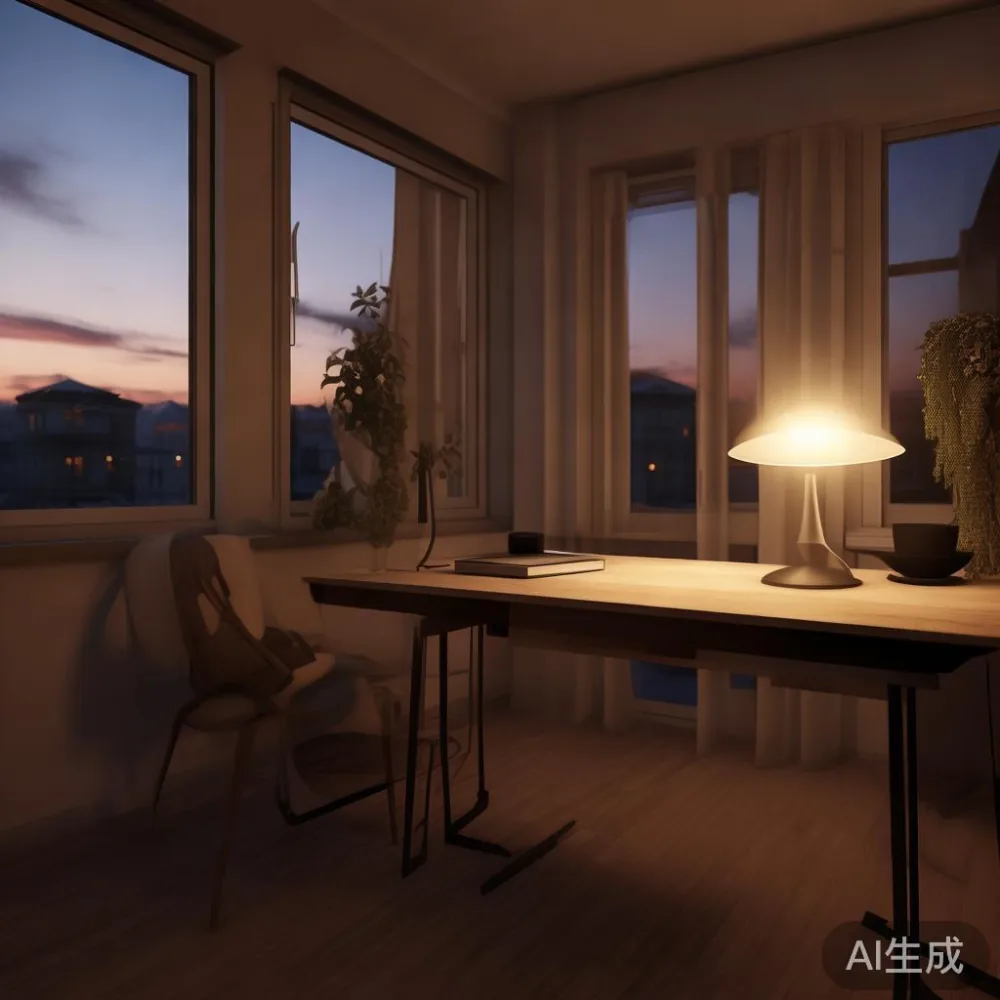
One of the most visible signs is **cracking**. This occurs when the surface of the wood dries out too quickly, causing the fibres to shrink and pull apart. This is particularly common on table surfaces, like a marble table top or a solid wood surface, which are exposed to the air. A fine hairline crack might appear, which can deepen over time if the environment remains unstable. Another sign is **gapping**. You might notice small openings developing between the panels of a tabletop or between a drawer front and its frame. This is simply the wood shrinking as it loses moisture. While these gaps can be closed again with a rise in humidity, repeated cycles can weaken the glue joints over many years.
On a more functional level, humidity can affect the **mechanism** of your standing desk. The electric motor and lift system are sealed, but the surrounding frame and internal supports are wood. If the frame swells or shrinks significantly, it can place stress on the motor, leading to increased noise, slower operation, or even a malfunction over a 5-7 year period. This is why a 10-year structural warranty is a critical indicator of a manufacturer's confidence in their product's ability to withstand these environmental stresses. It's a promise that the core structure has been engineered to last.
How to Style a Standing Desk in a Singaporean Apartment?
Integrating a standing desk into a Singaporean home requires a thoughtful approach to aesthetics and space. Given the typical layouts of HDB flats and condos, where lift and corridor widths can be narrow, you need a desk that is both functional and fits the scale of your room. A standing desk that is too large can overwhelm a small bedroom or study corner, while one that is too small might feel inadequate for a home office.
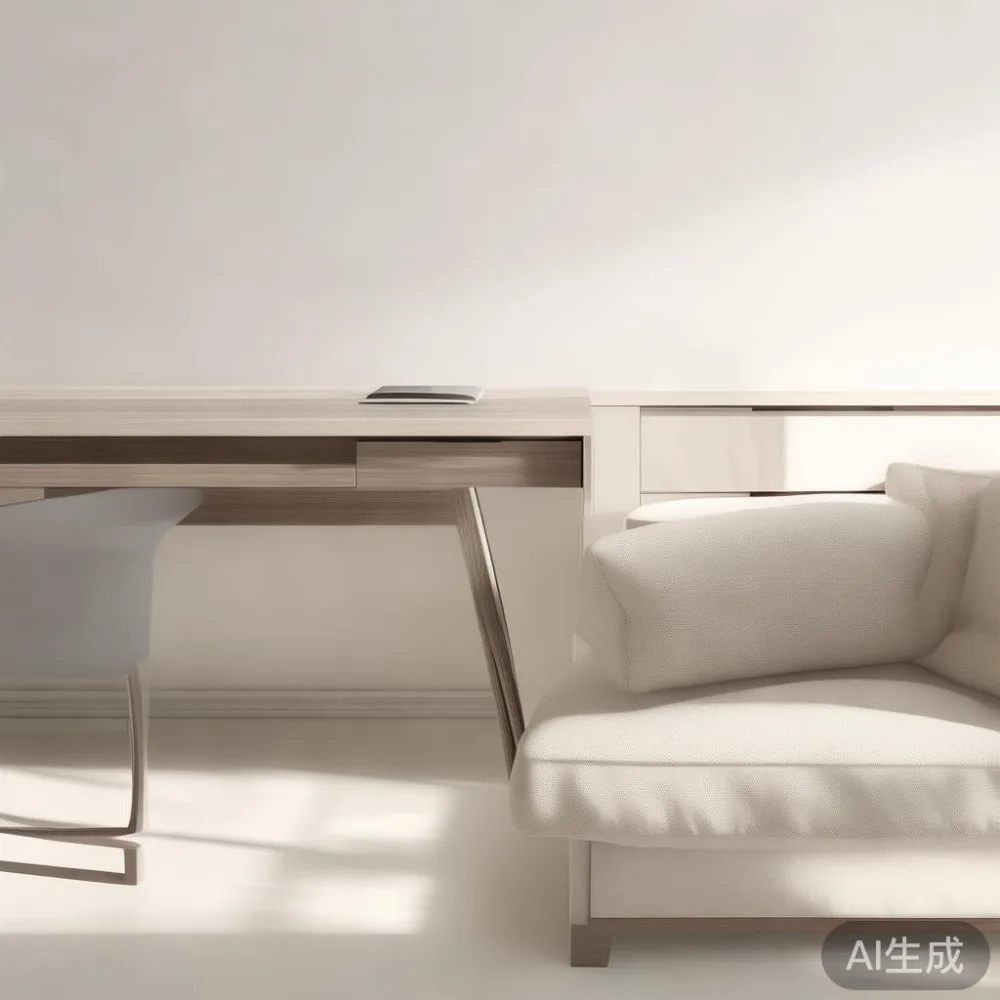
For a light-luxury aesthetic, consider pairing a clean-lined standing desk with complementary pieces. A post-modern light luxury standing desk, with its minimalist form and elegant proportions, works beautifully in a condo with high ceilings. You could place it opposite a solid wood sofa upholstered in a neutral fabric, creating a sophisticated lounge-meets-office vibe. The key is to create a cohesive look. For instance, you might ask a decorator, "How to style European light luxury sofa in apartment?" The answer often involves balancing statement pieces with subtle textures, ensuring the sofa complements the desk without competing for attention. This harmony extends to the entire room, from the nightstand beside your bed to the wardrobe in the bedroom, creating a unified and calming space.
Practical Tips for Caring for Your Standing Desk in Singapore's Climate
Protecting your investment is straightforward with a few consistent habits. The goal is to manage the microclimate around your standing desk to minimise extreme fluctuations in humidity. This is especially important in Singapore, where the contrast between the humid outdoors and the dry, air-conditioned indoors can be quite severe.
First, **acclimatise your furniture properly**. When a new standing desk is delivered, don't place it directly in front of an air-conditioning vent. Instead, let it sit in the room for 48-72 hours with the packaging slightly open. This allows the wood to gradually adjust to the room's temperature and humidity without being shocked. This simple step can prevent immediate warping or cracking. Second, **maintain a stable environment**. If possible, try to keep the relative humidity in your home between 45% and 60%. A simple digital hygrometer, available for under SGD 30, can help you monitor this. If the air is too dry, consider using a small humidifier; if it's too humid, ensure your air-conditioning unit is functioning well.
p>Third, **clean your desk correctly**. Dust regularly with a soft, dry cloth. For deeper cleaning, use a slightly damp cloth followed immediately by a dry one to prevent moisture from soaking into the wood. Avoid harsh chemical cleaners or excessive water, as these can strip the protective finish and leave the wood vulnerable. Finally, **protect from direct sunlight**. Prolonged exposure to the sun's UV rays can fade the wood's colour and dry out the finish, making it more susceptible to cracking. Use curtains or blinds to filter the light, especially during the afternoon hours when the sun is strongest.Is a Solid Wood Standing Desk a Good Investment for Singapore's Humid Climate?
This is a question many homeowners ask before making a significant purchase. The answer, when considering quality and longevity, is a resounding yes. A well-made solid wood standing desk is not just a piece of furniture; it's a long-term investment in your workspace and your home's value. The key is distinguishing between a cheap, mass-produced item and a high-quality, thoughtfully constructed piece.
While you might find options for "cheap European light luxury furniture," these are often made with low-quality veneers over particleboard, which are highly susceptible to humidity damage. The core structure will fail, and the finish will peel. In contrast, a genuine solid wood desk, like those from makers established in 2008, is built to last. The 10-year structural warranty and lifetime refinishing offer are not marketing gimmicks; they are a reflection of the product's durability. This means that if the structure fails or the finish wears down over time, the manufacturer will stand behind their product for a decade or more, and offer to refinish it to look like new. This level of support provides peace of mind that a cheaper product simply cannot match.
When comparing options like "American bed vs Italian light luxury bed," the same principles apply. The choice often comes down to construction quality and material integrity. For a standing desk, this means looking for features like mortise and tenon joints, which allow for natural wood movement without compromising the structure, and a multi-layered protective finish that seals the wood from moisture. My colleague, who has been in the furniture industry for 15 years, often tells clients that the initial cost of a quality standing desk is offset by its lifespan. A SGD 2,500 desk that lasts 20 years is a better value than a SGD 800 desk that needs replacement in 5 years. The peace of mind that comes from knowing your furniture is built to withstand your home's environment is priceless.
Why MIDHILL's Approach to Wood Furniture Works in Singapore
While many furniture makers operate globally, some have developed a specific understanding of the challenges posed by climates like Singapore's. A manufacturer that has been exporting to 15+ countries since 2008 has likely encountered a wide range of environmental conditions and adapted its processes accordingly. This experience is invaluable for a consumer in Singapore.
For instance, the process of selecting and preparing the wood is critical. It's not just about drying the wood; it's about drying it to the right equilibrium moisture content (EMC) for the target climate. This involves precise kiln drying and then allowing the wood to rest in a climate-controlled environment before crafting. This ensures the furniture arrives at your home in a state that is already adapted to the general conditions, minimising the initial shock of acclimatisation.
Also, the design of the furniture itself takes wood movement into account. This might involve using a "floating" tabletop design, where the top is attached to the base with clips or brackets that allow it to expand and shrink freely, rather than being glued rigidly in place. It also involves choosing the right types of wood. Some species, like North American Oak or European Walnut, are known for their stability and are excellent choices for furniture in humid climates. The combination of quality materials, expert craftsmanship, and a deep understanding of environmental science is what separates furniture that simply looks good from furniture that endures. This is why a company offering free shipping over SGD 350 and a 14-day return policy demonstrates a confidence in their product's quality and the customer's satisfaction, knowing the piece will arrive and perform as expected.