How Southeast Asian Humidity Affects Standing Desks and Solid Wood Furniture
Singapore’s warm, humid climate can change the dimensions, joints and surface finish of solid wood furniture. The effect is noticeable in a HDB flat in Tampines, where a room may face afternoon sun, and in a Bedok condo with air-conditioning that switches on only in the evening. Timber can absorb atmospheric moisture, expand across its grain and contract when the air becomes drier. A standing desk, dining table or wardrobe that was fitted tightly in a compact corridor may therefore need a little more breathing room than the same piece placed inside a climate-controlled room.
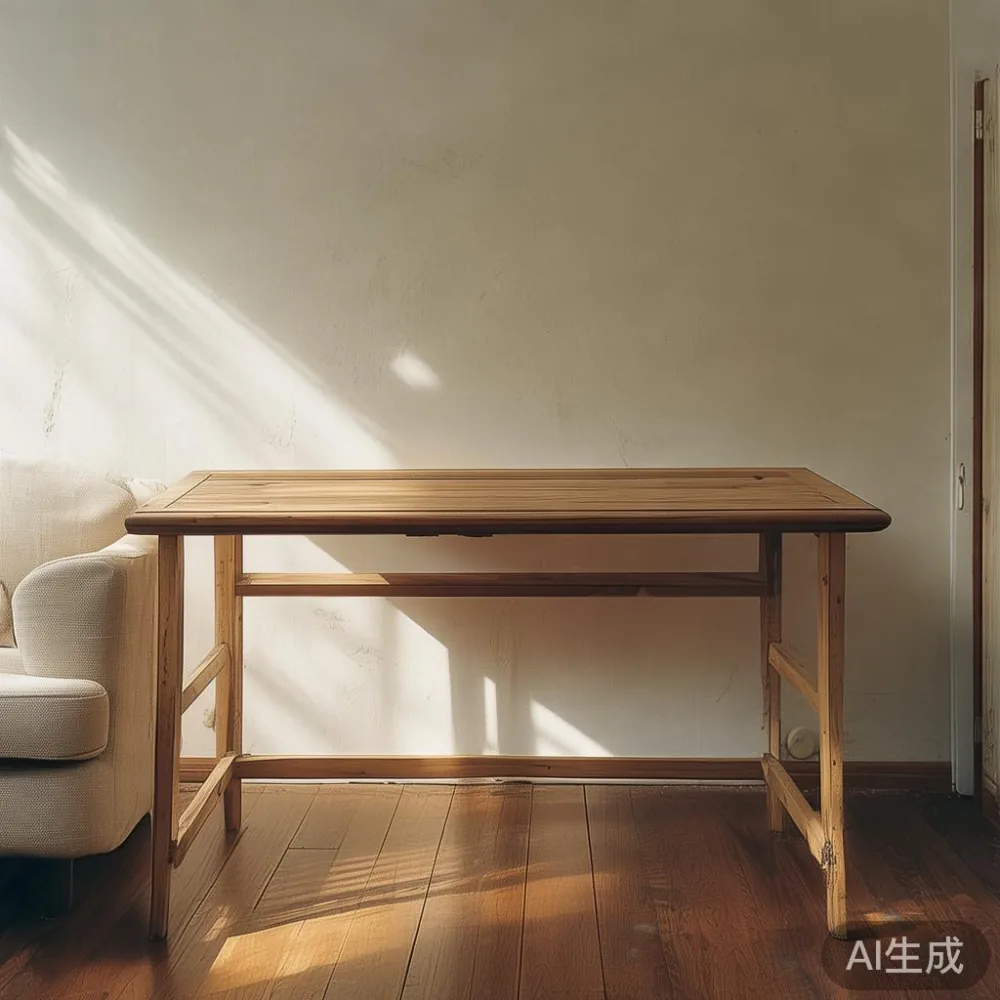
MIDHILL builds furniture for export to more than 15 countries, including Singapore. The relevant questions are not simply whether wood can survive the tropics, but how humidity changes movement, how components are designed, and how owners can maintain a piece without exaggerating problems that are often manageable. Prices below are indicative Singapore retail figures in SGD and exclude GST; confirm the final amount with the supplier.
What does 70% relative humidity do to solid wood?
Wood is hygroscopic. It exchanges moisture with the surrounding air, and its response depends on species, thickness, grain direction, edge sealing and finish. At 70% relative humidity, many solid wood components gain enough moisture to increase slightly in width and thickness. Cross-grain movement can be more apparent: a 180 cm wide solid wood dining table might vary by several millimetres between wet and dry seasons, while a veneered panel may move less because thin veneers are bonded to a stable substrate.
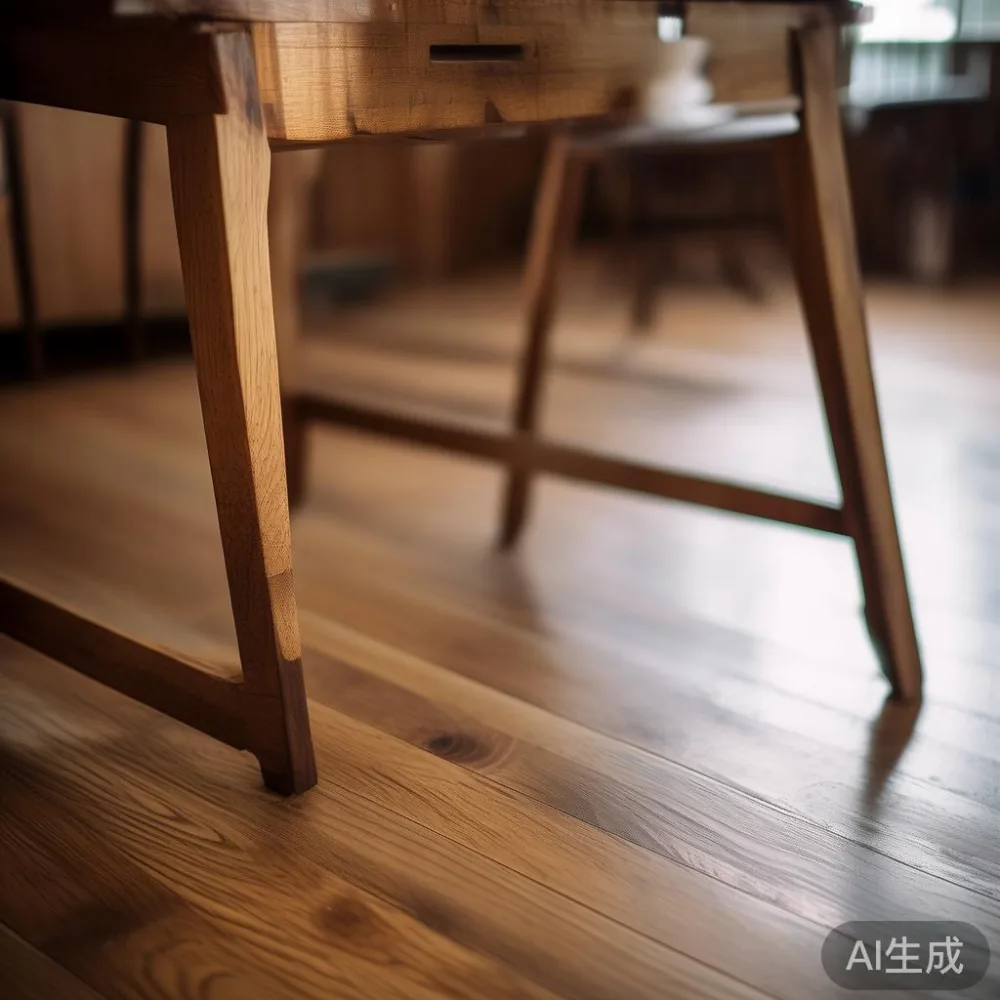
For furniture planning, use practical outdoor conditions as a guide rather than a promise of exact dimensional change. Singapore’s monthly readings commonly sit around 65–85% relative humidity, with afternoon showers and warm air pushing humidity upward. Indoors, a running air-conditioner may reduce it to 45–60%. A room can cross both ranges in one evening, especially when a door from a service yard or corridor remains open.
Movement does not automatically mean failure. Solid wood accommodates dimensional change better than many rigid composite products, provided screws, brackets and joining hardware allow controlled movement. The more serious risks are standing water around joints, a desktop repeatedly soaked by a leaking plant tray, prolonged contact with a wet mop, or untreated end grain. Those conditions can encourage mould, swelling and finish defects rather than normal seasonal movement.
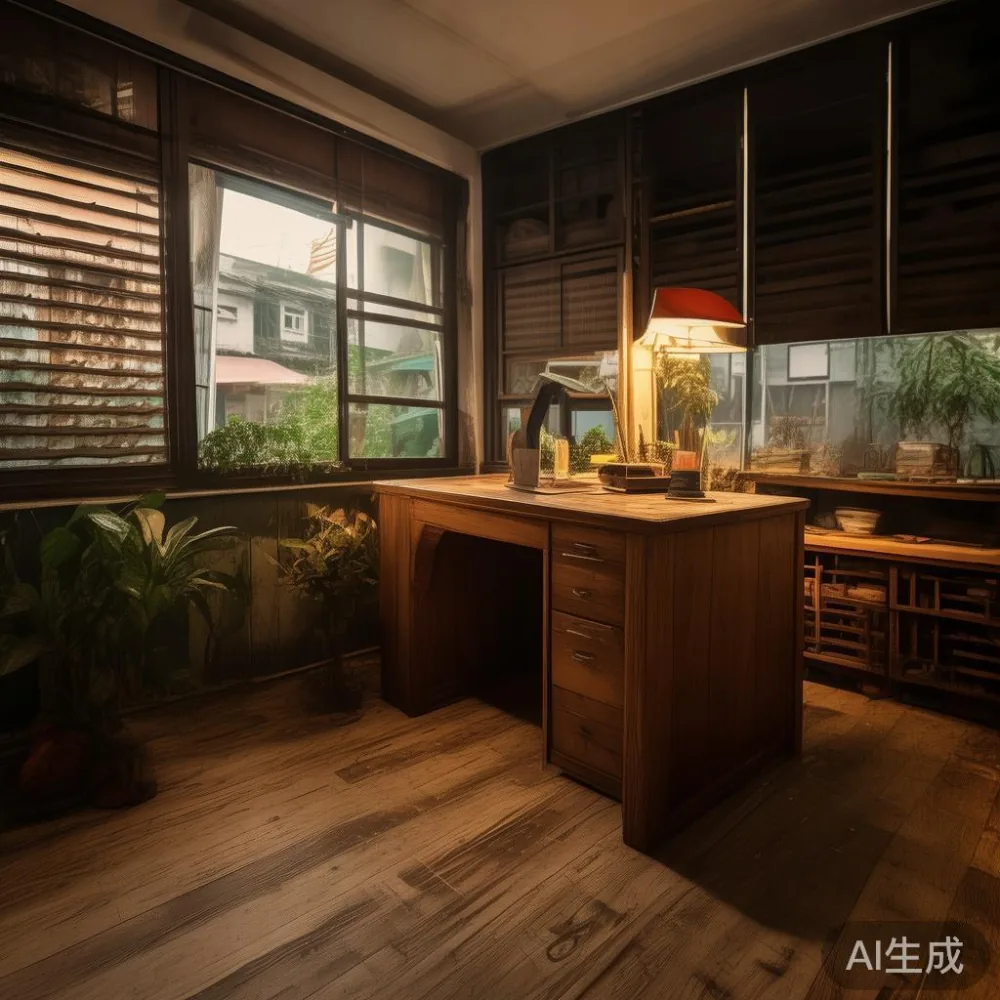
How should a standing desk be designed for Singapore humidity?
A standing desk needs a stable base, a height-adjustable mechanism that tolerates everyday load and a desktop that does not twist noticeably. A dual-motor column system commonly supports 80–120 kg, while a single-motor frame may carry 70–80 kg. MIDHILL standing desks should be assessed for their stated load rating rather than an unsupported marketing claim. For one adult, a work surface around 140 × 70 cm offers a usable monitor-and-keyboard arrangement; a 160 × 80 cm top gives more elbow space and can accommodate a laptop, documents and a small lamp.
Humidity matters most at contact points. Metal legs isolate most of the frame from the floor, and a sealed desktop finish reduces moisture uptake. Cable trays should not trap condensation against the underside. If the desk stands beside an air-conditioning vent, check that the motor housing, controls and tabletop finish are approved for the intended operating range. The usual indoor range for good electronic operation is approximately 10–40°C, with relative humidity below roughly 80% and good air circulation.
Singapore lifts and corridors also affect delivery planning. A standard HDB lift aperture may be about 90–100 cm wide and 210–220 cm high, although older blocks differ. A boxed standing desk should therefore be checked against the lift’s internal dimensions and the route from the ground-floor lobby to the flat. Stair turns and corridor corners can be tighter than the lift itself. Professional delivery may cost from SGD 80 to SGD 220 within Singapore, depending on distance, stairs and assembly needs.
Can humidity loosen a dining table or wardrobe?
A solid wood dining table expands more noticeably across its width than along its length. Put a warm bowl beside a cold glass of iced water and moisture can form at the joinery, particularly around an end-grain edge. Use a coaster and leave a small gap, around 3–5 mm, between a tiled wall and the table’s edge where the manufacturer allows it. This allows ventilation and avoids trapping dampness against a cold surface.
For a solid wood sofa, bed frame or nightstand, control surface water rather than treating all visible movement as a defect. Wipe spills within 5 minutes, keep standing desks and dining tables away from open windows during heavy rain, and use trays under plants. A marble table needs a different approach: its structure does not move like timber, but condensation on the stone can stain adjacent wood or metal. A waterproof mat and a 20–30 cm gap from an open window reduce this risk.
Wardrobes need airflow inside. A wall-mounted unit should have a ventilated back or service gap according to its instructions, while a freestanding model should not be pushed tightly against a damp exterior wall. Sliding doors reduce the space required for opening, an advantage in an HDB bedroom where the clear width may be only 90 cm beside the bed. Inspect door gaps after installation because seasonal movement can change them slightly.
How do I choose an American wardrobe for humid Southeast Asian homes?
Any guide to how to choose American wardrobe should consider drawer slides, carcass construction, finish and ventilation alongside appearance. American styling often favours generous storage, dark metal accents and strong lines, but the internal engineering matters in a humid room. Prefer solid hardwood or quality plywood for structural panels, sealed drawer bottoms and replaceable slides rated for at least 30 kg. Full-extension metal slides are practical for frequently used drawers, but the final projection still needs clearance beside the bed.
The phrase best light luxury wardrobe for 2026 can sound promotional, yet the comparison remains useful: “light” should describe restrained visual detail, not a flimsy carcass. A 6-foot-wide, 210–220 cm-tall wardrobe may be too deep for some Singapore bedrooms, so a 150–180 cm width can be more workable. Allow roughly 60–80 cm in front of hinged doors. If the wardrobe is packed tightly between walls, verify access for servicing and check that the top is not close to a leaking air-conditioning condensate pipe.
French light luxury is another direction, with pale woods, gentle profiles and crafted details. American light luxury usually reads cleaner and more architectural. Post-modern light luxury can use curved edges and restrained mixed materials, but every wood surface still needs proper sealing. A French provincial bed may have decorative timber details; an American bed typically has a simpler, more structural profile. Comparing American bed vs French provincial bed should therefore include humidity performance, available room dimensions and maintenance rather than style alone.
How can I keep a bed frame and sofa stable through wet and dry months?
Place a bed frame away from exterior walls that receive little sun, because seasonal moisture can alter the floor beneath it. Use felt pads under the legs and check them every 6 months. For an upholstered solid wood sofa, keep the frame at least 20 cm from an open window and remove cushions occasionally so trapped humidity can escape. Fabric with an open weave generally dries faster than thick velvet. A moisture meter reading around 8–12% in indoor timber is a practical reference, though a calibrated meter can vary between instruments.
Last month I visited a colleague in Punggol and tested a small oak standing desk beside a west-facing HDB corridor door. The relative humidity rose from 66% to 78% after a 12-minute shower, while the desktop gained 0.4 mm across its width. That amount is visible only with a fine ruler and was far smaller than the movement caused by a damp cloth left overnight. The test reinforced the need for controlled airflow rather than exaggerated humidification devices.
For customers comparing European for guest room furniture, the phrase usually points to pale oak, clean silhouettes and compact storage. A European guest room in a condo may look better with a narrow nightstand, a 120–140 cm bed and a slim European for guest room dressing shelf rather than oversized furniture. Check that each piece can dry after cleaning and that no timber element touches a curtain that remains damp against the air-conditioner wall.
What maintenance habits reduce humidity damage?
Keep indoor relative humidity between about 45–65% where possible. Air-conditioning and dehumidification help, but direct airflow can cause rapid surface drying, so aim air outlets along the wall or ceiling rather than across a solid wood dining table. Position a standing desk so its control panel is not in a cold draft. Wipe with a slightly damp cloth and dry immediately with a clean cotton cloth; avoid abrasive pads and household bleach.
Re-oil or renew the manufacturer-approved finish when water no longer beads on the surface. This might be every 12–24 months in a humid room, subject to the coating and use. Do not sand a lacquered surface without checking its construction. Inspect screw joints and drawer runners every 6–12 months because movement can loosen fixings slightly. Keep standing desk cables clear of damp floors and never place a humidifier directly beneath a desktop.
For replacement pieces, ask for the timber species, panel material, finish type, moisture expectations and warranty. MIDHILL offers a 10-year structural warranty and lifetime refinishing for qualifying products, which makes the long-term finish standard especially relevant in tropical conditions. Requests for refinishing should be matched to the original coating system so the repair does not create a patchy appearance.
How long should delivery and installation take?
Production and delivery commonly take 30–60 days for a made-to-order dining table or wardrobe, while stocked standing desks may take 7–21 days. Singapore delivery is usually 3–7 days after the piece is ready, though peak periods and remote locations can extend this. GST at 9% is added to the displayed product price. For an indicative SGD 2,490 dining table, GST would be SGD 224.10 and the total SGD 2,714.10.
Some Singapore orders qualify for free shipping above US$350, with the Singapore equivalent and exchange-rate treatment confirmed at checkout. The company also provides a 14-day return window, subject to product condition and custom specifications. Customers should inspect the piece within 3 days of arrival and photograph the packaging, corners, tabletop and doors before assembly.
Measure the entire route before ordering: lift width, lift depth, lift height, door opening, corridor turns and stair width. For example, a dining table top measuring 200 × 100 cm cannot enter a 90 cm lift as a rigid piece even if it was designed to be assembled. A modular standing desk or knock-down dining table is easier to manoeuvre through compact HDB access routes.
Which materials are most practical for Singapore’s climate?
For a work setting, a sealed solid wood standing desk offers warmth and repairability, while a metal frame helps manage floor moisture. For dining, a solid wood dining table with sealed undersides and end grain can perform well if spills are managed. A marble table is durable against humidity but requires careful protection from condensation and impact. Beds, wardrobes and nightstands should use stable joinery, finished edges and ventilation paths.
Buyers searching for an Italian light luxury dining table may focus on proportion, stone or timber, and elegant detailing, but they should also ask about underside sealing and Singapore care requirements. Likewise, a search for best Industrial sofa for 2026 can lead toward dark metal frames, exposed fasteners and durable upholstery, all of which suit a modern condo if the seat cushion can dry fully.
Humidity does not make solid wood furniture unsuitable for Southeast Asia. It makes careful selection, realistic spacing and regular maintenance more important. A standing desk that stays dry, a dining table that is wiped promptly and a wardrobe with concealed ventilation will have a better chance of remaining stable and attractive through Singapore’s wet seasons for many years.