Preserving the Brilliance: Caring for Your Lacquered Standing Desk in Singapore's Humid Climate
Singapore's tropical climate, a defining feature of life in our HDB flats and condominiums from Tampines to Punggol, presents a unique set of challenges for furniture care. The constant warmth and high humidity, often exceeding 80% on a typical afternoon, can be relentless on wood surfaces. For owners of a fine standing desk with a delicate lacquered finish, this environment demands more than casual attention. A beautiful, high-gloss surface can, over time, lose its lustre, develop unsightly white spots, or even begin to warp if not properly maintained. This guide provides a comprehensive look at the practical steps you can take to protect your investment, ensuring your standing desk remains a centrepiece of your home office for years to come. The principles discussed here are equally applicable to other prized pieces, like a solid wood sofa or a marble table, but our focus remains on the functional elegance of your standing workspace.
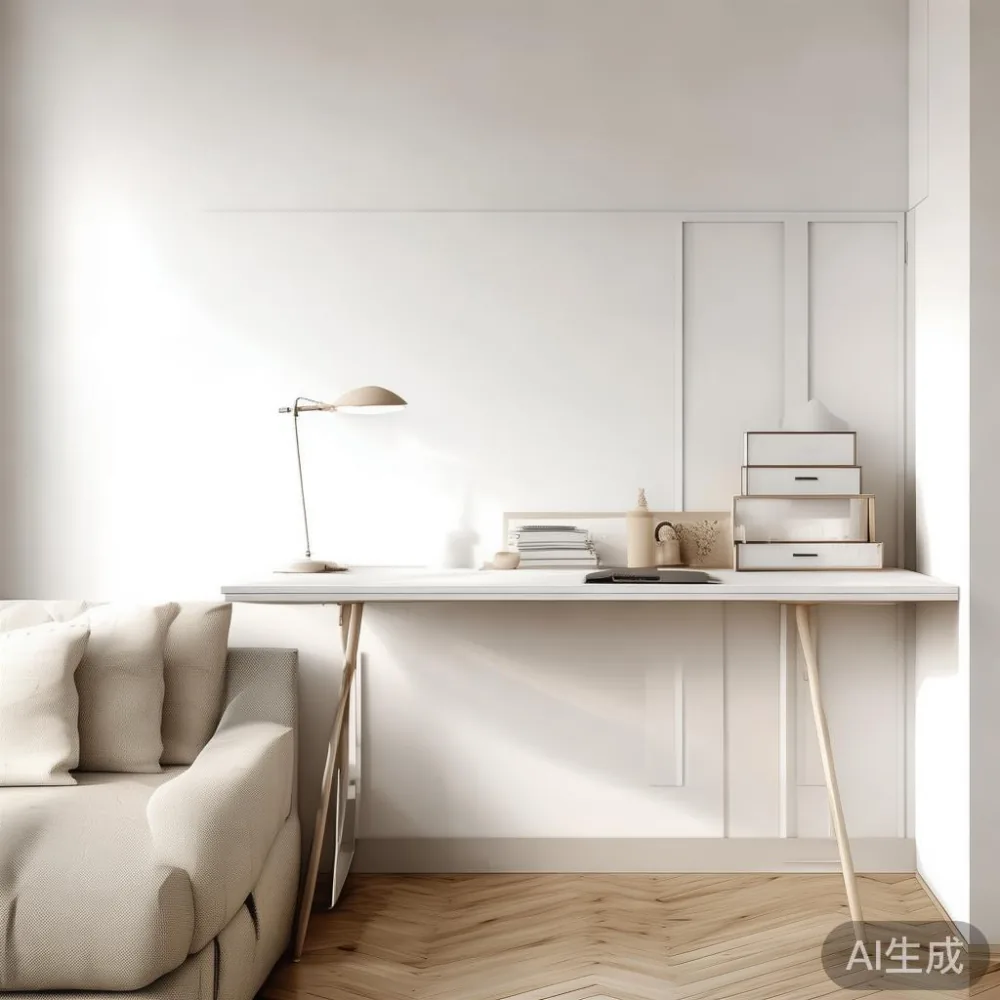
Why Humidity is the Primary Enemy of Lacquered Wood?
To understand the 'how' of care, we must first grasp the 'why'. Lacquer is a hard, durable finish applied over wood to create a protective, often high-gloss, layer. It is in effect a plastic film sealed onto the wood's surface. Wood, on the other hand, is a hygroscopic material, meaning it naturally absorbs and releases moisture from the surrounding air. In Singapore, where the air is perpetually moist, wood constantly tries to absorb this humidity. This creates internal stress within the material. For a standing desk constructed from solid wood, this movement is inevitable. The lacquer finish, however, is less flexible. When the wood beneath it expands and contracts with the changing humidity, it can put immense pressure on this rigid film. This pressure can manifest in several ways: the lacquer may crack, allowing moisture to penetrate and cause further damage; it may 'blister', creating small bubbles on the surface; or it may lose its adhesion, leading to peeling. White spots, often a form of 'blushing', occur when moisture gets trapped beneath the finish and reflects light differently. Understanding this dynamic between wood and finish is the first step toward effective care.
How Can I Prevent White Spots and Haze on My Lacquered Standing Desk?
Preventing moisture-related damage is far more effective than trying to repair it. The goal is to create a stable micro-environment around your standing desk, buffering it from the wild swings of Singapore's indoor humidity. The most practical tool for this is a dehumidifier. For a standard bedroom or study in an HDB flat, a small-capacity dehumidifier with a 20-litre daily extraction capacity is often sufficient. Running it for 6 to 8 hours a day, perhaps during the night when temperatures are slightly lower, can make a significant difference. A dehumidifier can pull several litres of water from the air, reducing the relative humidity to a more stable 50-60%, which is ideal for wood furniture. Placing your standing desk away from direct sources of moisture is another simple yet critical step. This means keeping it at least 50 cm away from air-conditioning units, as the condensation they produce can drip onto the surface. Similarly, avoid positioning it directly under a window where rain can be blown in during a sudden downpour. Using coasters under drinks is non-negotiable. A single glass of water left on a lacquered surface for a few hours in our climate can leave a permanent ring or cause the finish to soften. The cost of a set of good quality cork or stone coasters is a small price to pay, typically under SGD 20 for a set of six, to protect a piece worth thousands.
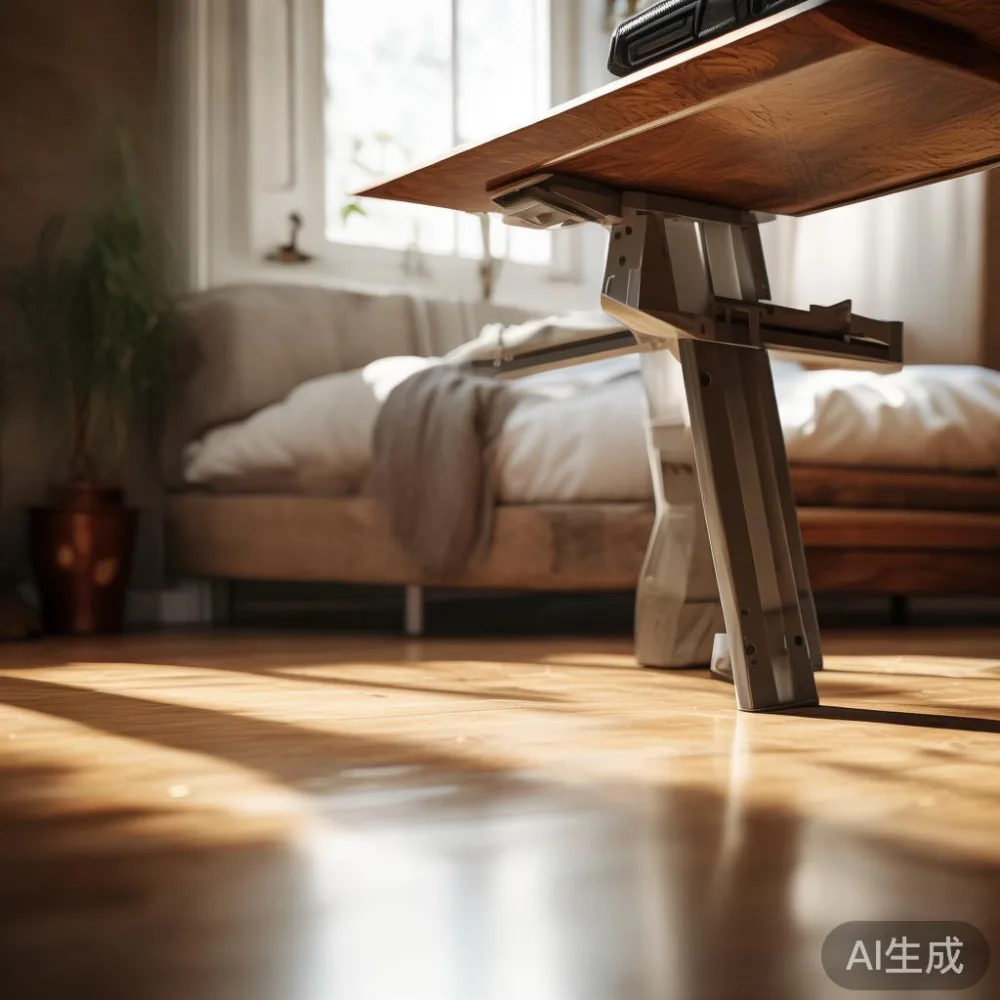
The Correct Way to Clean and Dust Your Standing Desk
Dust, composed of tiny particles of dead skin, fabric fibres, and environmental grit, acts like a very fine sandpaper on a lacquered surface. Regular dusting is not just about appearance; it's about preserving the integrity of the finish. The wrong technique can cause micro-scratches that will eventually dull the shine over time. The correct method involves using a soft, lint-free cloth. Microfiber cloths are excellent for this purpose as their fine fibres trap dust without scratching. Always dust in the direction of the wood grain. Begin with a dry cloth to remove the bulk of the surface dust. For a more thorough clean, especially if the surface feels sticky, you can lightly dampen the cloth with distilled water. Using tap water is not recommended, as the minerals in it can leave behind a filmy residue that dulls the lacquer. Wring the cloth out thoroughly until it is only slightly damp, not wet. A single drop of a pH-neutral, non-silicone wood cleaner can be added to the cloth for a deeper clean. Avoid any products containing ammonia, alcohol, or wax, as these can strip the lacquer or create a cloudy buildup. Remember, the standing desk's surface is sensitive; a gentle touch is paramount. After wiping, immediately follow with a dry, soft cloth to buff the surface to its original lustre.
What Should I Do If I Notice a Stain or Water Ring?
Accidents happen. A coffee cup knocked over, a water bottle left behind, or even condensation from a cold drink can leave a mark on your lacquered standing desk. The key is to address it immediately. For fresh, wet spills, the first step is to blot the area gently with a clean, dry cloth. Do not rub, as this can spread the liquid and push it into the wood grain. If the spill has already dried and left a white, hazy mark, you may be able to remove it. Start by applying a small amount of non-gel toothpaste to a soft cloth and gently rub the area in a circular motion. The mild abrasives in the toothpaste can sometimes buff out the haze without damaging the lacquer. If that doesn't work, a commercial product like a 'lacquer scratch remover' can be used, following the manufacturer's instructions precisely. These products contain very fine abrasives that level the surface. For more stubborn stains or damage, professional help is often the best option. A specialist furniture restorer can assess the depth of the damage and use techniques like polishing or, in severe cases, localised re-lacquering. The cost for such a service can range from SGD 150 to SGD 400 depending on the extent of the work, but it can save a valuable standing desk from permanent disfigurement.
How to Protect Your Standing Desk During a Move or Renovation?
Whether you're moving from a Bedok apartment to a new Punggol condominium or simply renovating your current space, your standing desk is vulnerable. The process of moving involves significant risk from bumps, scrapes, and sudden changes in temperature and humidity. The first line of defence is proper packing. The standing desk should be disassembled as much as possible, following the manufacturer's instructions. Each piece, like the desktop and the frame, should be wrapped individually. Use at least two layers of bubble wrap, ensuring the bubbles face outwards. Then, wrap the entire piece in thick moving blankets secured with packing tape. Do not use plastic wrap directly on the lacquered surface, as it can trap moisture against the wood during transit. When loading the truck, place the wrapped standing desk on a dolly and secure it firmly so it cannot shift. It should be one of the last items loaded onto the truck and one of the first items unloaded to minimise its time in a potentially hot or humid environment. If you are storing the standing desk, choose a climate-controlled storage unit. A standard storage locker in Singapore can reach temperatures of over 35°C and humidity levels that are extremely damaging. The cost of a climate-controlled unit is higher, typically an additional SGD 80 to SGD 150 per month, but it is a necessary expense to protect a fine piece of furniture.
What is the Long-Term Outlook for My Lacquered Standing Desk?
With consistent and proper care, a high-quality lacquered standing desk can last for decades, becoming a beautiful heirloom. The finish on a well-made piece is designed to be durable. Over many years, however, it is natural for the colour to deepen and for the surface to develop a unique patina. This is not a defect but a sign of age and character. The most significant long-term maintenance you can perform is periodic polishing. Every 6 to 12 months, depending on the environment, you can apply a high-quality carnauba wax polish. A small, 250g tin can cost around SGD 60 and will last for multiple applications. Apply a very thin layer with a soft cloth, let it dry to a haze, and then buff it off thoroughly with a clean cloth. This process nourishes the wood and fills in minor micro-scratches, restoring the shine. For deeper scratches or significant wear, refinishing may be an option. A professional refinisher can strip the old lacquer and apply a new one, in effect returning the standing desk to its original condition. This is a major undertaking, often costing several thousand dollars, but it can completely rejuvenate a piece that has seen many years of use in a demanding climate.
My colleague at the design firm recently purchased a standing desk for his home office in a Tampines HDB. He was initially worried about the upkeep, having seen furniture deteriorate quickly in our climate. He followed a strict routine: running a dehumidifier for 6 hours every night and using distilled water for cleaning. Last month, I visited his new apartment and was genuinely impressed. His standing desk, a sleek piece with a deep black lacquer finish, looked as flawless as the day it was delivered. He told me he attributes its pristine condition to that simple, disciplined care. It was a real-world proof of how a few mindful habits can make all the difference. When discussing the aesthetic of his home, he mentioned that the standing desk pairs beautifully with his minimalist solid wood sofa and a small marble table, creating a cohesive light luxury feel that is both functional and elegant. He also noted that finding the right pieces, like the best European bed for 2026 for his master bedroom, requires the same level of consideration for climate resilience.
The world of furniture styling offers endless possibilities, even within the constraints of a Singaporean apartment. For instance, creating a 'Vintage for small living room' look is achievable with careful selection of pieces that offer character without overwhelming the space. Similarly, the market for 'for sale Nordic furniture' provides options for those who appreciate a more understated, functional design. Styling a 'how to style European light luxury sofa in room' is about balancing bold silhouettes with soft textures and a neutral colour palette. When comparing products, a 'light luxury bed vs Italian light luxury bed' often comes down to the choice between French-inspired curves and Italian-inspired lines, both of which can add a touch of sophistication to a bedroom. For those who prefer a more rustic charm, exploring the 'top 10 Rustic furniture' lists can provide inspiration for creating a warm, inviting space. For specific inquiries about products like these, one can always contact the manufacturer directly at +86 188 2788 2512 for detailed information on materials and care instructions. Ultimately, caring for your furniture, especially a standing desk, is an act of appreciation for the craftsmanship that goes into it.