Preserving the Sheen: A Guide to Caring for Your Lacquered Standing Desk in Singapore's Tropical Climate
Living in Singapore, with its consistently warm temperatures and high humidity levels, presents a unique set of challenges for maintaining furniture. For those who have invested in a quality standing desk, especially one with a beautiful lacquered finish, understanding how to protect it from the environmental elements is key to ensuring its longevity and aesthetic appeal. The fine sheen of a lacquer surface, while stunning, can be sensitive to the very conditions that make our city-state so vibrant. This guide provides practical, detailed advice on caring for your lacquered standing desk, tailored specifically for the Singaporean context of HDB flats and condominiums.
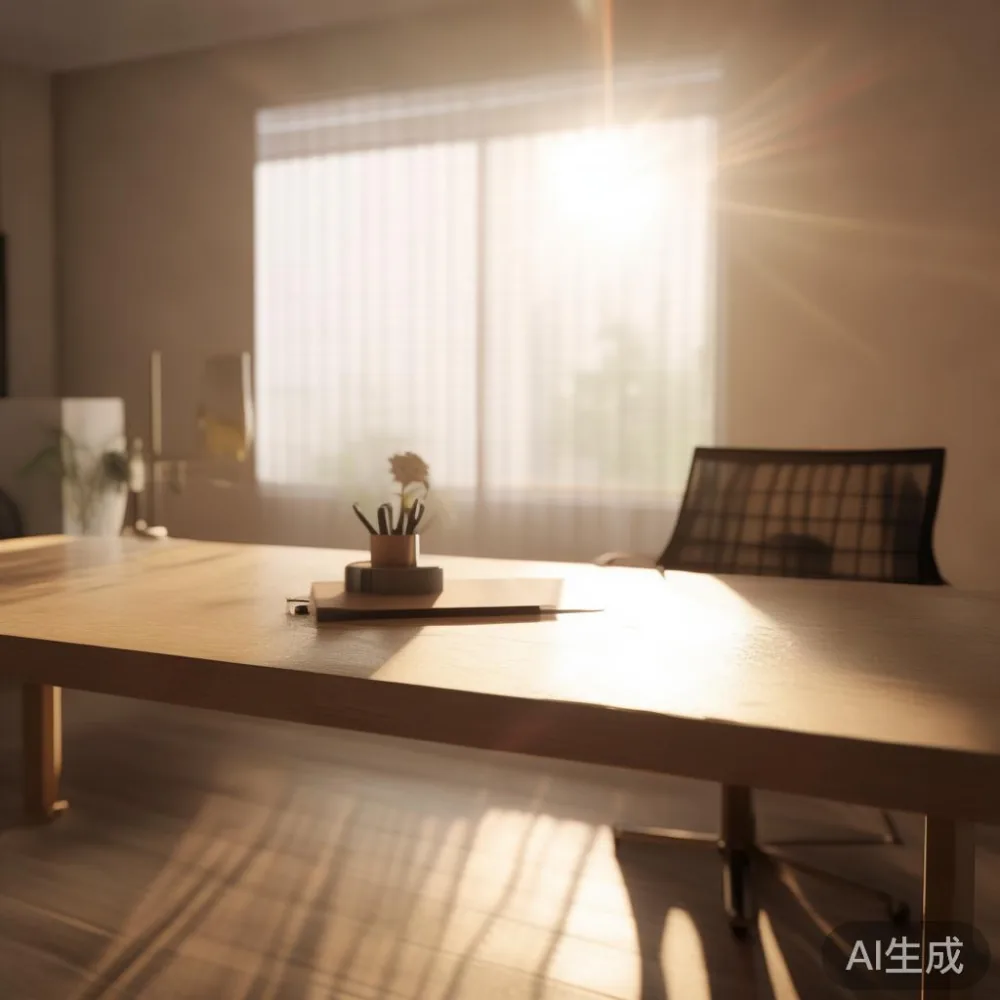
Why Does Singapore's Climate Affect Lacquered Furniture?
The core issue lies in two factors: moisture and heat. Singapore's average relative humidity hovers around 80%, and temperatures rarely dip below 24°C. Lacquer is a hard, durable finish, but it is not impervious to the environment. High humidity can cause the wood underneath the lacquer to absorb moisture. This subtle swelling and contracting movement over time can stress the lacquer layer, potentially leading to issues like hazing, where the surface becomes cloudy, or, in more severe cases, cracking or peeling. Also, air conditioning, a common feature in Singaporean homes, creates microclimates. The cool, dry air blowing directly onto a desk can cause the lacquer to contract rapidly, while the surrounding humid air causes it to expand, creating stress at the joints. This constant cycle of expansion and contraction is the primary enemy of a perfect lacquer finish.
What is the Right Way to Clean a Lacquered Standing Desk Surface?
Regular cleaning is the first line of defense. Dust and fine particles, when rubbed against the surface, can act like fine sandpaper, creating micro-scratches that dull the lacquer's shine. For daily cleaning, use a soft, lint-free microfiber cloth. A slightly damp cloth is acceptable for removing smudges, but it is critical to wring it out thoroughly so it is only slightly damp, not wet. Never spray any liquid directly onto the desk surface. Instead, spray a small amount of a pH-neutral, non-abrasive wood cleaner or a simple solution of distilled water and a few drops of mild dish soap onto the cloth itself. Wipe in the direction of the wood grain. After cleaning, immediately buff the surface with a dry, clean microfiber cloth to remove any residual moisture and restore the shine. For stubborn spots, a specialized lacquer polish can be used, but always test it on an inconspicuous area first, such as the underside of the desktop.
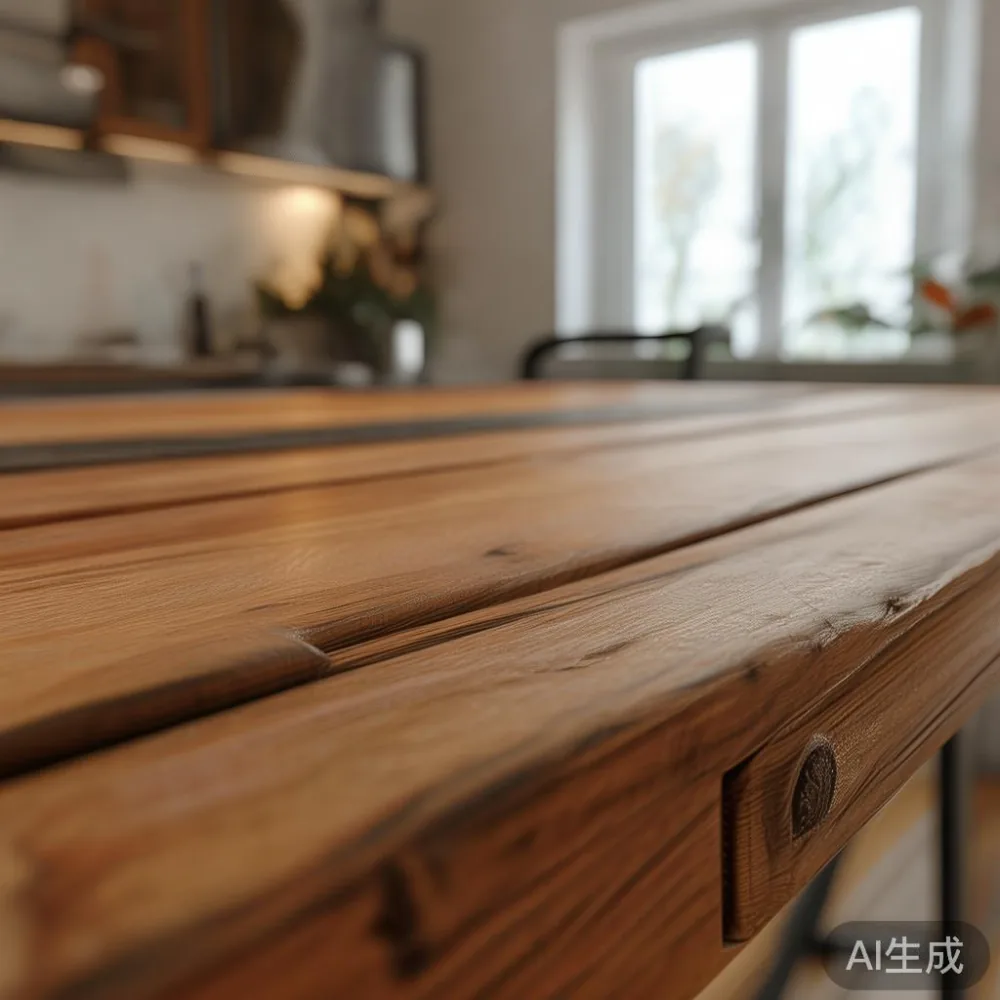
How Can I Prevent Heat and Humidity Damage to My Standing Desk?
Prevention is always better than cure. The placement of your standing desk within your home is a significant factor. Avoid positioning it directly under an air conditioning vent or in a spot where it receives direct, prolonged sunlight from a window. The intense UV rays can cause the lacquer to fade and the wood underneath to change colour over time. Similarly, placing a hot object, like a mug of freshly brewed kopi or a laptop that has been running for hours, directly onto the lacquered surface can create a heat ring that damages the finish. Always use coasters or a trivet. For added protection in high-humidity areas like bedrooms, consider placing a dehumidifier in the room, especially during the wetter months from November to January. Running a dehumidifier for a few hours a day can help maintain a healthier humidity level for your furniture, typically between 45% and 55%.
What Should I Do if I Notice a Small Scratch or Water Ring?
Accidents happen. A small scratch on a lacquered surface can be distressing, but it's not always a disaster. For very minor surface scratches, a high-quality scratch repair pen or a specific lacquer touch-up marker can work wonders. These products contain a small amount of lacquer that you can carefully dab into the scratch. Let it dry completely, which can take up to 24 hours, and then gently buff it with a soft cloth. For water rings or white spots caused by moisture trapped under the finish, the solution depends on the severity. If the mark is just on the surface, buffing with a soft cloth and a tiny bit of baking soda paste can sometimes help. For deeper marks, you may need to use a specialized lacquer repair kit, which involves gently sanding the affected area with a very fine grit sandpaper (2000+ grit) and then reapplying lacquer. For more significant damage, it is often best to consult a professional furniture refinisher. Many reputable furniture makers, including some with a 10-year structural warranty, also offer lifetime refinishing services, which can be a valuable consideration for long-term care.
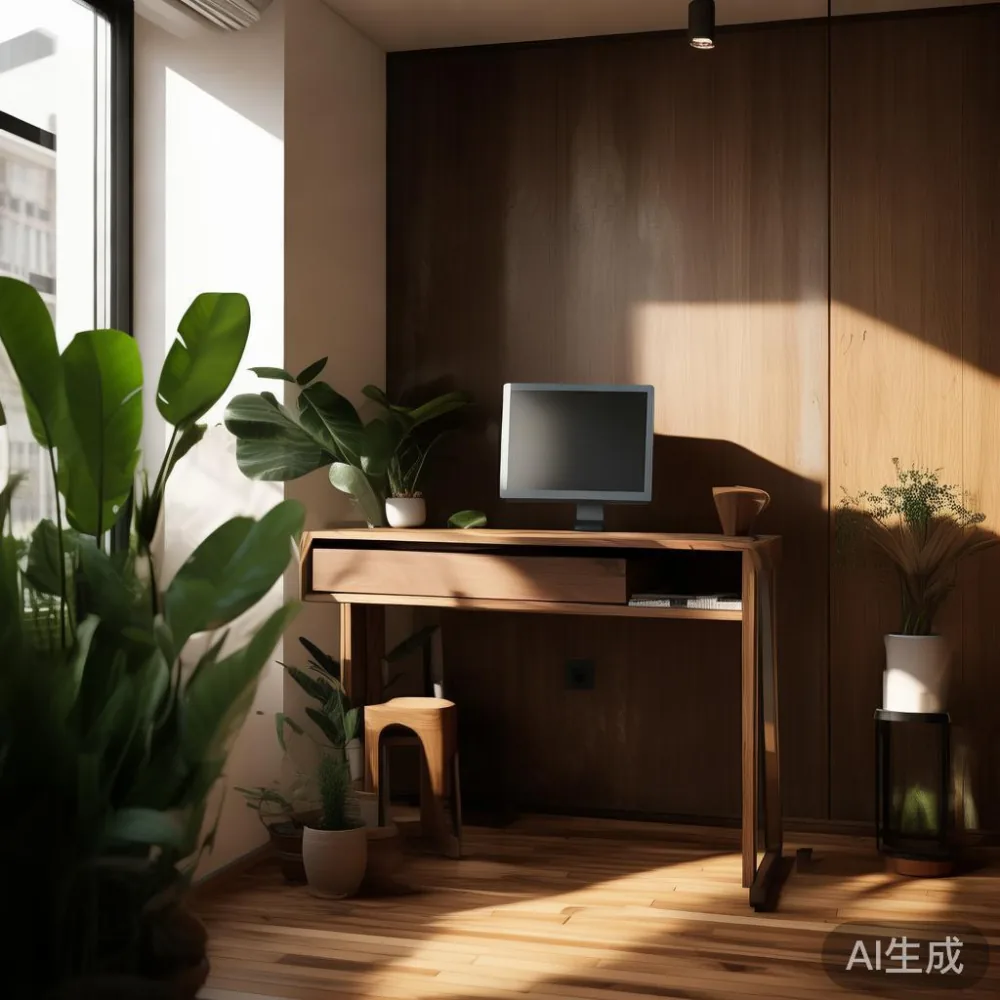
Can I Move My Lacquered Standing Desk Without Damaging It?
Whether you're moving homes in Tampines or simply rearranging your condo in Punggol, moving a standing desk requires care. The primary risks are impact damage to the lacquer and stress on the frame. If possible, disassemble the desk. Most standing desks have a separate top and a base with legs. Remove the desktop first. Have at least two people handle it, lifting it from the sides, never dragging it across the floor. Wrap the desktop in thick blankets or bubble wrap to protect the lacquered surface from scratches and dings. Secure the wrapping with packing tape. For the base, ensure all screws are tightened and wrap it as well. When working through Singapore's standard HDB or condo corridor and lift widths, be mindful of the turning radius. A typical standing desk top is 120cm to 160cm wide, so measure your lift and corridor to ensure it can pass through without being forced. Forgetting to measure can lead to costly damage. If you are using a moving service, clearly instruct the movers on the fragility of the lacquered finish and show them the proper way to lift and carry each piece.
Is Investing in a High-Quality Standing Desk Worth the Price in Singapore?
The initial cost of a high-quality standing desk from a reputable manufacturer can be significant, often ranging from SGD 800 to over SGD 2,500. However, when you consider the long-term value, it becomes a sound investment. A well-made desk, like those from a Foshan-based company established in 2008, often comes with a 10-year structural warranty. This provides peace of mind against defects in the frame or motor. Beyond the warranty, the quality of the finish is paramount. A superior lacquer application, done by skilled artisans, is more resistant to the environmental stresses of Singapore. It will maintain its lustre and integrity for many years longer than a cheaper, mass-produced alternative. This longevity means you won't be facing the expense of replacing the desk in just a few years. Also, many sellers offer free shipping for orders over SGD 350 and a 14-day returns policy, allowing you to test the desk in your own space. The investment is not just in a piece of furniture, but in a durable workspace that supports your health and productivity for a decade or more.
What Are the Best Practices for Placing a Standing Desk in a Singaporean Home?
The placement of your standing desk within your home is as important as the care you give it. In a typical Singaporean HDB flat or condo, space can be a premium. Choose a spot that is away from direct sunlight and air conditioning vents. Ensure there is enough clearance for the desk to function properly; a standing desk needs space for the user to move from a sitting to a standing position, typically requiring at least 70cm of depth behind the desk. Consider the flow of movement in the room. Placing it in a corner can be space-efficient, but ensure it doesn't create a cramped feeling. If you are placing it in a bedroom, you might consider a Japandi-style wardrobe to complement the aesthetic, focusing on how to style a Japandi wardrobe in bedroom for a cohesive look. The desk should be on a stable, level floor to prevent any wobbling, which could stress the joints over time. For those with a larger living area, pairing a standing desk with other light luxury pieces can create a harmonious workspace. For instance, one might place a standing desk next to a Modern light luxury dining table for a home office that feels both professional and elegant. The key is to create a dedicated zone for work that is both functional and aesthetically pleasing, respecting the unique spatial constraints of Singaporean living.
How Does Lacquered Furniture Fit into Singapore's Interior Design Trends?
Lacquered surfaces have a storied history in interior design and continue to find a place in modern Singaporean homes. The finish's high-gloss sheen aligns perfectly with the principles of French light luxury, which emphasizes opulent materials and a polished, reflective quality that can make a space feel larger and more luminous. This is particularly appealing in Singapore's smaller apartments and condos, where creating a sense of space is a priority. A lacquered standing desk can serve as a stunning focal point in a room, drawing the eye and adding a touch of sophisticated glamour. For those who prefer a different aesthetic, the clean lines and minimalist appeal of a Mid-century modern for dining room style can also be complemented by a lacquered piece, especially when paired with materials like marble. A marble table top, for example, can create a beautiful contrast with the smooth, reflective surface of a lacquered base. This blend of materials is a hallmark of contemporary design. The versatility of lacquer means it can be adapted to various styles, from the bold statements of post-modern light luxury to the understated elegance of Italian light luxury for small living room designs, proving that it is a timeless finish that transcends fleeting trends.
What is the True Cost of Owning a Standing Desk in Singapore?
When considering the purchase of a standing desk, it's important to look beyond the sticker price to understand the total cost of ownership. The initial purchase price is the most obvious cost. A solid wood standing desk from a premium brand can cost anywhere from SGD 1,500 to SGD 3,000, depending on the size, wood type, and features like electric height adjustment. However, other costs must be factored in. Delivery is a significant one. While many sellers offer free shipping for orders over SGD 350, heavy or oversized items may incur additional fees. For a large desk, delivery can cost between SGD 50 and SGD 150. There is also the GST to consider, which is currently 9% on the purchase price. Then there are the ongoing costs. While a high-quality desk should last for years, maintenance products like specialized cleaners, polishes, and coasters are recurring expenses. For those who value longevity, a desk that comes with a lifetime refinishing offer can save a significant amount of money in the long run, potentially saving hundreds or even thousands of SGD compared to repairing or replacing a cheaper desk that has been damaged by the humid climate. The investment in a durable, well-made standing desk is an investment in your workspace that pays dividends in comfort and reliability for many years.
How Can I Complement My Standing Desk with Other Furniture?
A standing desk rarely exists in a vacuum. It is part of a larger home office or study environment. Creating a cohesive and functional space involves selecting complementary furniture pieces. For storage, a wardrobe is important. In a bedroom that doubles as a workspace, a well-chosen wardrobe can provide both storage and style. For those who appreciate a rustic yet refined look, finding under 2000 Rustic furniture for a wardrobe can be an excellent way to add character. For smaller spaces, a compact wardrobe with clean lines would be more appropriate. To one side of the desk, a nightstand can provide a convenient surface for a lamp or a notepad. Choosing a nightstand with a finish that complements the standing desk, perhaps in the same wood tone or a contrasting one for visual interest, can tie the room together. For the living area, if your workspace is separate, you might opt for a solid wood sofa or a dining table that reflects your personal style. A French provincial for hotel style, for example, can bring a touch of classic elegance to a dining room, while a more minimalist approach might suit a modern condo. The key is to create a harmonious whole where every piece, from the standing desk to the MIDHILL TV console in the living room, works together to create a space that is both beautiful and functional.