Warm Minimal Furniture for Singapore Homes
A warm minimal interior is not an empty room. It is a carefully edited arrangement of useful objects, honest materials, and gentle contrasts. In a Singapore HDB flat or condo, the challenge is to make that calm atmosphere work around real constraints: narrow lift doors, compact corridors, limited storage, bright humidity, and furniture that still has to handle daily family life.
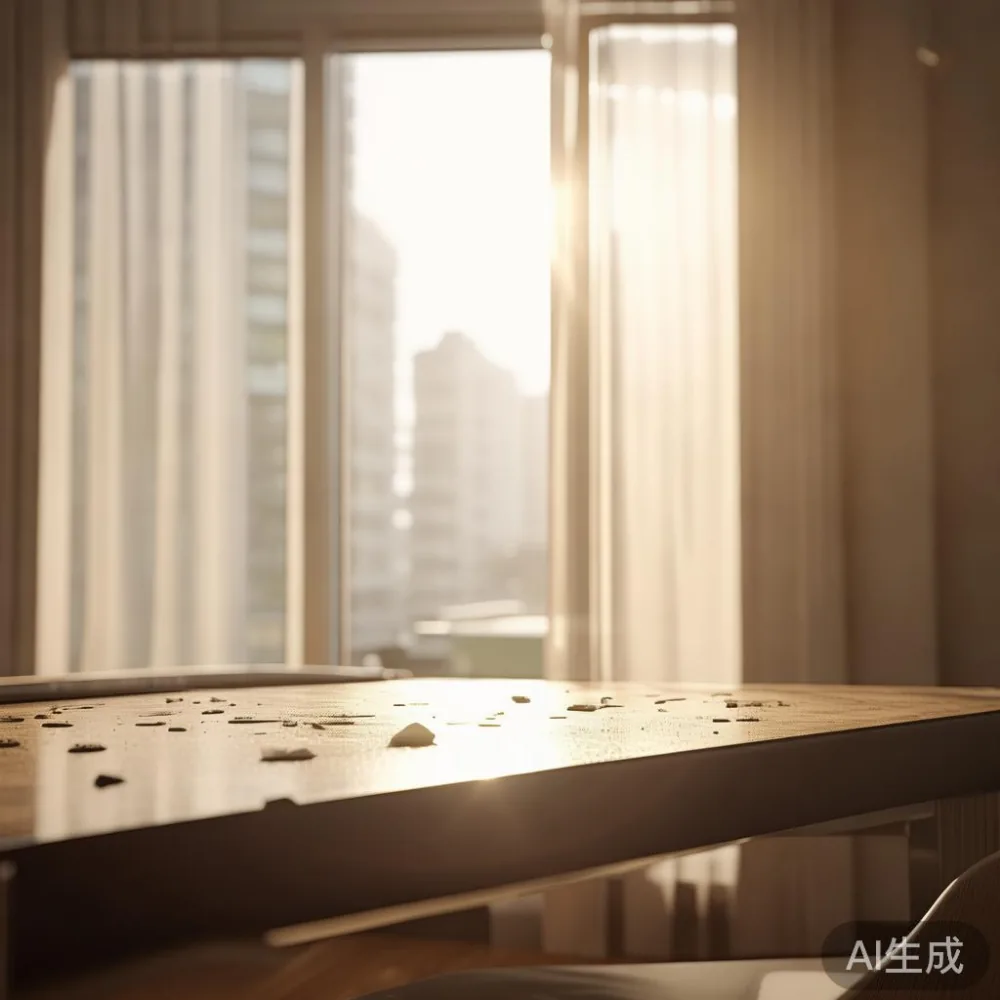
Standing desks have become particularly useful in home offices, study corners, and multipurpose living rooms. A correctly sized model can provide a better working position while also forming a visual anchor that feels less clinical than a metal-and-plastic office arrangement. Around it, solid wood pieces, soft upholstery, stone surfaces, and restrained decoration allow the room to feel composed rather than overfilled.
This guide explains how to match a standing desk and the surrounding furniture to a warm minimal interior. It includes measurements for typical Singapore homes, material choices, colour ideas, and practical guidance for pieces such as a solid wood sofa, bed frame, dining table, wardrobe, nightstand, and marble table.
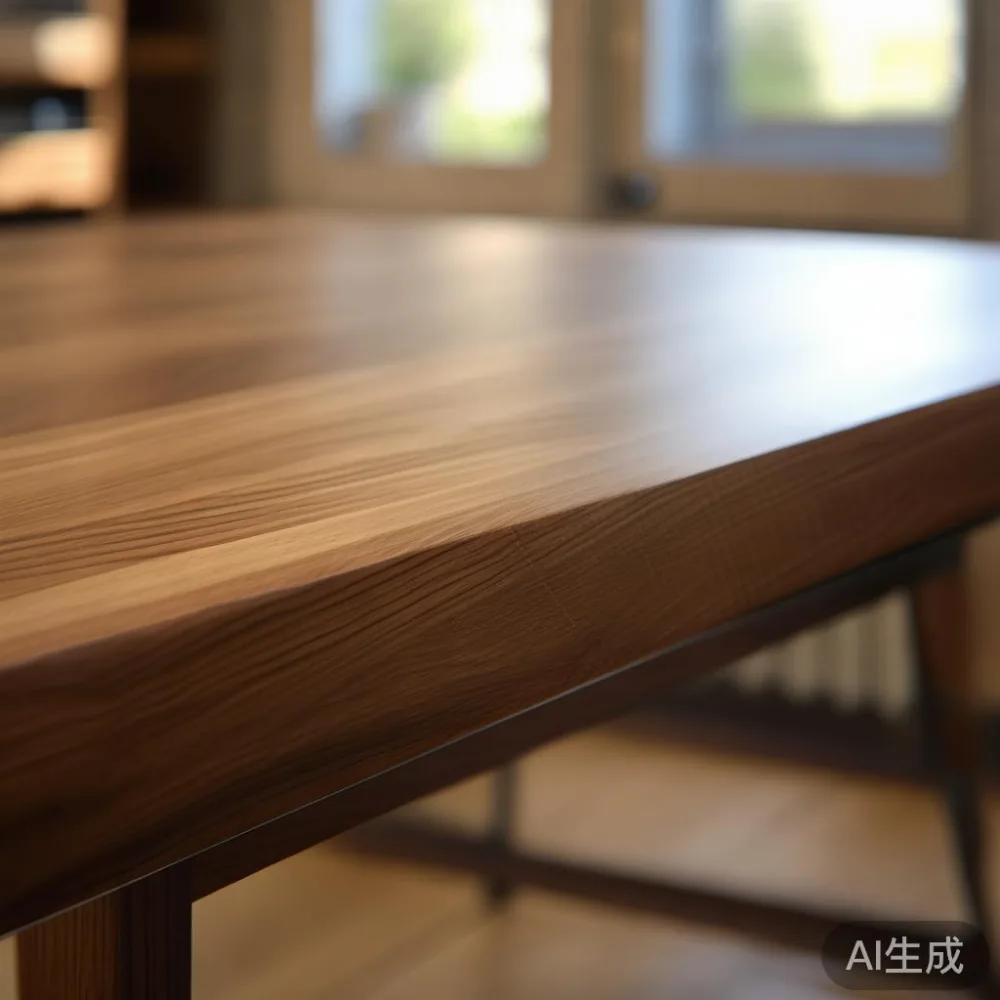
What makes an interior feel warm rather than strictly minimal?
Minimal interiors often rely on pale walls, clean lines, and uncluttered circulation paths. Warmth comes from texture, tactility, and small variations in colour. Pale oak creates continuity with white walls, while walnut adds visual depth. Linen, cotton, woven baskets, ceramic vessels, and brushed metal soften harder architectural finishes without introducing visual noise.
A practical warm-minimal palette in Tampines, Bedok, or Punggol might use warm white for walls, light greige for curtains, pale oak for large furniture, and medium walnut for smaller accents. Keep the largest area light. Add darker tones on objects occupying less than 20% of the visible room. This ratio helps a compact flat feel open while still avoiding the cold impression of an all-white showroom.
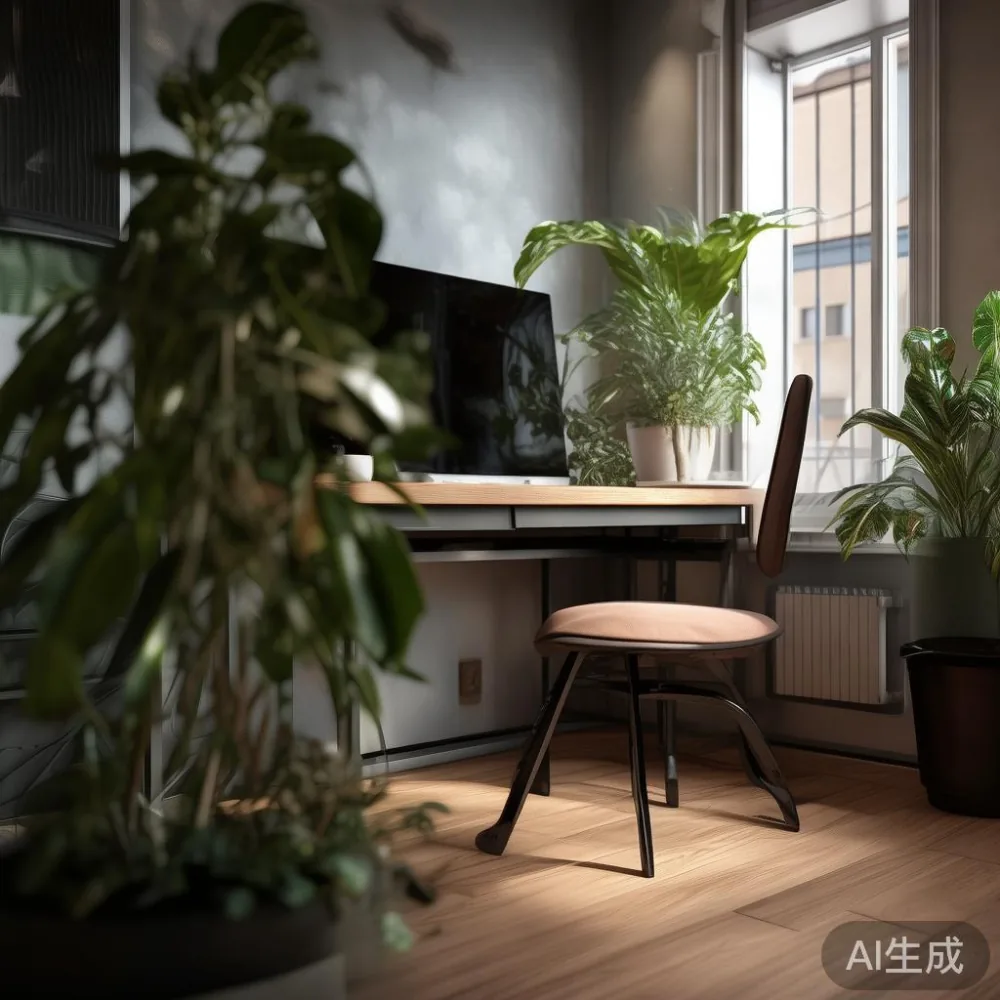
Temperature and glare matter too. Position a standing desk beside, rather than directly opposite, a window. A side-facing arrangement reduces the chance of screen reflections and makes the workstation feel integrated with the room. If the desk must face a window, use a blind that filters light without making the work surface visually heavy.
How should a standing desk fit into a compact Singapore home?
Measure before choosing a width. Most users need at least 120 cm of clear desk width for two monitors, a laptop, and a lamp. A 140 cm model offers more breathing room, while an 80 cm model can suit a single-screen workstation. For a writing-only corner, 100 cm may be enough. The desk should be checked in its raised position as well as its seated position.
Allow about 90 cm of circulation behind a chair. This is enough to pull out, sit down, and move past without scraping a wall. At the front, leave roughly 60 cm where people cross the room. In a narrow HDB corridor, a desk projecting more than 55 cm into the passage can restrict movement and should be avoided.
Check the building’s lift and service corridor specifications before delivery. A boxed desk may fit through a 90 cm residential lift door only when turned correctly, but the carton dimensions and diagonal still need confirmation. The supplier should provide packed dimensions, carton weight, and the delivery method. For furniture above 25 kg, a two-person carry or installation appointment is more sensible than one-person handling.
In my own test last month, I measured a 140 × 70 cm lifting desk with a colleague in a Tampines condo. The desk needed a 78 cm lift-door opening when the carton was held upright, and the packed unit weighed 31 kg. The loading height was 84 cm, so it cleared the lift, but a curved corridor required careful turning. The experience confirmed that room dimensions alone are not enough: the delivery route deserves the same attention as the desk itself.
Singapore’s GST is already reflected in displayed retail prices, but buyers should still check the final invoice. The figures in this guide are treated as GST-inclusive unless a seller states otherwise. Delivery usually takes 7–14 days for stocked configurations and 21–45 days for made-to-order finishes or sizes.
How can a standing desk support a light-luxury office?
The phrase Italian light luxury for office describes a useful design direction: restrained, finely proportioned, and based on material quality rather than ornament. A standing desk can fit this approach when its frame is quiet in colour and its surface has visible wood grain. Matte black frames can work against a dark walnut top, while warm white frames pair naturally with pale oak.
For a more residential office, select a solid wood desktop at least 2.5 cm thick with softened edges. The top should not have glossy lacquer that catches every reflection. A light natural oil finish is more forgiving of fingerprints and gives the grain a tactile quality. Cable management is another light-luxury detail: use a compact tray, conceal wires below the desktop, and keep only one lamp and one small object visible.
This approach also fits Modern light luxury for apartment living, where polished comfort is balanced with practical scale. Keep the chair upholstered in warm beige, taupe, or muted clay rather than stark white. A 60 cm planter nearby and a woven basket can soften the workspace, although both should remain outside the desk’s primary movement zone.
French light luxury brings a slightly softer, more decorative accent. One framed print, a ceramic bowl, or a linen-covered pinboard can provide that note. American light luxury tends toward generous upholstery, clean profiles, and solid wood frames with a substantial presence. These styles can coexist if they share a limited material and colour palette.
For a useful comparison, Italian light luxury for office furniture often emphasizes proportion and fine joinery, while the standing desk must still satisfy reach, clearance, and cable requirements. Appearance comes after those measurements, not before them.
Which furniture should surround a standing desk?
A workstation should relate to the seating area rather than compete with it. A solid wood sofa with a low back and broad arms creates a relaxed anchor in the living room. Choose a seat depth of 58–62 cm and a seat height of 42–46 cm. For narrow HDB living rooms, a 180–210 cm sofa may fit better than a larger three-seater. If the living area doubles as a work zone, use a slim side table instead of a bulky coffee table.
For dining, a dining table of 140 × 80 cm can serve four people in a compact flat. A 160 × 90 cm model accommodates six more comfortably. Leave at least 75 cm between the table edge and the wall for chairs, though 90 cm is preferable. A solid wood dining table with rounded corners also reduces visual severity and protects people moving through a tight route.
Marble table surfaces introduce cool contrast, so keep them small and warmly balanced. A 90–110 cm round or oval marble table beside a sofa can work well with a wood base. Limit marble to one focal surface in the room. Too many polished stone surfaces can make a warm minimal apartment feel showroom-like.
Storage should blend into the architecture where possible. A wardrobe with flush doors can visually enlarge a bedroom, but full-height slabs require a check of the lift and bedroom door. A 180 cm-wide wardrobe is suitable for one or two people in many condos, while couples may need 200–240 cm or a divided arrangement. An open hanging rail and 2–3 shelves can prevent the interior from becoming congested.
A nightstand measuring 40–50 cm wide is enough for a lamp, book, phone, and glass of water. Match it to the bed frame so the pair reads as one composition. A slim 120–140 cm console can connect a living and dining area, provided it remains at least 75 cm clear of the main passage.
How do you choose a bed frame that works with warm minimal interiors?
The bed is usually the largest object in a Singapore bedroom, so its material and height affect the entire atmosphere. A low solid wood platform in pale oak creates a relaxed silhouette. A slightly darker walnut frame adds contrast against cream walls. Upholstered headboards introduce softness, but they require more care in humid conditions and can collect dust along seams.
When comparing Japanese bed vs Italian light luxury bed options, consider storage, floor clearance, and the visual weight of the frame. A Japanese-style low platform usually emphasizes a simple surface and floor-level appearance. Italian light luxury tends toward shaped details, refined upholstery, and more decorative proportions. For a compact HDB bedroom, simplicity often allows easier circulation, while a lightly detailed frame can make the room feel less utilitarian.
If the phrase Japanese bed vs Italian light luxury bed appears in research, compare actual dimensions rather than style labels. A queen bed generally measures 152 × 190 cm in Singapore, but frame widths can reach 165–175 cm. Leave 60 cm on both sides where possible, and at least 90 cm on one side for drawers or bedside access. The headboard should have 5–10 cm of clearance from the wall when the bed is pushed back.
For fabric or upholstered options, ask for removable covers and confirm that the material is suitable for Singapore’s humidity. For timber frames, look for stable joinery and a finish that can be maintained. MIDHILL provides a 10-year structural warranty, which is a meaningful point for a frequently used bed frame or dining table, although care requirements still apply.
How do you style a French bed in room?
The practical answer to how to style French bed in room styling is to treat French influence as shape and texture, not as a collection of themed props. A lightly curved headboard, slim tapered legs, and washed linen can evoke the style in a contemporary apartment. Keep the palette to cream, soft white, pale wood, and one muted colour such as sage, dusty blue, or clay.
Use two layers of bedding rather than several competing patterns. A fitted sheet, duvet, and two pillows create enough depth. Add one throw at the foot if the room needs warmth. Curtains should begin close to the ceiling and end 1–2 cm above the floor, which makes the window appear taller and the ceiling higher. This is useful in HDB flats with standard 260 cm ceilings.
French provincial styling requires more care. If answering how to style French provincial wardrobe in apartment interiors, use a light oak or warm white finish, replace obvious ornate handles with restrained brass or matte bronze pulls, and avoid matching every item to a country-house theme. A wardrobe with simple panel doors can carry the influence through proportion and finish.
Lighting should be warm at approximately 2700–3000 kelvin. A bedside lamp with a linen shade creates a softer glow than a cool-white point source. Keep cords organized along the skirting or behind the nightstand, and confirm that the lamp can be reached without stretching or moving the bed.
Should a wardrobe, nightstand, and sofa share the same wood tone?
They do not need to be identical. A warm minimal room benefits from one dominant wood and one supporting tone. Pale oak can occupy about 60–70% of the visible timber area, with walnut used for a nightstand, chair, or cabinet. Repeating the same finish across every large piece can make the room more coordinated, but it can also feel visually heavy if the pieces are bulky.
Consider grain direction and finish consistency. If a solid wood sofa has exposed arms and legs, match its base tone to the dining table. If a bed frame has a matte finish, avoid placing it beside a high-gloss marble table with a mirror reflection. Matte wood, honed stone, linen, and brushed metal create a quieter collection.
Scale is equally important. A 220 cm sofa in a room with a 280 cm usable wall will appear larger once the standing desk, dining table, and circulation routes are added. A 190–210 cm sofa may create more breathing room. Similarly, a marble table with a narrow pedestal base takes less visual and physical space than a rectangular table on four corner legs.
Useful sizing standards provide a dependable starting point. A dining chair needs about 55 × 45 cm. A wardrobe drawer should have at least 35 cm of internal depth for folded clothing. A nightstand top positioned 5–8 cm below the mattress is easier to use. A desk lamp should occupy no more than 20 cm of width. These details create comfort without clutter.
What colours and finishes create a calm Singapore interior?
Warm white, greige, oatmeal, pale oak, and soft walnut form a reliable base. Add small accents of olive, rust, muted blue, or burgundy. Black should be used sparingly around a standing desk frame or lamp, as extensive black detailing can make a low-light HDB room appear visually compressed.
Natural materials should be balanced with durable ones. Solid wood brings warmth and repairability; linen and cotton soften seating; a marble table adds mineral contrast; metal components support daily use. Keep finishes matte where possible. Gloss can highlight fingerprints, scratches, and uneven colour under Singapore’s strong daylight.
Lighting should be layered. Use one ceiling fixture for general illumination, one floor or table lamp for a sitting zone, and one task lamp at the standing desk. Aim for 2700–3000 kelvin in living and bedroom areas. A brighter 3500–4000 kelvin task light can support detailed work without making the entire room feel clinical.
How should you plan delivery, returns, and long-term care?
Measure the entire route: the flat’s front door, the corridor turns, lift car dimensions, lift door width, and bedroom doorway. Confirm whether the lift booking is required and whether the building has a loading-area time restriction. A delivery charge may vary by distance, floor, and item weight, so it should appear separately on the quotation rather than being assumed.
Assembly matters for large furniture. A dining table may arrive in 2 cartons, while a wardrobe may require 4–6 panels and 45–90 minutes of assembly. A standing desk generally involves attaching the top to its lifting frame and installing a control unit. Use the supplied hardware, level the feet on uneven floors, and avoid placing a tall cabinet directly beside the moving desk frame.
Check the return policy before ordering. A 14-day return period gives time to inspect dimensions, finish, and assembly, but customized sizes and non-returnable items may have different conditions. Photograph the furniture on arrival, inspect for damage, and retain the packaging until the pieces have been checked.
For solid wood, dust with a soft cloth, keep furniture away from permanent condensation, and use coasters on a marble table. Avoid placing a standing desk or wooden dining table directly under an open window where rain may reach it. Allow wood to acclimatise to the room’s humidity and temperature according to the product care instructions.
Long-term refinishing can preserve the appearance of a well-made solid wood dining table, bed frame, or wardrobe. If the surface is eventually marked or dull, refinishing offers a path other than replacement. The owner should still distinguish structural issues from cosmetic wear: wobbles, loose joints, and defective mechanisms should be documented and addressed under the warranty.
What is the right way to mix light-luxury pieces in a small apartment?
Begin with one focal point. It might be the standing desk, a solid wood dining table, or a marble side table. Choose one material as the dominant theme and allow one contrasting material to provide rhythm. A pale oak desk, walnut nightstand, cream solid wood sofa, and single round marble table would create a balanced arrangement.
Buy large pieces after measuring. Small accessories can be adjusted later. Keep the number of visible objects on the desk to 3–5 and avoid tiny decorative pieces that compete with the computer. In the living area, use one large textile, two or three cushions, and a simple floor lamp. The result can feel generous without requiring excess furniture.
MIDHILL’s collection of solid wood sofa, bed frame, dining table, wardrobe, nightstand, and marble table pieces allows an apartment to be composed around a coherent material story. Prices should be compared at the exact size and finish, not only by product category. For example, a 120 cm standing desk and a 160 cm standing desk are different working propositions, and a marble top may alter both cost and weight.
The strongest warm minimal room is not the one with the fewest objects. It is the one in which every object has a purpose, every route remains comfortable, and materials provide warmth without crowding the space. In Singapore, careful measurements, moisture-aware care, and delivery planning are part of the design—not details added after it.